Using heart rate and power together gives you a balanced view of your effort. Heart rate shows how your body responds to exercise, but it can fluctuate with external factors like heat or fatigue. Power, on the other hand, measures actual work done and stays consistent. Combining both helps you pace better and understand your performance more clearly. Want to discover how to get the most from both metrics? Keep exploring to find out more.
Key Takeaways
- Heart rate indicates physiological effort but is influenced by external factors, while power measures actual work output directly.
- Power provides consistent, objective data ideal for precise pacing and structured training zones.
- Heart rate helps monitor overall effort and recovery but may fluctuate due to hydration, temperature, or stress.
- Combining heart rate and power offers a comprehensive view of effort, improving training adjustments and performance.
- Power is more reliable for strict pacing, whereas heart rate is useful for understanding overall physiological response.
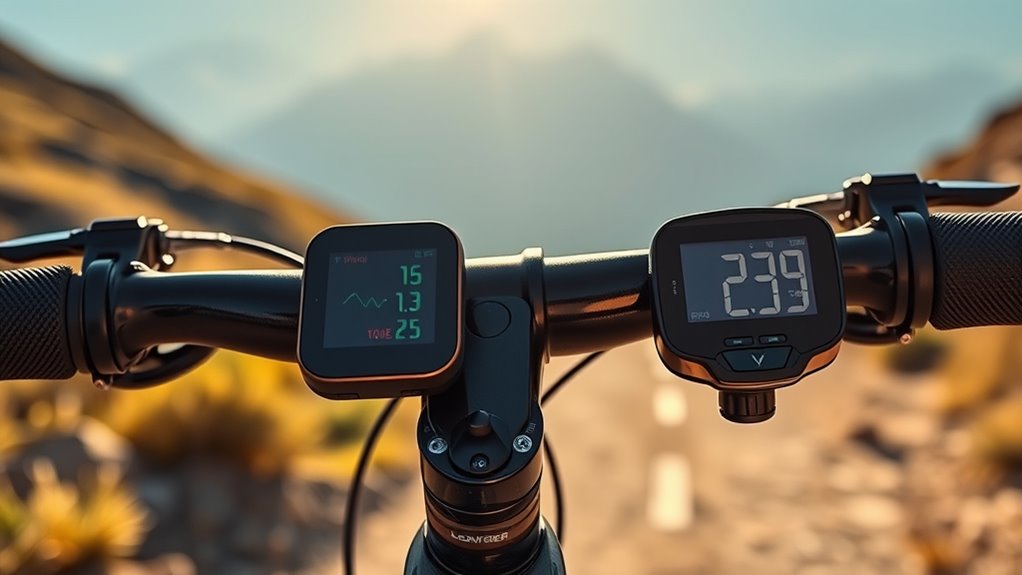
When it comes to optimizing your training, understanding the differences between heart rate and power can make a significant impact. Both metrics serve as tools to gauge your effort and guide your workouts, but they do so in distinct ways. Heart rate monitoring relies on your body’s physiological response, while power measurement focuses on the actual work you’re doing. Recognizing how each fits into your training zones helps you tailor workouts more effectively and achieve your goals faster.
Your heart rate provides a real-time reflection of how hard your body is working. By staying within specific training zones—such as easy, tempo, or interval—you can target different energy systems and improve endurance, speed, or recovery. These zones are typically defined by percentages of your maximum heart rate, which can be estimated or individually tested. However, the accuracy of heart rate data depends on the quality of your monitor and external factors like hydration, temperature, stress, or fatigue. These influences can cause fluctuations, sometimes making it tricky to assess your true effort. So, while heart rate is a valuable indicator, it’s essential to contemplate data accuracy and interpret it in context.
Heart rate zones reflect effort but can fluctuate due to external factors; interpret data carefully for best results.
Power meters, on the other hand, measure the actual wattage you generate on the bike or during other activities. This metric offers a direct and objective assessment of your effort, unaffected by external factors that can skew heart rate readings. Power data allows you to precisely establish training zones based on your functional threshold power (FTP), providing a personalized framework for structured training. Because power is a direct measurement of output, it tends to be more consistent and reliable for tracking progress over time. This consistency makes power especially useful for interval training, pacing, and ensuring you’re hitting your target intensities accurately. Additionally, integrating payment processing solutions into training platforms can streamline data management and performance analysis.
While both heart rate and power are valuable, they serve different purposes. Heart rate is more accessible and less expensive, but it can be less precise due to the influence of external factors. Power, though often requiring specialized equipment, provides a more accurate and consistent reflection of your effort, especially when data accuracy is a priority. To get the most out of your training, contemplate combining both metrics. Use heart rate to gauge your overall effort and recovery, and rely on power for precise pacing and intensity control. By understanding these differences, you can better interpret your training zones, make informed adjustments, and ultimately enhance your performance.
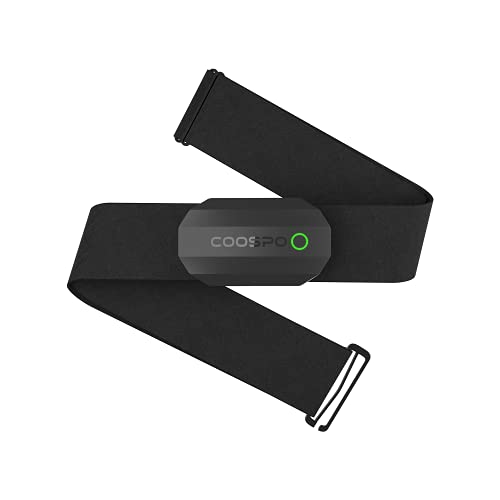
COOSPO Bluetooth Heart Rate Monitor Chest Strap H808S, ANT+ BLE HR Monitor Chest, HRM IP67 Waterproof, Use for Running Cycling Gym and Other Sports
±1BPM Accurate Heart Rate Monitor – The CooSpo HR sensor H808S can monitor high-performance real-time heart rate data…
As an affiliate, we earn on qualifying purchases.
As an affiliate, we earn on qualifying purchases.
Frequently Asked Questions
How Do External Factors Affect Heart Rate and Power Measurements?
External factors like environmental conditions and equipment calibration directly impact your heart rate and power readings. High temperatures or humidity can elevate your heart rate, while cold weather might lower it, regardless of effort. Poorly calibrated devices give inaccurate measurements, making it harder to track progress accurately. To guarantee reliable data, you need to account for these environmental factors and regularly calibrate your equipment, so your training remains effective.
Which Method Is Better for Beginner Athletes?
For beginner athletes, using heart rate is better because it’s simpler and more accessible. You don’t need advanced equipment, just a reliable heart rate monitor. Focus on training consistency, which helps you understand how your heart responds to effort. Make sure your equipment is well-calibrated for accurate readings. As you progress, you can explore power measurement, but initially, heart rate provides a straightforward way to track your fitness improvements.
Can Heart Rate and Power Be Used Together Effectively?
Yes, you can use heart rate and power together effectively. Combining these metrics enhances your training consistency and improves data accuracy, giving you a fuller picture of your effort and progress. By monitoring both, you can adjust intensity, avoid overtraining, and optimize performance. Using both methods helps you stay aligned with your goals, ensuring you train smart, stay motivated, and track your improvements more reliably.
How Do Hydration Levels Impact Heart Rate and Power Readings?
Hydration impact markedly affects your heart rate and power readings. When you’re dehydrated, your electrolyte balance gets disrupted, causing your heart to work harder and raising your heart rate. This can lead to decreased power output and endurance. Staying well-hydrated helps maintain electrolyte balance, allowing your heart to function efficiently and sustain ideal power levels during exercise. Proper hydration is essential for accurate readings and overall performance.
Are There Specific Sports Where One Method Is More Advantageous?
In cycling and indoor rowing, power meters offer superior training synchronization because they provide precise, real-time data unaffected by external factors. Heart rate monitors are better for running, where equipment calibration can be tricky, and environmental conditions vary. Did you know that power-based training can improve performance by up to 20% more than heart rate alone? Choose the method that matches your sport’s demands and guarantee your equipment is correctly calibrated for accurate readings.

Training and Racing With a Power Meter
An updated second edition of the definitive guide to the ultimate training tool
As an affiliate, we earn on qualifying purchases.
As an affiliate, we earn on qualifying purchases.
Conclusion
Think of your training as steering a vast forest. Heart rate is like the steady, familiar path—guided by your body’s signals but sometimes obscured by fog. Power, on the other hand, is your compass—sharp and precise, pointing you straight toward your goal. By understanding both, you become an explorer who can adapt to any terrain, choosing the right trail at the right moment. Mastering this balance transforms your ride into a confident journey through the woods.
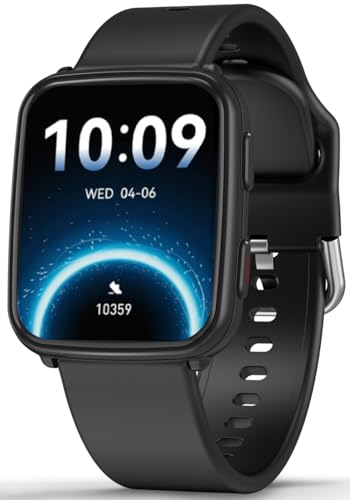
MorePro Fitness Tracker with 24/7 Heart Rate & Blood Pressure Monitor, Blood Oxygen & Sleep Tracker, Smart Watch with Step Calorie Counter, IP68 Waterproof Activity Tracker for Women Men Android iOS
【Advanced Health Fitness Tracker】-This fitness tracker offers 24/7 heart rate and blood pressure monitoring to help you stay…
As an affiliate, we earn on qualifying purchases.
As an affiliate, we earn on qualifying purchases.

COOSPO Heart Rate Monitor Armband HW807, Bluetooth 5.0 ANT+ HRM with HR Zone LED Indicator, Tracking Heartbeat HRV for Fitness Training, Work with Peloton/Polar/Wahoo/Strava/DDP Yoga
HIGH-ACCURATE ±1BPM HEART RATE MONITOR: Patented optical sensor technology for highly accurate heart rate monitoring. It support continuously…
As an affiliate, we earn on qualifying purchases.
As an affiliate, we earn on qualifying purchases.