After a crash, your first step is to guarantee everyone’s safety and seek medical help if needed. Move your vehicle out of traffic if possible and turn on hazard lights. Gather important information like insurance details and take photos of the scene, including damages and road conditions. Report the accident to your insurance promptly and avoid admitting fault. Stay organized and monitor your health in the following days; more helpful steps await if you keep going.
Key Takeaways
- Check for injuries, call emergency services if needed, and seek medical attention regardless of symptoms.
- Move vehicles to a safe area, turn on hazard lights, and ensure scene safety.
- Exchange contact, insurance, and license information; photograph damages and scene details.
- Contact your insurance company promptly, provide accurate information, and avoid admitting fault.
- Continue medical follow-up, monitor for delayed symptoms, and keep detailed records for recovery.
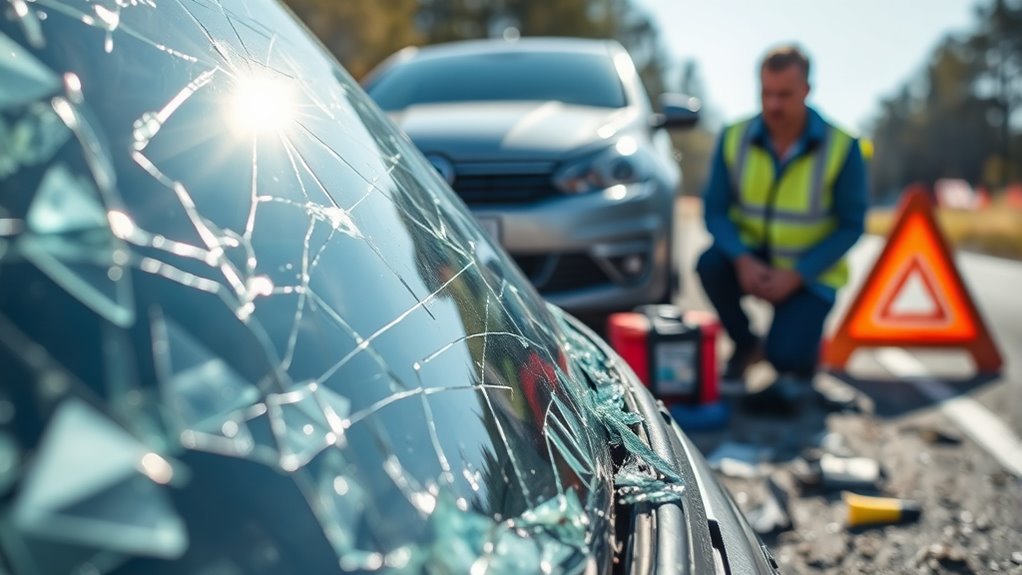
After a crash, staying calm and acting quickly can make all the difference. The first priority is your safety and well-being. Check yourself for injuries and see if anyone else involved needs immediate medical attention. If there are serious injuries or if someone is unresponsive, call emergency services right away. Even if everyone appears fine, it’s wise to visit a healthcare professional to rule out any hidden injuries, as some symptoms may not be immediately obvious. Prompt medical attention can prevent complications later on and document your injuries, which is *essential* if you need to file an insurance claim.
After a crash, prioritize safety, check for injuries, and seek medical attention promptly.
Once everyone’s safety is addressed, move your vehicle out of traffic if possible, but only if it’s safe and doesn’t cause further harm. Turn on your hazard lights to alert other drivers. This helps prevent additional accidents and keeps the scene clear for authorities and emergency responders. When it’s safe, exchange information with the other party involved. Collect their name, contact details, insurance information, and license plate number. Avoid discussing fault or making statements that could be used against you later. Stick to the facts and be respectful.
Next, document the scene thoroughly. Take photos of the damage to all vehicles involved, the surrounding area, skid marks, traffic signs, and any relevant road conditions. Write down details like the time, date, weather, and location of the crash. These records will be valuable when filing insurance claims and for any legal proceedings. Be sure to get contact information from witnesses if there are any nearby; their statements can support your account of what happened. Additionally, understanding the importance of contrast ratio can help in evaluating how clearly the scene was captured in your photos and videos.
After gathering all the necessary information, contact your insurance company promptly. Report the accident and provide them with all the details and documentation you’ve collected. Be honest and clear about what occurred, but avoid admitting fault. Your insurer will guide you through the claims process and may send an adjuster to assess the damage. Remember, filing an insurance claim is *vital* to cover repairs and potential medical expenses, so don’t delay.
Finally, follow up on your medical care, even if you feel fine. Some injuries can manifest symptoms days after the crash, and documenting your recovery is essential. Keep records of any treatments, prescriptions, and doctor visits. Taking these steps not only protects your health but also strengthens your position when dealing with insurance claims. Acting swiftly, staying organized, and prioritizing safety can help you navigate the aftermath of a crash more effectively and get back on track sooner.

Amazon Basics Emergency Escape Tool, Window Breaker and Seatbelt Cutter, Car Safety Hammer with Protective Bracket, Bright Orange, 2 Pack, SW-835
- Emergency Escape Tool: Window breaker and seatbelt cutter
- Durable Tungsten Hammer: 1800HV hardness for quick window breakage
- Sharp Seatbelt Cutter: Easily cuts through seat belts with a sharp blade
As an affiliate, we earn on qualifying purchases.
As an affiliate, we earn on qualifying purchases.
Frequently Asked Questions
Should I Contact My Insurance Company Immediately After a Crash?
Yes, you should contact your insurance company immediately after a crash. Reporting quickly helps you start the insurance claims process and guarantees your accident reports are accurate. Prompt communication also protects you if there’s any dispute later. Provide all necessary details, like the accident reports, so your insurer can assess the situation efficiently. Acting fast helps you get the coverage and support you need without delays.
What Personal Information Should I Collect From Other Drivers?
Did you know that over 60% of crashes involve multiple drivers? After a crash, you should collect the other driver’s insurance documentation, including policy numbers and insurance company details. Also, gather witness contact information, such as names and phone numbers, to support any claims. This helps make certain your case is well-documented and easier to resolve with your insurance company. Always stay calm and thorough during this process.
How Do I Handle a Crash Involving a Commercial Vehicle?
You should first guarantee safety by moving to a safe location if possible. Then, conduct a commercial vehicle inspection to identify any damages. Collect cargo documentation and take detailed photos of the scene and damages. Exchange information with other drivers, including company details if applicable. Report the crash to your supervisor or dispatcher promptly, and follow proper procedures for reporting to authorities and insurance.
What Steps Are Needed if Someone Is Injured in the Crash?
When someone is injured, you become their lifeline amid chaos. Call for medical assistance immediately, ensuring help arrives promptly. Stay calm and gather accident documentation—photos, witness details, and a clear account of what happened. Your swift actions can be the bridge between hope and despair for the injured. Keep their comfort in mind while waiting for professionals, and avoid moving them unless absolutely necessary to prevent further harm.
When Should I Seek Legal Advice After a Car Accident?
You should seek legal advice immediately after a car accident, especially if there are injuries, disputes, or significant damages. Timing considerations are vital because evidence can fade and insurance claims might be affected. Consulting legal counsel early helps protect your rights, guides you through complex processes, and guarantees you understand your options. Don’t wait too long—getting advice promptly ensures you’re well-informed and better prepared to handle potential legal issues.
Conclusion
After a crash, staying calm and following the right steps can make all the difference. For example, if you’re involved in a minor fender bender, exchanging information and documenting the scene can streamline your insurance claim later. Remember, quick action and clear communication help safeguard your rights and ensure everyone’s safety. By staying composed and prepared, you’ll handle the situation more effectively and get back on the road sooner.