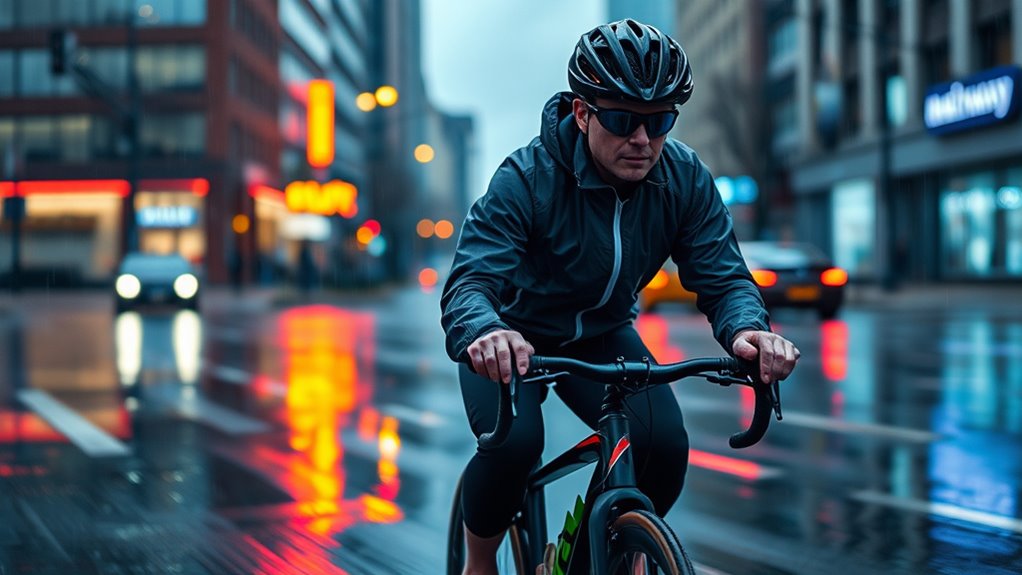

When riding in the rain, stay calm and keep your focus sharp. Adjust your mindset to be cautious, maintaining a relaxed grip and smooth movements to prevent slipping. Wear proper high-visibility gear and stay alert for hidden hazards like puddles and slick lines. Reduce speed, increase following distance, and brake gently. Building confidence in wet conditions takes patience and awareness—if you pay attention to these skills, you’ll improve your comfort and safety on rainy rides.
Key Takeaways
- Maintain calm and patience to stay focused and react appropriately to wet, unpredictable conditions.
- Approach riding with heightened awareness, scanning for hazards like puddles, potholes, and slick lines.
- Adjust your speed and braking gently to prevent slipping and ensure control on wet surfaces.
- Use proper, high-visibility gear to boost safety and confidence in low-visibility conditions.
- View rainy conditions as opportunities to develop control, anticipation, and resilience, enhancing overall riding skills.
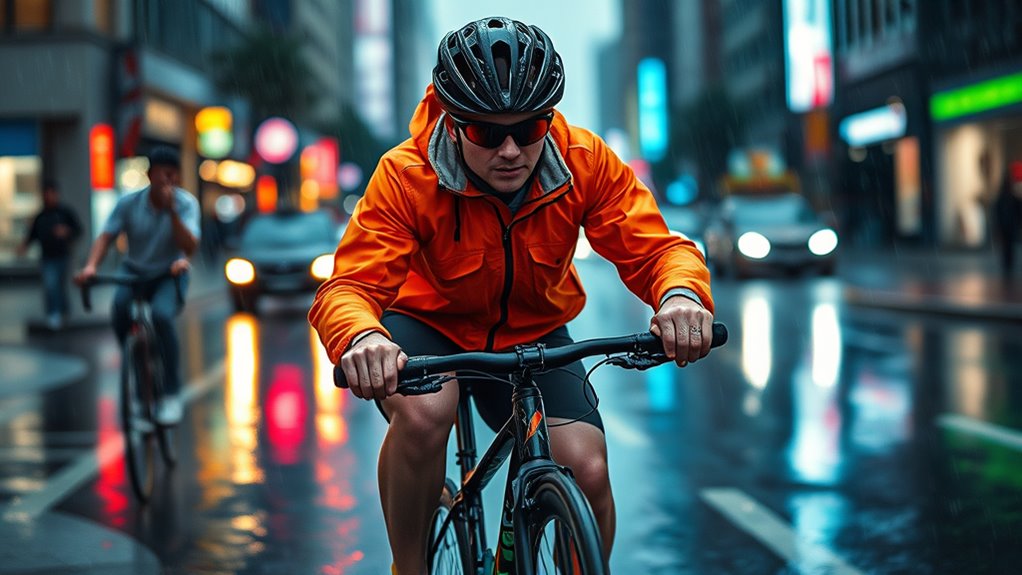
Riding in the rain can be challenging, but with the right mindset and preparation, it becomes an opportunity to improve your skills and enjoy the ride regardless of weather conditions. When the skies open up, your first priority is to guarantee you’re fully equipped with proper rain gear. Waterproof jackets, pants, gloves, and boots help keep you dry and maintain your focus on the road instead of battling the elements. High-visibility gear is equally important; bright colors or reflective strips make you more visible to other drivers, reducing the risk of accidents. Remember, staying dry and visible isn’t just about comfort—it’s about safety.
Once you’re dressed appropriately, you need to adjust your riding style to account for the slick, unpredictable surface. Wet roads dramatically increase the risk of slipping, so you must be more cautious and deliberate with your movements. Brake early and gently, avoiding sudden stops that could cause your tires to lose grip. Keep your speed moderate and increase your following distance to give yourself more time to react to road hazards. Rain can hide potholes, gravel, oil slicks, and other obstacles, so stay vigilant. Scan the road ahead, looking out for puddles that might conceal hazards or uneven patches that could destabilize your bike. This heightened awareness is vital because compromised visibility, both for you and other drivers, makes it harder to anticipate dangerous situations.
Adjust your riding to wet, slick roads—brake gently, stay vigilant, and increase your following distance for safety.
Road hazards are more prevalent when it’s raining. Potholes fill with water, making them hard to see, and painted lines can become slick, reducing traction during turns. Puddles can also hide debris, oil spills, or even loose gravel. Always adjust your riding to minimize these risks: slow down when approaching intersections, especially where painted lines are present, and avoid sudden maneuvers. Use your rear brake more than your front to prevent skidding, and lean into turns smoothly rather than abruptly. If you encounter a particularly hazardous stretch, don’t hesitate to reduce your speed further or even pull over if conditions become too dangerous. Remember, safety outweighs progress, especially in adverse weather. Additionally, proper tire maintenance is crucial for maintaining optimal grip on wet surfaces.
Riding in the rain is as much about mental preparedness as it is about physical skills. Accept that riding in wet conditions demands heightened focus and patience. Instead of rushing, see it as an opportunity to practice smooth control and develop better anticipation. By staying calm, using proper rain gear, and paying close attention to road hazards, you’ll build confidence and resilience. Over time, these rides won’t just become about survival—they’ll enhance your riding prowess, making you a more skilled and adaptable rider regardless of what Mother Nature throws your way.

BYKR Waterproof Outdoors Motorcycle Rain Suits for Men & Women Cycling 2-Piece Breathable & Windproof Wet Weather Protection Motocross Rain Gear Reflective Rainwear All Sports Riding Rainsuit Black L
WATERPROOF & BREATHABLE WITH HI-VISIBILITY: Our anti-slip rain pants and rain jacket is crafted to prioritize your well-being…
As an affiliate, we earn on qualifying purchases.
As an affiliate, we earn on qualifying purchases.
Frequently Asked Questions
How Can I Prevent My Bike From Rusting After Rain?
To prevent your bike from rusting after rain, you should prioritize bike maintenance and rust prevention. Dry your bike thoroughly with a cloth, especially the chain and metal parts. Apply a rust-inhibiting spray or bike lubricant to protect exposed metal surfaces. Store your bike in a dry, covered area or use a bike cover if outside. Regularly inspect and clean your bike to keep rust at bay and ensure smooth riding.
What Gear Is Best for Riding in Heavy Rain?
When riding in heavy rain, you should wear high-quality rain gear and waterproof clothing to stay dry and comfortable. Opt for a waterproof jacket with a hood, waterproof pants, and waterproof gloves. Don’t forget to use a helmet with a waterproof cover or visor. These gear items help keep you dry, improve visibility, and guarantee safety, allowing you to focus on riding confidently despite the downpour.
How Do I Handle Aquaplaning Safely?
Did you know that hydroplaning occurs at just 35 mph on wet roads? To handle aquaplaning safely, stay calm and avoid sudden movements. Use gentle hydroplaning techniques like easing off the throttle and steering straight. Focus on maintaining brake control by gently applying and releasing brakes without locking them up. Keep your speed steady, and if you feel the bike skimming, don’t panic—trust your skills to regain control smoothly.
What Should I Do if My Brakes Get Wet?
If your brakes get wet, don’t panic. Gently press the brake lever or pedal to help dry them out, but avoid sudden or hard braking, which can cause skidding. Make sure your brake maintenance is up to date, with properly functioning brakes to guarantee wet weather safety. Riding cautiously and allowing extra stopping distance helps you stay safe when riding in wet conditions.
How Can I Stay Visible in Foggy Rain Conditions?
To stay visible in foggy rain conditions, you should wear reflective gear that catches headlights and makes you more noticeable. Keep your headlight on to enhance your visibility, ensuring it’s bright enough but not blinding. Use additional reflective accessories on your bike and clothing, and position yourself in well-lit areas when possible. These steps help drivers see you clearly, reducing the risk of accidents in low-visibility weather.
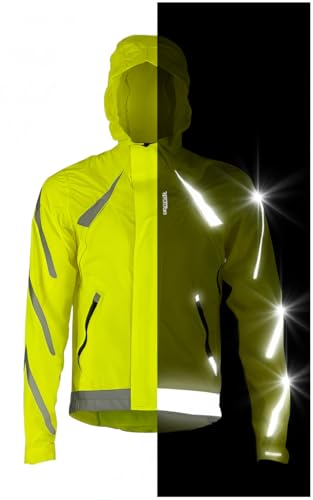
ReflecToes Hi-Vis Reflective Cycling Rain Jacket | Waterproof & Breathable Shell with 360° Visibility | Packable, Lightweight for Commuting, Running, E-Bike | Fluorescent Yellow (Medium)
360° RETROREFLECTIVE VISIBILITY – NOT JUST A SAMLL REFLECTIVE LOGO: Most cycling jackets add a reflective logo and…
As an affiliate, we earn on qualifying purchases.
As an affiliate, we earn on qualifying purchases.
Conclusion
Riding in the rain may feel like steering a maze of mist and puddles, but with the right mindset and skills, you can stay confident and safe. Embrace the challenge as an opportunity to sharpen your riding abilities, just like a sword being forged in fire. Remember, every drop of rain is a lesson in resilience. Stay calm, stay prepared, and let your confidence shine through the storm. You’re more capable than you realize.
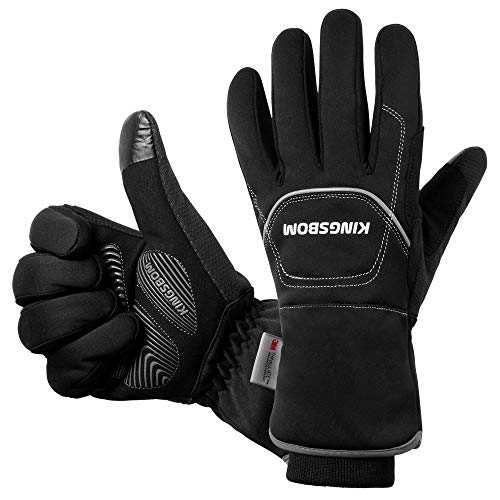
KINGSBOM -40F° Waterproof & Windproof Thermal Gloves – 3M Thinsulate Winter Touch Screen Warm Gloves – for Cycling,Riding,Running,Outdoor Sports – for Women and Men(Black,Large)
HARD-WEARING , STYLISH & UNISEX: KINGSBOM winter thermal screen-touchable gloves are perfect for both men and women on…
As an affiliate, we earn on qualifying purchases.
As an affiliate, we earn on qualifying purchases.

Nelson-Rigg unisex adult Motorcycle Nelson Rigg WPRB 100 04 XL Waterproof Rain Boot Covers Black X Large , Black, X-Large US
Wear over your shoes or boots to keep them dry during rainfalls
As an affiliate, we earn on qualifying purchases.
As an affiliate, we earn on qualifying purchases.