To build better riding habits in 30 days, set clear goals like improving technique, endurance, or safety. Practice consistently, even with short rides, and focus on safety by wearing gear and following traffic rules. Refine your technique with drills and maintain relaxed control. Track your progress using journals or apps, celebrate small wins, and seek feedback. Stay mindful and aware of your environment to ride responsibly. Keep going, and you’ll discover even more ways to improve your skills.

Get sports gear delivered free with Prime
- Fast, free delivery on millions of items
- Prime Video, Amazon Music and more included
- Member-only deals all year
Key Takeaways
- Set specific, achievable goals for endurance, technique, and safety to guide daily practice.
- Incorporate safety checks and gear use into every ride to build consistent safety habits.
- Practice core riding techniques like smooth gear changes and controlled braking regularly.
- Track progress with journals or apps, celebrating milestones and adjusting routines as needed.
- Cultivate mindfulness and environmental awareness to enhance focus and responsible riding behavior.
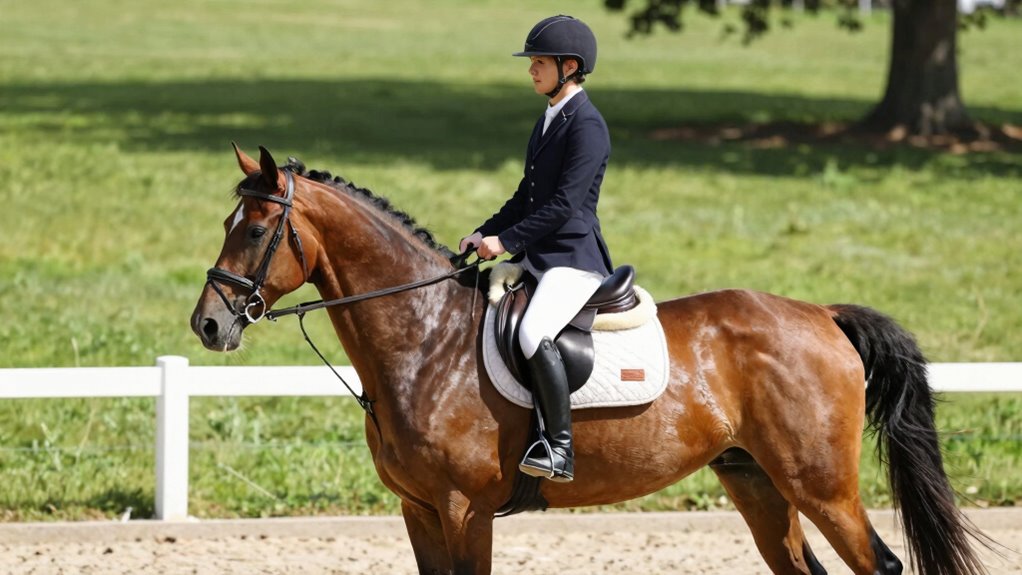
Have you ever wondered how small changes in your riding routine can lead to big improvements? Building better riding habits isn’t about overhaul overnight but about making consistent, intentional adjustments over time. In just 30 days, you can develop safer, more efficient cycling habits that enhance your confidence and enjoyment. The key lies in focusing on cycling safety and refining your riding techniques. These elements form the foundation for sustained progress and help you ride more responsibly and comfortably.
Start by setting clear goals for your riding practice. Whether you want to improve your endurance, perfect your technique, or simply feel safer on the road, defining what you want to achieve helps you stay motivated. Once your goals are in place, establish a routine that emphasizes daily or weekly practice. Consistency is crucial; even short rides can make a significant difference if done regularly. During these rides, pay close attention to your cycling safety—wear your helmet, use lights if riding in low visibility, and follow traffic rules. Making safety a priority helps ingrain responsible riding habits naturally. Cycling safety is essential for building trust in your riding abilities and ensuring a longer, healthier cycling experience.
Refining your riding techniques is equally essential. Focus on your body position, hand placement, and pedal stroke. Maintain a relaxed grip on the handlebars, keep your elbows slightly bent, and stay centered on the saddle. These adjustments improve bike control and comfort. Practice smooth gear changes and braking, which enhances safety by preventing sudden stops or loss of control. Incorporate drills like slow riding, tight turns, and quick stops into your routine. These exercises boost your confidence and develop muscle memory, making safer decisions effortless on busy roads or challenging terrains. Additionally, understanding the importance of biodiversity in our environment can remind you of the broader impact of responsible riding and conservation efforts. Paying attention to environmental awareness can help you develop a more mindful approach to cycling and outdoor activity.
Track your progress to reinforce your new habits. Keep a riding journal or use a cycling app to note what works and what needs improvement. Celebrate small victories, such as reducing your stopping distance or maintaining a steady cadence. This positive reinforcement motivates you to stick with your routine. Additionally, seek feedback from experienced riders or a cycling coach if possible. They can offer valuable tips on refining your technique and ensuring you’re practicing cycling safety correctly.
Finally, stay mindful of your mental state and environment. Stay alert, avoid distractions, and respect other road users. Developing awareness during each ride helps you anticipate hazards and respond proactively. Over the course of 30 days, these small, deliberate adjustments will become second nature. You’ll find yourself riding more confidently, safely, and with better technique. The effort may seem simple at first, but the cumulative effect transforms your cycling experience into a safer and more enjoyable journey.
Products Worth Considering

TheraGun Therabody Relief Massage Gun

Garmin ECHOMAP UHD2 64sv Chartplotter/Fishfinder Combo with US Coastal Maps (No Transducer)

Garmin HRM 600 Heart Rate Monitor
As an affiliate, we earn on qualifying purchases.
Frequently Asked Questions
How Do I Stay Motivated During Bad Weather?
To stay motivated during bad weather, focus on building weather resilience. Remind yourself of your goals and the progress you’ve made. When outdoor riding isn’t an option, explore indoor alternatives like stationary biking or indoor riding simulators to keep your momentum. Embrace the challenge, and remember, consistency matters more than perfect weather. This mindset helps you stay committed, even when Mother Nature tries to throw you off track.
What Gear Is Essential for Consistent Riding?
You need essential cycling accessories like a reliable helmet, reflective gear, and lights for riding safety. Invest in moisture-wicking clothing to stay comfortable, and consider padded gloves for grip and comfort. A sturdy lock keeps your bike secure, and a repair kit guarantees you’re prepared for any mishaps. These items are your armor for consistent riding, making every ride safer, more enjoyable, and nearly as thrilling as crossing the finish line of a marathon.
How Can I Track My Riding Progress Effectively?
To track your riding progress effectively, start with progress journaling—write down each ride, noting distance, duration, and what you learned. Set clear goals and review them weekly to stay motivated. Use a riding app or calendar to log your sessions, and reflect on improvements over time. Regularly updating your journal and revisiting your goals helps you see progress clearly and keeps you focused on building better riding habits.
How Do I Prevent Injuries From Overtraining?
Think of your body as a finely tuned engine—pushing too hard risks overheating and damage. To prevent injuries from overtraining, prioritize rest and recovery, allowing your muscles to rebuild stronger. Fuel your progress with proper nutrition, giving your body the tools it needs to heal and grow. Listen to your body’s signals, and don’t ignore the warning signs; consistency with rest keeps your ride smooth and safe.
What’s the Best Way to Balance Riding With Other Commitments?
To balance riding with other commitments, you should focus on time management and priority setting. Schedule specific riding sessions during your free time and treat them like essential appointments. Evaluate your daily tasks and prioritize activities that align with your goals. By creating a balanced schedule, you guarantee consistent riding without neglecting other responsibilities, making it easier to build better habits and enjoy your riding journey.
Conclusion
By dedicating just 30 days to refining your riding habits, you’re shaping a journey that blossoms like a well-tended garden. Consistency and mindful practice act as the gentle rain and sunshine, nurturing progress with each ride. Remember, every small step is a building block toward mastery. Stay patient, keep your focus sharp, and watch as your riding skills flourish, transforming your passion into a confident, smooth-sailing adventure that’s as natural as breathing.