
When choosing a cargo bike, consider safety gear like helmets and lights to stay visible and protected. Think about storage options such as front boxes or rear racks that suit your cargo type and volume. Manage loads carefully by distributing weight evenly and securing items tightly. Pick a bike size and design that fits your space and daily needs, including foldable options if storage is limited. To learn more about making your cargo biking practical and safe, keep exploring key features and tips.
Key Takeaways
- Assess your typical cargo, passengers, and space needs to choose appropriate bike size and configuration.
- Prioritize safety gear like helmets, lights, and reflective clothing for secure riding.
- Ensure proper load management by evenly distributing weight and securing items tightly.
- Select storage solutions such as front boxes, baskets, or waterproof compartments suited to your cargo.
- Consider bike design features like maneuverability, foldability, and parking space requirements.
Cargo bikes are versatile and eco-friendly transportation options that are gaining popularity around the world. They’re perfect for hauling groceries, kids, or even larger items, making them a practical alternative to cars. But before you jump into using one regularly, it’s important to consider safety gear and storage solutions to ensure a smooth and secure ride. Safety should always come first, especially when carrying heavy loads or multiple passengers. Wearing the right safety gear, such as a helmet, reflective clothing, and gloves, helps protect you in case of falls or accidents. High-visibility gear is especially important if you plan to ride in busy traffic or during low-light conditions. Additionally, consider installing lights on your bike—front and rear—to enhance visibility. Good safety habits will give you peace of mind and help you enjoy your cargo biking experience without unnecessary risks.
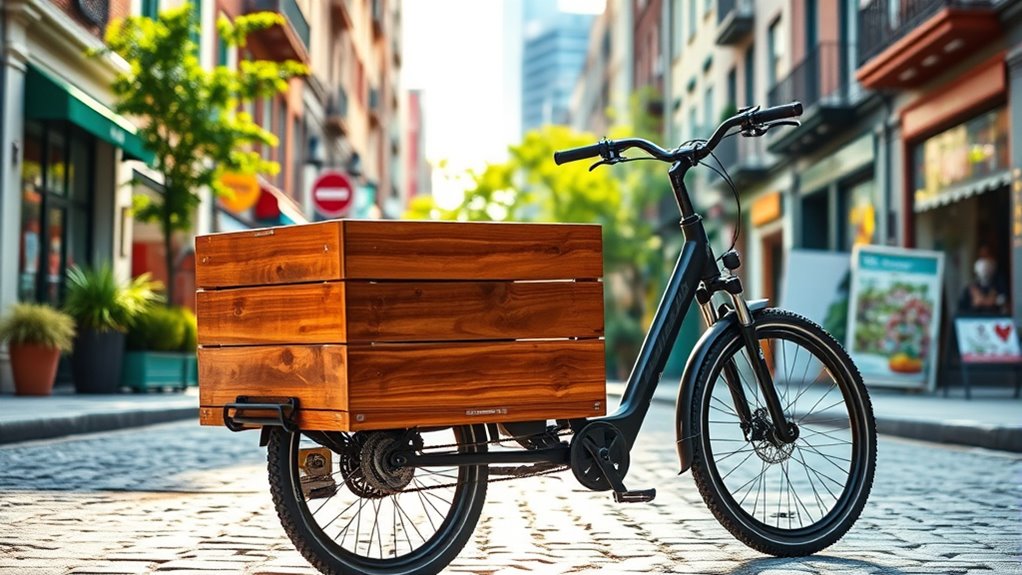
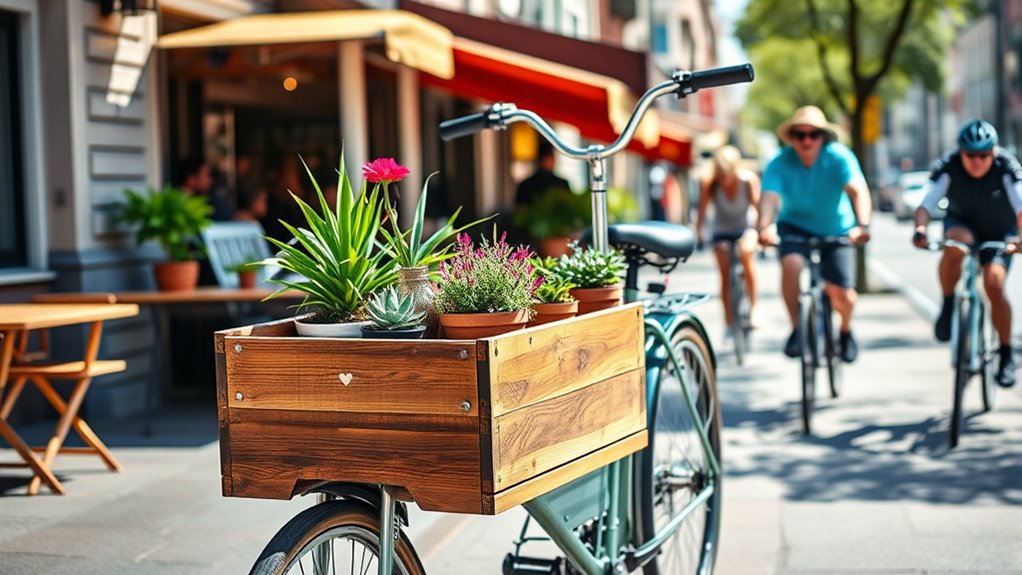
Alongside safety gear, storage solutions are a key factor in choosing the right cargo bike for your needs. Cargo bikes come with various configurations, from front-loading boxes to rear racks and extended baskets. Think about what you’ll carry most often: groceries, children, tools, or larger items? This will influence the type of storage setup you need. If you’re transporting children, look for bikes with secure, child-friendly seats and protective barriers. For heavier or bulkier loads, a sturdy front or rear rack with locking mechanisms provides stability and security. Some cargo bikes also come with built-in compartments or waterproof containers, which are excellent for keeping your items dry and protected from the elements. Proper storage solutions not only keep your cargo safe and organized but also improve your riding comfort. When loading your cargo bike, distribute weight evenly to maintain balance and control. Overloading or uneven loads can cause instability, making the ride unsafe. Use straps or bungee cords to secure items tightly, preventing them from shifting during transit. Remember, the right storage setup can make all the difference in how easily and safely you handle your cargo. Additionally, practicing space maximization techniques, such as vertical storage and multi-functional furniture, can help you make the most of limited space on your cargo bike and during your rides.
In addition to safety gear and storage options, think about the size and design of the cargo bike that best fits your lifestyle. Smaller models are easier to maneuver in tight spaces, while larger ones offer more capacity but require more space for parking and storage. Think about where you’ll keep your cargo bike when not in use—if space is limited, a foldable or compact model might be the best choice. Ultimately, choosing a cargo bike that aligns with your daily needs, safety considerations, and storage requirements will make your journeys more enjoyable and practical. By prioritizing safety gear and effective storage solutions, you’ll be well on your way to making your cargo bike a reliable and enjoyable part of your daily routine.
Frequently Asked Questions
Are Cargo Bikes Suitable for All Terrains?
Cargo bikes aren’t suitable for all terrains, especially rough off-road paths. While they excel on smooth urban surfaces, their terrain versatility drops on uneven or rugged terrain. If you need off-road capabilities, look for models with sturdy tires, strong suspension, and enhanced stability. Keep in mind that not all cargo bikes are designed for challenging terrains, so choose one that matches your specific riding conditions for the best experience.
What Is the Average Lifespan of a Cargo Bike?
A cargo bike’s lifespan is like a sturdy oak tree, often standing strong for 5 to 10 years or more. With proper care, your bike frame and load capacity remain reliable, even after years of heavy use. Regular maintenance keeps its heart beating strong, ensuring your cargo bike continues to serve you well. Invest in quality, and it’ll be your trusty companion through countless journeys ahead.
How Do I Maintain and Service My Cargo Bike?
To keep your cargo bike in top shape, regularly check and tighten bike accessories and components. Clean the frame and drivetrain to prevent dirt buildup. Inspect tires for wear and proper inflation. Use appropriate storage solutions to protect your bike from the elements when not in use. Schedule professional servicing annually or as needed, especially for brakes and gears, to guarantee safety and longevity. Proper maintenance keeps your cargo bike reliable for years.
Can Cargo Bikes Be Used for Long-Distance Travel?
Yes, you can use a cargo bike for long-distance travel, but it’s like packing a Swiss Army knife—you’ll need the right gear. Check your cargo bike range to verify it meets your travel distance, and consider adding long-distance accessories like extra lights, a comfortable seat, and panniers. Planning your route and carrying essential repairs will keep your journey smooth, making your cargo bike a trusty companion on longer adventures.
Are There Insurance Options for Cargo Bikes?
Yes, you can find insurance coverage for cargo bikes. Many policy options exist, including specialized bike insurance and add-ons through your existing homeowner’s or renter’s policy. You should compare different providers to find the best coverage for theft, damage, or liability. Always read the fine print to understand what’s included and guarantee your cargo bike is adequately protected for your long-distance trips or daily use.
Conclusion
When choosing a cargo bike, consider your cargo size, terrain, and budget. For example, a parent using a cargo bike to transport kids and groceries might find an electric model perfect for hills and heavy loads. Think about how you’ll use it daily, and pick a bike that fits your lifestyle. Investing in the right cargo bike can make your errands easier, greener, and more fun—so choose thoughtfully and enjoy the ride ahead.