
To choose better ride times for your lifestyle, start by understanding peak traffic hours, which usually occur early mornings and late afternoons on weekdays. Opt for off-peak times like mid-mornings or mid-afternoons when traffic is lighter, and roads are quieter. Use real-time traffic updates and navigation apps to adjust your schedule based on seasonal and event-based changes. Focusing on these strategies helps make your rides faster, safer, and more enjoyable—if you keep exploring, you’ll find even more tips to optimize your trips.

Get sports gear delivered free — and shop member deals
- Fast, free delivery on millions of items
- Access to Prime Big Deal Days deals on October 6–7
- Prime Video, Amazon Music and more included
Key Takeaways
- Monitor local traffic reports and navigation apps to identify off-peak hours with less congestion.
- Schedule rides during early mornings or late evenings for safer, less crowded, and smoother trips.
- Avoid peak hours by planning around rush times, especially on weekdays and during seasonal traffic surges.
- Consider your personal routine and preferences to pick times that align with lighter traffic and your lifestyle.
- Stay aware of special events or seasonal shifts that may impact traffic patterns and adjust your riding schedule accordingly.
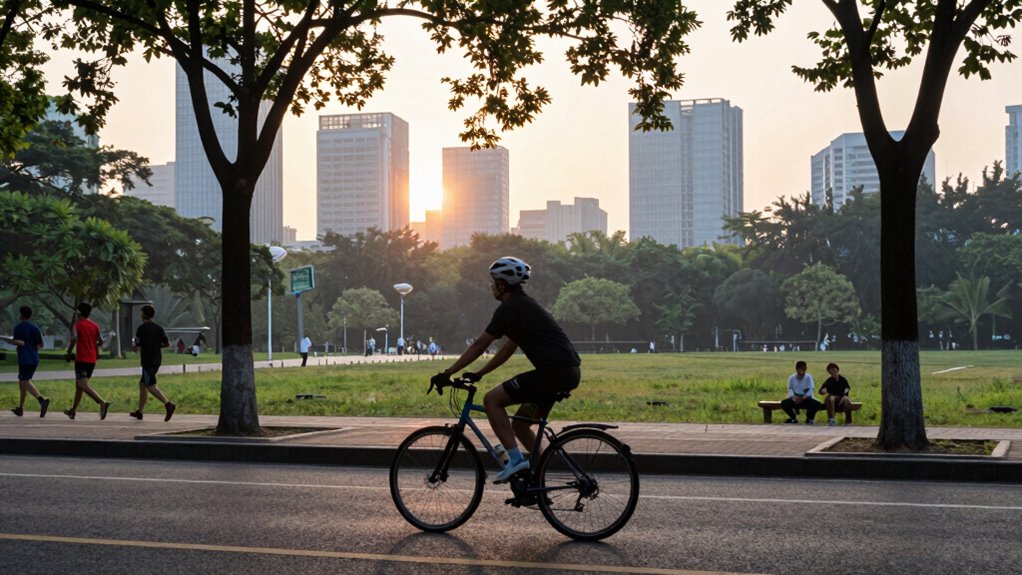
Finding the right time to ride can make a big difference in your experience. When you plan your trips around less congested periods, you avoid the frustration of heavy traffic and enjoy a smoother, more efficient ride. Peak hours—those busy times when most people hit the roads—typically occur early mornings and late afternoons, especially on weekdays. During these times, traffic patterns shift, and roads become crowded with commuters heading to and from work or school. Riding during these periods often means spending more time stuck in traffic, which can drain your patience and increase your stress levels. To make your rides more enjoyable, try to identify and avoid these peak hours whenever possible. Understanding traffic patterns in your area can help you pinpoint the best times to ride. For example, some cities experience predictable traffic surges during lunchtime or early evenings, while others might have more sporadic congestion. Keep an eye on local traffic reports or use navigation apps that provide real-time updates on congestion levels. These tools can help you plan routes that bypass heavy traffic or suggest alternative times when roads are clearer. By aligning your riding schedule with traffic patterns, you can save time and reduce the wear and tear on your vehicle, all while enjoying a safer, more relaxed ride. If your schedule allows, consider shifting your riding times to early mornings or later in the evening, when traffic tends to thin out. Riding during these off-peak hours often results in faster trips and less stress. Plus, early mornings can offer quieter streets and a peaceful start to your day, while late evenings can provide a calm, wind-down experience. However, you should also be mindful of safety—riding in low-light conditions requires extra caution, and some areas may be less populated after dark, which could impact your sense of security. Being aware of traffic flow can help you anticipate and avoid unexpected delays. Additionally, understanding how traffic patterns shift during different seasons or special events can further optimize your riding schedule. Seasonal traffic variations can significantly influence congestion levels, so adjusting your plans accordingly can be beneficial. It’s also helpful to consider seasonal variations and how they influence congestion, as this knowledge allows you to plan more effectively. On weekends or days off, you might find that traffic is lighter during mid-mornings or mid-afternoons. These windows often strike a good balance between avoiding peak traffic and still having the flexibility to enjoy your ride. Ultimately, the key is to listen to your own schedule and preferences while paying attention to local traffic trends. By choosing ride times that align with lighter traffic patterns, you’ll not only make your trips more efficient but also turn riding into a more pleasant part of your daily routine.
real-time traffic navigation app
As an affiliate, we earn on qualifying purchases.
As an affiliate, we earn on qualifying purchases.
Frequently Asked Questions
How Can I Adjust My Ride Times Seasonally?
You can adjust your ride times seasonally by paying attention to seasonal sunlight and temperature fluctuations. During sunnier months, plan rides earlier or later to avoid midday heat. In colder seasons, opt for rides during warmer parts of the day, like late morning or early afternoon. This way, you stay comfortable and safe, making sure your rides match the changing daylight and temperature patterns throughout the year.
What Tools Can Help Predict Optimal Ride Times?
Think of ride prediction apps as your personal weather forecast for cycling, helping you dodge the storm of busy hours. These tools, powered by scheduling algorithms, analyze traffic patterns and rider data to forecast ideal times. By using ride prediction apps, you can plan your rides during quieter periods, ensuring smoother, more enjoyable trips. Trust these digital compasses to navigate the best times, transforming your cycling experience into a breeze.
How Do I Balance Ride Times With Family Commitments?
You should prioritize family commitments and plan your ride times around them. Use effective time management to carve out windows that don’t conflict with family priorities. Communicate your schedule clearly with family members and consider flexible ride options during less busy times. Balancing ride times with family life requires intentional planning, so stay adaptable and respectful of everyone’s needs to maintain harmony and make the most of your shared time.
Can Weather Affect My Ideal Ride Schedule?
Weather definitely affects your ideal ride schedule. Rain, wind, or extreme temperatures can compromise cycling safety, making rides less enjoyable or even risky. You might need to adjust your plans or carry proper ride gear, like waterproof jackets or wind-resistant clothing, to stay comfortable and safe. Monitoring weather conditions helps you choose better ride times, ensuring you stay protected and enjoy your cycling without weather-related worries.
How Do I Handle Unexpected Schedule Changes?
When unexpected schedule changes hit like a sudden storm, you adapt with flexible planning and emergency preparedness. Imagine your ride schedule as a river that flows around obstacles, not against them. You shift your course, adjusting ride times or routes quickly. Keep a backup plan ready, so you’re not caught off guard. Staying flexible and prepared makes sure you stay afloat, no matter how turbulent the day gets.
Conclusion
By tuning into your daily rhythm, you become the captain of your own ship, steering through the currents of busy schedules and quiet moments alike. Picking the right ride times isn’t just a routine—it’s your secret map to smoother travels and brighter days. When you align your rides with your life’s tempo, every trip becomes a melody, harmonizing seamlessly with your lifestyle. So, set your course wisely—your journey’s symphony depends on it.
Fall Picks
fall essentials
As an affiliate, we earn on qualifying purchases.