To build confidence riding alone, start with familiar routes and gradually explore new paths to boost your skills. Wear safety gear and check your bike before each ride to feel secure. Join group rides occasionally to learn from others and foster a sense of community. Plan safe, low-traffic routes and carry essentials like water and tools. Focus on patience and celebrate small wins, knowing that continued practice will make you more comfortable and self-reliant on the road.

Get sports gear delivered free with Prime
- Fast, free delivery on millions of items
- Prime Video, Amazon Music and more included
- Member-only deals all year
Key Takeaways
- Start with familiar routes and gradually explore new paths to build comfort and trust in your riding skills.
- Join group rides occasionally to learn from others and gain reassurance in different situations.
- Prioritize safety by wearing proper gear, checking your bike, and planning well-lit, low-traffic routes.
- Learn basic bike maintenance and emergency procedures to increase self-reliance and reduce anxiety.
- Maintain a positive mindset, celebrate small achievements, and practice patience to foster continuous confidence growth.
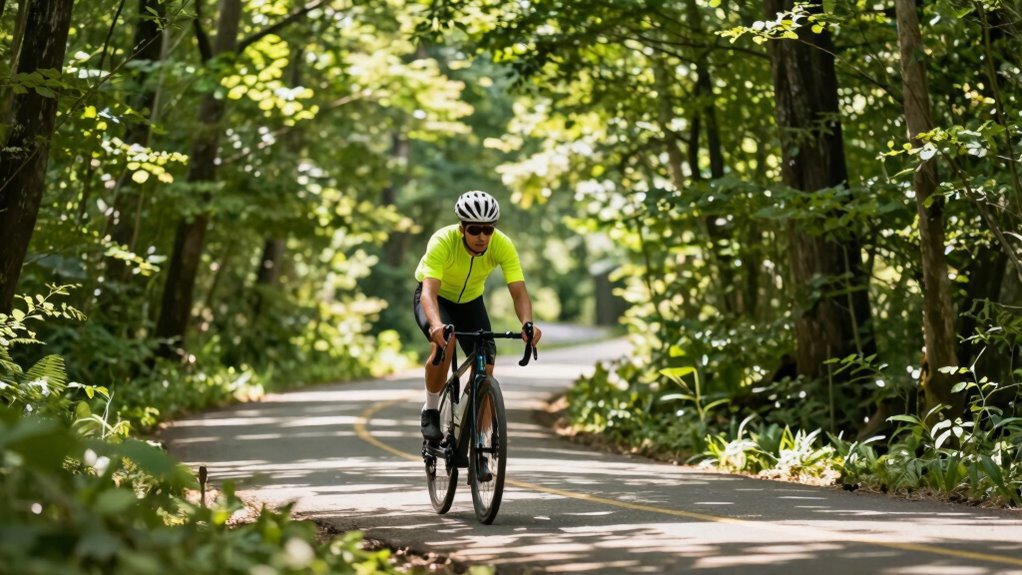
Riding alone can feel intimidating at first, but building confidence is a gradual process that anyone can master. The more you push yourself to ride solo, the more you’ll realize how empowering it can be. One way to ease into this is by participating in group rides whenever possible. Group rides help you learn from others, pick up new techniques, and build a sense of community that boosts your confidence. Even if you prefer to ride alone most of the time, joining a group ride occasionally can remind you that you’re capable of handling different situations and increase your comfort level on your own. Developing biodiversity awareness and understanding how to coexist with natural environments can also enhance your outdoor riding experience, making you more confident in various terrains. Incorporating space-saving solutions for your gear setup can help streamline your preparation and reduce stress before rides. Safety gear plays an essential role in helping you feel secure when riding solo. Wearing a well-fitting helmet, gloves, and reflective clothing can give you peace of mind, knowing you’re protected in case of an accident. When you’re confident that you’re well-equipped, you’re less likely to feel anxious about unexpected events. Make it a habit to check your safety gear before every ride. This simple routine guarantees you’re prepared and can help build your trust in your ability to handle any challenges that come your way. Starting with familiar routes that you know well can also build your confidence, especially if you’re just beginning to ride alone. Familiarity breeds confidence, especially if you’re just beginning to ride alone. As you get more comfortable, gradually explore new paths or longer distances. Don’t rush this process—take small steps and celebrate each achievement. Keep a riding journal to track your progress and note how you feel during each ride. Over time, you’ll notice your confidence growing as you see yourself handling different terrains and situations with ease. Preparing for your ride can also make a significant difference. Check your bike beforehand to guarantee everything is in good working order. Plan your routes to include safe, well-lit areas and avoid high-traffic zones initially. Carry essentials like water, a phone, and a small repair kit. Knowing you’re prepared for any situation helps you stay calm and focused, reinforcing your confidence. Additionally, understanding bike maintenance basics can help you troubleshoot minor issues independently, further boosting your self-reliance. Building awareness of emergency preparedness and knowing how to respond in unexpected situations can also enhance your confidence when riding alone. Remember that setbacks are part of the learning process. If you encounter a challenging moment, don’t get discouraged. Take a deep breath, adjust your approach if needed, and remind yourself of your progress so far. The more you practice riding alone, the more natural it will become. With patience, preparation, and a focus on safety, your confidence will steadily grow, making solo rides enjoyable and rewarding.
As an affiliate, we earn on qualifying purchases.
Frequently Asked Questions
How Can I Stay Safe During Solo Rides?
To stay safe during solo rides, plan your route and share it with someone you trust. Follow proper riding etiquette, like signaling your intentions clearly and staying alert. While group riding offers safety in numbers, riding alone means you need to be extra cautious, obey traffic laws, and carry essentials like a phone, ID, and repair kit. Stay aware of your surroundings and trust your instincts to avoid hazards.
What Gear Is Essential for Confident Solo Riding?
The essential gear for confident solo riding includes a well-fitted helmet, protective gloves, and body armor, ensuring safety in case of falls. You should also carry reflective clothing and lights for visibility. Practice riding techniques like smooth braking and controlled turns to boost your confidence. Staying prepared with the right gear not only keeps you safe but also encourages you to ride more confidently alone.
How Do I Handle Emergencies Alone on the Road?
When an emergency strikes on the road, stay calm like a steady river. Keep emergency preparedness in mind—carry a basic first aid kit, tools, and a charged communication device. Use your phone or Bluetooth to call for help or inform someone about your location. Trust your skills, stay visible, and remember, staying composed helps you navigate the situation until assistance arrives. Confidence grows through preparedness and clear communication.
What Routes Are Best for Beginner Solo Riders?
For beginner solo riders, start with easy, well-maintained routes that you’re comfortable maneuvering. Route planning is key—choose scenic routes that aren’t too challenging but still enjoyable, helping you build confidence. Look for local parks, designated bike paths, or quiet country roads. These options allow you to focus on riding without feeling overwhelmed. As you gain experience, gradually explore busier routes to expand your skills safely.
How Can I Overcome Fear of Riding Alone?
You might find it surprising how a simple coincidence—like spotting a fellow rider on your route—can boost your confidence. To overcome fear, focus on honing your riding techniques and mental preparedness. Practice gradually, starting with short, familiar routes, and visualize positive outcomes. As you build skills and mental resilience, you’ll feel more comfortable riding alone, turning your initial fears into confidence and independence on the road.
Conclusion
Remember, practice makes perfect, and each ride builds your confidence. Embrace the journey, even when it feels challenging, because every step forward is a step toward independence. Trust in your skills, stay patient, and keep pushing your limits. As the saying goes, “The journey of a thousand miles begins with a single step.” With time and persistence, you’ll find yourself riding alone with confidence and joy.
Fall Picks
fall essentials
As an affiliate, we earn on qualifying purchases.