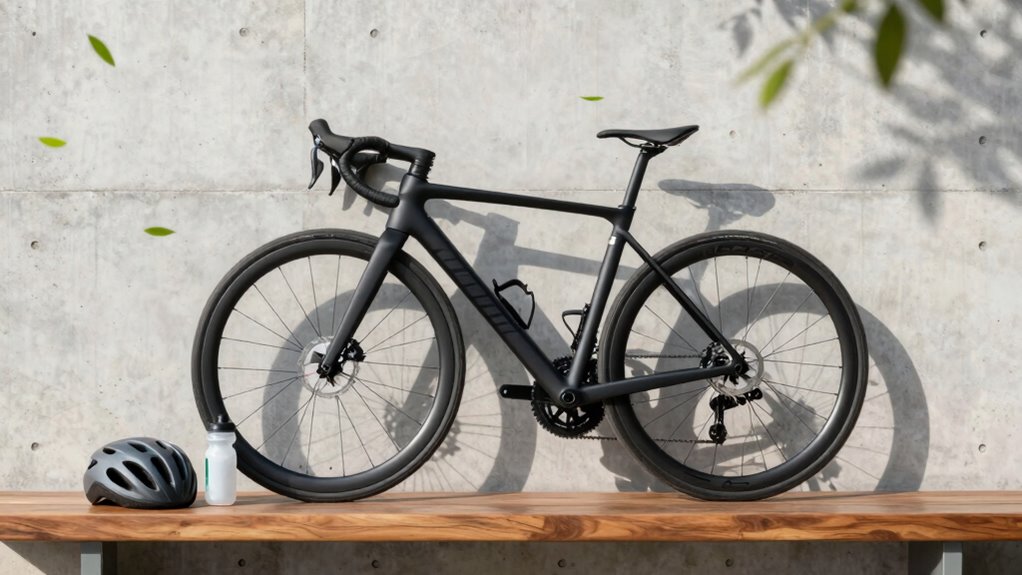
To build a minimalist cycling routine, focus on comfortable, well-fitting gear and a reliable helmet for safety, keeping your equipment simple and easy to maintain. Ride 2-3 times a week with short, intense sessions like intervals or hill repeats in varied terrains to stay engaged. Prioritize hydration and basic nutrition, avoiding overcomplicating your plan. Develop a mindful, consistent habit that emphasizes fun and progress—staying flexible and environmentally aware along the way. If you continue, you’ll discover how to fine-tune your experience effortlessly.

Get sports gear delivered free — and shop member deals
- Fast, free delivery on millions of items
- Access to Prime Big Deal Days deals on October 6–7
- Prime Video, Amazon Music and more included
Key Takeaways
- Focus on 2-3 high-quality rides per week, emphasizing intensity and variation over volume.
- Use simple, comfortable gear prioritized for safety and ease of maintenance.
- Keep nutrition and hydration straightforward, with basic, effective snacks and water.
- Incorporate natural routes and environmental awareness to enhance enjoyment and mindfulness.
- Maintain consistency and listen to your body, avoiding overcomplication for sustainable progress.

If you’re looking to improve your cycling without overwhelming yourself with complex routines, building a minimalist cycling routine is the way to go. Focus on simplicity and consistency, which means selecting a few key elements that deliver the best results without unnecessary complexity. Your cycling gear should be straightforward—think comfortable, well-fitting clothing, a reliable helmet, and a good pair of gloves. You don’t need the latest high-tech gadgets; instead, choose gear that keeps you safe and comfortable. This approach helps you stay motivated without feeling bogged down by excessive equipment. As for workout nutrition, keep it simple but effective. Prioritize hydration and balanced snacks that fuel your rides without requiring elaborate plans. Whether it’s a banana, energy bar, or a water bottle, make sure your nutrition supports your activity level. The goal is to keep your body nourished without overthinking every meal or supplement.
When designing your routine, focus on quality over quantity. Instead of trying to squeeze in long rides every day, opt for shorter, more intense sessions that challenge you and fit easily into your schedule. For example, two or three rides per week, each lasting about 45 minutes to an hour, can be highly effective if you include some interval training or hill repeats. This way, you build strength and endurance without feeling overwhelmed. Keep your rides varied enough to stay engaged but simple enough to avoid overcomplication. Incorporating different routes or terrains can keep things interesting without adding extra gear or planning. Additionally, understanding the importance of biodiversity in your local environment can motivate you to appreciate and protect the natural spaces you ride through. Recognizing the impact of your activity on the environment can also encourage more mindful cycling habits. Developing a cycling-specific stretching routine can help prevent common injuries and improve flexibility. Remember, the key to a successful minimalist routine is consistency. Don’t overthink the details—just get on your bike regularly and enjoy the process. When it comes to workout nutrition, listen to your body’s signals. Eat enough to sustain your rides but avoid obsessing over every calorie or supplement. Incorporating cyclical training can enhance your performance and prevent burnout. Keep your cycling gear simple, comfortable, and functional, and focus on enjoying each ride. By adopting this minimalist approach, you’ll find that progress comes naturally, and cycling remains fun rather than a chore.
As an affiliate, we earn on qualifying purchases.
Frequently Asked Questions
How Do I Stay Motivated With Fewer Rides?
To stay motivated with fewer rides, focus on consistency and habit formation. You’ll build motivation by making cycling a regular part of your routine, even if it’s just once or twice a week. Set small, achievable goals and track your progress to reinforce your habits. Remember, consistency creates momentum, so prioritize quality over quantity. Over time, these habits will boost your motivation, making each ride feel more rewarding and easier to stick to.
What’s the Best Time of Day for Minimalist Cycling?
Morning might be the most motivating moment for minimalist cycling, fueling your day with fresh energy. The peaceful, pre-dawn quiet helps you focus and start strong. Alternatively, evening offers excellent ease for recovery, winding down from the day’s demands. Both times work well, but choose the one that fits your flow best. Prioritize consistency, and you’ll find cycling becomes a seamless, satisfying part of your daily rhythm.
How Can I Track Progress Without Extensive Gear?
You can track your progress easily with cycling apps and progress journaling. Use cycling apps to log your rides, distance, and speed without any extra gear. Regularly update a simple journal with notes on how you felt and improvements over time. Combining these methods helps you see your growth, adjust your routine, and stay motivated, all without clutter or expensive equipment.
Are Minimalist Routines Suitable for Competitive Cyclists?
Minimalist routines can work for competitive cyclists if you prioritize training consistency and equipment simplicity. They encourage focused workouts, helping you avoid distractions and optimize your performance. By sticking to essential gear and maintaining a disciplined schedule, you can improve strength, endurance, and speed. However, it’s important to adapt minimalist principles carefully, ensuring you still meet the specific demands of competitive cycling without compromising your training quality or goals.
How Do I Prevent Injuries With Fewer Rides?
Think of your cycling journey as a delicate dance; each move counts. To prevent injuries with fewer rides, prioritize cycling safety by warming up thoroughly and listening to your body’s signals. Focus on proper technique, ride within your limits, and incorporate strength training to build resilience. Regularly check your bike for safety, and don protective gear. These steps act as your shield, keeping injuries at bay while you enjoy your minimalist routine.
Conclusion
By streamlining your cycling routine, you open a new level of focus and efficiency—one that challenges your limits and reveals hidden potential. As you embrace this minimalist approach, you’ll find yourself pushing further with less, uncovering secrets in every ride. But remember, the true journey begins when you least expect it. Are you ready to see just how far simplicity can take you? The next ride might be the one that changes everything.
NFL season / tailgating Picks
team gear
As an affiliate, we earn on qualifying purchases.