

More people are choosing bikes over cars for short trips because cities are investing in bike-friendly infrastructure like dedicated lanes and sharing stations, making cycling safer and more convenient. Growing environmental awareness encourages you to reduce emissions and pollution by biking instead of driving. Plus, cycling supports healthier lifestyles and helps manage traffic and parking challenges. If you want to discover how urban planning is shaping this shift and what it means for you, keep exploring the details.

Get sports gear delivered free — and shop member deals
- Fast, free delivery on millions of items
- Access to Prime Big Deal Days deals on October 6–7
- Prime Video, Amazon Music and more included
Key Takeaways
- Urban planning investments in bike lanes and infrastructure make cycling safer and more accessible for short trips.
- Biking reduces greenhouse gas emissions and air pollution, supporting environmental sustainability.
- Cycling promotes healthier lifestyles and physical activity for urban residents.
- Replacing car trips with bikes decreases traffic congestion and parking demand.
- Cities prioritize sustainable transportation to improve livability and combat climate change.
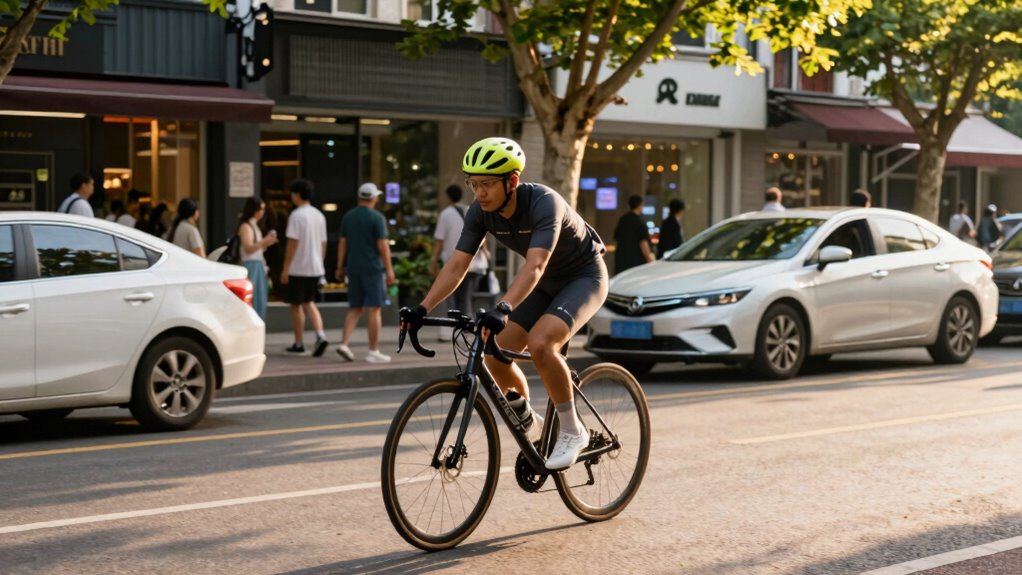
As cities become more bike-friendly and awareness of environmental issues grows, more people are choosing to replace short car trips with bikes. Urban planning plays a crucial role in this shift. City layouts are evolving to include dedicated bike lanes, protected paths, and bike-sharing stations, making cycling safer and more accessible. When urban planners prioritize bike infrastructure, they not only improve safety but also encourage a cultural shift toward active transportation. As a result, you find it easier to hop on a bike for errands, commuting, or quick trips around town. This transformation in city design aligns with broader goals of reducing traffic congestion and promoting healthier lifestyles. Bike infrastructure is essential in supporting this movement, as it creates a safer environment for cyclists and encourages more people to choose biking over driving.
The environmental impact of replacing car trips with bikes is significant. Cars emit greenhouse gases that contribute to climate change and air pollution, which harm both the planet and public health. By choosing to bike instead of drive, you help cut down on these emissions. Bikes are zero-emission vehicles, and their use helps improve air quality in urban areas. Additionally, biking requires far less energy and resources to produce and maintain compared to cars. This means that every time you opt for a bike, you’re reducing your carbon footprint and helping to conserve finite resources. Cities that promote cycling often see a decline in noise pollution too, making urban environments more livable and less stressful. Urban planning plays a vital role in shaping these positive outcomes, as thoughtful design can significantly boost cycling participation. Moreover, integrating sustainable transportation options into city planning encourages a shift toward more environmentally responsible mobility choices.
Beyond the environmental benefits, replacing short car trips with bikes also impacts urban planning on a practical level. As more people cycle, cities can better manage traffic flow and reduce parking demand. This frees up space previously dedicated to parking lots and roads, allowing for greener parks, pedestrian zones, or expanded public transit options. Your choice to bike influences city policies, encouraging investments in infrastructure that support sustainable transportation. Over time, this creates a cycle of positive change, making cities more livable, less polluted, and more connected.
In short, the shift toward biking for short trips is driven by thoughtful urban planning and a desire to lessen environmental impacts. When you opt for a bike, you’re not just making a personal health choice—you’re contributing to a larger movement that benefits the environment, improves city life, and aligns with sustainable development goals. As cities continue to prioritize bike-friendly initiatives, your role in this transition becomes even more important. Every pedal stroke helps shape a cleaner, healthier, and more efficient urban future.
As an affiliate, we earn on qualifying purchases.
Frequently Asked Questions
How Do Bike-Sharing Programs Influence Short Trip Replacements?
Bike-sharing programs boost short trip replacements by making bikes more accessible and convenient. As urban infrastructure improves and bike-sharing adoption increases, you find it easier to opt for a bike instead of a car for quick trips. These programs reduce the need for parking, lower costs, and promote eco-friendly travel. Overall, they encourage more people like you to choose biking for short distances, easing congestion and supporting sustainable urban development.
What Safety Gear Is Recommended for Short Bike Commutes?
Imagine yourself pedaling down a sunlit street, feeling confident and protected. You should always wear a helmet safety to safeguard your head in case of a fall. Adding reflective gear makes you visible during dawn or dusk, boosting your safety. Consider gloves and lights too. These safety essentials guarantee your short bike commutes are not only enjoyable but also secure, letting you ride with peace of mind every time.
Are Electric Bikes More Effective for Replacing Car Trips?
Yes, electric bikes are more effective for replacing car trips because they make biking easier and faster, especially with features like pedal assist that reduce effort. You benefit from longer rides thanks to improved battery longevity, allowing you to cover more distance without recharging. This makes electric bikes a practical choice for short trips, helping you save money, stay active, and reduce your carbon footprint while enjoying a smooth, efficient ride.
How Do Weather Conditions Impact Biking for Short Distances?
Rain challenges and wind resistance can turn your bike ride into a soggy, gusty ordeal. When the weather’s bad, you’ll find yourself battling puddles and breezes that make pedaling harder and less enjoyable. Your waterproof gear might help, but it won’t stop the rain from turning your ride into a splashy adventure. So, if the skies are threatening, maybe consider that car trip—you know, the one with a roof.
What Are the Environmental Benefits of Replacing Car Trips With Bikes?
Replacing car trips with bikes considerably benefits the environment by reducing urban congestion and improving air quality. When you choose to bike instead of drive, you cut down on emissions that contribute to pollution and climate change. Bikes produce no tailpipe emissions, so your decision helps clear the air and ease traffic jams in busy cities. This simple switch supports cleaner, healthier urban spaces for everyone.
Conclusion
Just like Icarus learned, trusting the familiar can keep us grounded, but sometimes flying closer to the sun—choosing bikes over cars—opens new horizons. Embrace this shift, and you’ll find that small changes can lead to bigger freedom, health, and sustainability. As the road ahead invites you, remember that the journey to a better future begins with a single pedal stroke. So, why not take that leap and see where it leads?
Halloween Picks
halloween
As an affiliate, we earn on qualifying purchases.