When riding after dark, choose well-lit routes and avoid poorly lit areas to stay safe. Plan your path through neighborhoods with good lighting and bike lanes, and steer clear of high-traffic zones. Make sure you wear reflective gear and have front and rear lights on your bike for maximum visibility. Being proactive about route planning and safety gear helps you ride confidently. Hopping over specific tips can help you navigate these choices more easily.
Key Takeaways
- Prioritize routes with ample street lighting and well-maintained bike paths to enhance visibility and safety.
- Use navigation apps to identify safe, well-lit routes and avoid poorly lit or high-traffic areas.
- Choose bike lanes or quieter neighborhoods to reduce interactions with vehicles and increase safety.
- Wear reflective clothing and equip your bike with front and rear lights for maximum visibility.
- Scout routes beforehand to ensure they have flat, smooth terrain and good lighting conditions.
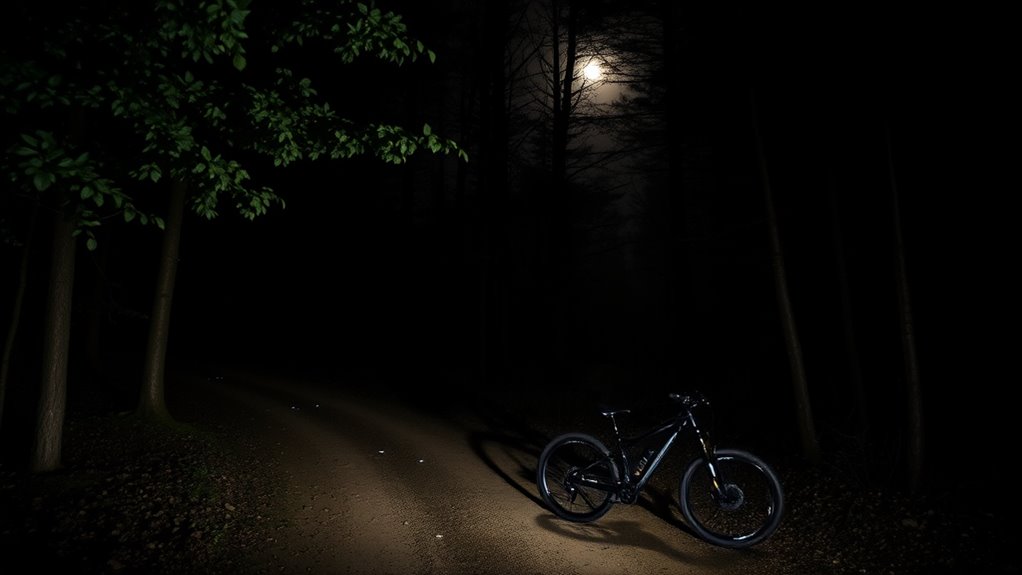
Have you ever wondered what it’s like to ride after dark? If you’re planning a nighttime ride, understanding your route choices is essential for safety and enjoyment. One of the most important factors to consider is nighttime visibility. As the sun sets, your ability to see and be seen diminishes considerably. This means opting for well-lit streets or bike paths with ample illumination is vital. Roads that are poorly lit or surrounded by dense trees can hide hazards like potholes, debris, or even other vehicles, increasing your risk of accidents. Before heading out, take a moment to scout your route or use navigation apps that highlight street lighting and bike-friendly paths. Incorporate this knowledge into your route planning to guarantee you’re riding in areas with good visibility.
Prioritize well-lit routes and scout your path for safety before riding after dark.
Equally important is your safety gear. When riding after dark, your helmet should be equipped with reflective elements or integrated lights that increase your visibility to drivers. Wearing bright or reflective clothing can make a substantial difference, especially when streetlights are sparse. Consider adding front and rear bike lights—steady or flashing—to boost your visibility from all angles. These lights not only help you see the road ahead but also alert others to your presence. Don’t overlook reflective tape on your shoes, helmet, or panniers, which can catch headlights and make you more noticeable. Your safety gear acts as your first line of defense; it’s what keeps you visible and protected when lighting conditions are less than ideal. Additionally, choosing hydrocolloid patches or other reflective accessories can enhance your visibility in low-light conditions, providing an extra layer of safety.
Choosing the right route isn’t just about avoiding poorly lit areas. Think about traffic volume and speed limits, opting for quieter neighborhoods or dedicated bike lanes whenever possible. These routes tend to be safer and less stressful to navigate at night. Also, consider the terrain—flat, smooth roads reduce the risk of accidents caused by uneven surfaces or unexpected obstacles. Planning ahead helps you avoid high-traffic zones or areas with limited lighting, giving you peace of mind as you ride.
Ultimately, riding after dark requires a different approach than daytime riding. By prioritizing routes with good nighttime visibility and equipping yourself with proper safety gear, you set the foundation for a safe and enjoyable experience. Be proactive in your route choices, stay alert, and trust your gear—these steps will help you navigate the night confidently. Remember, a well-planned ride isn’t just about reaching your destination; it’s about enjoying it safely, no matter the hour.
Frequently Asked Questions
What Gear Should I Wear for Night Riding Safety?
You should wear reflective clothing to stay visible, especially in low-light conditions. A helmet with built-in or attached lights enhances safety by illuminating your path and making you more noticeable to others. Consider adding reflective accessories like ankle bands or vests for extra visibility. Always choose bright, high-contrast gear, and verify your lights are functioning properly before heading out. Staying visible and well-lit minimizes risks during night riding.
How Do I Handle Unexpected Obstacles in Low Visibility?
When facing unexpected obstacles in low visibility, stay alert and slow down. Keep an eye out for wildlife encounters and road surface hazards, which are harder to see at night. Use your bike’s lights effectively to illuminate your path and increase your reaction time. If you spot an obstacle, gently brake and steer around it, avoiding sudden movements. Staying calm and attentive helps you respond safely to surprises on the road.
Are There Specific Routes Safer for Night Riding?
Think of night riding as steering a moonlit forest. You should choose routes with well-maintained road surfaces and good lighting conditions, like clearings in the woods. These safer paths help you see hazards early and avoid surprises. Avoid routes with uneven pavement or dim streetlights, as they’re like hidden roots and shadows that can trip you up. Stick to familiar, well-lit roads for a smoother, safer ride after dark.
How Can I Improve My Bike’s Visibility After Dark?
To improve your bike’s visibility after dark, you should wear reflective clothing to catch drivers’ attention and install high-quality bike lighting. Use bright front and rear lights, and consider adding reflective tape or stickers on your bike and gear. Keep your lights charged and functioning properly, and choose gear that’s easily seen from all angles. These steps make you more visible, helping keep you safe during night rides.
What Should I Do in Case of an Emergency at Night?
When night falls like a velvet curtain, you must be prepared for the unexpected. If an emergency strikes, stay calm and activate your bike’s emergency procedures, like signaling and stopping safely. Use roadside assistance if needed, and pull over to a well-lit, safe spot. Keep your phone charged, share your location, and stay visible until help arrives. Your calm, steady approach can turn a dark moment into a manageable one.
Conclusion
As you navigate the shadows of night, remember that choosing the right route keeps you safe and confident. Trust your instincts, stay alert, and don’t be tempted to take shortcuts through the dark forest of indecision. Think of it as your own quest—like Frodo’s journey, every decision matters. So, gear up, stay visible, and embrace the adventure. After all, even in this age of smartphones, a good route choice is your best map through the night.