
To start riding again after years away, begin by reconnecting with your horse through gentle grooming and building trust. Make sure your saddle fits properly and is comfortable for your horse, regularly checking for changes. Rebuild your skills with short, relaxed riding sessions in familiar surroundings, focusing on your horse’s responses. Patience and consistency are key—take small steps and celebrate progress. If you keep at it, you’ll discover techniques that help regain your confidence and bond.

Get sports gear delivered free with Prime
- Fast, free delivery on millions of items
- Prime Video, Amazon Music and more included
- Member-only deals all year
Key Takeaways
- Reconnect with your horse through gentle grooming to rebuild trust and familiarity.
- Assess saddle fit and ensure it’s comfortable for both you and the horse.
- Refresh your knowledge of equine anatomy and riding techniques for safer, confident riding.
- Start with short, relaxed riding sessions in familiar environments to regain skills gradually.
- Practice patience and consistency, celebrating small progress to rebuild confidence and riding ability.
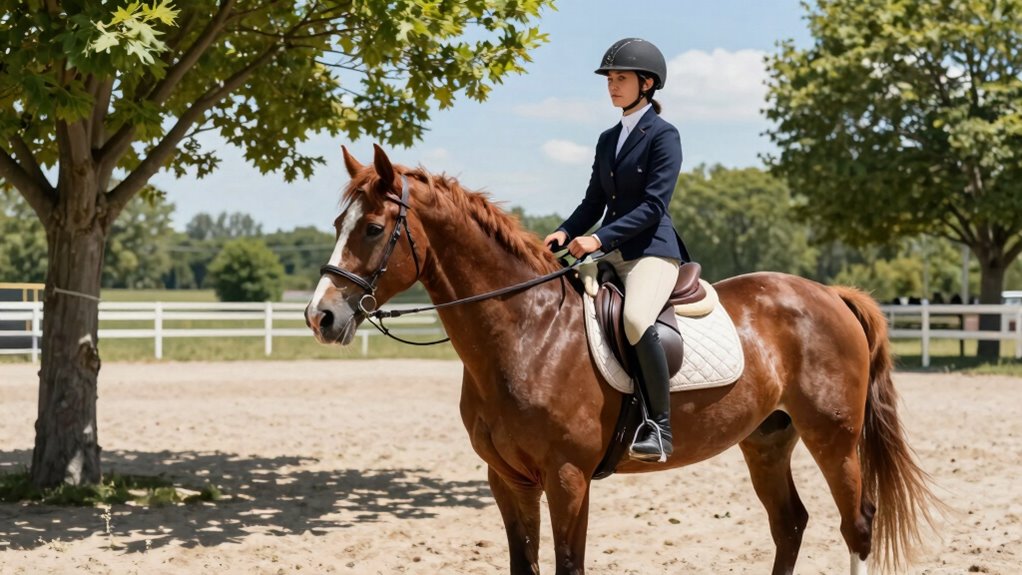
Getting back into riding can feel overwhelming, especially if you’ve been away from your bike or horse for a while. Your muscles may feel unfamiliar, and the rhythm of riding might seem distant. To ease into it, start by reconnecting with your horse through gentle horse grooming. This process isn’t just about cleanliness; it’s a chance to rebuild trust and familiarity. Use a soft brush to remove dirt and loose hair, and take your time inspecting your horse’s legs, hooves, and coat. Grooming helps you become more attuned to your horse’s condition and comfort, which is essential after a break. It also provides a calming routine that can boost your confidence and help you feel more in control. Incorporating regular biodiversity awareness into your riding routine can also enhance your connection with nature and improve your overall riding experience.
Reconnect with your horse through gentle grooming to rebuild trust and comfort after time away.
Once you’re comfortable with grooming, focus on saddle fitting. Even if you’ve ridden for years, saddle fit can change over time due to the horse’s weight, muscle development, or minor health issues. An ill-fitting saddle not only causes discomfort for your horse but can also lead to poor riding posture and potential injuries for both of you. Take the time to have a professional check the saddle fit or learn to assess it yourself. Make sure the saddle sits evenly, doesn’t pinch, and allows freedom of movement for your horse’s shoulders. Proper saddle fit creates a more harmonious partnership, making your rides more enjoyable and less stressful. Paying attention to muscle development and how your horse moves can also help identify subtle signs of discomfort early. Additionally, understanding the importance of horse anatomy can help you better recognize when something might be amiss. It’s also helpful to familiarize yourself with saddle fit assessment techniques to ensure ongoing comfort. Incorporating knowledge about equine physiology can give you a deeper understanding of your horse’s physical needs.
As you ease back into riding, start with short sessions in a safe, familiar environment. Keep your focus on gentle, relaxed riding rather than trying to jump back into intense workouts. Use this time to reconnect with your horse’s responses and to rebuild your confidence. Remember, your body needs time to regain strength and coordination, so don’t push too hard too fast. Incorporate simple exercises that promote balance and control, and listen carefully to your horse’s cues. Regularly check your riding gear and saddle fit to ensure everything remains comfortable and secure, especially as your riding sessions increase in frequency.
Throughout this process, patience is key. Take it slow, celebrate small victories, and stay attentive to your horse’s needs. You’ll find that with consistent effort and a focus on horse grooming and saddle fitting, you’ll gradually rebuild your riding skills and confidence. Before long, you’ll be enjoying the saddle and the connection with your horse as much as you did before your break.
As an affiliate, we earn on qualifying purchases.
Frequently Asked Questions
What Gear Do I Need to Start Riding Again Safely?
To start riding again safely, you’ll need a helmet, riding boots, and gloves. Before riding, do some horse grooming to guarantee your horse is comfortable and clean. Remember to follow riding etiquette, like communicating clearly and respecting the horse’s space. It’s also helpful to wear comfortable, fitted clothing and consider a riding vest for extra protection. Proper gear and good habits make your return to riding safer and more enjoyable.
How Do I Overcome Fear After Years Away From Riding?
To overcome fear after years away from riding, focus on building confidence gradually. Practice horse grooming to reconnect with your horse and regain comfort around animals. Pay attention to your riding posture, ensuring proper alignment, which boosts stability and confidence. Take small steps, like walking sessions, and work with a patient instructor. Celebrate progress, stay positive, and remind yourself that safety and enjoyment come with patience and practice.
Can I Start Riding Again if I Have Old Injuries?
Yes, you can start riding again even with old injuries, but injury recovery is crucial. Consult your doctor or physical therapist to guarantee you’re ready, then focus on confidence building through gentle, controlled rides. Take it slow, listen to your body, and gradually increase your activity level. Prioritizing your safety and healing helps rebuild trust in your body, making your return to riding enjoyable and injury-free.
How Do I Choose the Right Horse or Riding School?
You choose the right horse or riding school by considering horse temperament, riding styles, and your goals. Look for a horse with a calm, patient temperament that matches your experience level. Explore schools offering various riding styles to find one aligned with your interests. Visit different facilities, observe the horses and instructors, and ask questions about safety, training methods, and support. Trust your instincts and select a place where you feel comfortable and confident.
What Are Common Mistakes to Avoid When Returning to Riding?
When returning to riding, avoid rushing your progress and neglecting proper horse training. Don’t overlook riding etiquette, which helps build respect and safety for both you and the horse. Be patient with yourself; it’s common to feel rusty. Focus on gradually rebuilding your skills, listening to your instructor, and practicing consistently. Staying aware of these mistakes guarantees you regain confidence while maintaining safe, enjoyable riding experiences.
Conclusion
Getting back in the saddle after years away can feel intimidating, like riding a bike after a long fall. But remember, your passion for riding is still there, waiting to be rekindled. The thrill of a new trail or the peace of a quiet ride can surprise you, just like rediscovering an old friend. Embrace the journey, and you’ll find that sometimes, the hardest part is simply taking that first step—then enjoy the ride.
Halloween Picks
halloween
As an affiliate, we earn on qualifying purchases.