
Comfort geometry is designed for relaxed, long-distance rides with an upright posture, longer wheelbase, and a more relaxed frame angle, which offers stability and comfort. Race geometry focuses on speed and agility, with a lower handlebar position, steeper angles, and a forward-leaning stance that enhances aerodynamics and responsiveness. Your choice depends on whether you prioritize comfort for leisure or performance for racing—keep exploring to discover which suits your riding goals better.
Key Takeaways
- Comfort geometry features a relaxed frame angle and taller head tube for an upright, ergonomic riding position, while race geometry has a steeper head tube angle for a forward, aggressive stance.
- Comfort bikes have a longer wheelbase, providing stability and confidence at low speeds; race bikes have a shorter wheelbase for sharp handling and agility.
- Comfort geometry prioritizes rider comfort and extended riding, whereas race geometry emphasizes aerodynamics and quick responsiveness.
- The handlebar height in comfort bikes is higher, promoting an upright posture; race bikes have lower handlebars for better aerodynamics.
- Comfort bikes suit leisurely, long-distance rides; race bikes are optimized for competitive, high-speed cycling.
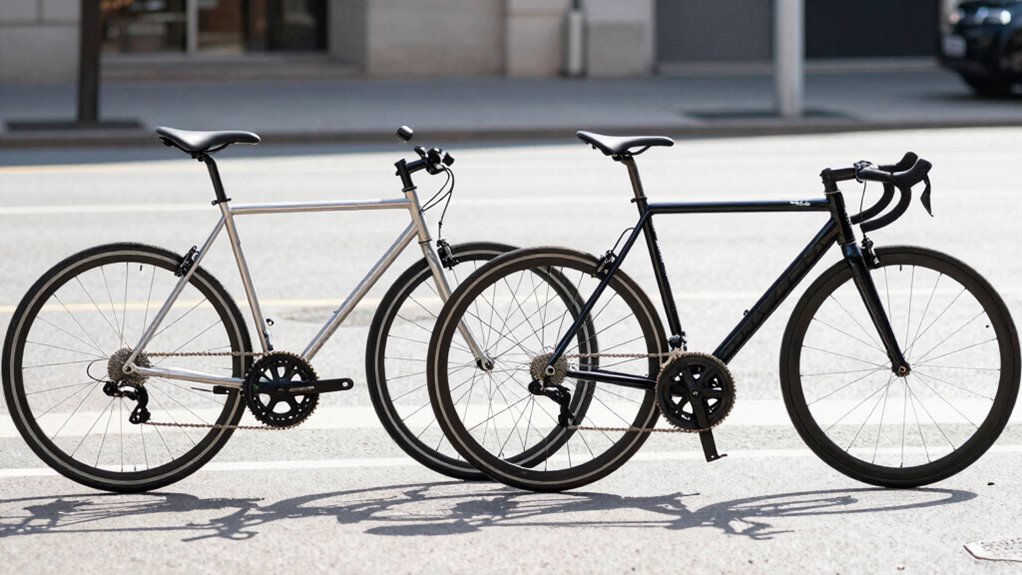
When choosing a bike, understanding the differences between comfort geometry and race geometry can considerably impact your riding experience. These two styles shape how your body interacts with the bike, influencing everything from ergonomic posture to riding stability. Comfort geometry is designed with leisure and long-distance rides in mind. It typically features a taller head tube, which raises your handlebars and allows you to sit in a more upright position. This promotes an ergonomic posture, reducing strain on your neck, back, and shoulders. If you’re looking for a relaxed ride, maybe for commuting or weekend cruising, comfort geometry helps you stay comfortable for hours without feeling exhausted or cramped. The bike feels stable at lower speeds, thanks to a more relaxed frame angle and longer wheelbase, which provide a sense of confidence and ease. Additionally, comfort bikes often incorporate ergonomic design features to further enhance rider comfort over extended periods. Recognizing how bike design influences comfort and performance is crucial for making an informed decision. Understanding these design principles can also help you select a bike that aligns with your riding goals and preferences, ensuring a more enjoyable experience.
On the other hand, race geometry caters to speed and agility. Its frames are built with a more aggressive stance—lower handlebar positions, longer top tubes, and a steeper head tube angle. This setup shifts your weight forward, optimizing aerodynamics and power transfer. While this position might feel less natural initially, it enhances riding stability at high speeds and during sharp turns. Race geometry prioritizes efficiency, so you’ll find yourself leaning into corners with greater control, and the bike responds swiftly to your inputs. However, this aggressive posture can be less ergonomic over extended rides, potentially causing discomfort if you’re not accustomed to it. It’s all about balancing your riding goals with your body’s needs.
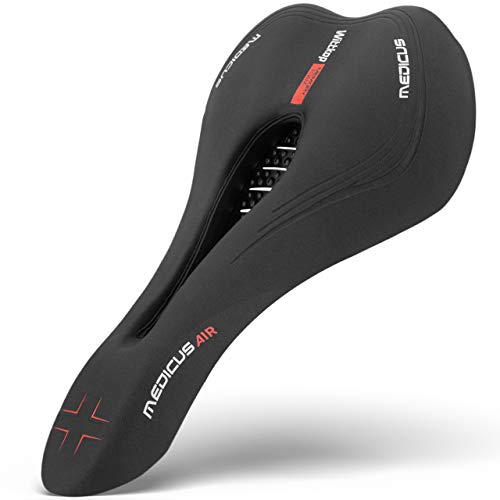
Wittkop Mountain Bike Seat Made of Comfortable Memory Foam I MTB Saddle with Innovative Ergonomic 5 Zone-Concept – Bicycle Seat for Road BMX & MTB
- Comfortable Memory Foam: Contours to your body for decompression
- Ergonomic 5-Zone Design: Provides tailored support for long rides
- Advanced Airflow System: Reduces sweating with improved ventilation
As an affiliate, we earn on qualifying purchases.
As an affiliate, we earn on qualifying purchases.
Frequently Asked Questions
How Does Geometry Affect Bike Handling and Stability?
Your bike’s geometry directly impacts handling and stability—longer wheelbases and slacker angles offer more stability, especially at high speeds. Frame materials influence weight and responsiveness, while tire clearance allows you to choose wider tires for better grip and comfort. When you understand how geometry affects these aspects, you can select a setup that matches your riding style, making your bike more predictable and easier to control on various terrains.
Can Switching Between Geometries Improve Overall Riding Experience?
Switching between geometries can improve your overall riding experience by allowing you to customize your position for comfort or performance. Adjust ergonomic saddle positioning to reduce fatigue, and tweak handlebar reach to find a natural, comfortable grip. These changes help optimize handling and stability, making long rides more enjoyable and efficient. Experimenting with different geometries enables you to find a setup that best suits your riding style and goals.
Are Certain Geometries Better for Specific Cycling Disciplines?
While some geometries excel in certain disciplines, your choice depends on priorities like frame stiffness and tire clearance. For endurance rides, comfort geometry offers relaxed angles and better shock absorption, suited for long-distance comfort. Conversely, race geometry emphasizes stiffness for power transfer and aerodynamics, ideal for sprinting or racing. Understanding these differences helps you select the right geometry, maximizing performance and comfort tailored to your cycling discipline.
How Do Rider Height and Flexibility Influence Geometry Choice?
Your rider height and flexibility greatly influence your geometry choice. Taller riders often prefer longer reach and stack height to maintain proper rider posture, while flexible riders can handle aggressive positions with lower saddle heights for aerodynamics. If you’re less flexible, a more relaxed geometry with higher handlebars and comfortable saddle height helps avoid strain. Adjusting saddle height and geometry guarantees ideal comfort and efficiency tailored to your body, enhancing your riding experience.
Does Bike Geometry Impact Long-Term Comfort on Rides?
Think of your bike as a trusty steed—its geometry shapes your ride’s comfort for the long haul. Yes, it impacts your long-term comfort, especially through ergonomic design and saddle positioning. A well-suited geometry keeps your body aligned, reducing fatigue and pain over time. By choosing the right setup, you’ll enjoy smoother, more enjoyable rides, making every journey feel like a pleasant stroll rather than a grueling marathon.
Conclusion
Choosing between comfort and race geometry is like picking between a cozy armchair and a racing saddle—you’ll feel the difference instantly. Comfort geometry is your gentle river, flowing smoothly and calmly, ideal for relaxed rides. Race geometry is the roaring rapids, sharp and aggressive, built for speed and agility. Know your riding style and goals, and ride accordingly. After all, the right geometry turns your bike into an extension of yourself—like a trusted steed ready to race or relax.