
Assistance modes on e-bikes let you control how much motor support you get, shaping your ride experience. Higher modes make pedaling easier, helping you conquer tough terrain or reduce fatigue, but they drain the battery faster. Lower modes provide more effort and extend battery life, perfect for a workout or longer trips. Adjusting these modes keeps your ride tailored to your needs, safety, and environmental goals. Keep exploring to discover how choosing the right mode can transform your ride.
Open a free Amazon Business account
Business pricing, bulk buying and tax-exempt orders.
As an affiliate, we earn on qualifying purchases.
Key Takeaways
- Assistance modes control the level of motor support, ranging from low to high, to match rider effort and terrain.
- Higher assistance modes provide more power, making pedaling easier but draining the battery faster.
- Lower assistance modes reduce motor support, offering a more active workout and conserving battery life.
- Different modes allow customization for comfort, safety, and terrain, enhancing overall riding experience.
- Selecting the appropriate assistance mode balances energy consumption, ride duration, and rider effort.

E-bike assistance modes give you control over how much help the motor provides, allowing you to tailor your ride to your needs and terrain. Whether you’re tackling a steep hill or cruising on flat pavement, choosing the right assistance level helps optimize your experience. Higher assist modes give you more power, making pedaling easier and reducing fatigue, especially on challenging routes. Conversely, lower settings let you enjoy a more active workout while still benefiting from some motor support. This flexibility is handy because it lets you adapt to changing terrain and your energy levels throughout your ride.
One key aspect to factor in when switching between assistance modes is battery life. Higher assistance consumes more energy, so if you’re planning a long ride, you might want to select a lower mode to conserve battery. This way, you’ll avoid running out of power prematurely and can enjoy your ride from start to finish. On the other hand, if you’re in a hurry or want maximum speed and ease, using the higher modes can be worth the trade-off. Understanding how different assistance levels impact your battery helps you plan better and ensures your e-bike remains ready for your next adventure.
Adjust assistance levels to optimize battery life and enjoy longer, more efficient rides.
Riding etiquette also plays a role in how you use assistance modes. When sharing paths with pedestrians or other cyclists, it’s courteous to limit your motor assistance, especially at higher levels, to avoid startling others or creating unsafe situations. Many riders switch to lower assistance when approaching crowded areas or narrow trails, showing respect for those around them. Additionally, being mindful of your assistance level can help you maintain better control and stability, especially in crowded or technical zones. Remember, using assistance modes responsibly not only enhances safety but also promotes a positive experience for everyone sharing the road or trail. Proper usage of assistance modes can also contribute to reducing noise pollution, making shared spaces more enjoyable for all users.
Being aware of biodiversity and sustainable practices can also influence the way we choose to ride, encouraging eco-friendly transportation options like e-bikes over traditional vehicles. Developing an understanding of your e-bike’s capabilities and limitations can help you maximize efficiency and enjoy longer rides without unnecessary concern over battery drain. Ultimately, understanding the difference between assistance modes on your e-bike empowers you to make smarter choices while riding. It influences how long your battery lasts, how strenuous your ride feels, and how you interact with others on shared paths. By adjusting your assistance levels thoughtfully, you can enjoy a smooth, efficient ride that matches your fitness goals, terrain, and social riding etiquette. Whether you’re seeking a gentle cruise or a vigorous workout, these modes give you the flexibility to ride confidently and responsibly.
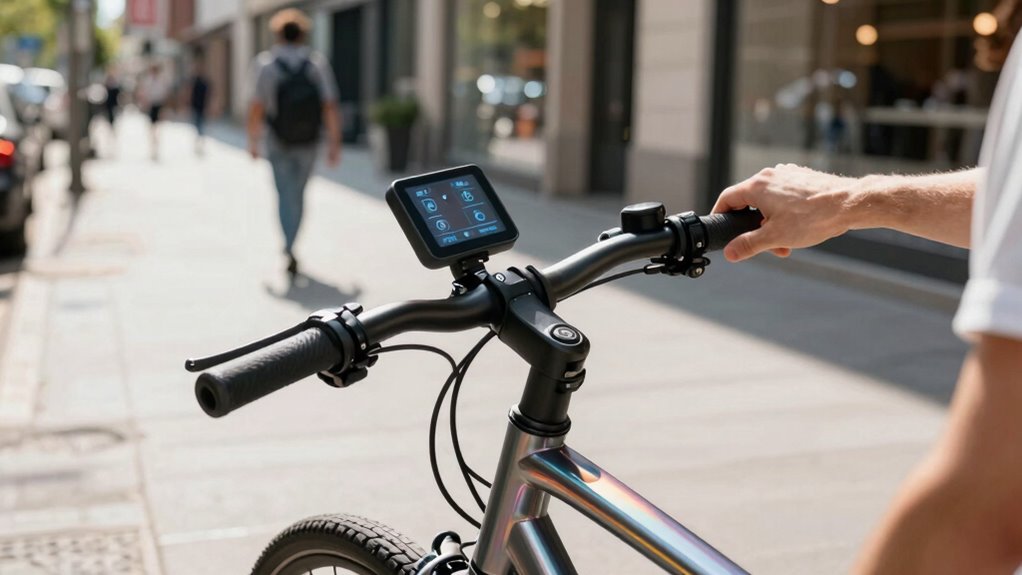
e-bike assistance mode controller
As an affiliate, we earn on qualifying purchases.
As an affiliate, we earn on qualifying purchases.
Frequently Asked Questions
How Do Assistance Modes Affect E-Bike Battery Life?
Assistance modes directly impact your e-bike’s battery life by influencing battery conservation and power optimization. Using a lower assistance level helps conserve your battery, letting you ride longer between charges. Conversely, higher assistance modes provide more power but drain the battery faster. To extend your e-bike’s range, switch to eco or low modes when possible, and reserve high assistance for challenging terrains or steep climbs.
Can Assistance Modes Be Customized on Different E-Bike Models?
About 60% of e-bike users prefer customizing their assistance modes to match their riding style. You can often adjust assistance modes on different models through dedicated apps or onboard controls, allowing you to tailor power levels and responsiveness to your preferences. Not all bikes offer extensive customization options, so check your e-bike’s features. Customization helps optimize battery life and ride comfort, ensuring you get the most out of your e-bike experience.
Are Assistance Modes Legal for All Riding Areas?
Assistance modes are not legal everywhere; it depends on regional regulations. You need to check local laws because legal restrictions vary widely. In some areas, e-bikes with certain assistance levels are allowed on bike paths or roads, while others restrict their use altogether. Always verify the specific rules for your riding area to avoid fines or penalties. Staying informed helps you ride legally and safely, regardless of your bike’s assistance mode.
Do Assistance Modes Impact the Weight of the E-Bike?
Like a knight’s armor, assistance modes add weight to your e-bike, impacting its overall heft. Assistance modes do influence the weight, as higher levels require more batteries and motor support, leading to increased weight implications. This can affect rider experience, making the bike feel heavier and potentially less nimble. So, if you prefer a lighter ride, consider selecting lower assistance modes, balancing power with manageable weight.
How Do Assistance Modes Influence Riding Safety?
Assistance modes directly influence your riding safety by affecting rider fatigue and terrain adaptation. Lower modes help reduce fatigue on long or steep climbs, keeping you alert and in control. Higher assistance levels boost power on challenging terrains, preventing strain and improving stability. By selecting the right mode, you can adapt to the terrain more effectively, ensuring safer riding conditions and reducing the risk of accidents caused by fatigue or loss of control.
Conclusion
Choosing the right assistance mode on your e-bike is like tuning a musical instrument—you find the perfect balance that makes your ride smooth and enjoyable. Whether you prefer a gentle hum or a powerful boost, understanding these modes helps you navigate effortlessly. So, experiment with each setting, and soon you’ll be composing your own symphony of effortless adventures, riding with confidence and harmony on every journey.
Flea & tick season Picks
flea and tick prevention
As an affiliate, we earn on qualifying purchases.