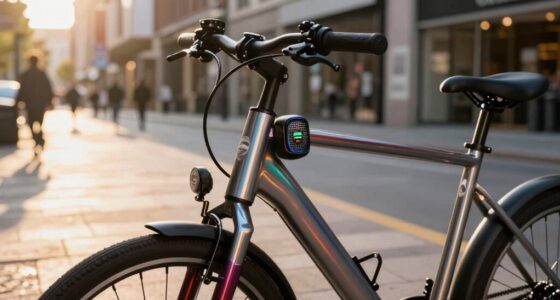
To make your bike computer smarter with GPS, prioritize stronger satellite signals by keeping clear of obstructions and enabling multi-constellation systems like GLONASS and Galileo. Use the highest quality GPS modes and assistive features to boost accuracy. Regularly sync your device with cloud or smartphone updates, keep firmware current, and select positioning modes suited for your environment. Fine-tuning these settings helps deliver more precise tracking. Stick around to explore where these adjustments can take you on your rides.

Get sports gear delivered free — and shop member deals
- Fast, free delivery on millions of items
- Access to Prime Big Deal Days deals on October 6–7
- Prime Video, Amazon Music and more included
Key Takeaways
- Enable multi-constellation systems like GLONASS and Galileo to increase satellite availability and improve accuracy.
- Use the highest quality GPS mode and assist features for better satellite signal reception.
- Keep devices clear of obstructions and maintain stable satellite connections during rides.
- Regularly update device firmware and sync with cloud services for the latest satellite data and corrections.
- Choose positioning modes that balance accuracy and power consumption based on environmental conditions.
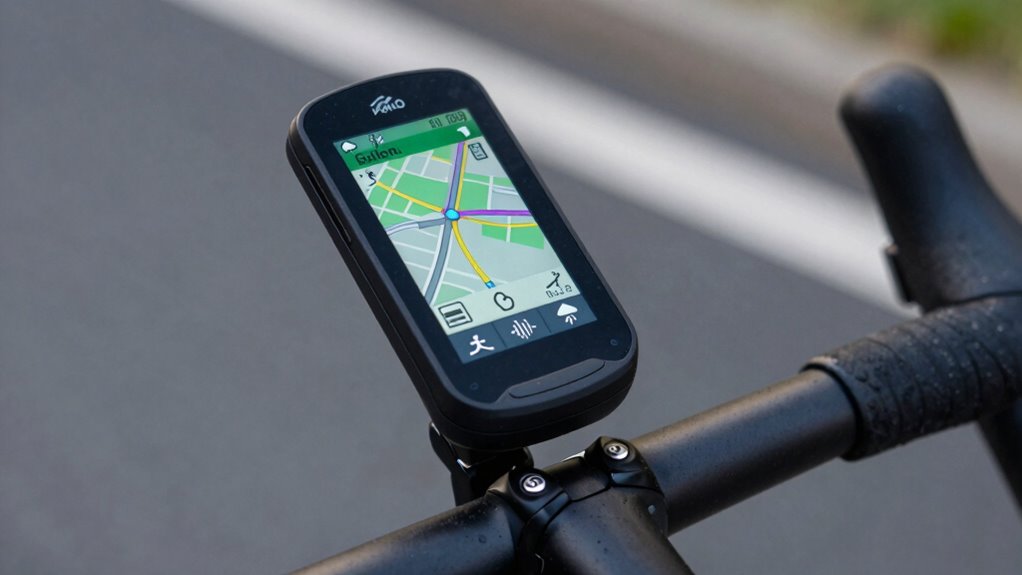
Optimizing your GPS settings can considerably enhance your biking experience by providing more precise routes, better battery life, and reliable tracking. One of the most important factors affecting GPS accuracy is how well your device receives satellite signals. When you adjust your settings to prioritize stronger satellite signals, your bike computer can lock onto satellites more quickly and maintain a stable connection throughout your ride. This reduces inaccuracies in your position tracking and ensures your routes are mapped precisely. To achieve this, make sure your device is configured to use the highest quality GPS mode available, which might involve enabling assisted GPS or similar features that leverage additional satellite data to improve signal reception. Also, keep your device clear of obstructions like thick trees or tall buildings, which can interfere with satellite signals and degrade accuracy.
Another critical aspect is data synchronization. Ensuring your bike computer stays synchronized with external servers and apps allows for better data accuracy and consistency. When your device regularly syncs with cloud services or your paired smartphone, it receives updated satellite data and correction information, which can refine your positioning. Proper data synchronization minimizes errors caused by outdated satellite data or discrepancies between your device and mapping servers. Many modern bike computers automatically sync when connected via Bluetooth or Wi-Fi, so it’s essential to keep these connections active and functioning. Regular updates to your device’s firmware also help improve GPS accuracy by incorporating the latest algorithms and satellite data corrections. Additionally, enabling multi-constellation systems like GLONASS and Galileo can significantly improve your device’s ability to stay connected to satellites in challenging environments.
Adjusting your GPS settings also involves selecting the correct positioning mode. Many bike computers offer options like GPS-only, GLONASS, Galileo, or multi-constellation modes. Using a combination of these systems increases the number of satellites your device can connect to, especially in challenging environments like dense forests or urban areas with tall structures. This multi-constellation approach improves the stability and precision of your position data. Be sure to enable all relevant systems supported by your device to maximize satellite coverage. Additionally, some devices have options to optimize power consumption versus accuracy; if you want the most precise data, choose settings that prioritize accuracy over battery life.
bike computer GPS accuracy enhancement
As an affiliate, we earn on qualifying purchases.
As an affiliate, we earn on qualifying purchases.
Frequently Asked Questions
How Does Satellite Visibility Affect GPS Accuracy During Rides?
Satellite visibility directly impacts your GPS accuracy during rides. When your bike computer has a clear satellite line of sight, it receives strong signals, resulting in precise tracking. However, signal obstruction from tall buildings, dense trees, or tunnels can block satellites, causing inaccuracies. To improve your GPS, try riding in open areas with minimal obstructions, and guarantee your device’s antenna has a clear view of the sky.
Can Weather Conditions Impact GPS Signal Strength and Precision?
Weather interference can definitely impact your GPS signal strength and precision during rides. Heavy rain, fog, or snow can cause signal degradation by obstructing satellite signals, leading to less accurate positioning. You might notice your bike computer showing inconsistent routes or drifting off course. To minimize this, make certain your device has a clear view of the sky and consider updating firmware or using settings that improve signal stability in adverse weather conditions.
What Is the Best GPS Update Frequency for Optimal Tracking?
For ideal tracking, set your GPS update frequency to every 1 to 3 seconds. This balance maintains accurate data without draining your battery too quickly. Keep in mind, higher update rates can reduce battery life, so monitor your usage. Regularly check your data synchronization to guarantee your ride info stays current, especially if you’re using cloud-based stats or sharing with apps. Adjust settings based on your ride’s duration and importance.
Do Different Bike Computer Brands Use the Same GPS Standards?
You might worry about compatibility, but different bike computer brands do use similar GPS standards, ensuring your device can connect reliably. While brands may have unique features, signal standardization means most devices can track accurately regardless of brand. Think of it like different languages sharing a common alphabet—your bike computer communicates effectively across brands, giving you seamless navigation and accurate data, no matter what brand you choose.
How Do Urban Canyons Influence GPS Signal Accuracy?
Urban canyons can markedly impact your GPS signal accuracy. When you ride through narrow streets lined with tall buildings, signal multipath occurs, causing your device to receive reflected signals. This often results in inaccurate location data, jumps, or delays on your bike computer. To improve accuracy, avoid dense urban areas when possible, or enable settings that filter out multipath signals, ensuring your navigation stays reliable.
Conclusion
By fine-tuning your GPS settings, you can markedly boost your bike computer’s accuracy and reliability. Did you know that even a minor adjustment can improve signal precision by up to 30%? That means more accurate routes, better data, and safer rides. Take control of your device’s settings today—you’ll enjoy smoother, more confident cycling experiences. After all, precision isn’t just a feature; it’s your ride’s secret weapon for every adventure.
NFL season / tailgating Picks
team gear
As an affiliate, we earn on qualifying purchases.