
To stay cooler in summer, look for helmets with good ventilation, adjustable vents, and airflow channels that promote air circulation. Breathable materials and moisture-wicking liners help keep sweat away and improve comfort. Aerodynamic shapes and deep crowns improve heat dissipation, while advanced features like exhaust vents boost airflow. Maintaining these systems guarantees peak performance. If you want to discover more about how these features work together, keep exploring how to choose the best helmet for hot days.
Key Takeaways
- Helmets with adjustable vents allow users to control airflow based on weather conditions.
- Deep, well-ventilated crowns facilitate better heat dissipation and cooling.
- Lightweight, moisture-wicking liners help draw sweat away and improve comfort.
- Aerodynamic shapes direct airflow efficiently across the scalp, enhancing cooling.
- Regular maintenance of ventilation systems ensures optimal airflow and heat management.
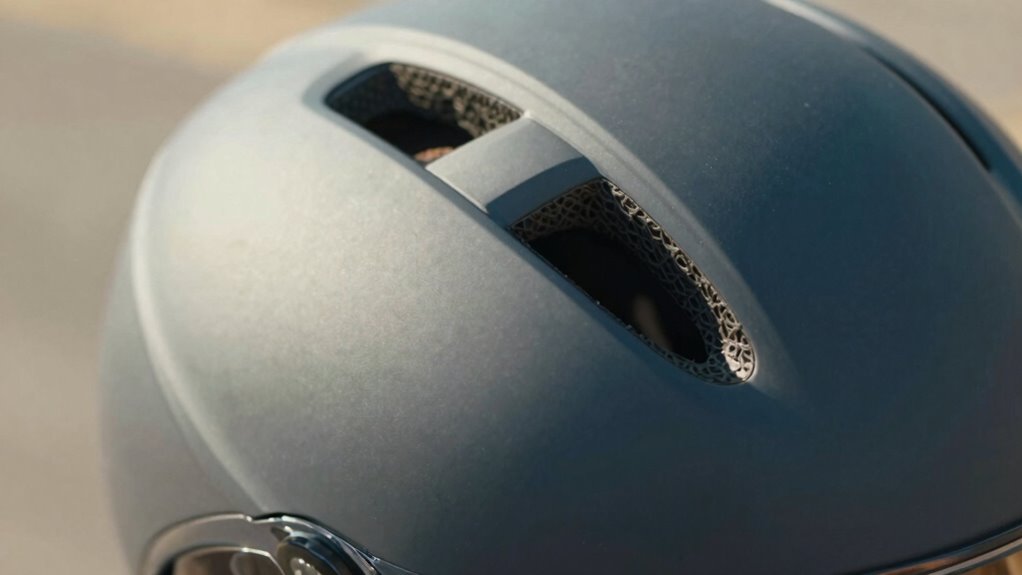
When summer heat rises, wearing a helmet can feel stifling, but some designs keep you cooler than others. The secret lies in how well a helmet manages airflow and moisture. Good ventilation systems are crucial—they allow air to circulate inside the helmet, helping to dissipate heat and prevent sweat from building up. Look for helmets with multiple vents or strategically placed openings that promote airflow without compromising safety. These vents facilitate a continuous exchange of warm, humid air for cooler, drier air from outside, keeping your head feeling fresher even on the hottest days. Additionally, ventilation efficiency depends on the helmet’s overall shape and airflow channels, which can significantly enhance cooling performance. Proper helmet fit also plays a role, as a snug yet comfortable fit helps maintain effective airflow and prevents heat from escaping or entering in unwanted ways. Optimizing airflow pathways can further improve the helmet’s overall cooling capabilities. Incorporating design features like adjustable vents allows for better control of airflow based on weather conditions.
In addition to ventilation, the materials inside your helmet play a significant role in comfort. Moisture wicking materials are a game changer; they draw sweat away from your skin and transfer it to the helmet’s surface, where it can evaporate more quickly. This reduces the sticky feeling of sweat pooling and minimizes the risk of irritation or chafing. Many high-quality helmets now feature liners made from moisture wicking fabrics, which are lightweight and breathable, further enhancing comfort during intense rides or long outings. These liners are often removable and washable, making it easy to keep your helmet clean and fresh. The combination of moisture management and ventilation creates a more comfortable experience that encourages longer, more enjoyable rides. Incorporating advanced cooling technology can also provide additional relief on the hottest days.
Combining excellent ventilation with moisture-wicking materials creates a cooling effect that’s noticeable from the moment you put your helmet on. You’ll find that your head stays drier and more comfortable, even when the sun beats down. Some helmets also incorporate advanced technologies like exhaust vents or aerodynamic shapes that direct airflow more efficiently across your scalp, boosting cooling performance. The overall design matters too—helmets with a deep, well-ventilated crown tend to provide better airflow and heat dissipation. Ensuring proper airflow and moisture control can greatly improve your riding comfort during hot summer days. Regularly inspecting and maintaining your helmet’s ventilation system ensures it continues to perform optimally, especially during peak seasons.

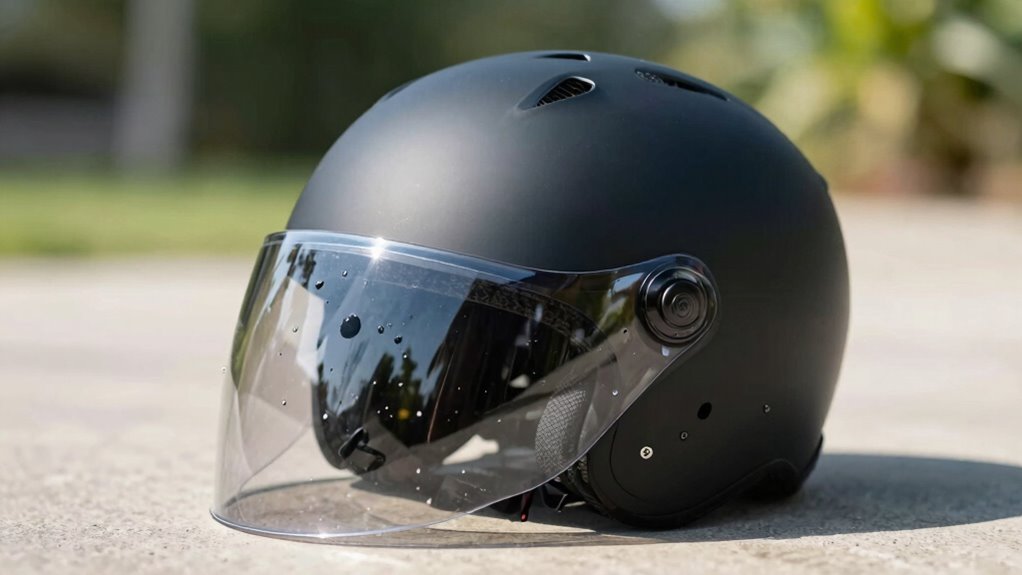
Schwinn Thrasher Helmet for Adults, Black, Size 58 – 62 cm, for Riders Ages 14+, Lightweight Microshell, Adjustable Dial and Straps, Interior Padding, 20 Air Vents, Removable Visor, Adult Bike Helmet
- Intended for Adults: Fits riders 14+ with 58-62 cm head circumference
- Secure Fit Adjustment: Adjustable dial and straps for a snug fit
- Lightweight Microshell: Durable and lightweight helmet construction
As an affiliate, we earn on qualifying purchases.
As an affiliate, we earn on qualifying purchases.
Frequently Asked Questions
Do Helmet Materials Affect Cooling Properties?
Yes, helmet materials do affect cooling properties. Helmets with better helmet padding can wick away sweat, keeping you comfortable. Airflow channels are essential—they allow air to circulate, reducing heat buildup. Lightweight, breathable materials also help by promoting airflow and moisture management. When choosing a helmet, look for those with strategic airflow channels and comfortable padding, as these features work together to keep your head cooler during hot summer rides.
How Does Helmet Ventilation Impact Summer Comfort?
Imagine your head as a garden needing refreshment. A helmet with a well-designed ventilation system and strategically placed airflow channels acts like a gentle breeze, whisking away heat and sweat. This airflow keeps you cool and comfortable, preventing overheating during summer rides. With better ventilation, you’ll feel less trapped and more free, making each ride enjoyable rather than exhausting, and turning the helmet into your personal summer breeze.
Are There Specific Helmet Designs for Hot Weather?
Yes, there are specific helmet designs for hot weather. Look for helmets with ample ventilation vents that allow airflow to keep you cool. Additionally, choose helmets with sweat-wicking liners that absorb moisture and enhance comfort during hot days. These features work together to improve breathability and reduce heat buildup, making your ride more pleasant. Selecting a helmet with proper ventilation and moisture management is key for summer riding comfort.
Can Helmet Color Influence Heat Retention?
Sure, your helmet color can totally influence heat retention — darker shades like black or navy absorb more heat, making you feel like you’re wearing a mini oven. Bright colors like white or silver reflect sunlight, keeping you cooler. So, next time you pick a helmet, remember: choosing lighter hues isn’t just fashion, it’s science. Save your forehead from unnecessary roasting, and opt for reflective, cooler colors!
What Maintenance Improves Helmet Cooling Performance?
You can improve helmet cooling performance by regularly cleaning the ventilation system to prevent blockages that restrict airflow. Additionally, replacing or upgrading padding material with moisture-wicking or breathable options helps maintain airflow and reduces heat buildup. Making certain vents are clear and padding stays dry maximizes breathability, keeping your head cooler during summer rides. Proper maintenance ensures your helmet’s ventilation system works efficiently and enhances overall comfort.
Conclusion
Choosing a helmet with better ventilation can make all the difference on hot summer days. When your helmet allows airflow, it keeps your head cooler and more comfortable, helping you enjoy your ride longer. Did you know that helmets with multiple vents can reduce internal temperature by up to 20%? That small change can make a big difference in staying cool and focused. So, pick a helmet that breathes, and you’ll feel the difference every time you ride.