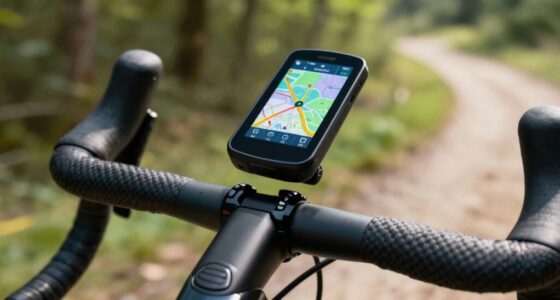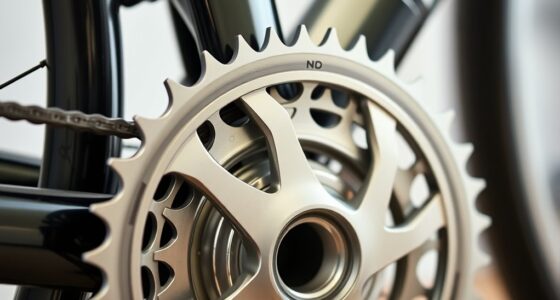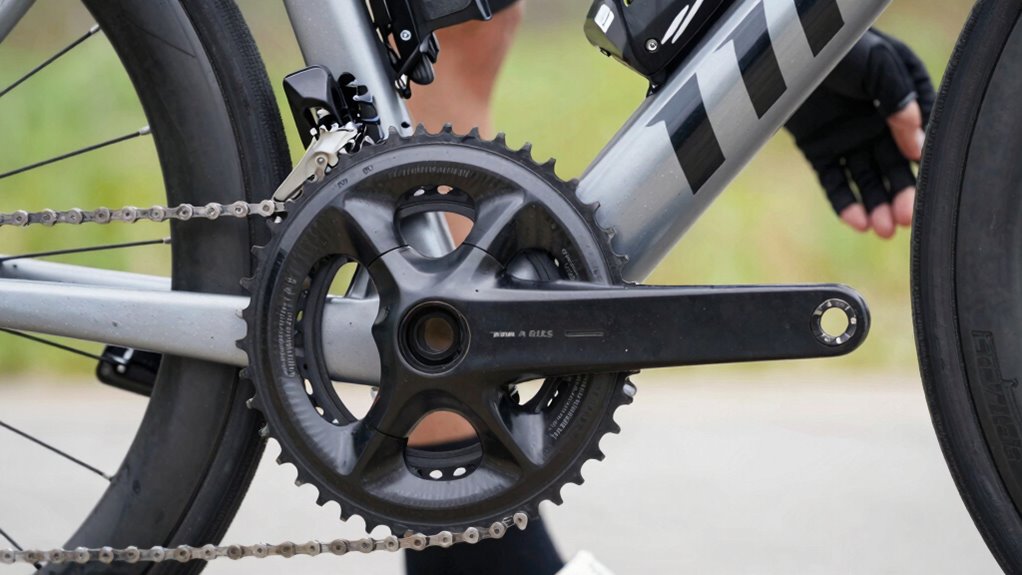

To get accurate data, you need to understand proper power meter placement. Make sure it fits your bike and body comfortably, and follow the manufacturer’s instructions for installation. Positioning should be secure, correctly aligned, and tight enough to prevent shifting or wobbling. Regular calibration and proper maintenance are essential for consistency. When placed correctly, your power meter can give reliable readings to improve your performance. Keep exploring to learn more about optimizing your setup.
Key Takeaways
- Proper placement ensures accurate torque measurement and reliable data collection.
- Compatibility with your bike and rider fit is essential for correct power meter positioning.
- Correct installation near the crank, pedal, or hub is vital for precise readings.
- Regular calibration and maintenance keep the power meter’s measurements accurate over time.
- Steady, natural riding posture helps prevent inconsistent or misleading wattage readings.

Proper placement of a power meter is indispensable for accurate data collection and effective training. When you position your power meter correctly, you guarantee your wattage readings truly reflect your effort, helping you make better training decisions. One of the most important aspects to think about is your cycling posture. Your posture influences how the power meter interacts with your body and equipment. If you’re not sitting correctly or maintaining an ideal position, your power readings can become inconsistent or misleading. For example, if you’re leaning too far forward or backward, the pressure points on your pedals or crank arm might shift, causing inaccurate measurements. Maintaining a steady, natural cycling posture allows the power meter to record a true reflection of your output, making your training more precise. Additionally, biodiversity in your training environment can influence your comfort and posture, impacting your power measurements over time. Incorporating a variety of training conditions can also help you adapt and improve your positioning for more consistent readings. Paying attention to your cycling biomechanics can further optimize your power data by ensuring your technique supports accurate measurement. Adjusting your bike fit to suit your specific biomechanics can also enhance your data accuracy and comfort. Being aware of your training environment can help you identify external factors that might affect your performance and measurements.
Proper cycling posture ensures accurate power readings and more effective training.
Equally essential is equipment compatibility. Not all power meters fit every bike or rider perfectly. Before installing a device, check whether it’s compatible with your crankset, pedals, or hub. Some power meters are designed specifically for certain crank arm lengths, chainring sizes, or axle types. Using incompatible equipment can lead to poor placement, faulty readings, or even damage to your bike components. It’s worth investing time in understanding your bike’s specifications and choosing a power meter that seamlessly integrates with your existing setup. This guarantees a secure fit, minimizes vibrations, and prevents inaccuracies caused by loose or poorly aligned hardware.
When positioning your power meter, pay attention to its location on the bike. For crank-based meters, placement on the crank arm or spindle should be such that it doesn’t interfere with your pedaling motion or cycling posture. You want the device to be as close to the crank axle as possible for the most accurate torque measurement. Pedal-based meters, on the other hand, should be fitted securely into your pedals, ensuring they don’t wobble or shift during rides. Hub-based meters require precise installation within the wheel hub, so it’s crucial to follow manufacturer instructions carefully. Proper installation and calibration are key to capturing consistent data. Additionally, installation techniques can significantly influence the accuracy and longevity of your power meter, so it’s worth taking the time to do it correctly. Regularly updating your device’s firmware can also help maintain measurement accuracy over time. Lastly, don’t overlook the importance of regular maintenance and calibration. Even the best placement won’t guarantee accuracy if your power meter isn’t properly calibrated or if it becomes loose over time. Always double-check the fit after installation and before every ride. When you pay attention to cycling posture, equipment compatibility, and proper placement, you set yourself up for accurate data collection. This, in turn, helps you train smarter, monitor progress effectively, and ultimately, become a stronger rider.
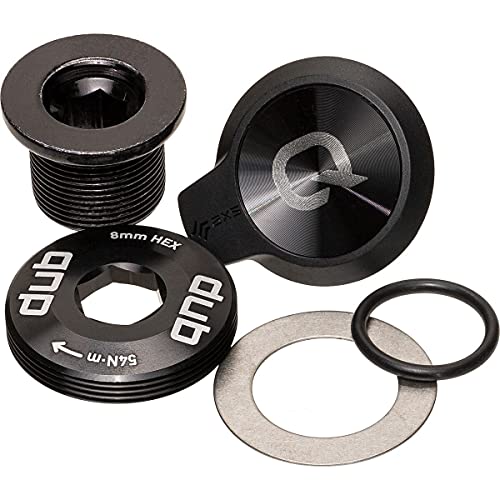
Rival D1 Power Meter Crank Arm Bolt Kit with M18/M30 Dub Steel, Black
- Durable Steel Construction: High-strength steel for long-lasting use
- Compatible with SRAM DUB: Fits M18/M30 bolt sizes for secure fit
- Integrated AXS Cover: Protects components and maintains sleek look
As an affiliate, we earn on qualifying purchases.
As an affiliate, we earn on qualifying purchases.
Frequently Asked Questions
How Does Power Meter Placement Affect Data Accuracy?
Power meter placement directly impacts data accuracy by ensuring proper sensor alignment, which provides consistent readings. If your sensor isn’t aligned correctly, you might get skewed data. Regular calibration, including checking calibration frequency, helps maintain accuracy over time. By paying attention to placement and calibration, you can trust your power data, making your training more effective and reliable. Proper setup minimizes errors and maximizes the benefits of your power meter.
Can Different Bike Frames Affect Power Meter Readings?
Different bike frames can affect your power meter readings because frame compatibility influences sensor placement and accuracy. Material influence also plays a role; carbon frames may offer different vibrations and flex compared to aluminum or steel, impacting readings slightly. Always guarantee your power meter is compatible with your frame type and material. Proper installation and calibration are essential to get precise data, regardless of frame differences, so your training remains effective.
Is It Necessary to Recalibrate After Moving the Power Meter?
Yes, you should recalibrate your power meter after moving it. Calibration frequency depends on how often you change sensor positioning or bike setup, but it’s best to do it each time you move the sensor. Proper sensor positioning ensures accurate readings, so always recheck calibration to confirm the power data remains reliable. This keeps your training consistent and helps you track progress effectively.
How Does Temperature Impact Power Meter Performance?
Temperature fluctuations can considerably impact your power meter’s performance, causing variations in power readings. When temperatures change rapidly, your power meter’s internal components may experience shifts, affecting power stability. To guarantee accurate data, avoid exposing your device to extreme or rapid temperature changes. Regularly check calibration if you notice inconsistent readings, and consider using models designed to handle temperature variations for more reliable performance during your rides.
Are Certain Placements Better for Specific Riding Styles?
Certain power meter placements can enhance your riding style, especially if you focus on cadence consistency and pedal efficiency. For example, crank-based meters are ideal for riders aiming for precise pedal stroke analysis, while pedal-based meters suit those prioritizing natural pedal movement. Your choice depends on your riding goals, but understanding how placement affects data accuracy helps optimize performance and improve overall efficiency on the bike.
Conclusion
Understanding where to place your power meter is like finding the perfect spot on a map—it guides you to better performance. When you position it correctly, you get accurate data that can transform your training and racing. Think of your power meter as a trusted compass, pointing you toward improvement. So, take the time to get it right; it’s the secret ingredient to revealing your cycling potential and riding to new heights.