
Choosing the right saddle shape is key to pressure relief and comfort during your rides. A saddle that matches your body’s contours distributes weight evenly across sit bones and soft tissues, reducing soreness and numbness. Narrow, streamlined designs suit aggressive positions, while wider, padded options are better for long-distance comfort. Proper fit and shape support your posture, preventing fatigue. Keep exploring how saddle designs work to find the best fit for your cycling needs.
Key Takeaways
- Saddle shapes, such as ergonomic contours and cutouts, help distribute pressure evenly across sit bones and soft tissues.
- Narrow, streamlined saddles suit aggressive positions, reducing pressure on sensitive areas during high-speed riding.
- Padded and wider saddles provide extra comfort and pressure relief for leisurely or long-distance cycling.
- Gel padding acts as a shock absorber, dispersing pressure and minimizing soreness on extended rides.
- Proper saddle fit and shape promote better pelvis alignment, reducing pressure points and enhancing overall comfort.
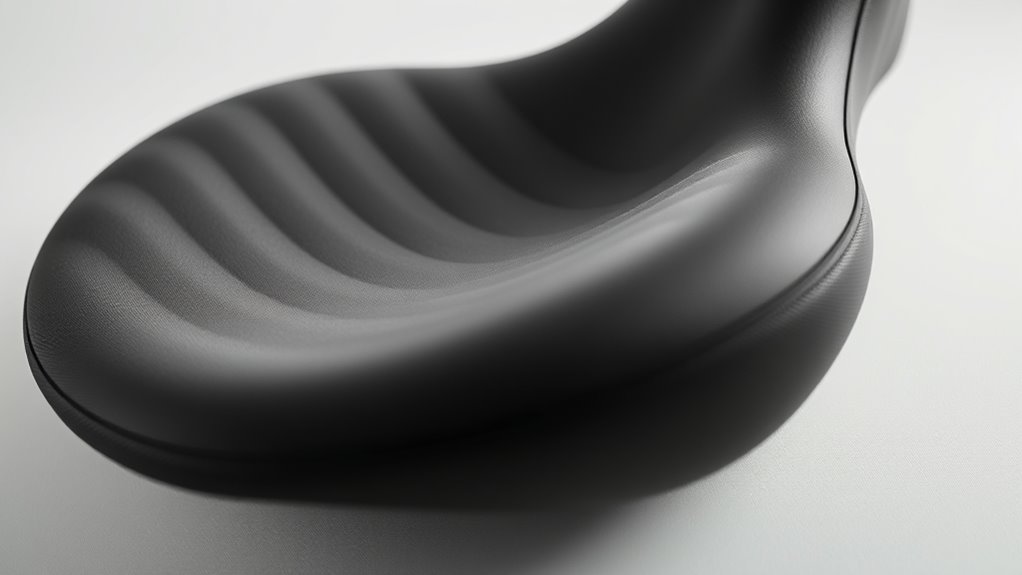
Choosing the right saddle shape is essential for effective pressure relief and overall comfort during rides. Your saddle influences how weight is distributed across your sit bones, soft tissues, and sensitive areas, making it vital to select one that fits your anatomy and riding style. An ergonomic design is a key feature to look for because it contours to your body, reducing pressure points and minimizing discomfort over long distances. When a saddle has an ergonomic shape, it promotes better alignment of your pelvis and spine, which can help prevent fatigue and soreness. It also encourages proper positioning, allowing you to maintain good posture and efficiency while riding.
Choosing an ergonomic saddle shape improves comfort, supports your anatomy, and enhances riding efficiency over long distances.
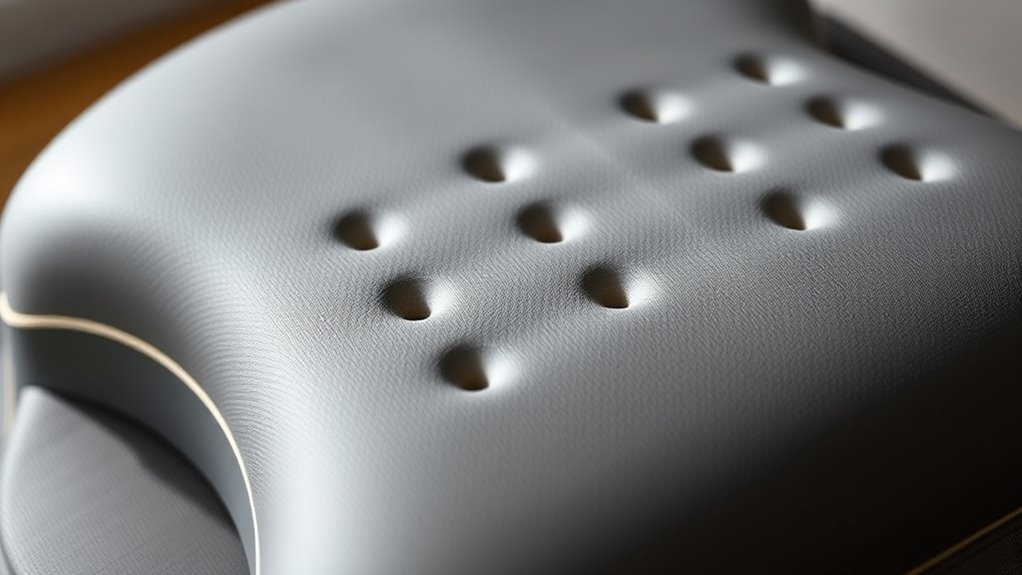
In addition to shape, consider saddles that incorporate gel padding. Gel padding acts as a shock absorber, dispersing pressure evenly across your contact points and softening the impact from bumps and rough terrain. This material conforms to your body’s contours over time, providing personalized comfort and reducing localized pressure that can lead to soreness or numbness. Gel padding is especially beneficial if you spend extended periods in the saddle, as it helps prevent painful pressure build-up in sensitive areas. When combined with an ergonomic design, gel padding enhances overall comfort by supporting your anatomy and easing the strain on soft tissues.
Your saddle’s shape should complement your riding posture and style. For instance, if you prefer a more aggressive, aerodynamic position, a narrow, streamlined saddle with a cutout or relief channel might suit you best. Conversely, if you enjoy leisurely rides or long-distance touring, a wider saddle with ample padding and a gentle curve can provide greater support and pressure relief. The ergonomic design should also consider your sit bone width; a saddle that’s too narrow or too wide can cause discomfort and uneven pressure distribution. Many saddles now feature adjustable features or different widths to match various body types.
Additionally, regular maintenance and cleaning of your saddle and its components can prolong its lifespan and ensure continued comfort. Ultimately, selecting a saddle with the right shape, gel padding, and ergonomic design is about personal comfort and performance. Test different options if possible, and pay attention to how your body responds during and after rides. Look for a saddle that minimizes numbness, chafing, and soreness, allowing you to ride longer and more comfortably. Remember, the best saddle for you is one that feels natural, supports your anatomy, and helps you maintain a healthy riding posture. Investing in the right saddle shape not only improves pressure relief but also enhances your overall riding experience, making every trip more enjoyable and pain-free.
Frequently Asked Questions
How Do Saddle Shapes Affect Cycling Performance?
Saddle shapes directly impact your cycling performance by influencing comfort and power transfer. When you adjust saddle height and tilt, you optimize your position, reducing fatigue and improving efficiency. A well-shaped saddle supports proper pressure distribution, minimizing discomfort during long rides. By fine-tuning these aspects, you stay more focused, maintain better control, and enhance your overall performance. Proper saddle adjustments are key to a smoother, more effective cycling experience.
What Materials Are Best for Pressure Relief in Saddles?
You should look for saddles with gel padding and saddle covers designed for pressure relief. Gel padding cushions sensitive areas and absorbs shocks, reducing discomfort during long rides. Saddle covers add an extra layer of comfort and protection, helping distribute pressure evenly. Combining these materials guarantees better pressure relief, preventing soreness and numbness. Choose saddles with high-quality gel padding and compatible saddle covers to enhance your riding experience and maintain comfort over time.
Can Saddle Shape Prevent Numbness During Long Rides?
While saddle shape alone can’t guarantee complete comfort, choosing a well-designed saddle with the right materials and adjustability can considerably reduce numbness during long rides. A saddle with a shape that aligns with your anatomy helps distribute pressure more evenly, and quality materials like gel or foam enhance cushioning. By ensuring your saddle adjusts easily to your position, you can minimize discomfort and enjoy longer, more pleasurable rides without worry.
How Often Should I Replace My Bike Saddle?
You should replace your bike saddle every 1 to 3 years, depending on usage and wear. Regular saddle maintenance, like checking for cracks or tears, guarantees comfort and safety. Keep an eye on signs of deterioration, such as fabric fraying or padding breakdown. Replacing worn bike accessories helps prevent discomfort and injury during rides. Prioritize saddle upkeep to maintain ideal comfort and performance, especially for long-distance cycling.
Are Custom Saddle Shapes Available for Specific Needs?
Yes, custom saddle shapes are available to meet your specific needs. You can get an anatomical design and ergonomic fit tailored to your body, ensuring ideal comfort and pressure relief. Many brands offer personalized options, allowing you to choose shapes that accommodate your riding style, anatomy, and pressure points. This customization helps prevent discomfort and enhances your overall cycling experience. Talk to a specialist to find the best fit for you.
Conclusion
Choosing the right saddle shape can considerably improve your comfort and pressure relief during rides. While some might think all saddles are similar, investing in one tailored to your anatomy truly makes a difference. Don’t overlook the importance of proper fit—it’s not just about comfort but also about preventing long-term issues. Remember, a well-chosen saddle isn’t just a luxury; it’s essential for enhancing your riding experience and maintaining your health.