

Small touchpoints greatly impact your ride comfort because they’re the first contact with your vehicle’s support system. If these areas are poorly designed or use harsh materials, they can cause fatigue, discomfort, or even soreness over time. Thoughtful design and quality materials help minimize strain and keep you supported during long drives. Pay attention to these details, and you’ll discover how tiny changes can make a big difference in your driving experience. Keep exploring to learn more.
Listen free for 30 days with Audible
Thousands of audiobooks and originals — cancel anytime.
As an affiliate, we earn on qualifying purchases.
Key Takeaways
- Small contact points directly impact comfort and fatigue due to their frequent, prolonged contact during driving.
- Their ergonomic design influences strain and soreness in hands, arms, or other contact areas over time.
- Material quality of small touchpoints affects softness, heat reflection, and irritation, impacting overall comfort.
- Poorly designed or low-quality touchpoints can cause discomfort, leading to reduced focus and increased fatigue.
- Cumulative discomfort from multiple small touchpoints significantly diminishes ride experience and driver well-being.
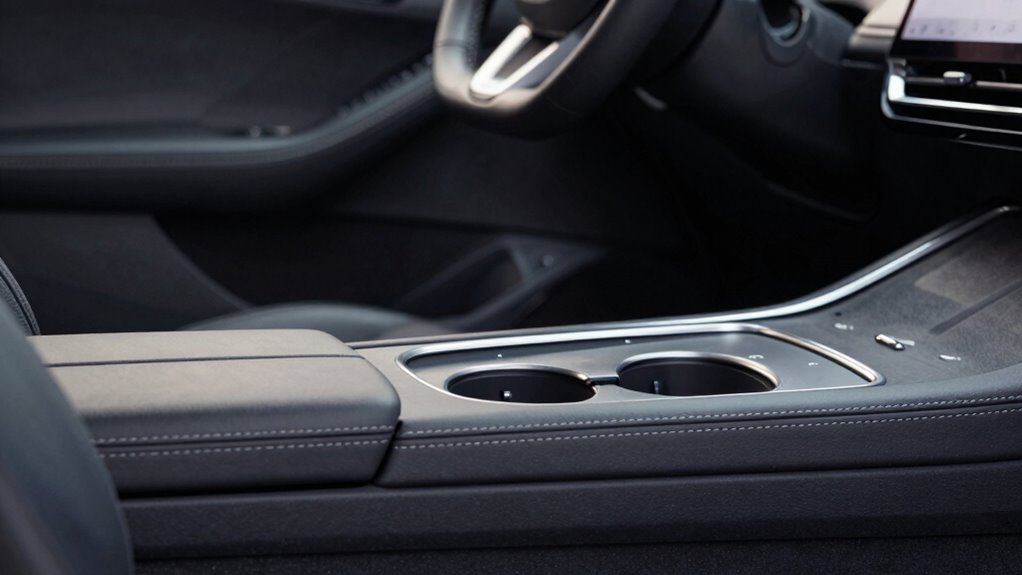
Touchpoints—the areas where you make contact with your vehicle—play an essential role in determining your overall ride comfort. These small, often overlooked spots can markedly influence how you feel during your drive. When designed thoughtfully, they can either enhance your experience or contribute to discomfort over time. The key lies in understanding how small touchpoints impact your comfort and how factors like ergonomic design and material selection come into play.
You might not realize it, but the tiniest details—such as the shape of your steering wheel, the padding on your armrest, or the texture of your gear shift—have a profound effect on your ride. Because these points are in direct contact with your body, their ergonomic design is essential. An ergonomic touchpoint conforms to your body’s natural curves, reducing strain and fatigue, especially during long drives. When designers prioritize ergonomic principles, they create surfaces that fit comfortably in your hands or against your body, minimizing discomfort and preventing soreness. Paying attention to ergonomic design principles can significantly improve long-term comfort and reduce the risk of strain.
Material selection is equally important. The materials used for these touchpoints influence how they feel, how much they absorb or reflect heat, and their overall durability. For example, using high-quality, soft-touch materials like premium leather or memory foam can make contact points more comfortable, providing a gentle cushion that supports your body. Conversely, harsh plastics or rough textures can cause irritation or discomfort, especially on extended trips. The right materials also help in reducing vibrations and shocks, further boosting ride comfort. Additionally, considering material durability ensures these touchpoints remain comfortable and functional over time. Incorporating sustainable materials can also enhance environmental comfort and appeal.
Small touchpoints often serve as the first point of contact, setting the tone for your overall driving experience. When these elements are designed with attention to detail, they help create a cohesive, comfortable environment. Neglecting ergonomic design and material selection, however, can turn even the most advanced vehicle into an uncomfortable space. For instance, a poorly designed steering wheel with hard edges or a stiff grip can cause hand fatigue, while a low-quality armrest might lead to elbow pain after a short period. Furthermore, proper consideration of ergonomic features into design can significantly improve long-term comfort and reduce the risk of strain. Recognizing the importance of personal comfort needs can guide better design choices, ensuring every contact point supports the driver’s well-being.
Ultimately, the impact of these small touchpoints is cumulative. As you spend time in your vehicle, the comfort or discomfort they provide becomes more noticeable. Thoughtful design choices—focusing on ergonomic features and ideal material selection—make a noticeable difference. They ensure that even the tiniest contact points work harmoniously to support your body, reduce fatigue, and make every drive more enjoyable. Small touchpoints may seem insignificant, but they hold the power to transform your entire ride experience.
As an affiliate, we earn on qualifying purchases.
Frequently Asked Questions
How Do Small Touchpoints Impact Overall Vehicle Handling?
Small touchpoints, like precise Pilot feedback and suspension tuning adjustments, directly impact your vehicle’s handling. When these tiny details are optimized, they improve steering response, stability, and cornering. You’ll notice a smoother ride and better control, especially on uneven surfaces. Fine-tuning suspension and listening to pilot feedback helps you feel confident behind the wheel, making every drive more comfortable and responsive. Small touchpoints make a big difference in overall vehicle handling.
What Materials Are Best for Enhancing Touchpoint Comfort?
You should choose soft, high-quality materials like memory foam or gel-infused padding for seat padding to enhance comfort. For your steering wheel grip, consider leather or rubber with ergonomic contours to reduce fatigue and improve grip. These materials improve touchpoint comfort by providing better cushioning and grip, making your ride more pleasant. Upgrading these small touchpoints can markedly boost overall driving comfort and help you enjoy longer journeys with less discomfort.
Can Touchpoint Adjustments Improve Long-Term Ride Quality?
Think of your ride like a finely tuned orchestra—small adjustments can create harmony or dissonance. Touchpoint adjustments, like sensor calibration and interior lighting, directly influence long-term ride quality. When you fine-tune sensors, you enhance suspension responsiveness, while improved interior lighting boosts comfort and visibility. These subtle tweaks can make your journey smoother and more enjoyable over time, proving that even tiny touchpoints hold the power to transform your driving experience.
How Do Touchpoints Influence Driver Fatigue Over Time?
Touchpoints influence your driver fatigue over time by affecting comfort and alertness. Proper sensor calibration guarantees controls respond accurately, reducing frustration, while ambient lighting impacts your focus and eye strain. When these small adjustments are optimized, you stay more alert and less fatigued during long drives. Consistent attention to sensor calibration and ambient lighting makes your driving experience smoother, helping you maintain energy and safety on the road.
Are There Ergonomic Standards for Vehicle Touchpoints?
Yes, there are ergonomic standards for vehicle touchpoints that aim to improve user experience. These standards focus on ergonomic design principles, ensuring controls are within easy reach, comfortable to operate, and reduce fatigue. By adhering to these guidelines, manufacturers enhance comfort and safety, making driving more intuitive. Properly designed touchpoints minimize strain, improve accessibility, and create a more satisfying overall user experience for drivers and passengers alike.
Conclusion
You might be surprised to learn that even the smallest touchpoints, like your seat or steering wheel, can dramatically impact your ride comfort. Studies show that optimizing these minor contact points can improve overall satisfaction by up to 40%. By paying attention to these details, you guarantee a smoother, more enjoyable journey. Remember, small adjustments can make a big difference—so next time, focus on those tiny touchpoints for a noticeably better ride.
NFL season / tailgating Picks
team gear
As an affiliate, we earn on qualifying purchases.