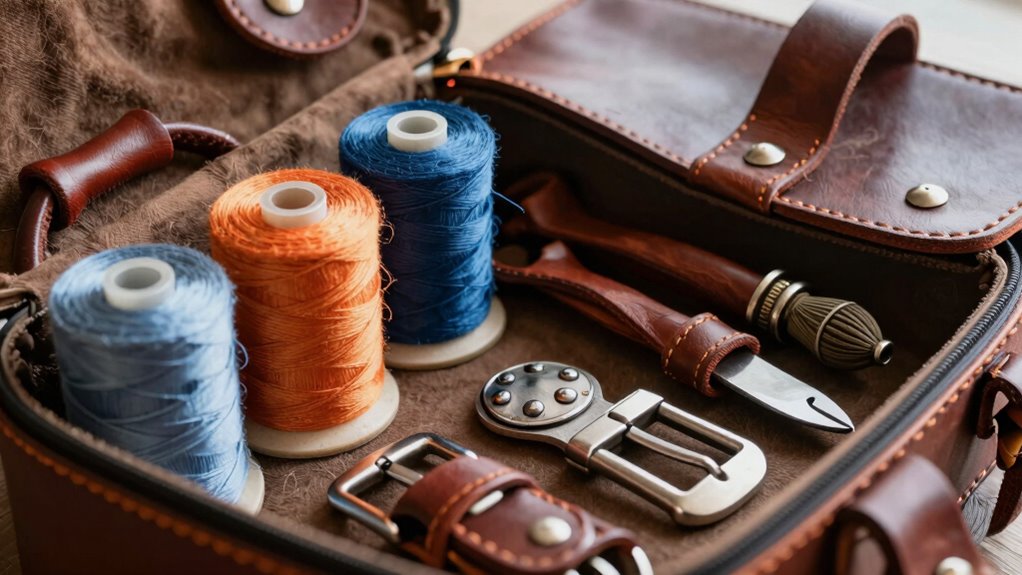

To build a better saddle bag kit, choose durable, lightweight materials like waterproof nylon or ripstop fabrics, and include reflective accents for safety. Mount it securely with adjustable straps or quick-release mechanisms that won’t slip during your ride. Distribute the load evenly to keep your bike stable, and regularly check your setup for tightness and security. Small adjustments can make a big difference—keep exploring to discover how to optimize every aspect for a smoother ride.

Get sports gear delivered free with Prime
- Fast, free delivery on millions of items
- Prime Video, Amazon Music and more included
- Member-only deals all year
Key Takeaways
- Choose durable, water-resistant materials like ripstop nylon and add reflective accents for visibility and longevity.
- Use adjustable straps or quick-release mounts to secure the bag firmly without damaging the saddle or seat post.
- Distribute load evenly across compartments to maintain balance and keep the bike’s center of gravity stable.
- Regularly inspect and tighten straps or fasteners to prevent slippage and ensure secure attachment during rides.
- Prioritize a functional, lightweight design that enhances ride comfort and provides reliable gear security.

If you want to upgrade your cycling experience, building a better saddle bag kit can make a noticeable difference. The first step is choosing the right saddle bag materials. You need something durable enough to withstand the elements yet lightweight enough not to weigh you down. Waterproof nylon or polyester fabrics are popular because they resist water and abrasion, keeping your gear dry and protected. Some bags incorporate ripstop materials, which add extra strength against tears. Consider the size and capacity you need; a compact bag is great for essentials, but if you carry more gear, look for options with expandable compartments. Reflective accents are a bonus, increasing your visibility during early morning or late evening rides, so pick a bag with reflective strips or stitching to enhance safety.
Once you’ve selected the perfect materials, focus on mastering the mounting techniques. Secure attachment is essential to prevent your saddle bag from shifting or falling off mid-ride. Many saddle bags use adjustable straps or velcro mounts that wrap around the seat post and saddle rails. When attaching, make sure the straps are tight enough to hold the bag firmly without causing damage or interfering with saddle comfort. For added security, some riders opt for bags with quick-release mechanisms, which allow for easy removal when needed but stay firmly in place during rides. Position the bag so that it doesn’t interfere with the seat or pedals, and test the stability by giving it a gentle shake before heading out. Proper mounting techniques also include balancing the load evenly; if your bag has multiple compartments, distribute your gear to maintain your bike’s center of gravity. Additionally, using water-resistant mounting hardware can help protect your gear from unexpected weather conditions.
Another tip is to regularly check your mounted saddle bag during rides, especially on longer trips. Straps can loosen over time, and a quick adjustment can save you from losing your gear unexpectedly. Reinforcing mounting points with extra webbing or buckles can further improve stability and prevent slippage. The key is ensuring the bag stays snug and stable, no matter how rough the terrain or how fast you go. In conclusion, selecting the right saddle bag materials and mastering proper mounting techniques will greatly improve your cycling experience. You’ll enjoy greater confidence knowing your gear stays secure, and your ride feels smoother and more efficient. With a little effort and attention to detail, your saddle bag setup can become a reliable, functional part of your cycling gear.
Products Worth Considering

BowFlex Results Series SelectTech Adjustable Dumbbells (Pair)

GoPro HERO Compact Waterproof 4K Action Camera

GoPro HERO12 Black Waterproof Action Camera with 5.3K60 Video and 27MP Photos
As an affiliate, we earn on qualifying purchases.
Frequently Asked Questions
What Materials Are Best for Waterproof Saddle Bags?
For waterproof saddle bags, you should choose durable, water-resistant materials like heavy-duty nylon or coated polyester. These materials keep your gear dry during rides. To maintain leather components, regularly perform leather maintenance to guarantee flexibility and longevity. For color customization, opt for waterproof dyes or paints designed for outdoor gear, which let you personalize your saddle bags while keeping them protected from the elements.
How Do I Customize Saddle Bags for Different Bike Sizes?
You customize saddle bags for different bike sizes by measuring your bike’s frame and adjusting the straps or mounting system accordingly. For a mountain bike, opt for shorter, more flexible straps that fit snugly around the frame, while a touring bike may need longer straps for added stability. Use adjustable buckles and modular attachments, ensuring the bags stay secure regardless of bike size, so you ride confidently on any terrain.
What Tools Are Necessary for Assembly?
You’ll need basic tools like screwdrivers, wrenches, and Allen keys for saddle bag mounting. These help secure the straps and brackets firmly. Also, consider a tape measure or ruler for precise bag capacity selection, ensuring your saddle bags fit well without overloading. A multi-tool can be handy for quick adjustments. With these tools, you’ll easily assemble your kit and customize it to your bike’s size and your storage needs.
How Can I Improve Saddle Bag Durability?
To improve saddle bag durability, focus on proper saddle bag maintenance and smart storage solutions. Regularly inspect for tears or worn areas and reinforce weak spots with stronger stitches or patches. Using high-quality materials resistant to weather and abrasion also helps. Store your saddle bags in a cool, dry place when not in use, avoiding unnecessary exposure to elements that can cause deterioration. This proactive approach keeps your saddle bags sturdy and reliable for longer rides.
Are There Eco-Friendly Saddle Bag Options Available?
Yes, eco-friendly saddle bag options are available. You can choose bags made from recycled fabrics or biodegradable materials, which reduce environmental impact. These options are durable and functional while supporting sustainability. Look for brands that prioritize eco-conscious manufacturing and use natural or recycled textiles. By selecting these environmentally friendly options, you help promote greener practices in cycling gear and contribute to protecting the planet.
Conclusion
Building a better saddle bag kit isn’t just about convenience—it can boost your riding efficiency. Did you know that 78% of cyclists who customize their gear report increased confidence on the trail? By selecting durable materials, organizing essentials thoughtfully, and tailoring your kit to your needs, you’ll ride smarter and farther. Remember, a well-built saddle bag kit isn’t just an accessory; it’s your reliable partner on every adventure. So, gear up and hit the road with confidence!