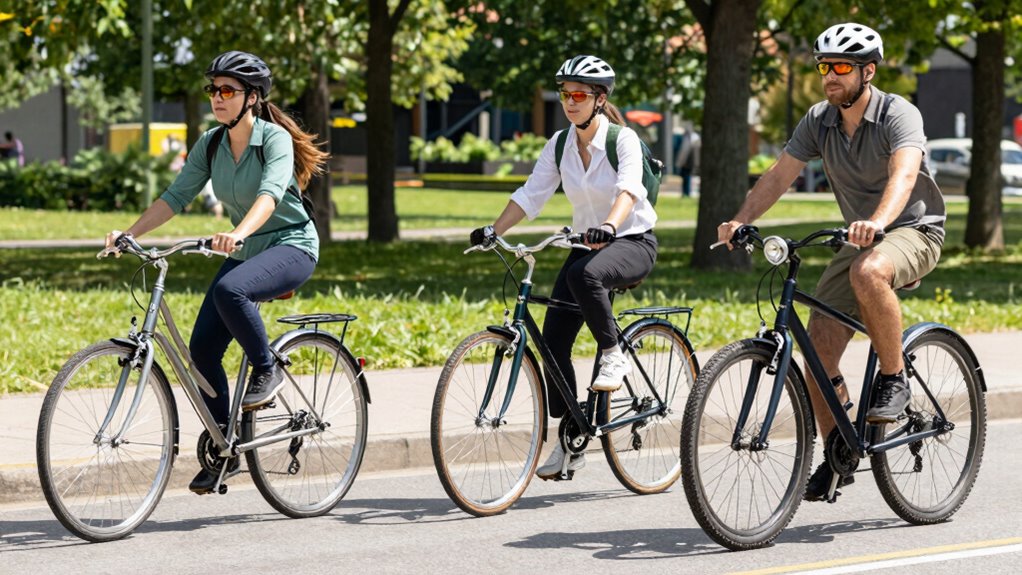

To choose between Class 1, 2, and 3 for daily riding, assess your experience and goals. If you’re a beginner focusing on basics like mounting and balance, start with Class 1. For those with some riding experience aiming to refine skills like trotting and steering, Class 2 is suitable. Advanced riders interested in complex maneuvers like jumping or dressage should consider Class 3. Understanding your skill level and future plans helps make the best choice—keep exploring to find out more.

Get sports gear delivered free — and shop member deals
- Fast, free delivery on millions of items
- Access to Prime Big Deal Days deals on October 6–7
- Prime Video, Amazon Music and more included
Key Takeaways
- Assess your current riding skill level and experience to match with the appropriate class for daily practice.
- Clarify your riding goals, such as casual enjoyment or advanced training, to select the suitable class level.
- Ensure you are comfortable with fundamental skills before moving to higher levels like Class 2 or 3.
- Prioritize safety and proper equipment, especially helmet use, regardless of the class you choose.
- Consult with instructors to receive personalized guidance and confirm your readiness for the desired class level.
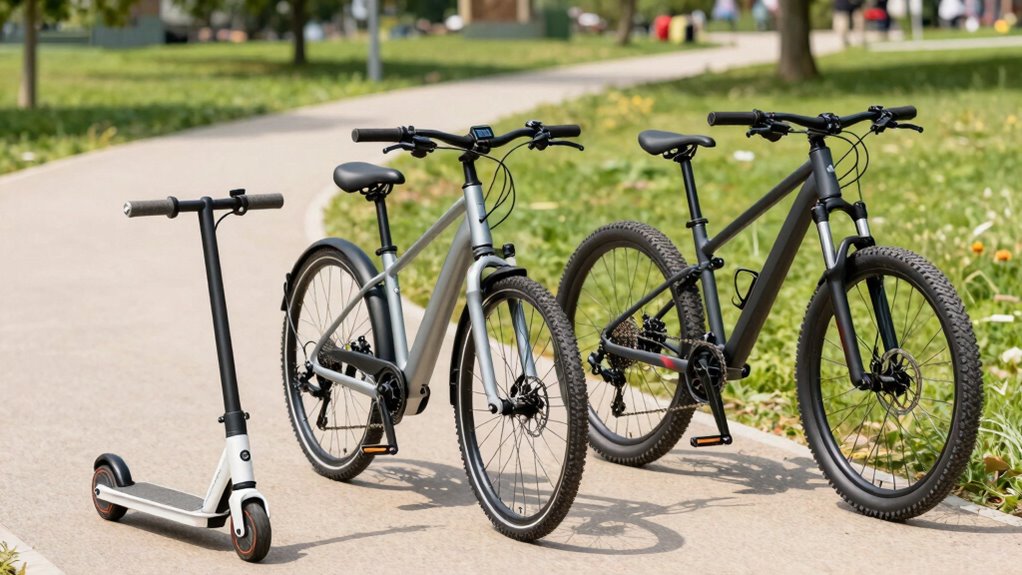
Choosing a riding class can feel overwhelming, especially if you’re new to horseback riding. With different levels, it’s easy to get confused about which class suits your skill and goals best. To start, consider what you want out of your riding experience. Are you interested in casual riding, competitive sports, or maybe even training for advanced disciplines? Your answer will help narrow down your options. But no matter which level you choose, always prioritize helmet safety and proper riding gear. A well-fitted helmet isn’t just a good idea — it’s vital for protecting your head, especially when you’re just starting out or trying new techniques. Make sure your helmet fits snugly, covers your forehead, and is certified for horseback riding. Beyond helmet safety, investing in quality riding gear such as boots, gloves, and comfortable pants will boost your confidence and safety. Additionally, understanding the basics of horse behavior and safety can help prevent accidents and improve your riding experience. Being aware of horse behavior can help you anticipate your horse’s reactions, making your rides safer and more enjoyable. Incorporating biodiversity principles into your riding practices can also contribute to sustainable riding environments and promote the well-being of both horses and natural habitats. Recognizing the importance of equine health can further enhance your safety and your horse’s well-being during riding sessions.
Prioritize helmet safety and invest in quality gear to boost confidence and protect yourself during your riding journey.
When deciding between Class 1, 2, and 3, think about your experience and comfort level. Class 1 is typically designed for beginners who want to learn the basics of riding and horsemanship. These classes focus on fundamental skills like mounting, dismounting, basic riding posture, and understanding horse behavior. If you’re new and want a gentle introduction to riding, a Class 1 session is perfect. It’s often less intense, giving you the chance to build confidence without feeling overwhelmed.
Class 2 tends to be for riders who have some experience and are ready to refine their skills. You might have taken a few beginner classes already or have a basic understanding of riding. In this level, expect to work on more complex maneuvers like trotting, steering, and maybe even basic jumping. The focus shifts from just handling the horse to developing better control and riding style. If you’re comfortable in the saddle but want to improve your technique, Class 2 is a good fit.
Class 3 is geared toward more advanced riders or those preparing for competitions. These classes involve faster-paced riding, advanced jumping, dressage, or trail riding skills. If you’re confident in your riding ability and want to pursue a professional or competitive track, Class 3 will challenge you further. It’s important to have solid riding fundamentals before moving into this level, so don’t rush into it unless you feel ready. Whichever class you choose, always communicate with your instructor about your experience and goals. This helps ensure you get the right instruction, safety tips, and gear recommendations to make your riding journey enjoyable and safe.
As an affiliate, we earn on qualifying purchases.
Frequently Asked Questions
Can I Upgrade My Class Later if I Start With a Lower One?
Yes, you can upgrade your class later. When you decide to do so, you’ll need to check gear compatibility for the new class and complete the necessary licensing procedures. The process typically involves additional training and testing, but it’s manageable if you’re prepared. Guarantee to verify the specific requirements for your region, as upgrade procedures can vary. Planning ahead helps assure a smooth shift to a higher class whenever you’re ready.
Are There Specific Training Requirements for Each Class?
Yes, each class has specific training requirements you need to meet before riding. You’ll also learn about helmet safety and proper riding gear during training to guarantee your safety. For Class 1, expect more advanced skills, while Class 2 and 3 focus on different riding techniques. Completing the required training helps you ride confidently and safely, and you can always upgrade your class later if you want more riding options.
How Does Riding Experience Influence Class Selection?
Your riding experience greatly influences your class choice; riders with less than a year often prefer Class 1 for comfort, while those with more experience tend to choose Class 2 or 3 for skill development. Studies show that 65% of beginners prioritize riding comfort, whereas experienced riders seek challenges. Your comfort level and skill development goals guide you in selecting the appropriate class, ensuring enjoyable, safe daily riding.
Do Different Classes Have Varying Insurance Costs?
Yes, different classes have varying insurance costs. Insurance premiums often depend on the bike’s class, with higher classes typically costing more due to increased risk factors. When doing a cost comparison, you’ll notice Class 3 bikes usually have higher premiums than Class 1 or 2. Consider your riding needs and budget carefully, as choosing a higher class might lead to increased insurance expenses over time.
What Are the Legal Restrictions for Each Riding Class?
You should know that Class 1 riders generally face fewer restrictions, but helmet regulations are mandatory for all classes to guarantee safety. Licensing procedures vary, with Class 2 and 3 requiring more extensive testing and documentation. For legal riding, you must adhere to helmet laws and complete licensing steps specific to your class. Failing to comply can lead to fines or license suspension, so stay informed about your local regulations.
Conclusion
So, you’ve got the basics down, but the real decision awaits. Will you choose the safety of Class 1, the power of Class 2, or the versatility of Class 3? Each option promises a different riding experience—one that could change your daily routine forever. Are you ready to take that leap? The right class is out there, just waiting for you to discover it. The next ride might be closer than you think—are you prepared for what’s next?
Fall Picks
fall essentials
As an affiliate, we earn on qualifying purchases.