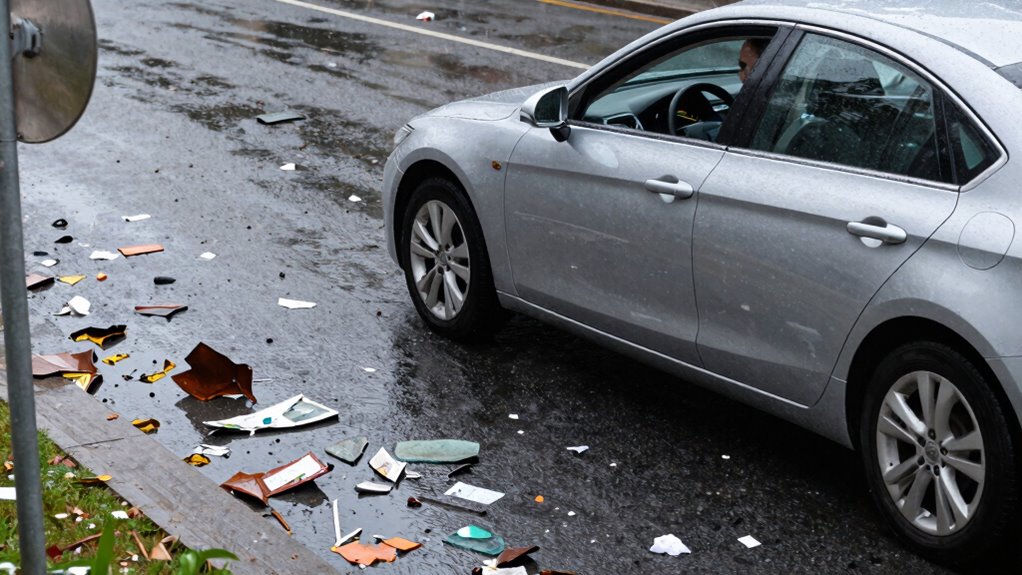
When you encounter road debris, stay calm and keep a firm grip on the wheel. Assess the situation quickly, avoiding sudden swerves or abrupt braking that could cause loss of control. Steer around small debris if safe, or pull over to a safe spot to inspect and remove larger hazards. Regular vehicle checks and carrying safety tools like reflective triangles improve your response. If you want to learn more tips to stay safe, you’ll find useful advice ahead.

Get sports gear delivered free with Prime
- Fast, free delivery on millions of items
- Prime Video, Amazon Music and more included
- Member-only deals all year
Key Takeaways
- Remain calm, keep a firm grip on the wheel, and avoid sudden swerving or braking when encountering debris.
- Regularly inspect your vehicle’s brakes, tires, and steering to ensure optimal response to hazards.
- Use hazard lights immediately if debris blocks the lane or poses a danger.
- Safely steer around manageable debris or stop at a safe spot to inspect and remove hazards.
- Stay alert, plan routes in hazard-prone areas, and keep emergency safety tools accessible for quick response.
Have you ever encountered unexpected debris on the road and wondered how to handle it safely? When debris suddenly appears, your first instinct might be to swerve or slam on the brakes, but that can be risky. Instead, it’s vital to stay calm, keep a firm grip on the wheel, and assess the situation quickly. Proper vehicle maintenance plays an essential role here—well-maintained brakes, tires, and steering make it easier to respond effectively. Regularly inspecting your vehicle ensures that you’re prepared for sudden obstacles, giving you better control and reducing the chance of losing traction or stability when debris appears.
Stay calm, maintain control, and ensure your vehicle is well-maintained for safe responses to unexpected road debris.
Emergency preparedness is another key part of handling road debris safely. Always keep an emergency kit in your car, including items like a flashlight, reflective triangles, and a first aid kit. These tools can be invaluable if you need to stop and assess damage or warn other drivers. If debris blocks your lane or is hazardous, don’t hesitate to turn on your hazard lights immediately to alert approaching vehicles. Moving cautiously and slowly becomes even more critical in these moments, especially if visibility is low or the debris is large and difficult to navigate around. Being aware of road hazard awareness can significantly improve your safety in these situations. Additionally, understanding how to properly inspect your vehicle after encountering road hazards can help prevent further issues down the line. Maintaining awareness of vehicle safety features can also enhance your ability to respond effectively to unexpected road obstacles.
When you notice debris on the road, avoid the temptation to try and pick it up while driving. Instead, safely steer around it, maintaining a steady speed. If the debris is small and manageable, you might be able to carefully move over it, but only if you have enough space and control. If you’re unsure, it’s safer to find a safe spot to pull over—preferably a shoulder or designated emergency lane—and then assess the situation. After stopping, inspect your vehicle for any damage, especially to tires and undercarriage, which can be compromised by sharp objects or heavy debris. This is why vehicle inspection is crucial after encountering road hazards. Ensuring your vehicle has proper safety features can help prevent accidents caused by road hazards.
Staying prepared for unexpected road hazards also means planning your route ahead of time, especially in areas prone to fallen branches or loose cargo. Being aware of your surroundings and potential risks allows you to react faster and more safely. Remember, your focus should be on maintaining control and protecting yourself and others. Proper vehicle maintenance and emergency preparedness give you the confidence to handle road debris more safely, reducing the chances of accidents or damage. By staying calm, alert, and prepared, you can navigate around debris effectively and ensure a safer journey for everyone on the road.
As an affiliate, we earn on qualifying purchases.
Frequently Asked Questions
How Can I Prevent Debris From Damaging My Vehicle?
You can prevent debris from damaging your vehicle by performing regular vehicle inspections to catch any early issues. Keep your tires properly inflated and maintain your vehicle’s alignment to reduce vulnerability. Use debris prevention strategies like avoiding gravel roads or poorly maintained areas when possible. Applying protective film or splash guards can also shield your vehicle from rocks and debris, minimizing the risk of damage during your drives.
What Should I Do if Debris Causes a Flat Tire?
If debris causes a flat tire, don’t panic—your safety comes first. Safely pull over to a secure spot, turn on your hazard lights, and assess the damage. Use a spare tire if available, and if not, call roadside assistance for professional tire repair. Remember, staying calm and prepared helps you handle this situation efficiently, ensuring you get back on the road quickly and safely.
Are There Legal Penalties for Debris-Related Accidents?
Yes, there are legal penalties for debris-related accidents. You might face liability issues if you’re responsible for placing or neglecting to remove debris, leading to accidents. These incidents can also impact insurance claims, potentially increasing premiums or complicating payouts. It’s essential to stay vigilant about road debris, promptly report hazardous conditions, and make certain you’re not liable for any damage or injury caused, helping you avoid legal and financial repercussions.
How Can I Report Dangerous Road Debris to Authorities?
Did you know that over 70% of drivers encounter road debris daily? To report dangerous debris, you should follow local reporting procedures, which often include calling a specific non-emergency number or using debris reporting apps. Many cities now offer these apps for quick, easy submissions. Simply provide details like location, debris type, and size. Using these tools helps authorities respond faster and keeps everyone safer on the road.
What Safety Equipment Is Recommended for Debris Removal?
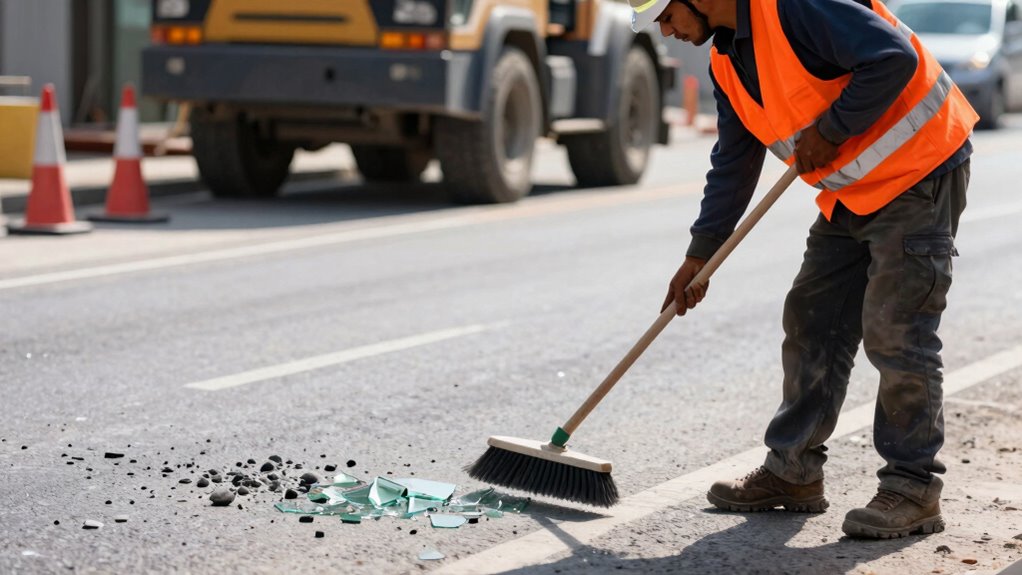
You should wear protective gloves to prevent cuts and scrapes, and safety glasses to shield your eyes from flying debris. Additionally, consider using sturdy footwear and a reflective vest for visibility. Always inspect debris carefully before handling, and use tools like a broom or shovel to minimize direct contact. Prioritize your safety by wearing the right equipment, ensuring you stay protected while removing road debris efficiently.
Conclusion
By staying alert and following these safety tips, you’ll be able to handle road debris with confidence—almost like you’ve got superpowers! Remember, every piece of debris you encounter is a potential hazard, but your quick thinking and cautious actions can turn a dangerous situation into a minor bump in your journey. Keep your focus sharp, your speed controlled, and your mind prepared—you’re not just handling debris, you’re mastering the road like a true safety hero.
Halloween Picks
halloween
As an affiliate, we earn on qualifying purchases.