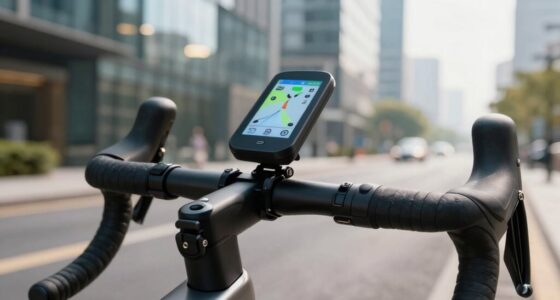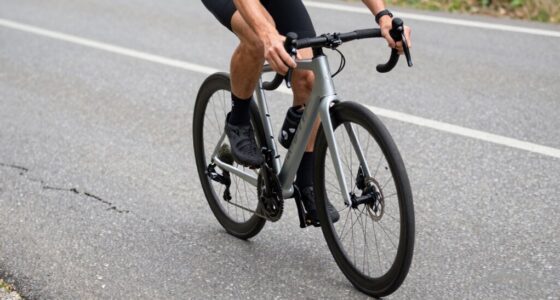

To ride clipless pedals safely, start by practicing in a flat, quiet area to get comfortable with clipping in and out. Make sure your bike fit and cleat position are correct to avoid discomfort and awkward movements. Practice gentle clip-in and clip-out motions, twisting your heel outward to release. Stay relaxed on your handlebars and anticipate stops early. With patience and consistent practice, you’ll develop confidence and smooth technique—keep exploring to learn more about mastering your clips securely.

Get sports gear delivered free with Prime
- Fast, free delivery on millions of items
- Prime Video, Amazon Music and more included
- Member-only deals all year
Key Takeaways
- Practice clipping in and out in a flat, safe area to build confidence and muscle memory.
- Ensure proper bike fit and cleat alignment for comfortable, efficient engagement and reduced injury risk.
- Start with your dominant foot clipped in and the other foot on the ground for balance during practice.
- Twist your heel outward to unclip smoothly before stopping or navigating tricky terrain.
- Maintain relaxed grips and steady cadence during riding to stay balanced and anticipate unclipping needs.
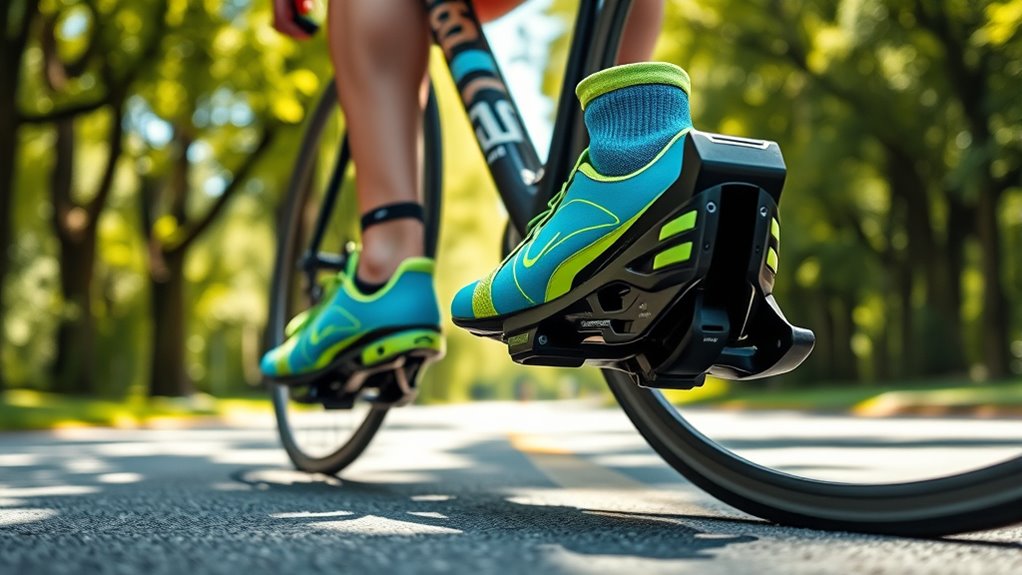
Riding with clipless pedals offers increased efficiency and control, but it also requires proper technique and safety awareness. To get started confidently, you need to understand pedal mechanics and how they influence your riding. Clipless pedals are designed to securely attach your shoes to the bike, creating a direct connection that maximizes power transfer. However, before you clip in, it’s essential to learn how the mechanism works: aligning cleats with the pedal’s engagement point, understanding release tension, and practicing the clip-in and clip-out motions. These steps help you develop muscle memory and prevent accidental falls.
Understanding pedal mechanics is key to safe, efficient clipless riding.
Equally important is ensuring your bike fits you correctly. A proper bike fitting optimizes your riding position, making clipless pedal use more natural and reducing strain or discomfort. When your saddle height, handlebar position, and cleat placement are aligned with your body’s biomechanics, engaging and disengaging from the pedals becomes smoother. For example, your cleats should be positioned to allow your foot to rest comfortably over the pedal’s axle, avoiding unnecessary foot rotation or knee strain. A well-fitted bike minimizes the risk of overreaching or awkward movements when clipping in or out, which can cause falls or injuries, especially for beginners.
Once your bike is fitted, you can practice mounting and dismounting in a safe, flat area. Start by placing your bike upright, then position your dominant foot on the pedal in the already engaged position. Push down to clip in, ensuring the cleat engages fully with the pedal mechanism. Your other foot remains on the ground for balance. Practice unclipping by twisting your heel outward, a motion that should become intuitive with repetition. Focus on slow, controlled movements until you gain confidence. It’s best to learn these skills away from traffic or obstacles to avoid injury during missteps.
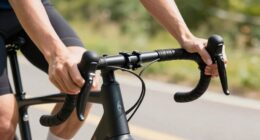
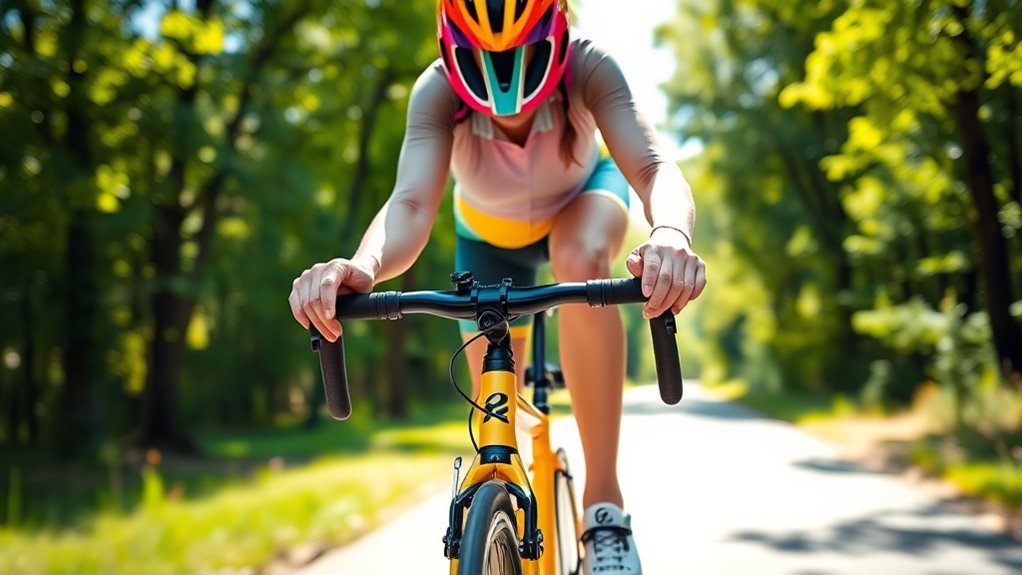
When riding, maintain a relaxed grip on the handlebars and keep your cadence steady. Anticipate stops by unclipping early, especially before coming to a complete stop or when approaching tricky terrain. Developing this habit takes time but is vital for safety. Remember, the key to mastering clipless pedals is patience and consistent practice. Adjust your cleat position if you experience discomfort, and don’t rush the process of learning to clip in and out. With proper pedal mechanics and a well-fitted bike, you’ll find yourself riding more efficiently, comfortably, and confidently.
Products Worth Considering

GoPro Hero12 Black Waterproof Action Camera with 5.3K60 Video and 27MP Photos

YETI Rambler Gallon Jug 2.0, Vacuum Insulated, Leakproof, Stainless Steel with MagCap, Black

BowFlex Results Series SelectTech Dumbbells
As an affiliate, we earn on qualifying purchases.
Frequently Asked Questions
What Are the Best Clipless Pedals for Beginners?
The best clipless pedals for beginners are typically platform-compatible models like Shimano SPD or Look Keo Classic. These clipless pedal types are easy to engage and release, making them ideal for newcomers. As a beginner, follow pedal tips like practicing clipping in and out in a safe space and adjusting tension for easy release. These pedals boost confidence and improve pedaling efficiency while keeping safety a priority.
How Do I Choose the Right Cycling Shoes?
When choosing cycling shoes, focus on shoe fit—make sure they’re snug but not tight, with enough room for comfort. Check compatibility issues by verifying that the shoes match your clipless pedal system. Consider your riding style and terrain to select appropriate stiffness and features. Try different brands and sizes, and walk around to test comfort before buying. Proper fit and compatibility guarantee a safer, more efficient cycling experience.
Can I Switch Back to Flat Pedals Easily?
Absolutely, you can switch back to flat pedals if you want. Just keep in mind that foot release and pedal compatibility are key. You might need to adjust your riding style initially, but it’s usually straightforward. Make sure your new flat pedals suit your shoes and riding needs. With a little practice, you’ll be back to comfortable riding, enjoying the versatility of flat pedals without hassle.
What Maintenance Is Required for Clipless Pedal Systems?
You should regularly maintain your clipless pedal system by cleaning the pedals to remove dirt and debris, ensuring smooth engagement. Check the spring tension and adjust it if needed for ideal release and secure clip-in. Inspect the cleats and bindings for wear or damage, replacing parts when necessary. Proper maintenance keeps your pedals functioning smoothly, enhances safety, and prolongs their lifespan, making your rides more efficient and enjoyable.
Are Clipless Pedals Suitable for Mountain Biking?
Absolutely, clipless pedals are a great fit for mountain biking. Their history shows they’ve evolved to handle rough terrain, offering excellent control. You just need to guarantee pedal system compatibility with your shoes and bike. Think of it as a dance—when you’re locked in, you move with precision. With the right setup, you’ll enjoy better power transfer, confidence on descents, and a secure feel that makes mountain biking more thrilling.
Conclusion
Now that you know how to ride clipless safely, you’re ready to hit the trails confidently. Remember, practicing proper clip-in and clip-out techniques considerably reduces falls—studies show riders who practice safety tips are 30% less likely to get injured. Stay alert, wear your helmet, and always double-check your gear before riding. With these precautions, you’ll enjoy smoother, more efficient rides. So gear up and embrace your cycling journey with confidence and safety in mind!