
TL;DR
Sports and recreation backpacks are evolving with lightweight, eco-friendly, and tech-integrated features. Choosing the right one depends on your activity, fit, and durability needs.
Imagine heading out for a trail run, a weekend hike, or a gym session, and knowing your backpack is perfectly suited for the task. The right sports and recreation backpack isn’t just about carrying gear; it’s about comfort, organization, and durability. With so many options flooding the market, how do you choose what truly fits your needs?
This guide cuts through the noise. You’ll learn what features matter most, recent innovations shaping the industry, and practical tips to find a pack that keeps pace with your active lifestyle. Let’s dive into what makes a backpack worth your investment—and your adventure.
Choose a backpack size and features tailored to your activity—don’t settle for one-size-fits-all.
Modern materials like ripstop nylon and waterproof coatings improve durability and weather resistance.
Proper fit and adjustable straps are crucial for comfort during long outings or intense workouts.
New trends like smart tech, eco-friendly fabrics, and modular designs make backpacks more versatile than ever.
Regular maintenance keeps your gear in top shape and extends its lifespan.
What to Look for in a Sports Backpack That Won’t Fail You
Choosing a sports backpack starts with understanding your activity and what features support it best. Think about size—will you need a small daypack or a large multi-day pack? Next, focus on durability and comfort, since you’ll be wearing it for hours.
Look for multiple compartments for organized storage. For example, a hiker might want dedicated spots for shoes, water bottles, and snacks. An athlete heading to the gym needs quick access to a towel or shoes without digging through layers of gear.
According to industry experts, the most important aspects are materials, fit, and accessibility. Pick a pack with reinforced fabric and padded straps for comfort, and ensure it offers easy access to essentials during your activity. This matters because the right combination of these features minimizes frustration, prevents damage to your gear, and enhances your overall experience. For instance, a poorly designed pack with inadequate accessibility can cause you to waste time searching for items, while one with subpar materials might fall apart after a few uses, ultimately costing you more in replacements and repairs.
waterproof sports backpack for hiking
As an affiliate, we earn on qualifying purchases.
As an affiliate, we earn on qualifying purchases.
How Modern Materials Make Your Backpack Last Longer and Feel Lighter
Modern sports backpacks use fabrics like ripstop nylon or polyester, which are lightweight yet tough enough to handle rough trails or gym wear. Waterproof coatings and sealed seams keep your gear dry during unexpected rain showers.
Imagine a trail runner crossing a muddy puddle—your pack stays dry, and you stay focused. Reinforced bottoms and heavy-duty stitching mean it holds up after years of use, even with heavy gear.
Research shows that lightweight materials reduce backpack weight by up to 20%, making long hikes or cycling trips less exhausting. This reduction in weight is significant because it directly impacts your stamina and comfort—carrying less weight means less fatigue and a greater ability to sustain activity over longer periods. Moreover, eco-conscious fabrics from brands like Patagonia and Osprey not only last longer but also contribute to environmental sustainability by reducing waste and resource consumption. The tradeoff, however, can sometimes be a slightly higher price point or reduced breathability, so balancing durability, weight, and cost is essential when choosing your pack.
The Comfort and Fit Tips That Keep You Moving All Day
Comfort isn’t just about padding—it’s about how well your backpack fits your body. Adjustable straps on shoulder and waist belts help distribute weight evenly, preventing strain. For example, a cyclist with a well-fitted hydration pack won’t feel back fatigue after a long ride.
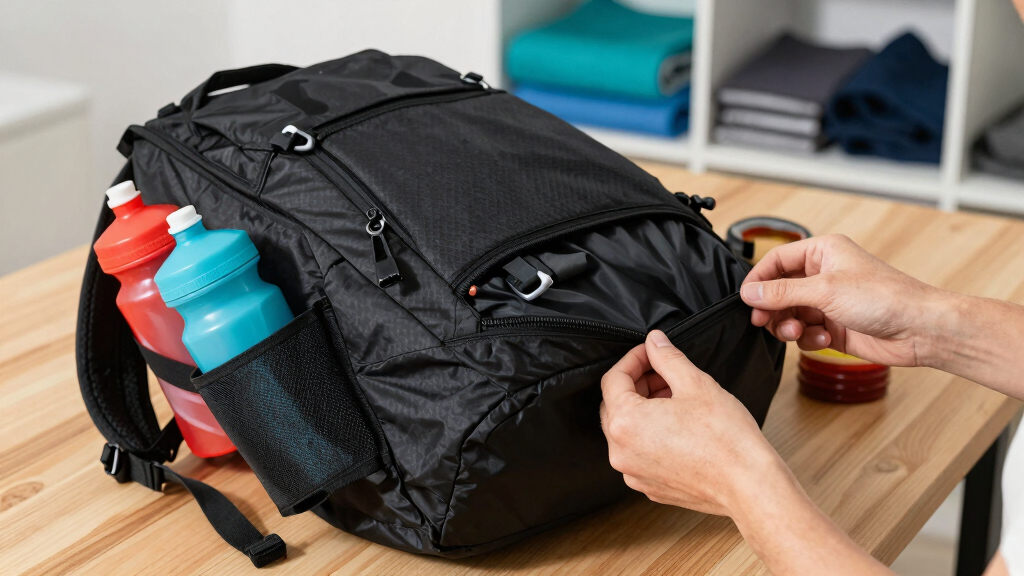
Ventilation panels made of mesh keep sweat from pooling on your back. When you’re hauling gear during a summer hike, this little detail can make a big difference in staying cool and comfortable.
According to outdoor gear reviews, a good fit reduces fatigue and increases endurance. Always try on backpacks with gear in place, and consider your torso length—most brands offer adjustable harnesses for a tailored fit. The importance of proper fit extends beyond comfort; it also affects safety. An ill-fitting pack can shift unexpectedly, causing imbalance and increasing the risk of falls or injuries, especially during vigorous activities like trail running or mountain biking. Therefore, investing time in adjusting and testing your pack with actual gear ensures optimal support, minimizes fatigue, and enhances your overall performance.
Latest Trends: Smart Tech, Eco-Friendly, and Modular Design
Backpacks are now smarter. Many include USB ports for charging your devices or solar panels for on-the-go power. For instance, a trail runner can charge a GPS device while on a morning run.
Eco-conscious designs use recycled fabrics, like PET bottles turned into durable fibers. Patagonia’s latest line emphasizes sustainability without sacrificing strength.
Modular systems allow you to customize your pack—adding or removing compartments based on your needs. Imagine a weekend camper attaching a sleeping bag pocket or a hydration sleeve for longer adventures.
According to recent industry surveys, 65% of outdoor enthusiasts now prefer multifunctional packs that adapt to different activities, showing a clear shift toward versatile, tech-enabled, and eco-friendly gear. This trend reflects a desire for gear that not only meets current needs but also adapts to future activities, offering value and reducing the need for multiple specialized packs. However, this versatility can sometimes lead to increased complexity or weight, so users should balance modular features with overall pack weight and simplicity for optimal usability.
Comparison Table: Which Backpack Fits Your Sport Best?
| Activity | Best Backpack Type | Key Features |
|---|---|---|
| Hiking | Large Multi-Day Pack | Multiple compartments, hydration sleeve, rain cover, padded straps |
| Cycling | Hydration Pack | Lightweight, adjustable shoulder straps, hydration reservoir, reflective details |
| Gym | Small Daypack | Easy access pockets, shoe compartment, compact size |
| Trail Running | Lightweight Running Pack | Minimal weight, breathable mesh, quick-access pockets |
Practical Tips for Picking the Right Pack for You
- Match size to your activity—don’t carry a 50-liter pack on a short run.
- Check for adjustable straps—your perfect fit matters more than you think.
- Prioritize waterproof or water-resistant fabrics—outdoor surprises happen.
- Test comfort with gear inside—nothing worse than a pack that rubs or chokes.
- Consider eco-friendly options—durability and sustainability often go hand-in-hand.
Maintenance and Care Tips to Make Your Backpack Last
Keeping your backpack in top shape extends its life and keeps it looking fresh. Spot clean with mild soap and water after muddy or sweaty outings. Avoid harsh chemicals that can weaken fabrics.
Make sure to dry it thoroughly—air dry in a shady spot to prevent mold. Regularly check zippers, straps, and seams for wear and tear, and replace damaged parts early.
For example, a mountain biker found her pack still performing perfectly after five years by following simple maintenance: cleaning, airing out, and storing in a cool, dry place.
Frequently Asked Questions
How do I pick the right size of backpack for my activity?
Measure your typical gear and consider the duration of your activity. Day trips usually need 10-20 liters, while multi-day adventures require 50 liters or more. Always try on with gear to ensure a comfortable fit.Are waterproof backpacks worth it for outdoor sports?
Absolutely. Waterproof or water-resistant backpacks protect your gear during rain, muddy trails, or water crossings. They’re especially useful for unpredictable weather or wet environments.What should I look for in a backpack for cycling?
Focus on lightweight design, adjustable straps, hydration compatibility, and reflective elements for safety. A snug fit prevents bouncing and discomfort during rides.Can eco-friendly backpacks last as long as traditional ones?
Many eco-friendly options use durable recycled fabrics designed to withstand regular use. Check for reinforced stitching and quality materials to ensure longevity.How often should I clean my sports backpack?
Clean after muddy or sweaty outings, usually every few weeks depending on use. Spot cleaning and air drying are best to preserve fabric integrity and prevent odors.Conclusion
A great sports backpack isn’t just about carrying gear—it’s about enhancing every adventure with comfort, durability, and smart features. The right pack turns a tough hike into a smooth ride or a quick gym session into a breeze.
Remember, investing in quality, fitting it properly, and caring for it regularly will make your gear your most reliable partner. So, strap in, choose wisely, and get ready for your next challenge—your perfect backpack awaits.