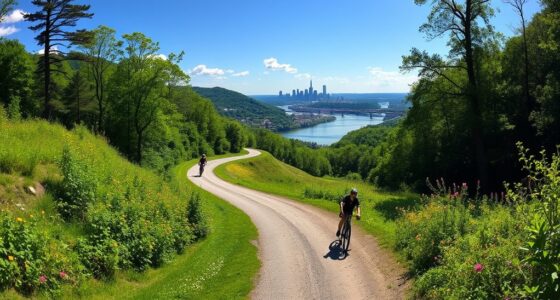

To ride new routes confidently, start by reviewing maps or GPS routes beforehand, noting key landmarks like buildings, signs, or natural features. Actively scan your surroundings during your ride to recognize these landmarks and use them as visual cues to confirm your progress. Practice building a mental map by associating landmarks with turns and exits, which helps reduce reliance on devices. Keep exploring, and you’ll discover more ways to navigate with ease.

Get sports gear delivered free — and shop member deals
- Fast, free delivery on millions of items
- Access to Prime Big Deal Days deals on October 6–7
- Prime Video, Amazon Music and more included
Key Takeaways
- Review maps and note landmarks to anticipate turns and intersections before starting your ride.
- Actively scan surroundings for distinctive features like buildings, signs, or natural landmarks during your ride.
- Use landmarks to build a mental map, recognizing patterns for faster navigation in unfamiliar areas.
- Associate specific landmarks with route cues to reduce reliance on digital devices.
- Practice identifying landmarks in familiar areas to improve recognition skills in new routes.
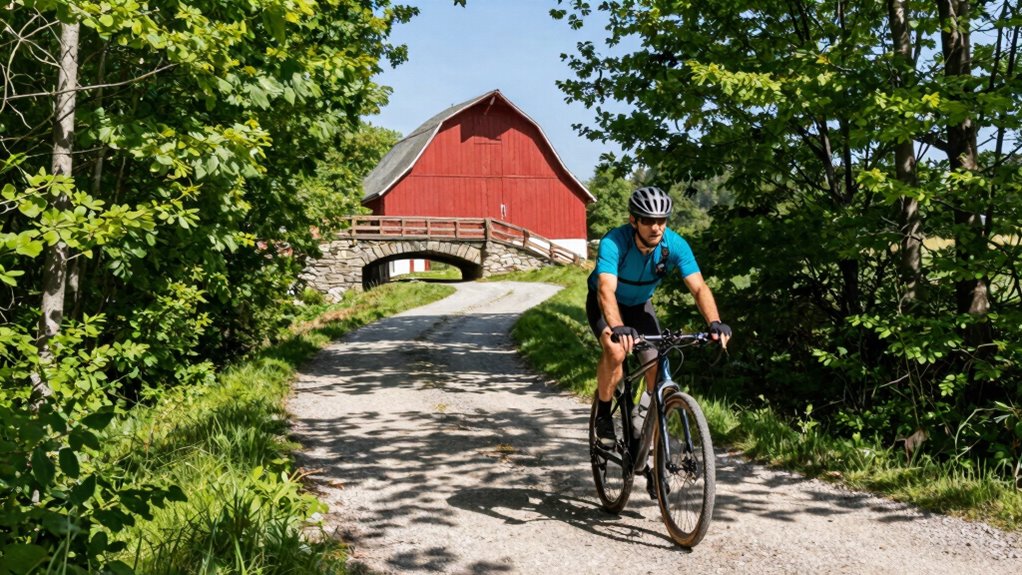
Have you ever felt unsure about maneuvering a new route on your bike or motorcycle? It’s a common feeling, especially when you’re exploring unfamiliar streets or scenic routes. To boost your confidence, using landmarks effectively can make a huge difference. Before hitting the road, it’s smart to do some route planning. Look at maps or GPS routes ahead of time, noting key landmarks along the way. This prep helps you anticipate turns, intersections, or notable features that will guide you, reducing the guesswork once you’re riding. Incorporating landmarks into your planning makes the route more tangible and easier to follow, especially in areas with complex street layouts.
Once you’re on the road, the real trick is to keep your eyes open for these landmarks. They can be anything from a distinctive building, a unique tree, a bridge, or even a specific sign. As you ride, actively scan your surroundings and identify these points. Instead of relying solely on your GPS or turn-by-turn instructions, use landmarks as visual cues to confirm you’re on the right track. For example, when you pass a tall clock tower, you know you’re approaching a key intersection. This mental map helps you stay aware of your location without constantly checking your device, which can be distracting or overwhelming. Developing spatial awareness through landmark recognition can significantly enhance your navigation skills. Practicing this skill during familiar rides will help you build a mental visual map, making it easier to rely on landmarks in new areas. Additionally, becoming familiar with common landmark patterns enhances your ability to recognize routes quickly.
Keep your eyes open for landmarks like buildings, trees, or signs to confirm your route and stay aware without over-relying on devices.
Maintaining good bike maintenance is vital here. A well-tuned bike ensures you can focus on the road and your surroundings, not on mechanical issues. Properly inflated tires, functioning lights, and reliable brakes keep you confident and safe while paying attention to landmarks. When your bike is in top shape, you can ride more smoothly and react swiftly to unexpected situations, allowing you to concentrate on route cues rather than worrying about breakdowns.
Using landmarks effectively also involves developing a habit of quick visual recognition. Practice identifying these features during familiar rides so that, when you’re in new territory, it becomes second nature. Over time, your brain begins to associate certain landmarks with specific turns or exits, making navigation feel more instinctive. This approach not only helps in route planning but also improves your overall riding confidence. You’ll find yourself less reliant on digital devices and more engaged with your environment. As your skills grow, riding new routes becomes less intimidating and more enjoyable, transforming unfamiliar streets into familiar pathways.
As an affiliate, we earn on qualifying purchases.
Frequently Asked Questions
How Do I Identify Reliable Landmarks in Unfamiliar Areas?
You identify reliable landmarks in unfamiliar areas through visual recognition and landmark memorization. Look for distinct, consistent features like unique buildings, signs, or natural features that stand out. Pay attention to how these landmarks appear from different angles and distances. Repeating this process helps you remember their locations, making navigation easier and more confident. Over time, your brain will associate these landmarks with specific routes, boosting your overall confidence.
What Should I Do if Landmarks Are Obscured or Missing?
When landmarks vanish like shadows at dusk, rely on visual cues that stay steady—like street signs, building shapes, or unique trees. Remember, landmark consistency helps you navigate even when scenery shifts. Keep your eyes peeled for patterns and subtle clues, and don’t hesitate to use your GPS as a backup. Adaptability turns uncertainty into confidence, letting you find your way even when familiar sights fade away.
How Can I Adapt Landmarks for Different Weather Conditions?
To adapt landmarks for different weather conditions, you should rely on weather adaptation techniques like recognizing distinctive features that remain visible despite fog, rain, or snow. For example, in poor visibility, focus on larger, more prominent landmarks or natural features less affected by weather. Keep an eye on changing conditions, and adjust your mental map accordingly. This way, you maintain landmark visibility and confidently navigate new routes, no matter the weather.
Are There Digital Tools to Help Recognize Landmarks?
Yes, digital maps and landmark apps can help you recognize landmarks more easily. They often include real-time navigation features, photos, and descriptions that make identifying landmarks simpler, even in unfamiliar areas. You just need to input your route, and these tools will highlight key landmarks along the way. Using these digital resources boosts your confidence, helping you navigate new routes more efficiently and safely, regardless of weather or lighting conditions.
How Can I Practice Using Landmarks Safely While Riding?
Did you know riders who practice with environmental markers improve their navigation skills by up to 40%? To practice using landmarks safely, start in familiar areas with low traffic. Focus on visual cues like distinctive trees or buildings, and rely on environmental markers to guide you. Keep your eyes on the road, take it slow, and gradually challenge yourself by riding in more complex areas. Always prioritize safety over speed.
Conclusion
By using landmarks, you’ll navigate new routes with the confidence of a seasoned explorer. Remember, every journey is a story waiting to unfold, much like the tales told around a campfire under a starry sky. Trust your instincts, stay alert, and embrace the adventure ahead. With each familiar landmark, you’ll feel more at home, even in uncharted territory. So saddle up and ride on—your path is waiting, and the road is yours to conquer.
NFL season / tailgating Picks
team gear
As an affiliate, we earn on qualifying purchases.