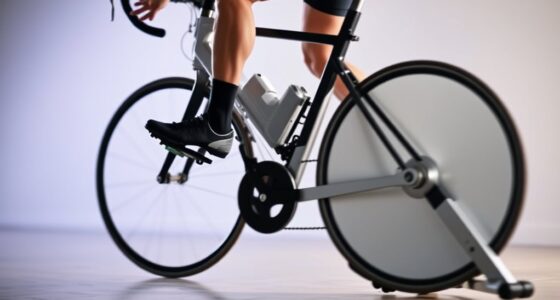
Yes, your daily commute can replace some training rides if you optimize it with targeted efforts. Focus on maintaining proper cycling techniques, controlling your cadence, and occasionally adding interval efforts to boost fitness. Fuel your body well before rides and keep your bike in top shape for efficiency. By integrating these strategies, your commute can become a valuable part of your training routine. Continue exploring ways to make your rides even more effective and tailored to your goals.
Listen free for 30 days with Audible
Thousands of audiobooks and originals — cancel anytime.
As an affiliate, we earn on qualifying purchases.
Key Takeaways
- Commuting can serve as effective aerobic training if ridden at appropriate intensities and durations.
- Incorporating interval efforts during commutes can mimic training rides and boost fitness.
- Regular, consistent commuting helps build endurance but may lack specialized training variations.
- Balancing riding intensity and recovery during commutes is essential to prevent overtraining.
- Proper bike maintenance and fueling enhance the quality and training benefits of commuting rides.

Many cyclists wonder whether their daily commute can double as effective training, especially with busy schedules making dedicated rides seem less feasible. The truth is, commuting can serve as a valuable component of your overall training plan if you approach it intentionally. To maximize the benefits, you’ll want to pay attention to bike maintenance, guaranteeing your bike runs smoothly and efficiently, reducing the likelihood of breakdowns that disrupt your ride. Regularly check tire pressure, brake function, and chain lubrication, so your bike is always ready to perform at its best. A well-maintained bike not only keeps you safe but also helps you ride more efficiently, making your commute feel less like a chore and more like a productive training session.
Maintaining your bike ensures safe, efficient rides—turning your commute into productive training.
Incorporating specific nutrition strategies into your daily routine can also elevate your commuting workouts. Carry lightweight, energy-boosting snacks like energy bars or gels to keep your energy levels steady during longer rides. Hydration is equally important; keep a water bottle readily accessible and take small sips regularly. Proper nutrition ensures you’re fueling your body adequately without feeling sluggish or overly full, which can hinder your performance. If you have time before heading out, a balanced meal rich in carbs and protein can provide the energy needed for sustained effort during your commute, especially if you plan to push yourself harder on certain days. Additionally, understanding bike maintenance can help you prevent issues that might otherwise interrupt your training. Being aware of cycling techniques can also improve your efficiency and comfort during your rides. Engaging in riding strategies such as pacing and cadence control can further enhance your workout and help you achieve your fitness goals. Incorporating proper training zones into your ride can also optimize your effort and improve your overall fitness. Moreover, paying attention to your body signals can help you recognize when to adjust your intensity or rest to prevent overtraining.
While commuting offers a convenient way to stay active, it’s essential to be mindful of your riding intensity. If your goal is to use your commute as training, consider incorporating interval efforts—short bursts of higher intensity riding—when possible. This can help simulate the demands of race pace or interval training sessions, improving your cardiovascular fitness and power output. However, don’t forget that recovery is vital, so listen to your body and avoid overexertion. Balancing your commute with proper bike maintenance and nutrition strategies allows you to make commuting a more effective, integrated part of your training rather than just a daily necessity.
Ultimately, commuting can indeed replace some training rides if you’re strategic about it. By keeping your bike in top shape and fueling your body properly, you turn everyday travel into an opportunity for fitness gains. With a little planning and consistency, your commute can be more than just a way to get from point A to B—it can be a cornerstone of your cycling development.
As an affiliate, we earn on qualifying purchases.
Frequently Asked Questions
How Does Commuting Impact Overall Cycling Fitness?
Commuting can boost your cycling endurance by providing regular, sustained riding, which helps build stamina over time. It also keeps you motivated to cycle daily, transforming transportation into consistent training. However, it may lack the intensity of dedicated training rides, so supplementing your commute with focused workouts can optimize your fitness. Overall, commuting supports your cycling goals, especially when combined with targeted training to enhance performance.
What Are the Best Ways to Maximize Training During Commuting?
You can maximize training during commuting by incorporating interval training, pushing your pace during parts of your ride, and recovering with easier segments. Studies show that high-intensity efforts improve fitness efficiently. Focus on nutrition strategies like staying hydrated and fueling properly before and after rides. These adjustments make your commute more effective, giving you a solid workout while saving time, and helping you build endurance and power over time.
Can Commuting Substitute for High-Intensity Interval Training?
Commuting can’t fully replace high-intensity interval training (HIIT), but it can complement your aerobic endurance. While it offers steady, moderate effort, it lacks the short, intense bursts that boost speed and power. To optimize your training, incorporate HIIT sessions on rest days and use your commute to build endurance, but reserve dedicated interval workouts for maximum performance gains. Combining both approaches gives you a well-rounded fitness plan.
How Should I Adjust My Commute for Optimal Training Benefits?
Ever wonder how to turn your commute into effective training? To optimize benefits, you should plan your route for varied terrain and incorporate intervals, like sprinting for short bursts. Prioritize commuting safety by wearing a helmet and using lights. Regular bike maintenance guarantees your ride stays smooth and safe, preventing breakdowns. Adjust your pace according to your fitness level, and consider adding extra cycling days to boost endurance and strength.
Are There Specific Routes Best Suited for Training During Commutes?
You should choose routes that challenge you with varied terrain and include hills or intervals for effective training. Opt for routes with different route variety to prevent boredom and target different muscle groups. Make sure your commuting gear is suitable for the terrain and weather conditions. By selecting routes that push your limits and adjusting your gear accordingly, you maximize training benefits while commuting.
Conclusion
While commuting can add some daily mileage, it rarely replaces dedicated training rides for serious cyclists. Commuting often lacks the focused intensity and varied terrain needed to build specific fitness or skills. However, it can supplement your training, boost consistency, and maintain baseline fitness. Ultimately, combining commuting with targeted workouts offers a balanced approach. Don’t rely solely on your commute—integrate structured rides for peak performance and growth in your cycling journey.
Fall Picks
fall essentials
As an affiliate, we earn on qualifying purchases.