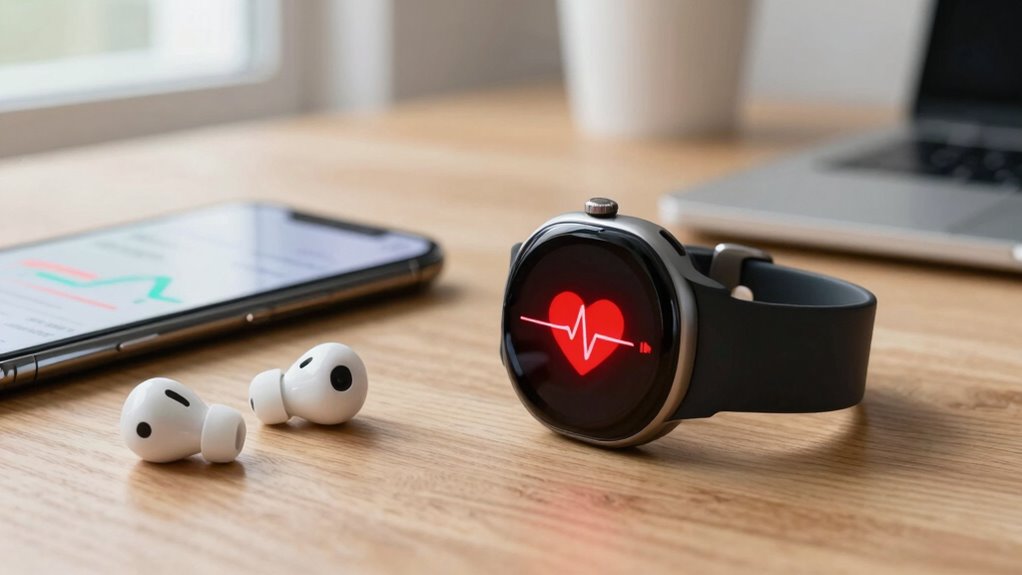

Heart rate sensors are still essential because they give you real-time health and performance data, helping you train safely and effectively. They monitor your cardiovascular health, alerting you to irregularities or early signs of issues. Advances in sensor tech improve accuracy and reliability, making their insights trustworthy. Even as technology evolves, these sensors support your long-term well-being and optimize fitness goals. Keep exploring to discover how these tools can enhance your overall health and safety.
Key Takeaways
- Heart rate sensors provide real-time, personalized feedback crucial for optimizing workout intensity and safety.
- They enable early detection of health issues like arrhythmias, supporting timely medical intervention.
- Sensor technology advancements ensure accurate monitoring even during high-intensity activities.
- Continuous heart rate data bridges fitness tracking and medical health management effectively.
- Reliable heart rate monitoring remains essential for informed health decisions, regardless of power or device capabilities.
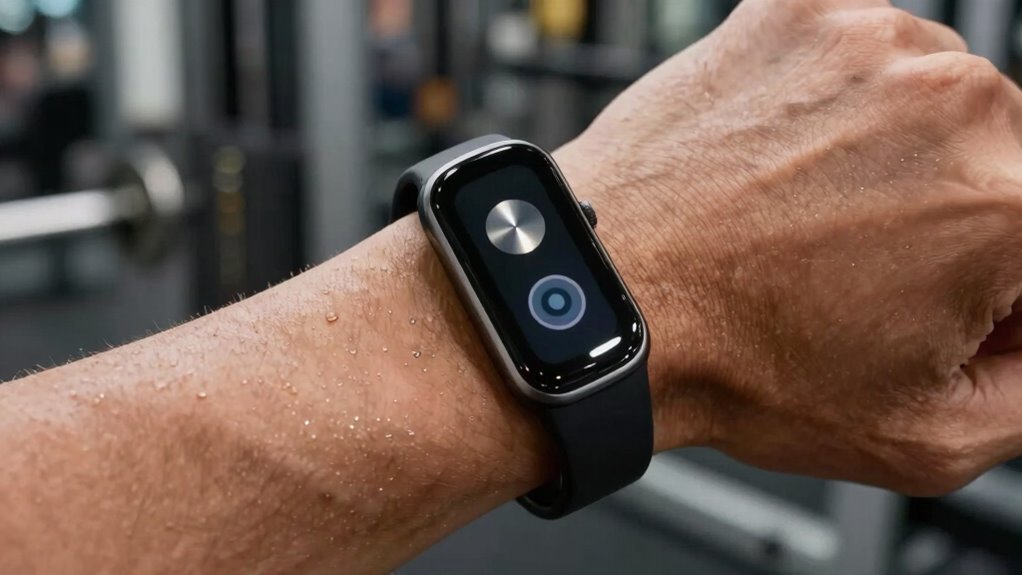
Though technology has advanced rapidly, heart rate sensors remain essential tools for monitoring your health and fitness. These devices continue to serve a crucial role in helping you understand how your body responds during workouts and everyday activities. Fitness tracking has become more sophisticated with the integration of heart rate sensors, providing real-time data that motivates you to push harder or ease up, depending on your goals. Whether you’re running, cycling, or practicing yoga, keeping tabs on your heart rate helps optimize your performance and guarantees you’re training within safe limits. This immediate feedback allows you to adjust intensity on the fly, making your workouts more effective and personalized.
Heart rate sensors provide real-time feedback to optimize workouts and ensure safe, effective training.
Beyond fitness, heart rate sensors are indispensable for medical monitoring. They deliver continuous insights into your cardiovascular health, which can be lifesaving in various scenarios. For individuals with pre-existing conditions like arrhythmias or hypertension, these sensors can alert you or your healthcare provider to irregularities that require prompt attention. Even if you’re healthy, monitoring your resting heart rate over time can reveal subtle changes that might signal underlying health issues. The data collected by these sensors can be shared with your doctor, providing a clearer picture of your heart health without frequent visits to the clinic. medical monitoring is a key benefit that underscores the importance of accurate heart rate data.
Despite the rise of smart devices and wearable technology, the importance of accurate heart rate sensing remains unchanged. Power and battery life are often cited as limitations, but advancements in sensor technology have improved reliability and precision. You can rely on these devices during high-intensity training or prolonged activity, knowing they’re giving you trustworthy data. This accuracy is especially important when it comes to medical monitoring, where small discrepancies can have significant implications. Heart rate sensors serve as a bridge between everyday fitness pursuits and essential health management, guaranteeing you’re aware of your body’s signals at all times. Additionally, as sensor technology continues to evolve, the accuracy and reliability of these devices are expected to further improve, making them even more indispensable.
In essence, no matter how much technology evolves, the fundamental need to monitor your heart remains constant. Heart rate sensors offer a simple yet powerful way to stay in tune with your body, whether you’re chasing fitness goals or managing health conditions. They empower you with knowledge, allowing you to make informed decisions about your activity levels and overall well-being. As you focus on your health journey, remember that these sensors are more than just gadgets—they’re vital tools that support your long-term health and safety.
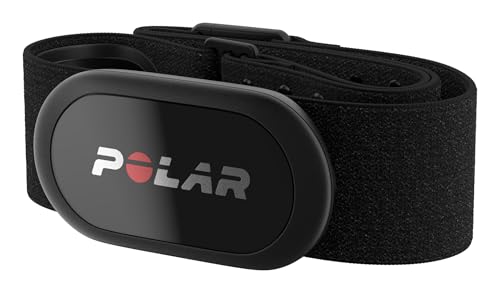
Polar H10 Heart Rate Monitor Chest Strap – ANT + Bluetooth, Waterproof HR Sensor for Men and Women, Black, M-XXL
- Compatibility: Works with all HRM-compatible devices
- Accuracy: Highly accurate heart rate measurement
- Connectivity: Bluetooth, ANT+, and 5 kHz support
As an affiliate, we earn on qualifying purchases.
As an affiliate, we earn on qualifying purchases.
Frequently Asked Questions
How Accurate Are Consumer Heart Rate Sensors Compared to Medical Devices?
Consumer heart rate sensors are generally accurate for everyday use, but they can vary depending on sensor calibration and how tightly you wear them. They’re less precise than medical devices, especially during intense activity. Keep in mind, data privacy is vital since your heart rate data is often stored or shared. Always check device calibration and privacy policies to guarantee reliable readings and secure your sensitive health information.
Can Heart Rate Sensors Detect Stress or Emotional States?
Yes, heart rate sensors can detect stress and emotional states by monitoring emotional detection and stress levels. You can use them to recognize when you’re anxious, excited, or relaxed. These sensors track fluctuations in your heart rate, which often correlate with emotional changes. By analyzing this data, you gain insights into your emotional health, making stress monitoring and emotional detection valuable tools for managing your well-being daily.
Do Heart Rate Sensors Work Effectively During High-Intensity Workouts?
Yes, heart rate sensors work effectively during high-intensity workouts, especially with proper sensor placement on your wrist or chest. You’ll get accurate readings because the sensors maintain good contact despite sweat and movement. Just keep an eye on battery life, as intense sessions drain it faster. With reliable sensor placement and sufficient battery power, you can track your heart rate accurately, even during those challenging, high-intensity exercises.
How Do Heart Rate Sensors Perform in Different Environmental Conditions?
In different environmental conditions, your heart rate sensors perform variably due to environmental interference like sweat, temperature, and sunlight, which can disrupt signal accuracy. You’ll find that sensor durability is critical—they need to withstand elements like rain or extreme heat without malfunctioning. To get the best results, choose sensors designed for diverse conditions, and guarantee they fit well, minimizing interference and maintaining consistent performance during your outdoor or challenging workouts.
Are There Health Risks Associated With Continuous Use of Heart Rate Sensors?
You might worry about health risks from continuous heart rate sensor use, but generally, it’s safe. However, prolonged wear can affect battery life, causing frequent charging, and lead to skin irritation from prolonged contact. To minimize risks, make sure the device fits well, keep the sensor clean, and give your skin regular breaks. This way, you enjoy health benefits without compromising comfort or device performance.
Conclusion
Even in this age of power meters and smart tech, heart rate sensors are still essential. They’re like the trusty compass on your old sailing ship, guiding your training and health in real-time. Don’t toss out the baby with the bathwater—these sensors give you immediate feedback, helping you push harder or ease up when needed. So, keep that heart monitor close; it’s your loyal mate on the journey to better fitness and well-being.