
If you’re feeling confused about HRV, focus on more practical recovery metrics like sleep quality and hydration instead. HRV alone can be misleading because it’s influenced by many factors and may stabilize as you improve sleep, but it’s not the whole story. Proper sleep and hydration directly impact your performance, recovery, and motivation. By tracking these key areas, you’ll get clearer insights into your progress—and there’s more to discover if you keep exploring.
Key Takeaways
- Don’t rely solely on HRV; incorporate sleep quality and hydration for a comprehensive recovery picture.
- Prioritize tracking sleep patterns, such as difficulty falling asleep and feeling unrefreshed, for actionable insights.
- Maintain proper hydration with urine color or weight monitoring to support performance and recovery.
- Use practical devices to monitor sleep and hydration, complementing HRV data for better decision-making.
- Focus on overall wellness, including sleep and hydration, to optimize performance beyond just HRV readings.
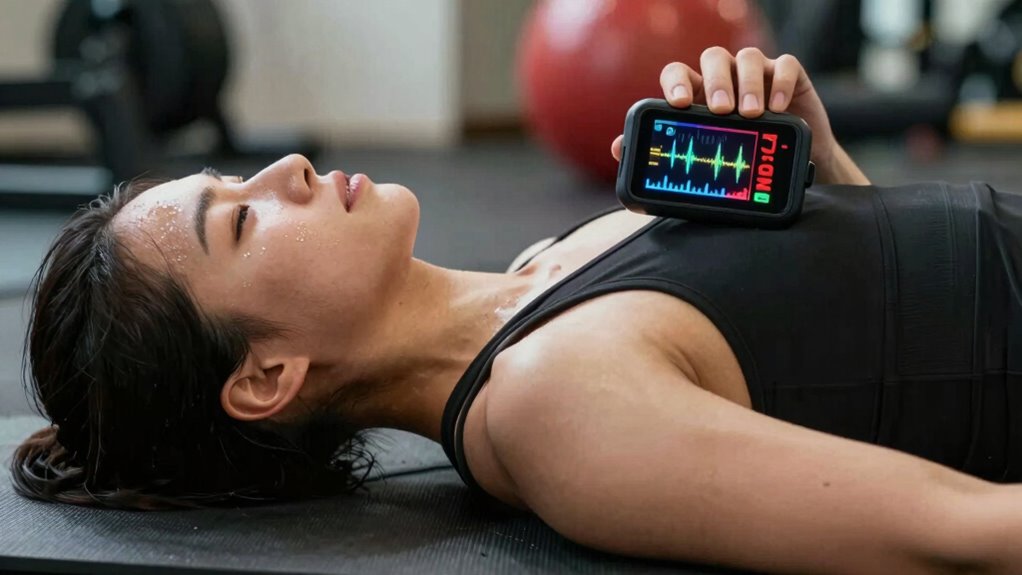
Have you ever wondered if tracking Heart Rate Variability (HRV) really helps enhance your training? It’s a common question among athletes trying to get the most out of their efforts. While HRV can provide useful insights into your recovery and stress levels, it’s not the only metric worth focusing on. In fact, some of the most impactful factors influencing your performance are often overlooked. Two key elements you should pay close attention to are sleep quality and hydration levels. These directly affect how your body recovers and performs, often more reliably than HRV alone.
Your sleep quality plays a vital role in your training progress. When you sleep well, your body repairs muscles, consolidates memories, and balances hormones—all essential for peak performance. Conversely, poor sleep can lead to increased stress, impaired recovery, and reduced motivation. Instead of obsessing solely over HRV readings, track how well you sleep each night. Notice patterns like difficulty falling asleep, frequent awakenings, or feeling unrefreshed in the morning. Improving sleep hygiene—such as maintaining a consistent sleep schedule, limiting screen time before bed, and creating a cool, dark environment—can greatly enhance your recovery and overall performance. When your sleep quality improves, your HRV may naturally stabilize, but focusing on sleep gives you a tangible, actionable way to boost your training.
Prioritize sleep quality for better recovery and performance—focus on consistency, environment, and habits rather than just HRV numbers.
Hydration levels are another critical aspect often underestimated. Dehydration can cause fatigue, decrease endurance, and impair cognitive function—all detrimental during training or competitions. Monitoring your hydration status, especially during intense periods, helps ensure your body functions at its best. You can track hydration using simple indicators like urine color or weight fluctuations. Staying consistently hydrated supports cardiovascular health, muscle function, and thermoregulation. When your hydration levels are proper, your body maintains better blood flow and electrolyte balance, which can positively influence your HRV readings. However, even if HRV looks good, dehydration can still impair your performance, so don’t rely on HRV alone to gauge readiness.
Additionally, choosing the right monitoring devices that accurately measure these metrics can help you make better-informed decisions about your training and recovery. In essence, while HRV can be a useful piece of the puzzle, it shouldn’t be your sole focus. Pay close attention to your sleep quality and hydration levels—they’re foundational for recovery and performance. By prioritizing these factors, you’re more likely to see consistent improvements in your training, regardless of what your HRV is telling you on any given day. Remember, enhancing your performance involves a holistic approach, and tracking these practical, impactful metrics can make all the difference.
Frequently Asked Questions
How Does HRV Differ From Other Fitness Metrics?
You’ll find HRV differs from other fitness metrics because it measures your heart rate variability, reflecting your body’s stress levels and recovery status. Unlike just tracking your heart rate, HRV gives you insights into how well your nervous system is functioning. Higher HRV indicates better stress management and recovery, while lower HRV suggests fatigue or stress. Monitoring HRV helps you optimize training and avoid overtraining by understanding your body’s response to effort.
Can HRV Predict Injury Risk in Athletes?
Think of HRV as a weather forecast for your body’s resilience. Yes, it can hint at injury risk by reflecting your heart rate variability and sleep quality. When HRV drops, it’s like a storm brewing—your body’s defenses weaken, making injury more likely. Monitoring these signs helps you adjust training before trouble hits, turning chaos into clarity and keeping you in prime condition.
What Is the Ideal HRV Range for Athletes?
The ideal HRV range for athletes varies, but generally, you should aim for an HRV within your baseline plus or minus 10%. Your HRV baseline is your typical resting value, serving as a reference point. Consistently tracking this helps you spot fatigue or stress early. Maintaining your HRV within your personalized best range ensures you’re recovered and ready for peak performance, making it a crucial tool for training decisions.
How Quickly Can HRV Improvements Be Seen?
You can see HRV improvements within a few weeks, especially if you focus on recovery indicators like reducing stress and enhancing sleep quality. Consistent tracking helps identify patterns, so you’ll notice positive changes as your body adapts. Prioritize good sleep and recovery routines, and within a short time, your HRV should reflect better resilience and overall health, giving you valuable insights into your training progress.
Are There Specific Conditions That Affect HRV Readings?
Yes, certain conditions can affect your HRV readings. Hormonal fluctuations, like those during stress or menstrual cycles, can cause variations. Hydration levels also play a role; being dehydrated can lower HRV. Sleep quality, illness, and stress levels further influence your readings. To get accurate data, monitor these factors and track changes over time, understanding that your HRV isn’t static but responds to your body’s internal and external conditions.
Conclusion
So, next time you check your HRV, ask yourself: are you really measuring what matters most? Instead of obsessing over every fluctuation, focus on consistent trends and how you feel overall. Tracking the right data can help you optimize recovery and performance. Remember, it’s not about perfection but understanding your body better. Are you ready to move beyond confusion and use HRV as a true tool for growth?