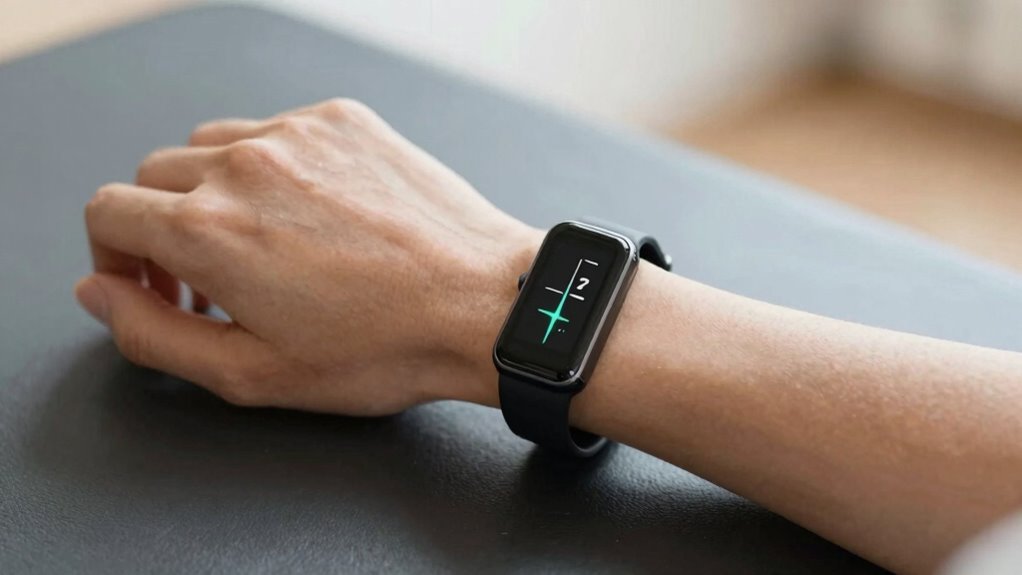

To use your resting heart rate correctly, measure it consistently at the same time each morning, ideally upon waking, using a reliable device like a smartwatch or heart rate monitor. Take your pulse for at least 30 seconds and multiply by two for accuracy. Keep track of sleep and hydration, as these impact your heart rate, and look for patterns over time. Paying attention to these details helps you better understand your health and progress—you’ll find more helpful tips if you keep exploring.
Key Takeaways
- Measure at the same time each morning, ideally upon waking, for consistent and accurate readings.
- Use reliable devices like a heart rate monitor or smartwatch to ensure precise measurements.
- Take your pulse for at least 30 seconds and multiply by two to get an accurate resting heart rate.
- Track your resting heart rate over time alongside sleep and hydration data to identify patterns.
- Use trends to adjust training, recovery, and lifestyle habits for improved health and fitness.

Monitoring your resting heart rate can provide valuable insights into your overall health and fitness. It’s more than just a number; it reflects how well your body is functioning, especially when you pay attention to other factors like monitoring hydration and tracking sleep patterns. Consistently checking your resting heart rate helps you understand how your body responds to stress, exercise, and recovery. If your heart rate is unusually high or low, it might be a sign that your hydration levels are off or that your sleep quality needs improvement. Proper hydration helps maintain blood volume, which supports an essential resting heart rate, while tracking sleep patterns reveals how restorative your sleep is. Poor sleep or dehydration can cause fluctuations that might mislead your interpretation if you don’t consider these factors. Incorporating a consistent routine for measuring and analyzing your heart rate can help you detect early signs of health issues.
When you measure your resting heart rate, do it at the same time each morning, ideally right after waking up and before getting out of bed. Use a reliable device, such as a heart rate monitor or smartwatch, to guarantee accuracy. Take your pulse for at least 30 seconds and multiply by two to get beats per minute. Over time, you’ll notice trends—whether your resting heart rate is decreasing with improved fitness or rising due to stress or fatigue. This data helps you adjust your training intensity or recovery strategies accordingly.
Tracking sleep patterns is vital because sleep quality greatly impacts your resting heart rate. Poor sleep, interruptions, or insufficient rest cause your heart to work harder, elevating your heart rate even when you’re at rest. By noting how many hours you sleep, how often you wake during the night, and the overall quality of your sleep, you gain a clearer picture of what might be influencing your heart rate readings. If your resting heart rate remains elevated despite consistent training, it might be time to evaluate your sleep habits and hydration status. Recognizing the importance of heart rate variability can further enhance your understanding of your overall health and recovery.
Incorporating these habits into your routine helps you make smarter decisions about your health. Keep a journal or use a health app where you record your daily resting heart rate alongside notes on hydration and sleep. Over time, you’ll recognize patterns and triggers, allowing you to maximize your recovery, reduce stress, and improve your overall fitness. Remember, your resting heart rate is a dynamic indicator; paying attention to how hydration and sleep influence it ensures you interpret the data correctly and make meaningful adjustments to your lifestyle.
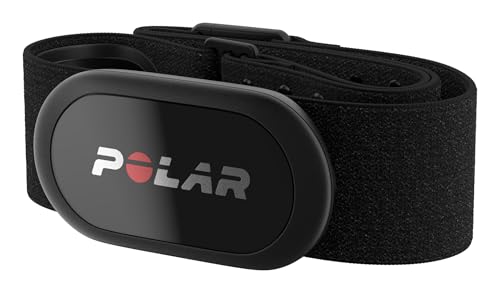
Polar H10 Heart Rate Monitor Chest Strap – ANT + Bluetooth, Waterproof HR Sensor for Men and Women, Black, M-XXL
- Compatibility: Works with all HRM-compatible devices
- Accuracy: Highly accurate heart rate measurement
- Connectivity: Bluetooth, ANT+, and 5 kHz support
As an affiliate, we earn on qualifying purchases.
As an affiliate, we earn on qualifying purchases.
Frequently Asked Questions
What Is Considered a Normal Resting Heart Rate?
A normal resting heart rate for you typically ranges from 60 to 100 beats per minute. If your heart rate variability is high, it indicates good cardiovascular fitness and a well-functioning heart. Lower resting heart rates often suggest better fitness, while higher rates may signal stress or health issues. Tracking your resting heart rate regularly helps you understand your cardiovascular health and fitness levels, guiding adjustments for a healthier lifestyle.
How Often Should I Check My Resting Heart Rate?
For consistent cardiovascular clues, check your resting heart rate weekly. Regularly monitoring helps you recognize subtle shifts, signaling changes in your health or fitness. Incorporate exercise consistency and mindful dietary habits to stabilize your stats. Take your pulse early in the morning, when you wake, to get the most accurate reading. This routine keeps you in tune with your body’s signals, supporting steady progress and preventing potential problems.
Can Medication Affect My Resting Heart Rate?
Yes, medication effects can influence your resting heart rate. Some drugs, like beta-blockers, lower your heart rate, while stimulants may increase it. These medications can also affect heart rate variability, making it less consistent. Always discuss how your medication impacts your resting heart rate with your healthcare provider, especially when monitoring changes, to guarantee accurate assessments and adjustments for your overall health.
Does Age Influence Resting Heart Rate?
Absolutely, age influences your resting heart rate more than you might think! As you age, your cardiovascular system undergoes significant changes, often making your heart beat faster or slower than when you were younger. The impact of fitness levels also plays a huge role—staying active can help maintain a healthy resting heart rate regardless of age. So, focus on fitness, and you’ll keep your heart in check, no matter the years!
How Do Stress and Sleep Impact Resting Heart Rate?
Stress and poor sleep greatly impact your resting heart rate. When stress levels are high, your heart works harder, raising your resting heart rate. Similarly, poor sleep quality prevents your body from recovering properly, which can also elevate your resting heart rate. To keep it low, prioritize stress management techniques like meditation and guarantee good sleep habits, giving your body the rest it needs to stay healthy and balanced.
Conclusion
By paying attention to your resting heart rate, you’re fundamentally becoming a human superhero, capable of detecting even the tiniest signs of stress or fatigue before they turn into full-blown crises. Think of your heart rate as a secret code—crack it, and you’ll gain the power to optimize your health and performance like never before. So, monitor it daily, and watch your body transform into a finely tuned machine, ready to conquer anything life throws your way!