During a crash inspection, you’ll want to carefully check your vehicle’s frame and fork for any damage or misalignment that could affect safety. This involves measuring the frame to see if it’s straight and inspecting the fork for bends, cracks, or dents that impact steering. Properly evaluating these components ensures your vehicle remains stable and safe to drive. If you’re curious about how these checks help restore your vehicle’s integrity, keep exploring further.
Key Takeaways
- Crash inspection assesses whether the vehicle’s frame remains straight and within factory specifications after an impact.
- Frame alignment checks ensure the chassis is not warped, maintaining vehicle safety and handling.
- Fork damage evaluation involves inspecting for bends, cracks, or dents affecting steering and stability.
- Damaged frames can cause suspension issues, including fork misalignment, impacting vehicle control.
- A comprehensive inspection addresses both frame and fork to restore structural integrity and ensure safety.

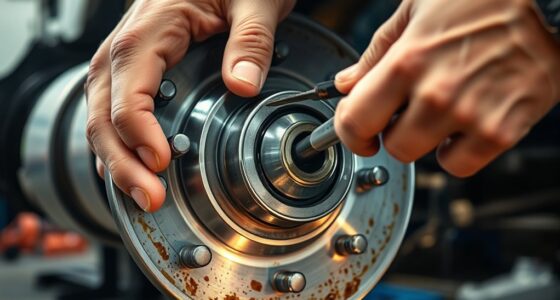
Have you ever wondered what happens during a crash inspection? When you bring your vehicle in after an accident, technicians don’t just look for obvious dents or broken parts. They perform a thorough assessment to determine if your car’s structure remains safe and aligned. One of the first steps is checking the frame alignment. This involves measuring the vehicle’s chassis to see if it’s straight or if there’s any warping caused by the impact. Frame misalignment can compromise safety, making your car less crash-worthy in the future. To do this accurately, technicians use specialized tools like laser measuring systems or frame gauges. They compare your vehicle’s current measurements against factory specifications, pinpointing any deviations. If they find the frame isn’t properly aligned, they’ll recommend repairs to restore its original geometry. Correct frame alignment isn’t just about smooth driving; it’s about ensuring your vehicle responds correctly during a crash, protecting you and your passengers. Additionally, proper vehicle inspection procedures are essential to identify hidden issues that could compromise safety later on.
Alongside frame checks, an indispensable part of the inspection is fork damage assessment. The fork—particularly on motorcycles or bicycles, or the front suspension on cars—can sustain significant damage during a collision. Damage here isn’t always visible at first glance, so technicians perform a detailed inspection. They examine the fork for bends, cracks, or dents that could affect steering and stability. Even minor distortions can lead to uneven tire wear or compromised handling, which might not be apparent until you’re on the road. The assessment involves checking the fork’s alignment and integrity, often using precision gauges or visual inspections under good lighting. If the fork is bent or cracked, it typically needs replacement or realignment to guarantee safe operation. Ignoring fork damage can result in poor vehicle control and increase the risk of another accident.
Throughout the crash inspection process, these assessments—frame alignment and fork damage—are interconnected. A compromised frame can affect suspension components, and damaged forks can indicate broader structural issues. By carefully evaluating both, technicians ensure that every vital element of your vehicle’s structure and suspension is sound. This process isn’t just about fixing what’s broken; it’s about restoring your vehicle’s safety and performance standards. Ultimately, a thorough crash inspection helps you understand the full extent of the damage, guiding necessary repairs that protect you on the road. When you leave the shop, you should feel confident that your vehicle is as safe as it can be, ready to withstand the next challenge with integrity and stability.
Frequently Asked Questions
How Can I Prevent Frame and Fork Damage?
To prevent frame and fork damage, always check your bike’s frame integrity and guarantee proper fork alignment before riding. Avoid rough terrains and impacts that could weaken the frame. Regularly inspect for cracks or dents, and maintain your bike’s components. Proper storage also helps prevent accidental damage. By staying attentive to these details, you can keep your frame and fork in top shape, reducing the risk of costly repairs.
What Tools Are Essential for Crash Inspection?
You need a toolkit capable of magic to perform a thorough crash inspection. Essential tools include a frame alignment stand to detect even the tiniest misalignments and a fork straightening kit to restore perfect alignment. A digital caliper helps measure precise angles, while a pry bar can gently realign bent parts. Don’t forget a flashlight for detailed inspection and safety gloves for protection—these tools turn a potential disaster into a smooth correction.
When Should I Replace My Frame After a Crash?
You should replace your frame if the crash severity caused structural damage or cracks, regardless of the frame material. Even minor impacts can weaken aluminum or carbon fiber frames, making them unsafe. Always have a professional inspect your bike after a crash; if they find any deformation or compromised integrity, replacing the frame is essential for your safety. Don’t ride on a compromised frame—it risks further damage or accidents.
Can Minor Dents Affect Bike Safety?
Minor dents can affect bike safety if they compromise frame integrity. For example, if you notice a small dent after a crash, it might seem harmless, but a thorough dent assessment is vital. Even tiny dents can hide cracks or weaknesses that weaken the frame, risking failure during riding. Always inspect your bike carefully, and if in doubt, consult a professional to guarantee your frame remains safe and reliable.
Are There Professional Services for Frame Repairs?
Yes, you can find professional services for frame repairs, including frame alignment and fork straightening. When your bike’s frame or fork is damaged, experts assess the extent of the damage and use specialized tools to restore proper alignment. These services guarantee your bike remains safe, stable, and rides smoothly. It’s crucial to have trained technicians handle repairs, as improper work can compromise your safety and the bike’s performance.
Conclusion
After inspecting your frame and fork, you see no cracks or bends, and everything feels solid. You’ve taken the right steps to guarantee your bike’s safety for your next ride. But isn’t it worth asking—what unseen damage might still be lurking beneath the surface? Regular checks can prevent future mishaps and keep you confident on the road. Remember, a thorough inspection isn’t just a chore; it’s your best defense against unexpected failures.