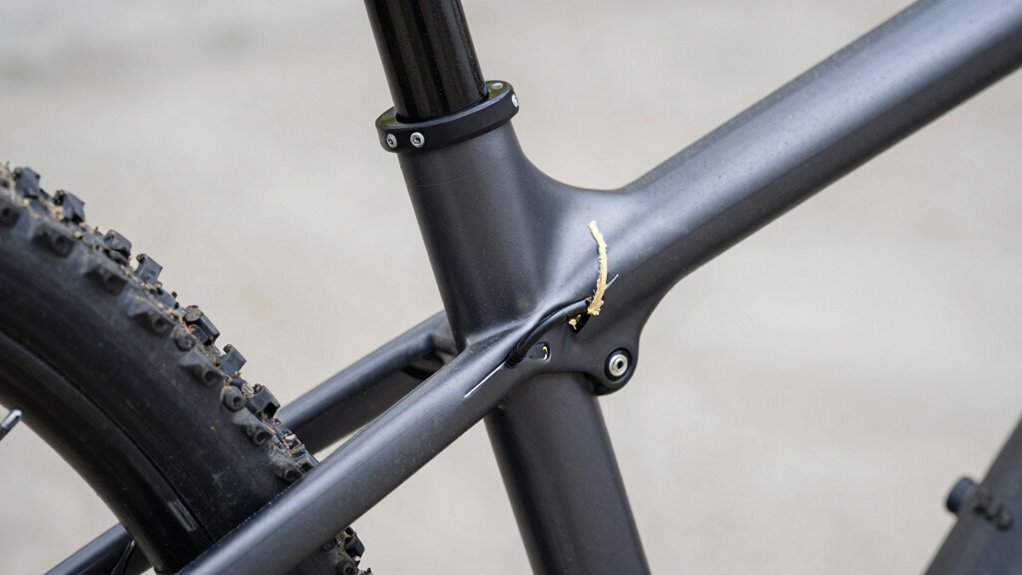
To fix the top three dropper post issues quickly, start by checking and re-routing cables to avoid sharp bends or contact points that cause sluggish movement. Next, verify your air pressure is within the recommended range using a shock pump; incorrect pressure makes the post sticky or soft. Finally, clean and lightly lubricate internal components to prevent sticking from dirt or corrosion. For more detailed tips, keep exploring so you can get your post working smoothly again.

Get sports gear delivered free — and shop member deals
- Fast, free delivery on millions of items
- Access to Prime Big Deal Days deals on October 6–7
- Prime Video, Amazon Music and more included
Key Takeaways
- Check cable routing for kinks, sharp bends, or misalignment and re-route to ensure smooth movement.
- Verify and adjust air pressure to manufacturer recommendations using a shock pump for proper post function.
- Clean internal components and apply light lubricant to prevent sticking caused by dirt or corrosion.
- Inspect seals and internal parts for leaks or damage, replacing components or seeking professional servicing if needed.
- Regularly maintain and troubleshoot by inspecting cables, air pressure, and cleanliness to prevent common dropper post failures.
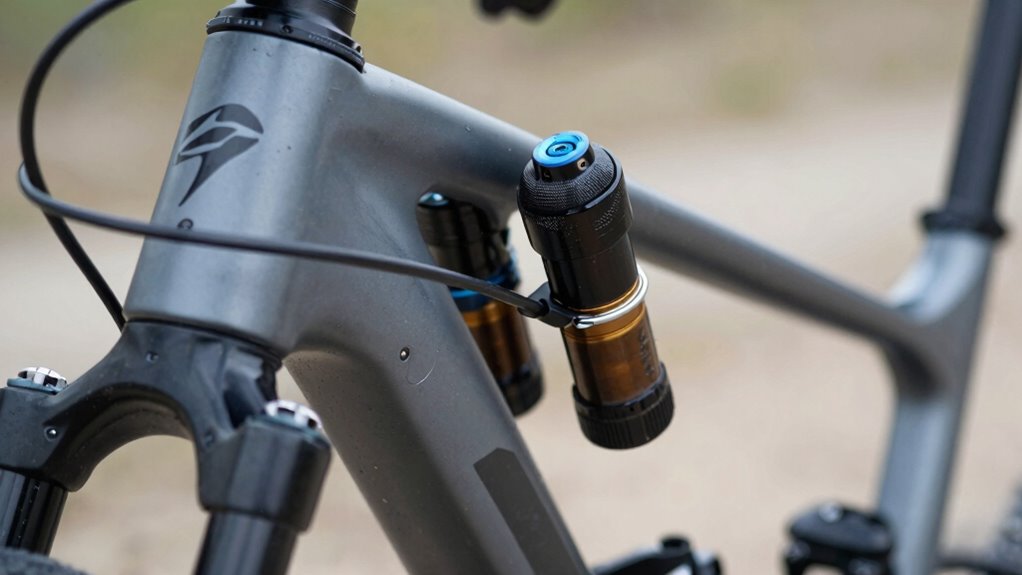
Have you ever faced issues with your dropper post during a ride? It’s frustrating when your seat won’t adjust smoothly or suddenly drops when you least expect it. Many common problems stem from simple causes that you can often fix quickly, saving you time and hassle on the trail. One of the first areas to check is your cable routing. Over time, cables can become kinked, frayed, or misaligned, which impacts the smooth operation of your dropper post. If your cable isn’t routed properly, it can cause sluggish movement or prevent the post from extending or retracting properly. Make sure the cable runs cleanly along the designated channels, without sharp bends or contact with sharp edges that can damage the housing or cable. Proper cable routing ensures consistent, responsive operation, so inspect it regularly and re-route if needed. Additionally, paying attention to internal components and their condition can help prevent unexpected failures and extend the lifespan of your dropper post.
Another critical factor affecting your dropper post’s performance is air pressure, especially if you’re using an air-sprung post. If the air pressure isn’t set correctly, the post might not hold its position well, or it could drop unexpectedly. To fix this, check your manufacturer’s recommended air pressure range and use a shock pump to carefully adjust it. Too little air makes the post feel soft and prone to sagging, while too much can make it stiff and difficult to operate. Regularly checking and maintaining the correct air pressure guarantees your dropper post stays at your preferred height during rides. Also, keep an eye out for leaks or loss of pressure over time, which can cause inconsistent behavior. If you notice the post isn’t holding air as it should, it may be time to replace seals or service the internal components. Sometimes, issues aren’t solely related to external adjustments. Dirt, debris, or corrosion inside the post can cause sticking or sluggish movement. Cleaning the post thoroughly and applying a light lubricant can often restore smooth operation. Be cautious not to over-lubricate, as excess oil can attract dirt and cause more problems. If you’ve checked the cable routing, adjusted the air pressure, and cleaned the post without success, it might be a sign of internal damage or a worn-out component. In such cases, consulting a professional for a full service or considering replacement parts can save you from more extensive problems down the line.
As an affiliate, we earn on qualifying purchases.
Frequently Asked Questions
How Often Should I Lubricate My Dropper Post?
You should lubricate your dropper post every 3 to 6 months, depending on your maintenance schedule and riding conditions. Regular lubrication keeps the stanchion smooth and prevents dirt buildup. If you ride in muddy or wet environments, increase lubrication frequency. Check the manufacturer’s recommendations, but generally, applying a light layer of suspension-specific oil or grease during routine maintenance helps keep your dropper post functioning flawlessly and extends its lifespan.
Can a Dropper Post Be Repaired at Home?
Yes, you can often repair a dropper post at home with DIY repair, but it depends on the issue. Simple fixes like bleeding the hydraulic line or replacing a cable are manageable if you have the right tools and experience. However, for complex problems, it’s better to seek professional service to guarantee safety and proper functioning. Always assess your skill level before attempting to fix your dropper post yourself.
What Tools Are Needed to Fix Common Dropper Post Issues?
To fix common dropper post issues, you’ll need basic troubleshooting tools like Allen wrenches, a mini pump, and a clean rag. Allen wrenches help with bolt adjustments, while a mini pump is essential for bleeding or air pressure adjustments. A clean rag keeps components free of dirt during maintenance. These tools make dropper post maintenance easier and allow you to troubleshoot issues efficiently at home, saving time and money.
Is It Safe to Ride With a Malfunctioning Dropper Post?
Riding with a malfunctioning dropper post is like driving a car with a broken brake—it’s risky. You should prioritize bike maintenance and safety precautions by fixing or replacing it before hitting the trails. If you must ride, avoid aggressive descents and rough terrain. Always inspect your bike thoroughly; a dependable dropper post ensures confidence and safety during your ride, preventing accidents caused by sudden failures or unexpected drops.
How Do I Choose the Right Dropper Post for My Bike?
To choose the right dropper post for your bike, start by determining the correct dropper post height that suits your riding style and bike frame. Make sure to check post compatibility with your bike’s diameter and travel range. Consider your riding terrain and preferences, opting for a lightweight model if you ride uphill often or a more robust one for rough trails. Always verify compatibility before purchasing to guarantee proper fit and function.
Conclusion
Don’t let dropper post issues slow you down. With these quick fixes, you can get back to riding confidently without the need for costly repairs or professional help. Some might think troubleshooting is too complicated, but you’ll be surprised how simple many problems are to solve on your own. Keep your dropper post in top shape, and enjoy smooth rides every time. You’ve got this—just a few easy steps and you’ll be back in the saddle in no time!
NFL season / tailgating Picks
team gear
As an affiliate, we earn on qualifying purchases.