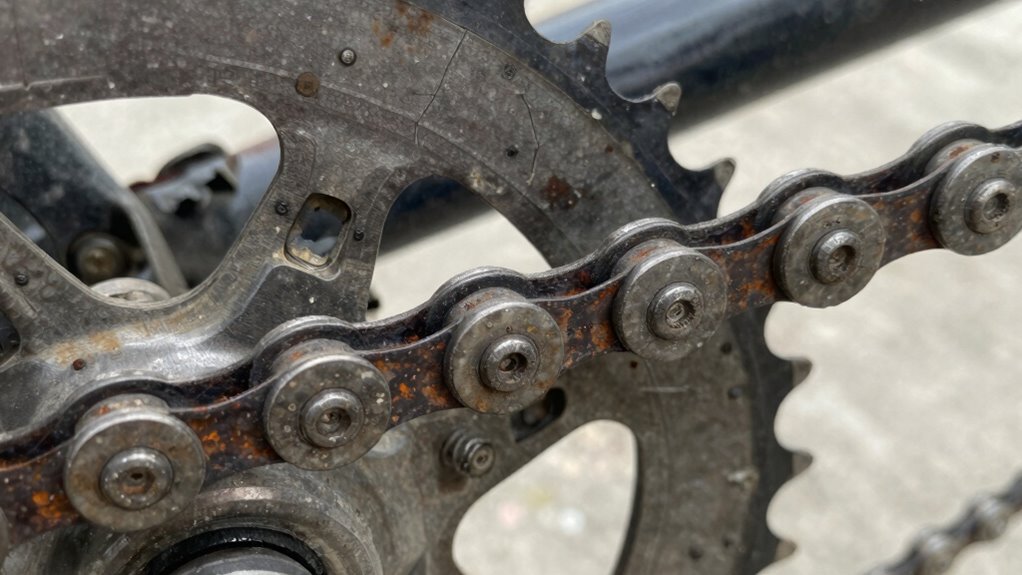

Ignoring chain stretch can lead to hidden costs like increased maintenance, higher energy use, and unexpected breakdowns. As the chain wears and elongates, it transfers power less efficiently, causing more wear on sprockets and guides. This not only escalates repair expenses but also raises safety risks from slipping or failure. Skipping regular inspections might seem like a save, but it often results in bigger, more costly issues down the line—you’ll discover how to prevent these losses if you continue exploring.

Get sports gear delivered free — and shop member deals
- Fast, free delivery on millions of items
- Access to Prime Big Deal Days deals on October 6–7
- Prime Video, Amazon Music and more included
Key Takeaways
- Undetected chain stretch leads to increased maintenance costs due to frequent part replacements.
- Ignoring chain elongation causes reduced machine efficiency and higher energy consumption.
- Failing to monitor chain tension elevates safety risks from slipping or sudden chain failure.
- Neglecting early signs of wear shortens machinery lifespan and increases long-term operational costs.
- Overlooking chain stretch can result in costly breakdowns and unplanned downtimes.
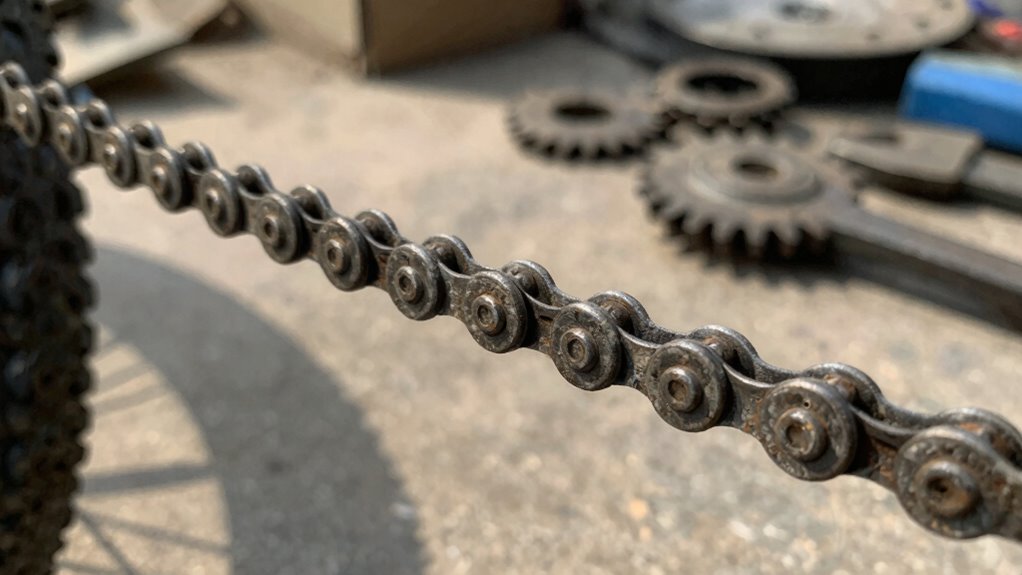
Ignoring chain stretch might seem like a minor oversight, but it can lead to serious and costly problems down the line. When you overlook the signs of a stretched chain, you’re risking more than just routine maintenance issues. One of the biggest hidden costs is the increase in maintenance expenses. As the chain elongates, it puts additional strain on your entire system, causing other components—such as sprockets, tensioners, and guides—to wear out faster. This accelerated wear means you’ll need to replace parts more frequently, which adds up over time. Small issues that could have been fixed early become major repairs that drain your budget. Neglecting chain stretch also leads to inefficient operation. A loose chain doesn’t transfer power as effectively, resulting in higher energy consumption and reduced productivity. Over time, this inefficiency translates into increased operational costs that eat into your profits. Regular inspection helps identify early warning signs, preventing costly damages before they occur. Proper maintenance practices are essential for prolonging equipment lifespan. Beyond financial concerns, ignoring chain stretch poses serious safety risks. A stretched chain is prone to slipping or sudden failure, which can cause unexpected equipment breakdowns. If your machinery suddenly stalls or the chain snaps, it could lead to dangerous situations. Workers nearby might be at risk of injury from flying debris or moving parts. In some cases, a broken chain can cause secondary damage to other components, creating a hazardous environment and increasing the likelihood of accidents. Regularly inspecting your chain and addressing stretch early helps maintain a safe work environment. Additionally, monitoring chain tension is crucial for detecting early signs of wear and preventing failures. It’s not just about avoiding costly repairs; it’s about protecting yourself, your employees, and anyone in the vicinity from preventable accidents. Proper tension management also involves understanding the signs of wear, which can help you anticipate issues before they become critical. Recognizing how chain elongation impacts overall system performance is vital for maintaining safe and efficient operations. A key aspect is understanding the effects of chain stretch on the entire system, which can help you plan timely interventions. The truth is, chain stretch is a maintenance issue that’s easy to overlook but hard to ignore once it escalates. The longer you wait to address it, the more you’ll spend on repairs and replacements. Plus, you’ll be exposing yourself to safety risks that can have serious consequences. By staying vigilant and performing routine inspections, you can catch early signs of stretch and correct them before they turn into major problems. This proactive approach not only keeps your machinery running smoothly but also safeguards everyone around it. Ignoring chain stretch might seem convenient at first, but it’s a false economy. The real savings come from recognizing the warning signs early and taking action to prevent costly breakdowns and potential injuries.
As an affiliate, we earn on qualifying purchases.
Frequently Asked Questions
How Often Should Chain Stretch Be Checked?
You should check your chain stretch every 300 to 500 miles or once a month, depending on riding conditions. During these checks, focus on proper lubrication techniques to reduce wear and guarantee smooth operation. Also, perform tension adjustment if needed, as a loose or tight chain can cause accelerated stretch. Regular inspections help you catch issues early, prolong your chain’s lifespan, and prevent costly repairs down the line.
Can Chain Stretch Be Prevented Completely?
You can’t completely prevent chain stretch, but you can keep it in check. Regularly applying proper lubrication techniques reduces friction and wear, extending your chain’s lifespan. Choosing high-quality materials with better durability also helps resist stretching. Think of it as putting your chain on a diet—consistent maintenance and quality parts keep it running smoothly longer, minimizing the risk of costly repairs down the line.
What Tools Are Needed to Measure Chain Stretch?
To measure chain stretch, you need a chain wear indicator tool or a caliper, which helps you check the pin-to-pin length and detect excessive elongation. Regular lubrication maintenance keeps the chain smooth and prevents early wear, while tension adjustment ensures the chain isn’t too tight or loose. Using these tools consistently helps you catch early signs of stretch, avoiding costly repairs and maintaining peak performance.
How Does Chain Stretch Affect Vehicle Safety?
Ever wondered how chain stretch impacts your safety? It can cause lubrication issues, leading to increased wear and potential chain failure. When your chain isn’t properly aligned, it puts extra stress on other components, risking sudden breakdowns. This not only compromises vehicle safety but also reduces efficiency. Regularly checking and maintaining proper chain tension and alignment helps prevent these issues, keeping you safe on the road and extending your vehicle’s lifespan.
Is Chain Replacement Necessary if Stretch Is Minimal?
If the stretch is minimal, you might think chain replacement isn’t urgent, but it’s still wise to take into account it. Even slight stretch can worsen over time, leading to increased wear and potential safety issues. Regular inspection helps you catch signs of wear early. If you notice any looseness or irregularity, opting for chain replacement prevents future damage, ensuring your vehicle runs smoothly and safely. Don’t wait until minor stretch becomes a major problem.
Conclusion
Ignoring chain stretch isn’t just a small oversight; it’s like ignoring a tiny crack that will soon swallow your entire bike in a landslide. Every ride becomes a ticking time bomb, and one day, that neglected chain could snap, throwing you into chaos. Don’t let a simple stretch turn your ride into a disaster movie. Stay vigilant, check regularly, and save yourself from the catastrophic, wallet-draining nightmare that ignoring this tiny flaw will inevitably provoke.
NFL season / tailgating Picks
team gear
As an affiliate, we earn on qualifying purchases.