
The secret to a quiet drivetrain isn’t just about applying chain lube; it’s about maintaining proper gear lubrication and correct chain tension. Well-lubricated gears form a smooth film that reduces metal contact and noise. Also, adjusting your chain tension prevents slippage and excess vibrations that cause rattling or whining. When both are managed well, your drivetrain runs smoother and quieter. Keep exploring to discover how these maintenance tips can make a noticeable difference.
Key Takeaways
- Proper gear lubrication creates a smooth film that reduces metal contact and noise.
- Correct chain tension prevents slippage, vibrations, and excessive noise during operation.
- Regular maintenance of lubricant levels and chain tension extends component lifespan and quiets the drivetrain.
- Over-tightening or under-tightening chains increases wear and noise; proper tension is essential.
- Advances in vehicle diagnostics help optimize lubrication and tension for quieter, more efficient drivetrains.
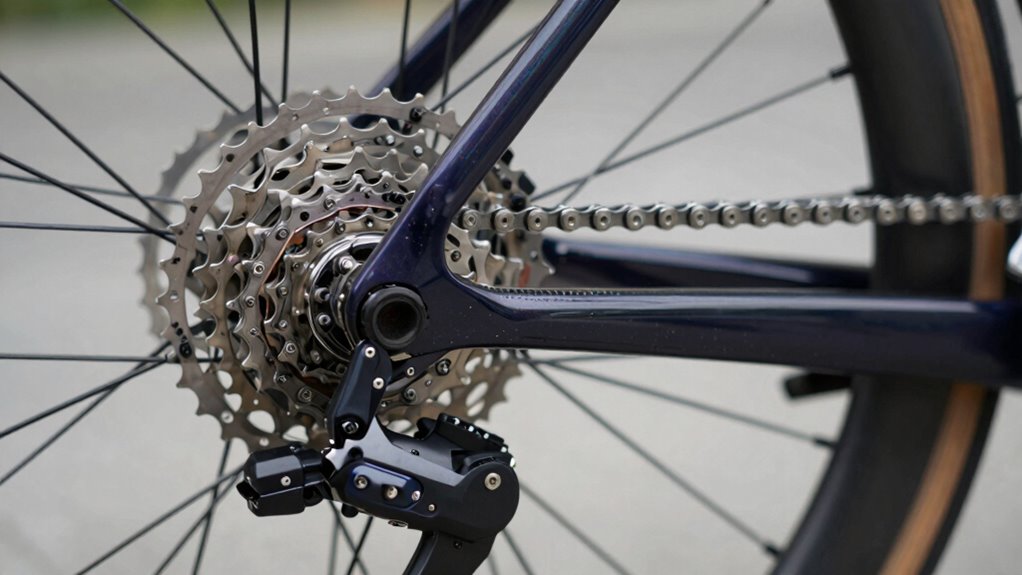
Have you ever wondered what makes some vehicles so remarkably quiet during operation? It’s not just luck or high-end noise-canceling technology. A big part of the secret lies in the way the drivetrain is maintained—specifically, how you manage gear lubrication and chain tension. These elements are fundamental in reducing noise and ensuring smoother, quieter rides.
Start with gear lubrication. Many people think that using any oil or lubricant is enough, but the quality and application matter a lot. Proper gear lubrication creates a thin, even film that minimizes metal-to-metal contact. When gears are well-lubricated, they run more smoothly, produce less friction, and consequently, less noise. It’s essential to choose the right lubricant for your drivetrain components—whether it’s a sealed gear system or exposed gears. Regularly checking and replenishing gear oil prevents it from breaking down or becoming contaminated, which can lead to increased noise and wear. Remember, dry or poorly lubricated gears tend to grind, squeal, or whine—alerting you to the need for maintenance before damage worsens.
Proper gear lubrication minimizes metal contact, reduces noise, and prevents wear—choose the right lubricant and check regularly.
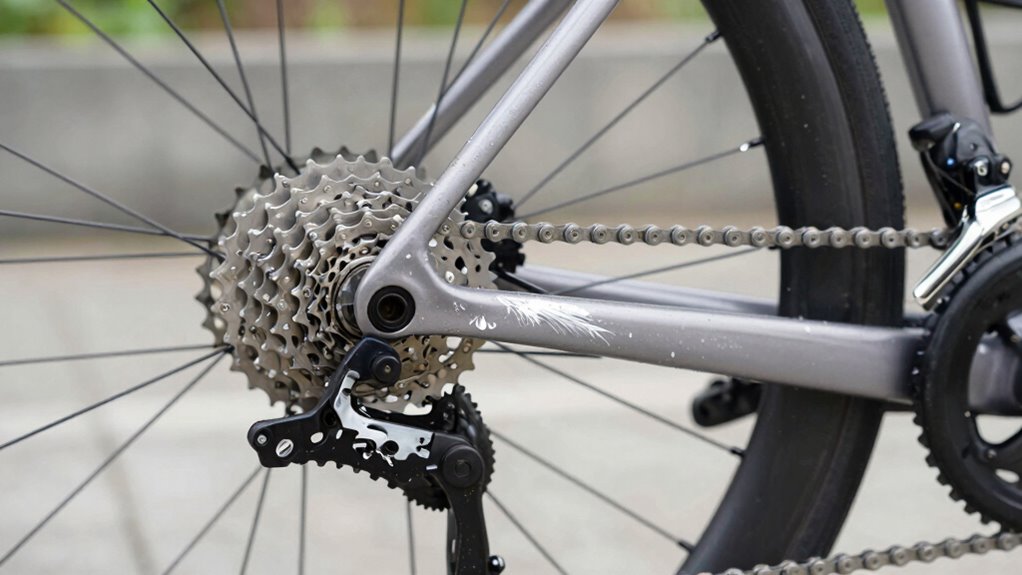
Another critical factor is chain tension. If your chain is too tight, it strains the drivetrain, causes excessive friction, and amplifies noise. Conversely, a loose chain can slip, rattle, or slap against components, creating unwanted sound and uneven operation. Finding the right balance is key. You want enough tension so that the chain is snug but still allows a slight bit of play—usually about a quarter-inch of movement at the midpoint of the chain. Proper chain tension reduces vibrations and noise, making the drivetrain operate quietly and efficiently. Regularly inspecting and adjusting chain tension helps prevent unnecessary wear on sprockets and chain links, extending the lifespan of your components and keeping noise levels down.
Additionally, advancements in European cloud server technology have enabled better diagnostics and maintenance tracking for vehicle systems, which can assist in optimizing drivetrain maintenance routines. Combining good gear lubrication with correct chain tension notably impacts noise levels. When gears run smoothly with minimal friction and the chain is properly tensioned, vibrations decrease, and the drivetrain operates more silently. This isn’t just about comfort; it also reduces strain on your vehicle, leading to fewer repairs and longer-lasting parts. Maintenance routines like checking gear oil levels and inspecting chain tension should become habits, especially if you want a quiet, reliable ride. In essence, paying attention to these details transforms your vehicle into a quieter, more efficient machine—proving that the secret to a quiet drivetrain isn’t just about the parts themselves, but how well you maintain and care for them.
Frequently Asked Questions
How Often Should I Replace My Drivetrain Components?
You should replace your drivetrain components when you notice chain wear or shifting issues, typically every 2,000 to 3,000 miles. Regularly check for chain stretch using a chain wear indicator; if it’s too loose, it’s time for a replacement. Keep in mind, proper maintenance can extend the lifespan of your components, but neglecting wear signs will lead to decreased performance and more frequent replacements.
Do Different Bike Types Require Different Drivetrain Maintenance?
Yes, different bike types need tailored drivetrain maintenance. For example, mountain bikes with aluminum frames often endure rougher conditions, so you should clean and lubricate components more frequently. Road bikes with carbon frames require gentler handling and regular gear shifting adjustments to keep shifts smooth. Remember to use proper gear shifting techniques to prevent wear, and consider the specific demands of your bike frame materials to optimize drivetrain longevity and quietness.
Can I Upgrade My Drivetrain for Quieter Operation?
Yes, you can upgrade your drivetrain for quieter operation. Imagine replacing a noisy, squealing chain with a smooth, whisper-quiet one; suddenly, gear skipping and chain noise fade into the background. Upgrading to high-quality components, such as a better chain, cassette, or derailleur, reduces friction and noise. It’s worth investing in these upgrades to enjoy a smoother, quieter ride, and eliminate those annoying creaks and pops.
What Signs Indicate My Drivetrain Needs Professional Servicing?
If your drivetrain sounds noisy or shifts poorly, it’s time to get it serviced. Look for signs like excessive chain wear, which can cause slipping, and misaligned gears that don’t shift smoothly. You might also notice chain skipping or difficulty pedaling. These issues indicate your drivetrain needs professional attention to realign gears and replace worn parts, ensuring quieter, more efficient riding. Regular check-ups help prevent bigger problems down the road.
Are There Eco-Friendly Lubricants for Quiet Drivetrains?
Yes, eco-friendly lubricants like biodegradable lubricants and plant-based oils can keep your drivetrain quiet while being kind to the environment. You should look for products labeled as biodegradable or made from plant-based oils, which reduce harmful chemicals. These lubricants provide smooth, quiet operation and help prolong your drivetrain’s life. Just make sure to apply them correctly and avoid over-lubricating to maintain peak performance and eco-friendliness.
Conclusion
So, if you’re craving a quieter ride, remember it’s not just about chain lube. Properly adjusting your derailleur, checking for worn components, and maintaining clean, well-lubricated parts all play vital roles. Some might think noise is inevitable, but with attention to these details, you can greatly reduce it. Quiet drivetrains aren’t just a luxury—they’re a sign your bike’s running smoothly. Invest a little time, and enjoy the peaceful, efficient ride you deserve.