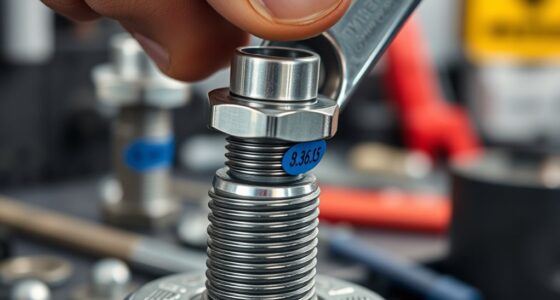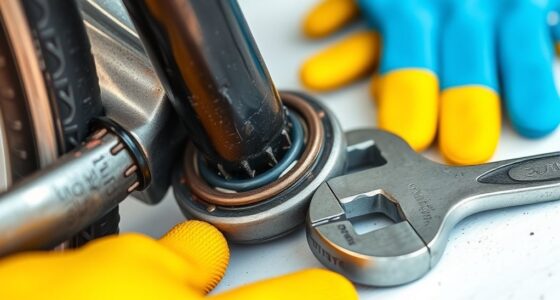

To prepare for spring, start by cleaning out your garden, pruning dead branches, and applying mulch to promote healthy growth. Inspect your vehicle, checking fluid levels, tires, brakes, and looking for leaks or wear. Don’t forget to change HVAC filters, seal drafts, and schedule a tune-up if needed. Clear gutters of debris, verify downspouts direct water away, and organize outdoor furniture and tools. Continue exploring these tasks for a smooth, worry-free season ahead.
Key Takeaways
- Inspect and service your vehicle, including fluid levels, tires, brakes, and battery, to ensure reliable spring driving.
- Clean and organize outdoor furniture and tools, and prepare lawn equipment for the season.
- Perform garden cleanup by pruning, mulching beds, and removing winter debris to promote healthy growth.
- Check and maintain your home’s HVAC system by changing filters, sealing drafts, and scheduling tune-ups.
- Clear gutters and drainage areas of debris, verify downspouts direct water away, and inspect for proper drainage.
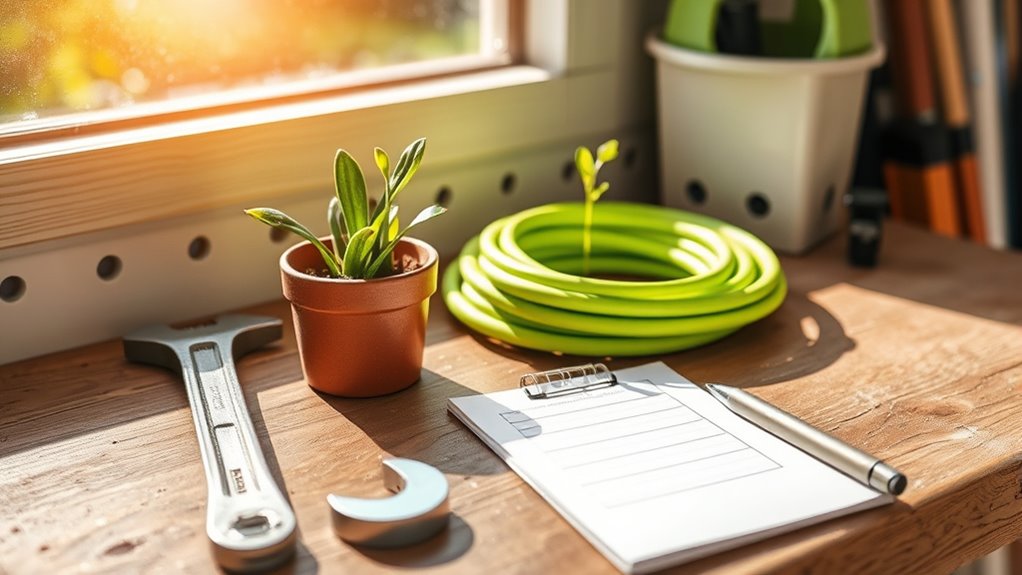
Spring is the perfect time to give your home’s systems a thorough check-up to guarantee they’re ready for the warmer months. As you prepare for the season of growth and outdoor enjoyment, start with essential tasks that keep everything running smoothly. Your garden needs attention now to ensure your plants flourish once the weather warms up. Clear out winter debris, prune dead branches, and mulch beds to promote healthy growth. This not only improves the appearance of your yard but also prevents pests and weeds from taking hold. Regular garden maintenance now helps you avoid bigger problems later, giving your outdoor space a fresh start for spring.
Spring is the ideal time to prep your garden for healthy, vibrant growth.
Simultaneously, don’t forget to perform a vehicle inspection. Your car has likely been sitting idle through the colder months, so it’s crucial to check fluid levels, tire pressure, brakes, and the battery. Look for signs of wear or corrosion, especially on the undercarriage and battery terminals, and replace or repair parts as needed. Ensuring your vehicle is in top shape now will prevent breakdowns during spring outings or summer trips. A thorough inspection also helps you spot leaks or mechanical issues early, saving you money and stress down the line.
Beyond your garden and vehicle, this is a good time to evaluate your home’s HVAC system. Change filters, clean vents, and schedule a professional tune-up if needed. This not only improves indoor air quality but also guarantees your system operates efficiently through the warmer months. Check your windows and doors for drafts, and seal any gaps to keep your home comfortable and energy-efficient. A little effort now can considerably reduce your utility bills during the peak of summer.
Don’t forget about your gutters and drainage systems. Remove leaves and debris from gutters to prevent clogs and water damage. Clear the area around your foundation, and verify that downspouts direct water away from your home. Proper drainage is essential to prevent flooding or mold issues as the snow melts and rains increase. Additionally, consider inspecting your home’s insulation to ensure it maintains temperature control and energy efficiency during the upcoming months.
Finally, take a moment to review your outdoor furniture and tools. Clean, repair, or replace anything damaged or worn. Organize your gardening supplies and prepare your lawn mower and other equipment for regular use. When everything is in order, you’ll enjoy a smoother transition into the outdoor season, making yard work easier and more enjoyable.
Frequently Asked Questions
How Often Should I Schedule Spring Tune-Ups for Optimal Results?
You should schedule spring tune-ups annually to guarantee ideal results. Regular seasonal maintenance helps keep your equipment running smoothly and extends its longevity. By addressing issues early, you prevent costly repairs and improve efficiency. Make it a habit to book your spring tune-up each year, ideally before peak usage, so your system works reliably all season long. Consistent maintenance is key to maximizing your equipment’s lifespan and performance.
Can I Perform a Spring Tune-Up Myself or Should I Hire a Professional?
Did you know that regular HVAC maintenance can save you up to 30% on energy bills? You can definitely perform basic DIY tips for a spring tune-up, like changing filters and cleaning vents. However, for more complex tasks, it’s best to hire professional services to guarantee everything’s done safely and thoroughly. Knowing your limits helps keep your system running efficiently and avoids costly repairs down the line.
What Are the Signs Indicating My System Needs a Spring Tune-Up?
You’ll know your system needs a spring tune-up if it’s making strange noises, blowing hot air, or struggling to maintain temperature. Look out for increased energy bills or uneven cooling. Regular seasonal maintenance and a thorough system inspection help prevent issues before they worsen. If you notice these signs, it’s wise to schedule a professional to guarantee your system runs efficiently all season long.
Are Spring Tune-Ups Necessary for All Types of HVAC Systems?
If you have a standard central AC or furnace, spring tune-ups are essential for HVAC maintenance and system compatibility. For example, a homeowner ignored annual tune-ups, leading to breakdowns during peak season. While some specialty systems may require specific care, most common HVAC systems benefit from spring tune-ups to improve efficiency and prevent costly repairs. Skipping this step can compromise your system’s performance and longevity.
How Long Does a Typical Spring Tune-Up Process Usually Take?
A typical spring tune-up usually takes about 1 to 2 hours, depending on your system’s complexity. During this seasonal maintenance, your technician performs a thorough equipment inspection, cleans components, and checks for any issues. They guarantee your HVAC runs efficiently and reliably through the warmer months. Scheduling this routine ensures peak performance, reduces energy costs, and extends the lifespan of your system.
Conclusion
As you finish your spring tune-up, remember that sometimes the smallest adjustments can prevent the biggest problems later. Just like how a sudden warm day can catch you off guard, neglecting your equipment can lead to unexpected breakdowns. By staying proactive now, you’ll enjoy a smooth, worry-free season ahead. So, take pride in your efforts—because the coincidence of early preparation guarantees you’ll stay comfortable and worry-free when it truly counts.