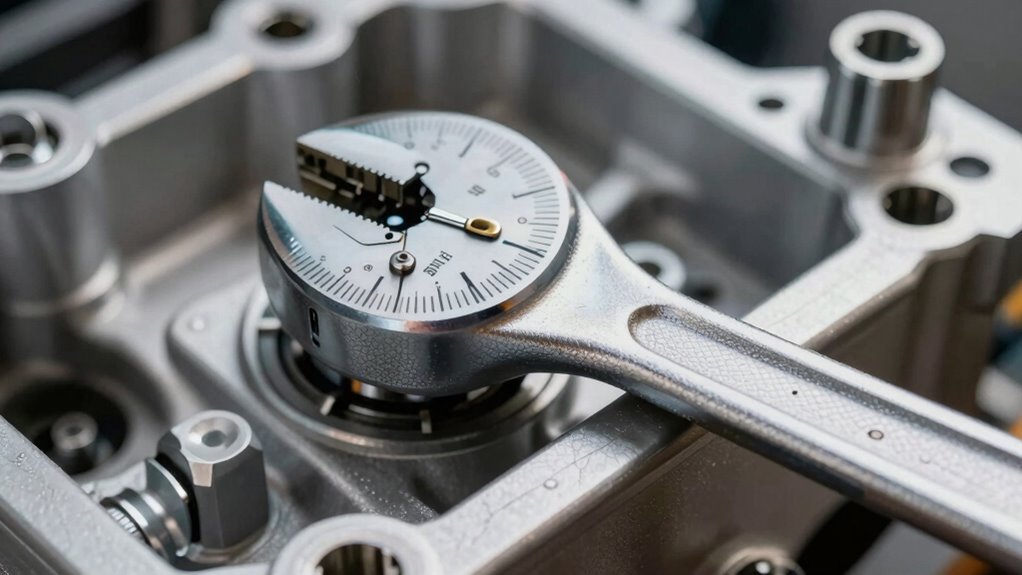
To prevent expensive cracks, always make certain your torque wrench is properly calibrated and used correctly. Set it accurately to the manufacturer’s specs, applying steady pressure and following the recommended tightening sequence. Clean bolts and nuts beforehand to get the most reliable torque. Double-check your settings after tightening, and store your tool carefully to maintain its calibration. Mastering these practices helps avoid over-tightening and damage—keep going to discover even more tips for keeping your repairs safe and durable.
Key Takeaways
- Always calibrate your torque wrench regularly to ensure accurate torque settings.
- Follow manufacturer-recommended torque specifications to prevent under or over-tightening.
- Clean bolts and nuts thoroughly before tightening to achieve consistent, reliable torque.
- Use proper technique: apply steady pressure and listen for tactile feedback like a click.
- Double-check torque after tightening and store tools properly to maintain calibration accuracy.
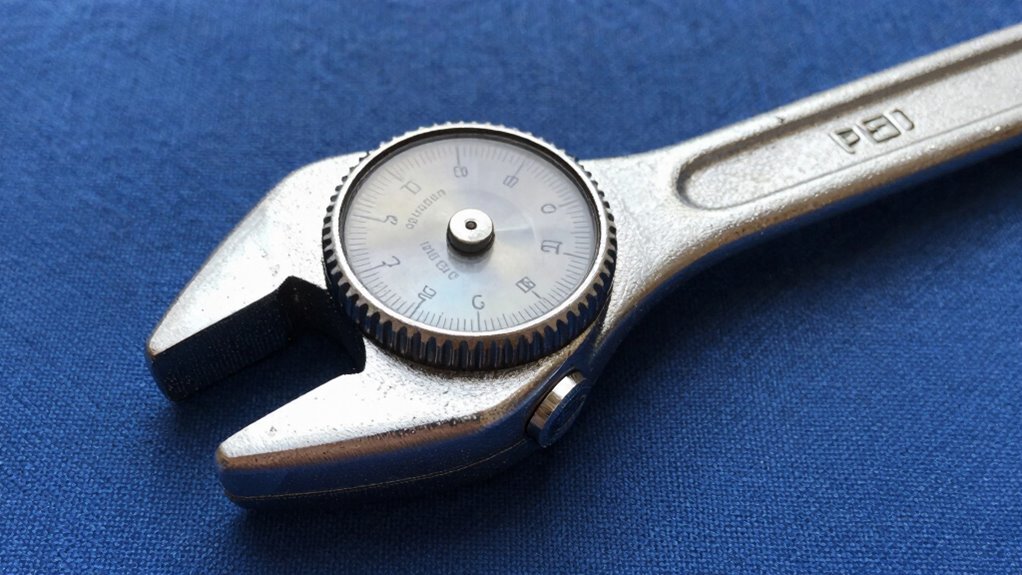
When working with bolts and nuts, understanding the torque wrench rule is essential to guarantee proper tightening without overdoing it. Proper use of a torque wrench ensures you’re applying the right amount of force, preventing damage to components and avoiding costly repairs. One key aspect often overlooked is the calibration importance of your torque wrench. A tool that’s out of calibration can give inaccurate readings, which means you might be tightening bolts too little or too much. Regular calibration checks are necessary to maintain precision, especially if you use the wrench frequently or in demanding environments. Without proper calibration, even the best technique can fall short, risking cracks or weakened parts that could lead to failure.
Proper torque wrench calibration is crucial to ensure accurate tightening and prevent component damage.
Adopting the proper technique when using a torque wrench is equally essential. Start by understanding the manufacturer’s specifications for torque values. These guidelines are designed to ensure safety and reliability, so never guess or rely on feel. When setting your torque wrench, make sure it’s properly adjusted to the specified torque value. Lock the setting securely to prevent any accidental adjustments during use. As you tighten, apply steady, even pressure—avoid sudden jerks or uneven force, which can skew the reading. It’s best to turn the wrench until you hear a click or feel a definitive indication that the set torque has been reached. This tactile feedback confirms that you’re applying the proper amount of force, reducing the risk of over-tightening.
Pay attention to the surface and condition of the bolts and nuts. Dirt, rust, or debris can interfere with accurate torque application, so clean the threads before tightening. When tightening, follow the recommended sequence if working with multiple bolts, as this promotes even pressure distribution and prevents warping or cracking. After tightening, double-check the torque setting to ensure it remains accurate, especially if you’re working on critical or sensitive components. Additionally, using a high-quality torque wrench with precise calibration can greatly improve your results and prevent costly mistakes.
In addition, store your torque wrench properly when not in use. Keep it in a protective case and avoid dropping or knocking it, as impacts can affect calibration. Regularly inspect the tool for signs of wear or damage—any defects can compromise accuracy. By prioritizing calibration importance and mastering the proper technique, you’ll minimize the risk of cracking or damaging parts, ultimately saving time and money. Using your torque wrench correctly isn’t just about following rules; it’s about ensuring safety, durability, and optimal performance for every project.
Frequently Asked Questions
Can I Use a Torque Wrench for Non-Automotive Applications?
Yes, you can use a torque wrench for non-automotive applications like industrial tasks or DIY projects. It helps you apply precise torque, ensuring you tighten bolts and nuts correctly without over-tightening or damaging materials. Whether you’re assembling machinery, fixing bicycles, or working on home repairs, a torque wrench provides the control you need for safe, effective results. Just make sure to select the right torque settings for each specific application.
How Often Should I Calibrate My Torque Wrench?
Calibrate your torque wrench consistently to maintain its accuracy and extend its lifespan. You should calibrate it at least once a year or after every 5,000 uses, whichever comes first. Regular calibration ensures reliable readings and prevents potential problems caused by inaccuracies. Keep track of your calibration schedule, and don’t hesitate to send your wrench for professional calibration if it shows signs of wear or if precision is critical.
What Types of Torque Wrenches Are Best for Beginners?
For beginners, digital or click-type torque wrenches are ideal because they’re easy to use and provide precise torque readings. When choosing torque wrench types, look for models with clear calibration procedures and easy adjustments. These tools help prevent over-tightening and cracks. Start with a reliable, budget-friendly option, and remember to calibrate your wrench regularly to guarantee accuracy and avoid costly mistakes.
Is It Safe to Use a Digital Torque Wrench?
Did you realize that using a digital torque wrench can be perfectly safe if you follow proper care? Digital accuracy makes it easy to get precise torque readings, but you need to check calibration frequency regularly to guarantee safety. As long as you handle it carefully, keep it calibrated, and follow the manufacturer’s instructions, a digital torque wrench is a reliable and safe tool for your projects.
How Do Temperature Changes Affect Torque Wrench Accuracy?
Temperature changes can impact your torque wrench’s accuracy due to temperature expansion, which affects its internal components and can cause calibration challenges. When it gets too hot or cold, the wrench might give inconsistent readings. To maintain precision, avoid exposing your torque wrench to extreme temperatures and recalibrate regularly, especially after significant temperature fluctuations. This way, you ensure accurate torque application and prevent potential issues caused by inaccurate settings.
Conclusion
Remember, the torque wrench isn’t just a tool—it’s your shield against costly cracks and failures. Think of it as the key to revealing perfect, lasting results. Skip the proper torque, and you risk turning a small problem into a big, expensive disaster. So, tighten your confidence, follow the rule, and let this simple device be your silent guardian, ensuring every job ends with precision and peace of mind. Don’t let your work crack under pressure—trust the torque.