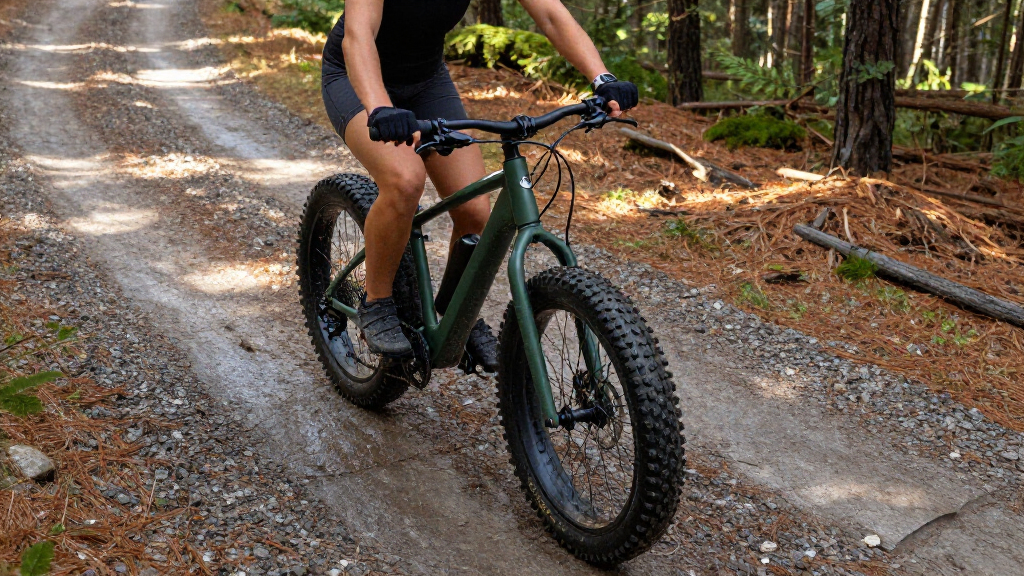
Fat tire electric bikes trade some nimbleness and efficiency for broad tires that can feel more planted on loose, uneven surfaces. From the listed options, I’d name the Vivi F26FUL my best overall pick for its 26-inch tires and comparatively large 864 Wh battery, while the Funhang 500W is a more approachable choice for everyday riding and the ESKUTE V300 stands out for its listed 1500W peak motor and 20.8Ah battery. The main tradeoffs are power versus weight and range, plus the comfort of a full-size bike versus the easier handling of a 20-inch model. Motor and range figures can be stated differently across listings, so compare the exact configuration and local riding rules before buying. Read on for the full breakdown of how these 10 fat tire electric bikes differ.

Get sports gear delivered free with Prime
- Fast, free delivery on millions of items
- Prime Video, Amazon Music and more included
- Member-only deals all year
Complete the kit



Key Takeaways
- The Vivi F26FUL has the clearest all-round case: its 26-inch fat tires suit a range of surfaces, and the stated 864 Wh battery gives buyers a concrete capacity figure to compare.
- Power-focused listings are not interchangeable: the 8000W dual-motor and 4000W dual-motor bikes target riders prioritizing output, but their specifications call for extra scrutiny around weight, controls, and legal use.
- Wheel size marks a real use difference: the 20-inch URLIFE, ESKUTE, RetroVolt, and YUCHETX options favor a more compact format, while 26-inch models lean toward a full-size ride feel.
- Battery details are uneven across the lineup: the Vivi lists 864 Wh, the ESKUTE lists 48V 20.8Ah, and several other bikes provide less context for judging usable range.
- There is no single best format for every rider: the Funhang 500W is the simpler everyday candidate, while high-output dual-motor models make more sense for buyers who can handle their added demands.


| fat tire electric bike | Battery | Tires | Motor |
|---|---|---|---|
| 8000W Dual-Motor Electric Bike | Removable 60V, 32Ah lithium battery | 26 x 4 inches | 8000 watts, dual hub motors |
| Vivi F26FUL All-Terrain Electr | Removable, lockable 48V 18Ah | 26 x 4 inches | 500W rated; 749W peak |
| URLIFE Adult Electric Fat-Tire | 48V 13Ah | 20 x 3.0 inches | 1000W brushless |
| Jasion RetroVolt 330 Retro Mop | Removable 48V 15Ah | 20 x 4 inches | 2000W peak |
| ESKUTE V300 Electric Fat Tire | Removable 48V 20.8Ah | 20 x 4.0 inches | 1500W peak |
| Funhang Electric Bike for Adul | 48V 13Ah removable lithium-ion | 26 x 4.0 inches | 500W; 1000W peak |
| Jasion RetroVolt 330 Retro Mop | 48V 15Ah removable | 20 x 4.0 inches | — |
| 4000W 52V Dual-Motor Electric | 52V 25Ah lithium-ion; 1300Wh | 24 x 4 inches | — |
| Funhang Electric Bike for Adul | 48V 13Ah removable lithium-ion | 26 x 4 inches | 500W; 1000W peak |
| YUCHETX 20-Inch Adult Electric | Removable 48V 20.8Ah; 709Wh | 20 x 4 inches | 2000W |
More Details on Our Top Picks
8000W Dual-Motor Electric Bike with 60V 32Ah Battery and 26 x 4-Inch Fat Tires
The standout here is dual-motor power paired with a 60V, 32Ah battery: it is aimed at riders who want a full-size fat-tire bike for demanding terrain, rather than a modest commuter. Its 26 x 4-inch tires, dual suspension, and hydraulic brakes make a more substantial trail-oriented package than the smaller-wheel Jasion RetroVolt 330. The removable battery offers a claimed 35–80 miles of pedal-assist range, but that wide span signals how strongly distance can depend on terrain, assist level, and load. The tradeoff is substantial heft: at 50 kg, this bike is difficult to lift, store upstairs, or transport. I’d rank it for power and equipment, not everyday portability, and would also factor in the reported possibility of LCD setting issues.
Pros:- Dual motors and a 60V, 32Ah removable battery provide a high-capacity setup.
- 26 x 4-inch tires and dual suspension suit varied surfaces.
- Front and rear hydraulic disc brakes offer stronger braking hardware than the Vivi F26FUL’s mechanical discs.
- Cargo rack and several included riding accessories add practical utility.
Cons:- At 50 kg, it is difficult to lift and transport.
- The claimed 35–80-mile range varies with riding conditions and assist use.
- LCD setting changes may cause configuration issues.
Best for: Riders seeking a high-power, full-size fat-tire bike with dual suspension for varied terrain and who can store and transport a 50 kg bike.
Not ideal for: Apartment dwellers who must carry a bike upstairs, frequent car-rack users, or riders who want a lighter, simpler commuter.
- Motor:8000 watts, dual hub motors
- Battery:Removable 60V, 32Ah lithium battery
- Battery energy:1920 Wh
- Claimed top speed:52 mph
- Claimed pedal-assist range:35–80 miles
- Tires:26 x 4 inches
- Suspension and brakes:Dual suspension; front and rear hydraulic disc brakes
- Weight and load:50 kg; maximum recommended load 330 lb
Our verdict“Choose this for high power and full-size, suspended fat-tire capability if its weight and setup complexity are acceptable.”
Vivi F26FUL All-Terrain Electric Bike, 26-Inch Fat Tires, 864 Wh Battery
The Vivi F26FUL makes a more restrained case for fat tires: its 500W rated motor, 19.8 mph top speed, and 26-inch wheels fit riders prioritizing everyday commuting and light trails over the high-output performance of the 8000W Dual-Motor Electric Bike. Its removable, lockable 864Wh battery and stated range of up to 75 miles offer useful charging flexibility, though actual distance depends on riding conditions. A Shimano seven-speed drivetrain helps adapt effort to modest hills, while front suspension takes the edge off rough pavement. The compromises are mechanical disc brakes and front-only suspension, a simpler setup than the Jasion RetroVolt 330’s dual suspension and hydraulic brakes. UL 2849 certification is a relevant electrical-system detail, but this is still better suited to moderate routes than aggressive off-road riding.
Pros:- Removable, lockable 864Wh battery supports convenient charging and storage.
- 26 x 4-inch tires and front fork suspension suit paved routes and light trails.
- Seven-speed Shimano drivetrain offers familiar gearing for varied routes.
- UL 2849-certified electrical system and integrated brake light.
Cons:- Mechanical disc brakes are a less powerful hardware choice than the hydraulic brakes on the Jasion RetroVolt 330.
- Front suspension only; there is no rear suspension for rougher terrain.
- The stated range of up to 75 miles is conditional on riding setup and conditions.
Best for: Commuters and recreational riders who want 26-inch fat tires, a removable battery, and a moderate-speed setup for pavement and light trails.
Not ideal for: Riders seeking dual suspension, hydraulic braking, or the high output and speed claims of more powerful options in this lineup.
- Motor:500W rated; 749W peak
- Top speed:19.8 mph
- Battery:Removable, lockable 48V 18Ah
- Battery energy:864 Wh
- Stated range:Up to 75 miles
- Tires:26 x 4 inches
- Drivetrain:7-speed Shimano rear derailleur
- Suspension and brakes:Front fork suspension; mechanical disc brakes
- Electrical certification:UL 2849
Our verdict“Pick the Vivi for moderate commuting and light-trail use when a removable battery matters more than hydraulic brakes or full suspension.”
URLIFE Adult Electric Fat-Tire Bike, 20-Inch, 48V 13Ah Battery, 7-Speed
With 20 x 3-inch tires rather than the 4-inch rubber used by the Jasion RetroVolt 330 and ESKUTE V300, the URLIFE E20 is the narrower, more compact-feeling choice in this group. Its 1000W brushless motor, pedal assist, and seven speeds suit everyday trips where a smaller wheel package and rear rack matter more than maximum tire width. Front suspension and disc brakes add basic support on uneven routes, while the adjustable seat helps tailor the fit. The listed range is up to 80 miles, but that is a maximum claim, not a dependable distance for every ride. Its high-carbon-steel frame also makes this a less compelling choice for buyers focused on a lighter-feeling bike. The 265 lb rack capacity adds utility, though it does not change the bike’s more modest tire width.
Pros:- 20 x 3-inch tires create a more compact setup than the 20 x 4-inch Jasion RetroVolt 330.
- 1000W brushless motor and seven-speed gearing offer multiple ways to manage everyday rides.
- Adjustable seat, front and rear lights, and a rear cargo rack add daily-use practicality.
- UL 2849 certification and an IP54-rated LCD are specified.
Cons:- The high-carbon-steel frame and alloy-steel wheels are not a lightweight-focused construction.
- Front fork suspension only; it lacks the dual suspension found on the ESKUTE V300.
- The up-to-80-mile range is a maximum claim and depends on riding conditions.
Best for: Riders who want a compact 20-inch bike for everyday trips, with a rear rack and fat tires narrower than the 4-inch alternatives.
Not ideal for: Buyers prioritizing 4-inch tires, dual suspension, or a lightweight frame for frequent carrying and transport.
- Motor:1000W brushless
- Battery:48V 13Ah
- Stated range:Up to 80 miles per charge
- Tires:20 x 3.0 inches
- Gearing:7 speeds
- Suspension and brakes:Front fork suspension; disc brakes
- Cargo rack capacity:265 lb
- Frame and wheel materials:High-carbon steel frame; alloy-steel wheels
- Certification:UL 2849
Our verdict“Choose the URLIFE E20 for compact everyday utility and a cargo rack, not for the widest tires or roughest terrain.”
Jasion RetroVolt 330 Retro Moped-Style Electric Bike
The RetroVolt 330 is the lineup’s moped-style fat-tire option, pairing 20 x 4-inch tires with dual suspension, a rear seat pad, and a claimed 330 lb payload. That configuration puts it closer to a relaxed, feature-rich ride than the Vivi F26FUL, which has larger 26-inch wheels but only front suspension. Its 2000W peak motor and 99Nm torque are paired with a removable 48V battery and five riding modes, giving riders flexibility across commuting and light outdoor routes. Hydraulic brakes are another advantage over the Vivi’s mechanical discs. The tradeoff is a carbon-steel frame and a package whose passenger and cargo weight must stay within the payload limit. The claimed range is up to 70 miles, but riding mode and conditions affect that figure; buyers should not treat it as a fixed-distance promise.
Pros:- 20 x 4-inch tires and dual suspension suit pavement, gravel, and uneven routes.
- Removable 48V battery supports charging away from the bike.
- Dual hydraulic brakes provide more advanced braking hardware than the Vivi F26FUL’s mechanical discs.
- Rear seat pad, lights, horn, color display, and 330 lb payload add practical features.
Cons:- Carbon-steel frame may be less appealing to buyers seeking a lighter bike.
- Rider, passenger, and cargo weight must stay within the 330 lb payload limit.
- The up-to-70-mile range depends on riding mode and conditions.
Best for: Riders who want a moped-style 20-inch fat-tire bike with dual suspension, a rear seat pad, and hydraulic brakes for commuting and light outdoor rides.
Not ideal for: Riders seeking a lightweight bike, a confirmed passenger-carrying setup beyond the stated payload, or a fixed real-world range.
- Motor:2000W peak
- Maximum torque:99 Nm
- Battery:Removable 48V 15Ah
- Battery energy:864 Wh
- Claimed range:Up to 70 miles
- Tires:20 x 4 inches
- Suspension and brakes:Dual suspension; dual hydraulic brakes
- Payload capacity:330 lb
- Rider height:5 ft 4 in to 6 ft 3 in
Our verdict“Choose the RetroVolt 330 for a comfort-focused moped-style ride with dual suspension, while keeping payload and range limits in view.”
ESKUTE V300 Electric Fat Tire Bike, 1500W Peak Motor, 48V 20.8Ah Battery, 20-Inch Tires, 7-Speed
The ESKUTE V300 combines a 20 x 4-inch tire, dual suspension, and a removable 48V 20.8Ah battery in a smaller-wheel format, making it a versatile option for commuters who also expect uneven routes. Its claimed pedal-assist range of up to 85 miles is the longest stated figure among these five, but it remains a maximum claim shaped by assist level and terrain. Compared with the Jasion RetroVolt 330, the V300 adds NFC unlocking and a full-color LCD, while its 1500W peak motor and 90 N·m torque sit below the Jasion’s listed peak motor power and torque. Braking is a key compromise: only the rear brake is specified as hydraulic. The high-carbon-steel frame and wheels also make it less attractive to buyers seeking a lighter bike, despite the convenient removable battery.
Pros:- 20 x 4-inch tires and dual suspension support varied paved and unpaved routes.
- Removable 48V 20.8Ah battery is specified for up to 85 miles with pedal assist.
- Five riding modes, seven speeds, NFC unlocking, and a full-color LCD add flexibility.
- 90 N·m torque and 1500W peak motor offer a strong feature set for mixed riding.
Cons:- The up-to-85-mile range is a maximum claim dependent on riding conditions and pedal-assist use.
- Only a hydraulic rear brake is specified.
- High-carbon-steel frame and wheels may not suit buyers prioritizing low weight.
Best for: Commuters and recreational riders who want 20 x 4-inch tires, dual suspension, a removable battery, and useful display and unlocking features.
Not ideal for: Riders who need hydraulic braking specified at both ends, want to avoid high-carbon-steel construction, or expect the maximum range on every ride.
- Motor:1500W peak
- Torque:90 N·m
- Battery:Removable 48V 20.8Ah
- Claimed pedal-assist range:Up to 85 miles
- Tires:20 x 4.0 inches
- Suspension:Dual suspension
- Gearing and modes:7 speeds; 5 riding modes
- Brakes:Hydraulic rear brake
- Frame and wheels:High-carbon steel
Our verdict“Pick the V300 for a feature-rich, suspended 20-inch fat-tire bike with a large removable battery, accepting its steel build and rear-only hydraulic brake specification.”
Funhang Electric Bike for Adults, 500W Motor, 26-Inch Fat Tires, 48V 13Ah Battery
The Funhang 500W makes a practical case for full-size fat tires without the high output or extra bulk of the more powerful moped-style choices. Its 26 x 4-inch tires, front suspension, and 66.6 N·m of torque suit mixed commutes, gravel paths, and occasional sand or snow, while the rack’s 60 lb capacity gives it a useful cargo role. The removable battery is easier to charge indoors than a fixed pack, and the stated pedal-assist range exceeds its pure-electric estimate. Compared with the Jasion RetroVolt 330, this Funhang has larger wheels and a lower stated top speed, favoring steady utility over moped styling and peak power. The tradeoff is a 70 lb frame that is awkward to carry upstairs, and its range claims will vary with load and terrain. Some assembly is also required.
Pros:- Removable 48V battery can be charged on or off the bike.
- 26 x 4-inch tires and front suspension support mixed paved and unpaved routes.
- Rear rack is rated for loads up to 60 lb.
- Includes dual disc brakes, lights, and five riding modes.
Cons:- At 70 lb, it is cumbersome to lift and transport.
- The stated range depends on rider weight, riding style, and terrain.
- 85% pre-assembly still leaves setup work for the buyer.
Best for: Commuters and errand riders who want 26-inch fat tires, a removable battery, and a rack rated for regular cargo.
Not ideal for: Riders who need to lift a bike into a vehicle or carry it up stairs, or who want high-speed performance rather than a 20 mph top speed.
- Motor:500W; 1000W peak
- Motor torque:66.6 N·m
- Top speed:20 mph
- Battery:48V 13Ah removable lithium-ion
- Stated range:30–35 miles pure electric; 55–60 miles pedal assist
- Tires:26 x 4.0 inches
- Brakes:Dual 180 mm disc brakes
- Rear rack capacity:60 lb
Our verdict“Choose this Funhang if you want a cargo-capable 26-inch fat-tire bike for everyday mixed-surface riding and can manage its weight.”
Jasion RetroVolt 330 Retro Moped-Style Electric Bike, 2000W Peak, 70-Mile Range, 20-Inch Fat Tires
The Jasion RetroVolt 330 is the lineup’s moped-style option, pairing 20 x 4-inch tires with dual suspension, a rear seat pad, and a removable 48V 15Ah battery. Its 99 N·m of torque and stated range of up to 70 miles give it more power and claimed distance than the Funhang 500W, while the smaller wheels and passenger-oriented layout make it a different kind of ride from that full-size, rack-focused bike. Five riding modes and a seven-speed drivetrain add flexibility across paved streets and rougher paths. The seat pad and 330 lb payload rating suit riders carrying a passenger or cargo, but the 75 lb weight limits easy lifting. The maximum range is a claim rather than a fixed expectation, and the moped-style format may feel less suited to buyers who prefer a conventional bicycle position.
Pros:- 99 N·m torque and 2000W peak output provide a higher-power setup than the 500W Funhang.
- Dual suspension is suited to rougher paved and unpaved routes.
- Rear seat pad and 330 lb payload rating add passenger and cargo flexibility.
- Removable battery and five riding modes support varied daily use.
Cons:- At 75 lb, it is difficult to lift and transport.
- The up-to-70-mile range depends on riding conditions and should not be treated as guaranteed.
- The moped-style format may not suit riders wanting a conventional bicycle feel.
Best for: Urban riders seeking a moped-style fat-tire bike with dual suspension, a removable battery, and a seat pad for passenger or cargo utility.
Not ideal for: Riders who need a lightweight bike for stairs or car racks, or prefer the larger wheels and conventional layout of a standard bicycle.
- Motor output:2000W peak
- Torque:99 N·m
- Battery:48V 15Ah removable
- Maximum stated range:Up to 70 miles
- Tires:20 x 4.0 inches
- Suspension:Dual suspension
- Maximum payload:330 lb
- Weight:75 lb
Our verdict“Pick the RetroVolt 330 if you want a higher-torque moped-style ride with passenger-oriented utility and can accommodate its 75 lb weight.”
4000W 52V Dual-Motor Electric Bike with 24-Inch Fat Tires
This dual-motor model is the lineup’s high-output choice, with 4000W listed power, 160 N·m of torque, and 24-inch fat tires. That setup is a sharp contrast to the Funhang 500W: it targets riders who want much stronger acceleration and capability across demanding terrain, rather than a simpler commuter with a 20 mph top speed. Dual suspension and hydraulic brakes match the more powerful setup, while a removable 52V 25Ah battery provides 1300Wh of stated energy. The claimed range spans 40–110 miles, a broad spread that makes real-world distance difficult to predict from the listing alone. At 85 lb and listed as X-large, it is not an easy bike to store or haul, and its around-38-mph-or-more speed claim calls for careful attention to local rules and suitable riding conditions.
Pros:- Dual motors and 160 N·m torque provide substantially more output than the single-motor Funhang.
- Dual hydraulic brakes and dual suspension suit a high-power, mixed-terrain setup.
- Removable, lockable 52V 25Ah battery provides 1300Wh of stated energy.
- Walking assist adds a useful mode when moving the heavy bike.
Cons:- At 85 lb, it is difficult to lift, transport, and store.
- The 40–110-mile claimed range is unusually broad and varies with conditions.
- Its listed speed and power may not fit every rider’s experience level or local riding rules.
Best for: Experienced riders looking for a high-output fat-tire bike with dual motors, substantial torque, and suspension for demanding terrain.
Not ideal for: First-time e-bike buyers, riders who need a manageable bike for lifting or storage, or anyone seeking a low-speed commuter with predictable range.
- Motor configuration:Dual motor
- Motor power:4000W
- Motor torque:160 N·m
- Top speed:Around 38 mph or more
- Battery:52V 25Ah lithium-ion; 1300Wh
- Claimed range:40–110 miles per charge
- Tires:24 x 4 inches
- Brakes:Dual hydraulic brakes
- Weight:85 lb
Our verdict“Choose this dual-motor model for high-output riding and hydraulic braking, not for easy transport or predictable long-range commuting.”
Funhang Electric Bike for Adults, 1000W Peak Ebike, 20MPH, 60 Mile Range, 26″ Fat Tire with Front Suspension, 7-Speed, Rear Rack, UL 2849 Certified
This Funhang pairs a 500W motor with 26 x 4-inch tires, a removable battery, front suspension, and a rear rack, making it a utility-minded choice for commuting and errands. Its listed 1000W peak figure should not be confused with the 500W motor rating; buyers comparing it with the 4000W dual-motor bike should expect a much more modest power class, not similar acceleration. The stated pedal-assist range reaches 55–60 miles, and UL 2849 whole-bike certification is a distinguishing detail in this group. A 60 lb-rated rack helps carry practical loads, while dual disc brakes and integrated lighting support daily use. The main compromises are shared with the other 26-inch Funhang: a 70 lb weight, a roughly 6.5-hour charge, and range that varies with conditions.
Pros:- UL 2849 whole-bike certification and UL 2271 battery certification are listed.
- Removable 48V battery supports indoor charging.
- 26 x 4-inch tires, front suspension, and dual disc brakes suit mixed everyday routes.
- Rear rack is rated for 60 lb and the bike includes integrated lighting.
Cons:- The 1000W peak label differs from its 500W motor rating and may confuse power comparisons.
- At 70 lb, it is cumbersome to lift or transport.
- The stated range varies with rider, terrain, and riding style.
Best for: Commuters who want a certified, full-size fat-tire bike with a removable battery, practical rack capacity, and moderate 20 mph performance.
Not ideal for: Buyers seeking a lightweight folding or easily lifted bike, or riders who need the high output and dual suspension of the 4000W dual-motor model.
- Motor:500W; 1000W peak
- Torque:66.6 N·m
- Top speed:20 mph
- Battery:48V 13Ah removable lithium-ion
- Stated range:30–35 miles electric; 55–60 miles pedal assist
- Tires:26 x 4 inches
- Rear rack capacity:60 lb
- Certifications:UL 2271 battery; UL 2849 whole bike
Our verdict“This Funhang suits riders prioritizing certification and cargo utility over low weight or high-speed performance.”
YUCHETX 20-Inch Adult Electric Bike with Fat Tires
The YUCHETX stands apart for its 450 lb maximum weight recommendation and large removable battery, not for portability. Its 20 x 4-inch tires and dual suspension are aimed at varied urban and trail surfaces, while the 48V 20.8Ah pack has a stated range of up to 70 miles in pure-electric mode. That battery capacity is larger than the RetroVolt 330’s 15Ah pack, but the YUCHETX is also substantially heavier at 95.7 lb. Its listed 2000W motor and 35 mph maximum speed place it in a different performance category from the 20 mph Funhang 500W, so it is a poor match for buyers wanting a conventional, easygoing commuter. Range depends on load and conditions, and the bike still requires some assembly despite arriving 90% pre-assembled.
Pros:- 450 lb maximum weight recommendation is higher than the other listed bikes in this batch.
- Removable 48V 20.8Ah battery has a stated range of up to 70 miles.
- Dual suspension and 20 x 4-inch tires suit varied paved and unpaved surfaces.
- Includes front and rear disc brakes, lights, an LCD display, and a storage box.
Cons:- At 95.7 lb, it is the heaviest and least convenient bike in this batch to move.
- The stated maximum range depends on rider weight and road conditions.
- The listed 35 mph speed and 2000W output may not suit every rider or local rules.
Best for: Heavier riders or utility-focused buyers who need a high stated weight capacity, a large removable battery, and dual suspension.
Not ideal for: Anyone who must carry a bike up stairs, load it onto a standard rack, or prefers a lighter, lower-speed commuter like the Funhang 500W.
- Motor:2000W
- Battery:Removable 48V 20.8Ah; 709Wh
- Maximum stated speed:35 mph
- Maximum stated range:Up to 70 miles pure electric, depending on conditions
- Tires:20 x 4 inches
- Suspension:Dual suspension
- Maximum weight recommendation:450 lb
- Weight:95.7 lb
Our verdict“Choose the YUCHETX if high payload capacity and a large battery matter more than manageable weight and easy transport.”
How We Picked
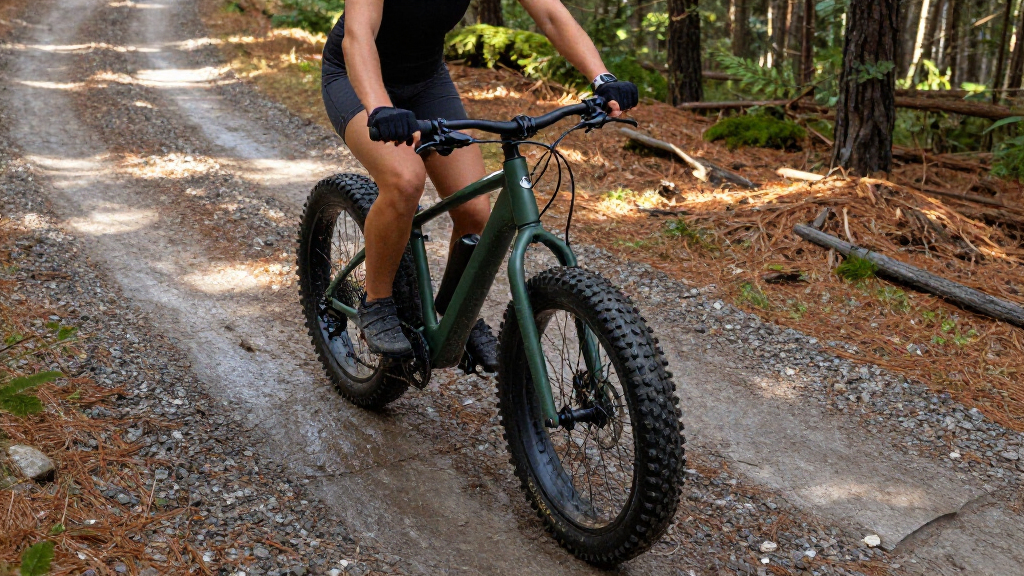
I compared the bikes by the details supplied for each model: motor configuration and stated output, battery capacity, tire diameter, gearing, suspension or carrying equipment where listed, and the intended riding format. I gave more weight to specifications that help a buyer predict fit and use, such as a clear battery figure or a stated wheel size, than to broad claims like a long range without enough context to compare it fairly. I also considered practical ownership questions: whether a high-output setup may be cumbersome for routine errands, whether a smaller wheel format better suits storage and maneuvering, and how much information a buyer should confirm before ordering.
The ranking favors balanced, interpretable choices over the largest headline number. The Vivi F26FUL leads because its 26-inch format and stated battery capacity make a comparatively versatile case; the ESKUTE and Funhang models follow for distinct power and everyday-use priorities. Dual-motor bikes rank as specialized options rather than automatic winners, since output alone does not establish comfort, range, handling, or road legality. Where two products share a model name but have different listed specifications, I treat them as separate configurations and recommend verifying the exact version.
Factors to Consider When Choosing Fat Tire Electric Bikes
Fat tires describe one part of a bike’s setup, not a guarantee that it will suit every route. I’d match the bike to your surfaces, storage, riding pace, and local rules before comparing headline power or range claims.
Match Tire Size to Your Routes and Storage
Wider tires can offer a larger contact patch on loose ground, but the bike’s wheel diameter also affects how it feels to steer and where it fits when parked. A 26-inch model may feel more like a full-size bicycle, while a 20-inch bike can be easier to store or maneuver in tighter spaces. Neither size automatically makes a bike better on every surface; frame geometry, tire pressure, and total weight matter too. If you plan to ride mostly paved paths, ask whether the added tire width is worth the extra rolling resistance and bulk. For sand or snow, check the tire’s actual width and recommended pressure rather than relying on the “fat tire” label alone. Measure storage space and check the bike’s assembled dimensions before ordering.
Read Battery Capacity Before Range Claims
A range figure is hard to compare without knowing the rider load, terrain, assist level, temperature, and battery condition behind it. When available, compare battery watt-hours: multiply volts by amp-hours to estimate the stored energy, then treat that figure as a comparison aid rather than a promise of distance. A larger battery can add useful reserve for long rides, but it can also add weight and take longer to recharge. Ask whether the battery is removable, how it charges, and whether replacement packs are available. Don’t plan a commute around a maximum advertised range; leave a buffer for hills, wind, cargo, and battery aging. The listed Vivi and ESKUTE capacity figures are more useful for comparison than an isolated mileage claim without matching test conditions.
Treat Motor Numbers as One Part of Performance
Motor wattage figures may refer to continuous output, peak output, or a particular configuration, so two listings with different numbers may not be directly comparable. Dual-motor designs can offer stronger acceleration or traction, but they may also increase bike weight, energy use, and repair complexity. Before choosing a high-output bike, check its controller details, battery pairing, braking equipment, and the manufacturer’s instructions for safe operation. Local rules may limit motor power, assisted speed, or where an e-bike can be ridden, and a product’s advertised capability does not establish that it is legal on your intended route. For routine riding, predictable assistance and control can matter more than the biggest number on the listing. Confirm whether the quoted figure is peak or continuous output.
Check Fit, Weight, and Carrying Needs
Fat tires and large batteries can make an electric bike heavy, which affects carrying it up stairs, loading it onto a vehicle, and moving it without assistance. Compare the manufacturer’s weight and rider-height guidance with your own storage and lifting situation; if those details are missing, ask the seller before committing. A rear rack can help with errands, but check its stated load limit and whether the bike remains stable with cargo. Smaller wheels may make the frame feel compact, yet they do not guarantee a light bike. Consider the distance between your home, charging outlet, and parking space, not just the ride itself. If several people will share the bike, a useful fit range and adjustable contact points deserve more weight than a single performance claim.
Look Beyond the Initial Specification Sheet
Routine ownership depends on service access, replacement parts, warranty terms, and the availability of clear assembly instructions. Ask who handles electrical-system support and whether local bike shops will service the model before purchase. Fat tires can be more expensive to replace than standard bicycle tires, so check the exact tire size and whether compatible tubes are readily available. For a bike with suspension, confirm what maintenance it needs and whether the fork can be serviced locally. A certification claim is useful only when it applies to the exact model and electrical system; verify the documentation rather than relying on a short listing phrase. Paying more may make sense for a battery and support network you can verify, but not just for an unexplained power or range headline.
Frequently Asked Questions
Is a dual-motor fat tire bike a good choice for everyday commuting?
It can suit a commute with steep climbs or loose surfaces, but dual motors are not automatically the most practical daily setup. The added power may come with more weight, greater battery use, and more complex service needs. Check the bike’s actual weight, braking equipment, and local restrictions before choosing one for roads or shared paths. For flatter trips and frequent stops, a more moderate single-motor model may be easier to manage. Make the decision around your route and charging routine, not the largest advertised wattage.
How can I tell whether a stated range will cover my regular ride?
Start with the round-trip distance, then allow a reserve rather than treating the listing’s maximum range as a guaranteed result. Hills, cold weather, cargo, rider weight, tire pressure, and high assistance can all reduce distance per charge. Compare battery capacity where it is provided, and ask what conditions were used for any range claim. If the bike will be used for commuting, consider whether you can recharge at your destination or need enough capacity for an extra trip. A practical range estimate should leave room for battery aging and changing conditions.
Should I choose 20-inch or 26-inch fat tires?
Choose based on handling, fit, and storage rather than assuming one diameter is universally better. The 20-inch options in this lineup may appeal if a more compact wheel format suits your space or maneuvering needs. A 26-inch bike may feel closer to a conventional full-size bicycle, though the frame and total dimensions still determine fit. Test rides, when available, can help reveal differences in steering and mounting. Check the full bike dimensions and rider-height guidance, since tire diameter alone does not tell you whether the bike will fit.
What should I verify when a listing gives a very high motor-power figure?
Find out whether the number describes peak or continuous output and whether it applies to one motor or the combined system. Then check that the battery, controller, brakes, and frame are specified for that setup. Confirm assisted-speed limits and local rules for the routes you intend to use; advertised power does not guarantee permission to ride everywhere. Ask about replacement parts and service support, since more complex electrical systems may narrow repair options. If the seller cannot clarify the configuration, treat the headline figure as insufficient evidence for a buying decision.
Is the largest battery always the best choice for a fat tire e-bike?
No. More capacity can provide a larger energy reserve, but it can also add weight, cost, and charging time. If your rides are short and you can charge regularly, a smaller battery may be easier to live with. For longer routes or limited charging access, capacity deserves more weight, provided the bike still fits your storage and carrying needs. Compare watt-hours when possible and check whether the pack is removable and replaceable. Pick the battery around your actual trip pattern rather than choosing the largest number by default.
Conclusion
For most riders seeking one versatile starting point, I’d choose the Vivi F26FUL as best overall, based on its 26-inch tires and clearly stated 864 Wh battery. The Funhang 500W is my best value-style choice for straightforward everyday riding, while the ESKUTE V300 is the stronger fit for buyers who want a stated 1500W peak motor and 20.8Ah battery in a 20-inch format. Beginners should start with the Funhang 500W or another moderate-output model and prioritize fit, manageable weight, and clear service support over maximum power. For a premium or high-output preference, compare the dual-motor bikes carefully, but verify their exact specifications, legal status, braking, and support before purchase. Choose the 20-inch options if compact handling matters most; choose a 26-inch model if a full-size ride feel better matches your routes.