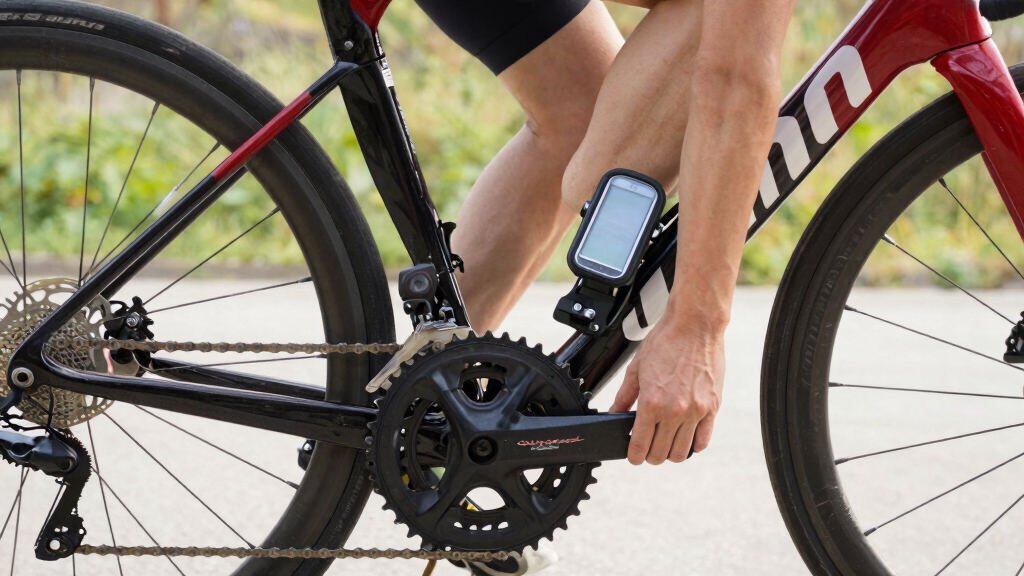

Choosing the best power meter for your road bike can significantly improve your training and performance. The right option depends on your budget, riding style, and technical preferences. The Favero Assioma PRO RS-2 stands out as the overall best for its accuracy and reliability, while the Magene PES P505 offers a lightweight, budget-friendly alternative. However, tradeoffs exist around ease of installation, data accuracy, and compatibility. Continue reading for a detailed comparison of the top power meters in 2026 and find the perfect fit for your cycling goals.

Get sports gear delivered free with Prime
- Fast, free delivery on millions of items
- Prime Video, Amazon Music and more included
- Member-only deals all year
Complete the kit


Key Takeaways
- Dual-sensing pedals typically offer the most accurate power data and are easier to install than crank-based options.
- Budget-friendly options like the Favero Assioma Uno still deliver reliable performance, ideal for casual riders or newcomers.
- Crank-based power meters tend to be more durable and accurate, but usually come at a higher price point.
- Compatibility with your bike’s components and cycling platform (ANT+ or Bluetooth) is vital for seamless data integration.
- Installation complexity varies; pedal-based meters are generally easier for DIY setup compared to crank or spider models.
| Favero Assioma PRO RS-1 Single-Sensing Pedal-Based Road Cycling Power Meter |  | Best Overall for Precision and Ease of Transfer | Compatibility: SPD-SL, Shimano cleats (SM-SH10, SM-SH11, SM-SH12) | Power Measurement: Single-sided pedal-based | Connectivity: Bluetooth, ANT+ | VIEW LATEST PRICE | See Our Full Breakdown |
| Favero Assioma PRO RS-2 Dual-Sensing Pedal-Based Road Cycling Power Meter |  | Best for Accurate Bilateral Power Data | Compatibility: SPD-SL, Shimano SM-SH10, SM-SH11, SM-SH12 | Power Measurement: Dual-sided, ±1% | Connectivity: Bluetooth, ANT+ | VIEW LATEST PRICE | See Our Full Breakdown |
| Favero Assioma Duo Dual-Sensing Pedal-Based Road Cycling Power Meter |  | Best Waterproof Dual-Sided Pedal Power Meter | Compatibility: Look Keo cleats | Connectivity: Bluetooth, ANT+ | Accuracy: ±1% | VIEW LATEST PRICE | See Our Full Breakdown |
| Favero Assioma Duo Power Meter Pedal |  | Best for Simplicity and Compatibility | Battery Life: 50 hours | Connectivity: Bluetooth, ANT+ | Available Versions: Single (UNO), Dual (DUO) | VIEW LATEST PRICE | See Our Full Breakdown |
| Magene PES P505/P515 Power Meter Crankset – ±1% Accuracy, Lightweight, Waterproof |  | Best for Serious Training and Durability | Weight: 625g | Battery Life: 380 hours | Crankset Compatibility: 110BCD four-bolt | VIEW LATEST PRICE | See Our Full Breakdown |
| Favero Assioma Uno Power Meter Pedal |  | Best Overall for Simplicity and Reliability | Battery Life: 50 hours | Connectivity: Bluetooth, ANT+ | Available in: Single (UNO) or dual (DUO) | VIEW LATEST PRICE | See Our Full Breakdown |
| Favero Assioma PRO RL-1 Single Side Look Keo Compatible Power Meter Set with PowerBank Bundle |  | Best for Serious Riders Seeking Detailed Metrics | Power Meter: Left pedal with sensor, right pedal without sensor | Battery Life: Up to 160 hours | Connectivity: ANT+ and Bluetooth | VIEW LATEST PRICE | See Our Full Breakdown |
| Garmin Rally RS210 Dual-Sensing Power Meter for Shimano SPD-SL |  | Best for Precision and Cycling Dynamics | Compatibility: Shimano SPD-SL | Power Measurement: Dual sensing | Accuracy: +/- 1% | VIEW LATEST PRICE | See Our Full Breakdown |
| Favero Assioma UNO Single-Sensing Pedal-Based Road Cycling Power Meter |  | Best Lightweight and Waterproof Pedal Power Meter | Compatibility: Look Keo cleats | Connectivity: Bluetooth, ANT+ | Power Source: Rechargeable batteries | VIEW LATEST PRICE | See Our Full Breakdown |
| ThinkRider PP5 Spider Power Meter & Crankset, Carbon/Aluminum Options |  | Best for Customizable Dual-Sided Power Measurement | Compatibility: Easton 110 BCD 4-bolt | Power Measurement: Dual-sided | Connectivity: BLE & ANT+ | VIEW LATEST PRICE | See Our Full Breakdown |
| Magene P715 Power Meter Pedals |  | Best Versatile Pedal-Based Power Meter | Power Accuracy: ±1% | Battery Life: 120 hours | Weight: 157g per pedal | VIEW LATEST PRICE | See Our Full Breakdown |
| PM500 Bike Power Meter Crankset, ±1.5% Accuracy, Lightweight 680g, 300h Battery Life, 110BCD, Bluetooth & ANT+, IPX7 Waterproof for Road Bikes – 165mm |  | Best Lightweight Crankset Power Meter | Accuracy: ±1.5% | Weight: 680g | Battery Life: 300 hours | VIEW LATEST PRICE | See Our Full Breakdown |
| power meters for road bike | Battery Life | Connectivity | Compatibility |
|---|---|---|---|
| Favero Assioma PRO RS-1 Single | — | Bluetooth, ANT+ | SPD-SL, Shimano cleats (SM-SH10, SM-SH11, SM-SH12) |
| Favero Assioma PRO RS-2 Dual-S | 160 hours per charge | Bluetooth, ANT+ | SPD-SL, Shimano SM-SH10, SM-SH11, SM-SH12 |
| Favero Assioma Duo Dual-Sensin | 50 hours | Bluetooth, ANT+ | Look Keo cleats |
| Favero Assioma Duo Power Meter | 50 hours | Bluetooth, ANT+ | — |
| Magene PES P505/P515 Power Met | 380 hours | — | — |
| Favero Assioma Uno Power Meter | 50 hours | Bluetooth, ANT+ | — |
| Favero Assioma PRO RL-1 Single | Up to 160 hours | ANT+ and Bluetooth | Look Keo, oval chainrings |
| Garmin Rally RS210 Dual-Sensin | Up to 90 hours | — | Shimano SPD-SL |
| Favero Assioma UNO Single-Sens | At least 50 hours | Bluetooth, ANT+ | Look Keo cleats |
| ThinkRider PP5 Spider Power Me | Up to 300 hours | BLE & ANT+ | Easton 110 BCD 4-bolt |
| Magene P715 Power Meter Pedals | 120 hours | Bluetooth & ANT+ | — |
| PM500 Bike Power Meter Crankse | 300 hours | Bluetooth & ANT+ | — |
More Details on Our Top Picks
Favero Assioma PRO RS-1 Single-Sensing Pedal-Based Road Cycling Power Meter
The Favero Assioma PRO RS-1 stands out for its high accuracy, with a ±1% measurement precision that rivals dual-sided options like the Assioma RS-2 but at a lower cost. Its single-sided design makes it easier to install and transfer between bikes, which is ideal for riders who want reliable data without the complexity of dual measurements. However, this means it only tracks one leg, potentially missing asymmetries that dual sensing captures. The rechargeable battery lasts over 160 hours, reducing downtime, and Bluetooth plus ANT+ ensure seamless compatibility with most devices. Compared to the dual-sensing Assioma RS-2, it offers excellent accuracy at a more accessible price point, but the single-sided approach may be a drawback for those seeking comprehensive data. This pick is perfect for riders prioritizing accuracy and simplicity in a pedal-based system.
Pros:- Highly accurate and consistent measurements
- Easy to install and transfer between bikes
- Long-lasting rechargeable battery
Cons:- Only measures power on one leg
- Requires compatible SPD-SL cleats
- Premium price may be a barrier for casual riders
Best for: Cyclists who want precise, reliable power data with straightforward setup and transfer capabilities
Not ideal for: Athletes seeking detailed bilateral analysis or those willing to pay a premium for dual-sided metrics
- Compatibility:SPD-SL, Shimano cleats (SM-SH10, SM-SH11, SM-SH12)
- Power Measurement:Single-sided pedal-based
- Connectivity:Bluetooth, ANT+
- Battery:Rechargeable, 160+ hours per charge
- Temperature Range:-10°C to 55°C
- Accuracy:±1%
Our verdict“A highly accurate, easy-to-use pedal-based power meter ideal for serious riders who prefer simplicity and transferability.”
Favero Assioma PRO RS-2 Dual-Sensing Pedal-Based Road Cycling Power Meter
The Favero Assioma RS-2 excels in delivering precise bilateral measurements with ±1% accuracy, making it a step up from the single-sensing RS-1 by providing comprehensive power data. Its dual-sensing design automatically compensates for temperature variations, ensuring consistent readings during intense training. The modular, rechargeable setup allows quick swaps between road and mountain bike configurations, boosting versatility. While it’s more expensive than single-sided options, the dual measurement offers a clearer picture of your pedaling efficiency, especially for advanced riders or those focused on optimizing power balance. Compared with the Assioma Duo, its dual-sensing system provides more detailed data at a similar price point, but installation and calibration are slightly more involved. This is best suited for dedicated cyclists seeking detailed, accurate bilateral power analysis.
Pros:- Highly accurate dual-sided power measurement
- Automatic temperature compensation
- Modular design for versatile use
Cons:- Relatively high price
- Requires proper calibration for best accuracy
Best for: Advanced riders and serious training enthusiasts requiring detailed bilateral power metrics
Not ideal for: Casual cyclists or those not interested in the cost or complexity of dual sensing
- Compatibility:SPD-SL, Shimano SM-SH10, SM-SH11, SM-SH12
- Power Measurement:Dual-sided, ±1%
- Connectivity:Bluetooth, ANT+
- Battery Life:160 hours per charge
- Temperature Range:-10°C to 55°C
Our verdict“A top choice for cyclists demanding detailed bilateral data with reliable accuracy and versatile setup options.”
Favero Assioma Duo Dual-Sensing Pedal-Based Road Cycling Power Meter
The Favero Assioma Duo offers reliable, waterproof power measurement with ±1% accuracy, compatible with Look Keo cleats. Its dual-sensing system provides comprehensive data, making it ideal for riders who want detailed bilateral insights in all weather conditions. The rechargeable batteries last around 50 hours per charge, which is sufficient for most training routines. Compared to the RS-2, the Duo emphasizes waterproof durability and ease of use, though its shorter battery life might be limiting for long-distance riders. Installation is straightforward, and the waterproof design adds peace of mind during rainy rides. Overall, this model strikes a balance between durability, accuracy, and ease of transfer, but the higher price and cleat compatibility considerations mean it’s best for committed cyclists rather than casual users.
Pros:- Highly accurate and consistent measurements
- Waterproof and durable design
- Easy to transfer between bikes
Cons:- Requires compatible Look Keo cleats
- Relatively higher price
Best for: Riders needing waterproof, dual-sided power data for all-weather training
Not ideal for: Casual cyclists or those on a tight budget who don’t prioritize waterproof features
- Compatibility:Look Keo cleats
- Connectivity:Bluetooth, ANT+
- Accuracy:±1%
- Battery Life:50 hours
- Waterproof:Yes
Our verdict“A durable, waterproof dual-sensing pedal system ideal for serious cyclists training in diverse weather conditions.”
Favero Assioma Duo Power Meter Pedal
The Favero Assioma Duo pedal offers straightforward installation with rechargeable batteries providing up to 50 hours of use, making it a reliable choice for cyclists who want accurate data without extra fuss. Its compatibility with both Android and iOS devices ensures broad usability, and the dual-sensing system delivers dependable power readings. Compared with the Assioma UNO, the Duo’s dual-sided measurement enhances data richness, though it does come at a higher price point. The absence of detailed features like waterproofing or advanced calibration options makes it less suited for extreme weather or highly technical training environments. Still, for riders seeking a balance of accuracy, ease of use, and broad device compatibility, this pedal is a solid pick.
Pros:- Simple installation and transfer
- Long battery life of 50 hours
- Compatible with Android and iOS devices
Cons:- Lack of waterproofing
- Potentially expensive for casual riders
Best for: Cyclists who prioritize ease of use and broad device compatibility without complex features
Not ideal for: Riders seeking waterproofing or detailed bilateral analysis in all conditions
- Battery Life:50 hours
- Connectivity:Bluetooth, ANT+
- Available Versions:Single (UNO), Dual (DUO)
Our verdict“A reliable, easy-to-use dual-sided pedal power meter suitable for riders who want straightforward data collection and device compatibility.”
Magene PES P505/P515 Power Meter Crankset – ±1% Accuracy, Lightweight, Waterproof
The Magene PES P505/P515 crankset distinguishes itself with ±1% accuracy, making it highly reliable for detailed training analysis. Its lightweight 625g frame and robust aluminum construction deliver durability without sacrificing performance. The long-lasting 380-hour battery supports extensive rides, and the waterproof IPX7 rating provides confidence in all weather conditions. Compared to pedal-based systems like the Assioma, this crankset offers a seamless, integrated solution that appeals to serious cyclists who prefer crank-based measurements. However, setup can be complex for beginners, and compatibility requires specific crankset standards. Still, for those seeking precision, durability, and a lightweight design, this crankset offers a compelling option with fewer concerns about pedal maintenance or transferability.
Pros:- High accuracy of ±1%
- Lightweight and durable construction
- Long battery life for extended rides
- Waterproof for all-weather use
Cons:- Setup complexity for beginners
- Requires compatible bike frame and components
Best for: Elite cyclists and enthusiasts focused on precision, durability, and long-term training data
Not ideal for: Casual riders or those with incompatible bike frames or crank standards
- Weight:625g
- Battery Life:380 hours
- Crankset Compatibility:110BCD four-bolt
- Waterproof Rating:IPX7
- Material:7075 aircraft-grade aluminum
- Crankset Weight:99g (spider)
Our verdict“A top-tier crankset for serious cyclists demanding high accuracy, durability, and long-range reliability during extensive training sessions.”
Favero Assioma Uno Power Meter Pedal
The Favero Assioma Uno stands out for its straightforward design and solid performance, making it a top choice for riders who want reliable power data without fuss. Compared to the Garmin Rally RS210, it offers a simpler setup and a more budget-friendly price point, though it lacks some of the advanced cycling metrics. Its 50-hour battery life is sufficient for most training schedules, and wireless connectivity ensures seamless data transfer. However, it requires compatible bike computers or smartphones to fully utilize its features, and some may find its technical specs somewhat limited. This pedal is ideal for enthusiasts seeking a dependable, easy-to-use power meter without unnecessary complexity.
Pros:- Long battery life of 50 hours
- Simple installation and operation
- Wireless Bluetooth and ANT+ connectivity
Cons:- Limited to basic cycling data, lacks advanced metrics
- Requires compatible devices for full functionality
Best for: Cyclists who value ease of use and dependable performance without needing extensive cycling dynamics.
Not ideal for: Riders looking for the most detailed metrics or advanced training features, who should consider the Garmin Rally RS210 instead.
- Battery Life:50 hours
- Connectivity:Bluetooth, ANT+
- Available in:Single (UNO) or dual (DUO)
Our verdict“This pick is perfect for riders who want a straightforward, reliable power meter for everyday training.”
Favero Assioma PRO RL-1 Single Side Look Keo Compatible Power Meter Set with PowerBank Bundle
The Favero Assioma PRO RL-1 offers exceptional accuracy with its dual-sensing system, making it suitable for riders who want detailed performance data. Compared with the Garmin Rally RS210, it provides a longer battery life—up to 160 hours—and a lightweight, durable build. Its single-sensing design means only the left pedal measures power, which may be a drawback for those seeking full bilateral data, but the ease of swapping pedals and the included accessories make it highly versatile. The setup requires some familiarity with cycling metrics, but the accuracy and reliability compensate for that learning curve. This set is ideal for dedicated cyclists who want precise, long-lasting performance metrics with minimal fuss.
Pros:- Accurate and reliable with advanced metrics
- Up to 160 hours of battery life
- Lightweight and durable construction
Cons:- Only one pedal contains the power sensor
- Requires understanding of cycling metrics for full benefit
Best for: Advanced cyclists focused on detailed power analysis and long-term durability.
Not ideal for: Casual riders or beginners who prefer simpler, plug-and-play options with full bilateral measurement.
- Power Meter:Left pedal with sensor, right pedal without sensor
- Battery Life:Up to 160 hours
- Connectivity:ANT+ and Bluetooth
- Weight:130 g per pedal
- Compatibility:Look Keo, oval chainrings
- Construction:Carbon-fiber-reinforced technopolymer
Our verdict“A great choice for serious cyclists who want high accuracy and long-lasting endurance in a lightweight package.”
Garmin Rally RS210 Dual-Sensing Power Meter for Shimano SPD-SL
The Garmin Rally RS210 excels in delivering highly accurate data with its dual-sensing system and advanced cycling dynamics, making it ideal for competitive cyclists. Its compatibility with Shimano SPD-SL cleats ensures a secure fit, and its durable carbon construction keeps weight down while withstanding tough rides. The long 90-hour battery life and quick 15-minute charge for 12 hours of use are significant advantages. Compared to single-sensing pedals like the Favero Assioma UNO, it provides bilateral measurement and more detailed insights, but at a higher price point. Riders seeking the most precise and comprehensive data will appreciate the Garmin’s combination of accuracy, durability, and smart features.
Pros:- Highly accurate with advanced cycling dynamics
- Durable carbon design reduces weight
- Long battery life with rapid charging
Cons:- Requires compatible Shimano SPD-SL cleats
- Premium price tag
Best for: Competitive cyclists or serious trainers wanting detailed cycling metrics and durability.
Not ideal for: Casual riders or those on a tight budget, as the Garmin tends to be more expensive and requires Shimano SPD-SL compatibility.
- Compatibility:Shimano SPD-SL
- Power Measurement:Dual sensing
- Accuracy:+/- 1%
- Battery Life:Up to 90 hours
- Charging Time:15 minutes for 12 hours
- Material:Carbon
Our verdict“This pedal is best suited for riders who prioritize precision, cycling metrics, and durability in their training gear.”
Favero Assioma UNO Single-Sensing Pedal-Based Road Cycling Power Meter
The Favero Assioma UNO offers a compact, waterproof design with high accuracy, making it suitable for riders who often train in various weather conditions. Its single-sided measurement uses advanced sensors, including gyroscope technology, for precise watt readings, akin to the Garmin Rally RS210, but with a focus on simplicity and portability. The rechargeable batteries provide at least 50 hours of use, and automatic temperature compensation ensures consistent performance across temperature ranges. However, like the Assioma Uno in the previous entry, it only measures power on the left side, which might limit detailed bilateral analysis for some users. This model is ideal for riders seeking a reliable, easy-to-transport pedal power meter that withstands the elements.
Pros:- Easy to install and transfer between bikes
- High accuracy with automatic temperature compensation
- Lightweight, compact, and waterproof
Cons:- Only measures power on one side
- Price not clearly specified
Best for: Weather-conscious riders or those needing a lightweight, waterproof option for versatile use.
Not ideal for: Cyclists who want bilateral power measurement or advanced cycling dynamics, as this is a single-sided pedal.
- Compatibility:Look Keo cleats
- Connectivity:Bluetooth, ANT+
- Power Source:Rechargeable batteries
- Battery Life:At least 50 hours
- Waterproof:Yes
- Accuracy:±1%
Our verdict“Perfect for riders who prioritize portability, waterproofing, and accurate single-sided power measurement in all weather conditions.”
ThinkRider PP5 Spider Power Meter & Crankset, Carbon/Aluminum Options
The ThinkRider PP5 Spider offers dual-sided power measurement with a focus on versatility for road cyclists. Its compatibility with 110 BCD 4-bolt cranksets makes it a flexible upgrade, especially compared to pedal-based options like the Favero Assioma Uno or Garmin Rally RS210. Its impressive 300-hour battery life and waterproof design make it suitable for long, varied rides, whether indoors or outdoors. While supporting only Easton-spec interfaces limits its compatibility somewhat, the accurate measurement of both legs combined with Bluetooth and ANT+ makes it a solid choice for riders who want detailed data without sacrificing durability. The main tradeoff is that it’s a crankset-based solution, which may be more complex to install and upgrade compared to pedals, but it offers a more integrated power measurement experience.
Pros:- Accurate dual-sided measurement
- Long battery life of 300 hours
- Waterproof and weather-resistant
Cons:- Supports only Easton-compatible interfaces
- Installation is more involved than pedal-based options
Best for: Road cyclists who prefer a crank-based power meter with long endurance and customizable options.
Not ideal for: Casual riders or those seeking quick, tool-free installation, as crank-based systems can be more involved to set up.
- Compatibility:Easton 110 BCD 4-bolt
- Power Measurement:Dual-sided
- Connectivity:BLE & ANT+
- Battery Life:Up to 300 hours
- Waterproof Rating:IPX7
- Crankset Fit:160-172.5mm
Our verdict“Ideal for dedicated road cyclists who want a durable, long-lasting dual-sided power solution integrated into their crankset.”
Magene P715 Power Meter Pedals
The Magene P715 Power Meter Pedals stand out for their high ±1% accuracy, making them ideal for riders seeking precise data without the premium price tag of pedal-based models like the Favero Assioma Duo. Their 120-hour battery life supports long rides and training blocks, while easy installation and quick swapping between bikes appeal to multi-bike owners. Unlike some crank-based options, these pedals are compatible with a range of bike types and support both Bluetooth and ANT+ for seamless integration with cycling computers and apps. The main tradeoff is the initial calibration requirement and limited compatibility with certain pedal systems. This pick works best for cyclists who want accurate, flexible pedal-based power measurement without complex setup.
Pros:- High ±1% accuracy for reliable data
- Long-lasting 120-hour battery life
- Easy to install and switch between bikes
- Supports both Bluetooth and ANT+
Cons:- Requires calibration and setup initially
- Limited to compatible pedal and crank systems
Best for: Cyclists who want a precise, easy-to-switch pedal-based power meter with broad device compatibility
Not ideal for: Riders with non-standard pedal systems or those uncomfortable with initial calibration procedures
- Power Accuracy:±1%
- Battery Life:120 hours
- Weight:157g per pedal
- Connectivity:Bluetooth & ANT+
- Waterproof:IPX7
- Installation Time:1 minute
Our verdict“This pedal-based meter is ideal for riders seeking accurate, flexible power measurement with simple bike switching.”
PM500 Bike Power Meter Crankset, ±1.5% Accuracy, Lightweight 680g, 300h Battery Life, 110BCD, Bluetooth & ANT+, IPX7 Waterproof for Road Bikes – 165mm
The PM500 crankset offers a compelling balance of ±1.5% accuracy and lightweight design, making it a strong choice for serious road riders focused on minimalist setups. Compared with pedal-based options like the Magene P715, it provides a more integrated solution for those who prefer a crank-mounted system and don’t mind a slightly more complex installation process. Its 300 hours of battery life significantly outlasts many pedal models, reducing maintenance frequency, while broad compatibility with 110BCD chainrings and Shimano 12-speed systems ensures versatility. The main downside is the installation complexity—it’s less straightforward for beginners—and it requires a compatible crankset for fit. Additionally, pricing details are less transparent, which could influence budget-conscious buyers. This crankset suits experienced cyclists who prioritize durability, long-term use, and a clean aesthetic.
Pros:- High-precision ±1.5% measurement
- Long 300-hour battery life
- Lightweight 680g aluminum build
- Broad compatibility with bike components
Cons:- Requires compatible crankset and chainrings
- Installation can be complex for novices
- Limited transparency on pricing
Best for: Advanced road cyclists seeking a lightweight, durable power meter integrated into the crankset with long battery life
Not ideal for: Beginners or those with incompatible cranksets who prefer plug-and-play pedal-based systems
- Accuracy:±1.5%
- Weight:680g
- Battery Life:300 hours
- Crank Length:165mm
- BCD:110
- Connectivity:Bluetooth & ANT+
- Waterproof Standard:IPX7
Our verdict“This crankset is best for experienced riders wanting a reliable, long-lasting power meter with a sleek, lightweight design.”

How We Picked
Products were evaluated based on accuracy, durability, ease of installation, compatibility, and value for money. We prioritized models with proven reliability and widespread user reviews, aiming to identify options suitable for a broad range of riders—from beginners to serious competitors. The ranking reflects a combination of technical performance and practical considerations, such as maintenance needs and platform compatibility. Our goal was to highlight products that balance performance and accessibility, making each option clearly distinct in its role and value.| power meters for road bike | Compatibility | Connectivity |
|---|---|---|
| Favero Assioma PRO RS-1 Single | SPD-SL, Shimano cleats (SM-SH10, SM-SH11, SM-SH12) | Bluetooth, ANT+ |
| Favero Assioma PRO RS-2 Dual-S | SPD-SL, Shimano SM-SH10, SM-SH11, SM-SH12 | Bluetooth, ANT+ |
| Favero Assioma Duo Dual-Sensin | Look Keo cleats | Bluetooth, ANT+ |
| Favero Assioma Duo Power Meter | — | Bluetooth, ANT+ |
| Magene PES P505/P515 Power Met | — | — |
| Favero Assioma Uno Power Meter | — | Bluetooth, ANT+ |
| Favero Assioma PRO RL-1 Single | Look Keo, oval chainrings | ANT+ and Bluetooth |
| Garmin Rally RS210 Dual-Sensin | Shimano SPD-SL | — |
| Favero Assioma UNO Single-Sens | Look Keo cleats | Bluetooth, ANT+ |
| ThinkRider PP5 Spider Power Me | Easton 110 BCD 4-bolt | BLE & ANT+ |
| Magene P715 Power Meter Pedals | — | Bluetooth & ANT+ |
| PM500 Bike Power Meter Crankse | — | Bluetooth & ANT+ |
Factors to Consider When Choosing Best Power Meters For Road Bikes
When choosing a power meter for your road bike, understanding the key factors that influence performance and usability is essential. Different riders prioritize accuracy, ease of use, or budget, so considering these elements helps narrow the options. Additionally, compatibility with your cycling platform and bike setup can prevent frustration and ensure seamless data collection. Here are the most important factors to weigh before making your decision.Accuracy and Precision
Accuracy is the foundation of a reliable power meter. Look for models with a certified or proven ±1% or better precision, especially if you are training seriously or competing. Pedal-based options often provide consistent readings, but some crank or spider-based meters may offer higher precision due to their stable mounting. Keep in mind that even high-end meters can have slight variances under different conditions, so regular calibration is also key to maintaining data integrity.
Ease of Installation and Maintenance
Ease of setup varies widely: pedal-based meters generally require minimal tools and are easy to swap between bikes, making them ideal for multi-bike users. Crank or spider-based meters might demand more technical skill and time to install correctly. Maintenance considerations include battery life, calibration frequency, and durability under different weather conditions. For riders who prefer a quick, no-fuss setup, pedal-based options often win out, though crank-based meters may offer longer-term stability.
Compatibility and Connectivity
Ensure the power meter supports your cycling platform—most use ANT+ or Bluetooth, or both. Compatibility with your bike’s crankset, pedals, or bottom bracket is also critical. Some advanced models integrate seamlessly with training apps like Zwift or TrainingPeaks, providing real-time data for training analysis. Investing in a model with reliable wireless connectivity reduces data dropout issues and simplifies syncing with your devices.
Price and Value
Power meters range from budget-friendly to premium-priced options. While higher-priced models typically offer better accuracy and durability, many mid-range options provide excellent performance for serious amateurs. Consider how often you ride, your training goals, and whether the added cost aligns with your commitment. Sometimes, paying more upfront saves money on repairs or replacements later, especially for high-use riders.
Durability and Weather Resistance
Road cycling often exposes gear to rain, mud, and rough handling. Look for power meters with waterproof ratings (IPX7 or higher) and robust construction. Pedal and crank-based meters with sealed electronics tend to last longer in adverse conditions. Remember that regular maintenance, such as cleaning contacts and checking calibration, extends the lifespan and accuracy of your device.
Frequently Asked Questions
Can I use a pedal-based power meter on any bike?
Most pedal-based power meters are designed to be compatible with standard clipless systems, but compatibility depends on your pedal cleats and axle standards. For example, Favero Assioma pedals fit Shimano SPD-SL and Look Keo cleats, making them versatile for many road bikes. However, if your bike uses a proprietary or unusual pedal interface, you might need an adapter or choose a different model. Always verify compatibility with your existing cycling setup before purchasing.
How often do I need to calibrate my power meter?
Calibration frequency depends on the model, but most high-quality power meters recommend monthly calibration or before critical sessions. Pedal-based meters often include reset procedures that are quick to perform. Regular calibration ensures consistent, accurate data, especially if you notice fluctuations or inconsistent readings. Neglecting calibration can lead to inaccurate training metrics that may hinder your progress.
Are crank-based power meters more accurate than pedal-based ones?
Crank-based meters often provide very stable and accurate readings, especially in high-end models designed for precision. Pedal-based meters tend to be equally accurate but can be influenced by factors like pedal alignment or wear. For most riders, the differences are minor, but if ultimate accuracy is critical—such as for professional training—crank-based options may be slightly more reliable. However, pedal-based meters offer easier installation and greater flexibility for multi-bike setups.
Is it worth paying extra for dual-sensing power meters?
Dual-sensing meters measure power independently from both pedals, offering the most comprehensive and precise data. They are especially beneficial for detecting pedal stroke inconsistencies and ensuring balanced power output. If your training demands the highest accuracy and detailed analysis, investing in dual-sensing models is worthwhile. For casual or recreational riders, single-sensing pedals often suffice and are more affordable.
What should I consider if I want a power meter for outdoor training?
For outdoor use, durability and weather resistance are paramount. Look for models rated IPX7 or higher, capable of withstanding rain and mud. Wireless connectivity stability is also vital to prevent data dropouts during rides. Battery life becomes more significant on long rides, so choose a model with extended power or easy charging options. Additionally, consider compatibility with your cycling app to track and analyze your outdoor sessions effectively.
Conclusion
The best overall choice for most riders is the Favero Assioma PRO RS-2, offering a reliable, accurate, and easy-to-use pedal-based system. If you’re on a budget but still want dependable data, the Favero Assioma Uno provides excellent value. For those seeking ultimate precision and durability, the Magene PES P505 crankset is a premium pick. Beginners or casual riders should consider pedal-based models for simplicity, while serious training-focused cyclists may prefer crank or dual-sensing options for their added accuracy and insights.Halloween Picks
halloween
As an affiliate, we earn on qualifying purchases.