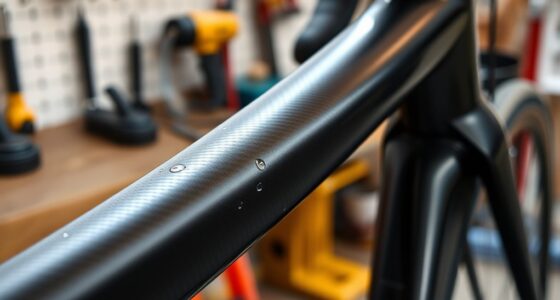

The best aero handlebars depend on whether you want a faster road-bike cockpit or clip-on extensions for a triathlon or time trial. My best overall pick is the Zipp SL 80 Race A1 for riders seeking a carbon road drop bar, while the Profile Design Sonic/Ergo/52A stands out for an adjustable clip-on setup and the REDSHIFT Quick-Release for riders who want to remove their extensions. The main tradeoffs are fit adjustability, compatibility, comfort, and whether you need a complete handlebar or an add-on. A sleek integrated bar can simplify the cockpit but may limit fit changes, while clip-ons preserve your current bar but add hardware. Read on for the full breakdown, selection criteria, and advice for choosing a setup that suits your bike and riding position.

Get sports gear delivered free with Prime
- Fast, free delivery on millions of items
- Prime Video, Amazon Music and more included
- Member-only deals all year
Complete the kit


Key Takeaways
- Handlebar type matters more than the word “aero”: this lineup includes road drop bars, integrated bar-and-stem designs, bullhorns, and clip-on extensions, which serve different riding positions.
- Profile Design dominates the adjustable clip-on choices: the Sonic/Ergo/52A and Neosonic Ergo+ 52A are more fitting-focused options than basic extension sets, while the Legacy II represents a simpler aluminum approach.
- Quick removal is a distinct use case: REDSHIFT’s Quick-Release design suits riders who want an aero position for some rides without leaving extensions on the bike all the time.
- Integrated carbon cockpits trade simplicity for fit flexibility: the RXL SL and Yccyctrek integrated options reduce separate cockpit components, but stem length, bar width, cable routing, and replacement compatibility deserve extra scrutiny.
- Material alone does not determine the best pick: carbon road bars such as the Zipp, Easton, and PRO appeal to different cockpit preferences, while aluminum clip-ons can make more sense when adjustable positioning matters most.
| Zipp SL 80 Race A1 Carbon Drop Handlebar, 380 mm |  | Best Premium Aero Drop Bar | Material: Carbon fiber | Handlebar diameter: 31.8 mm | Width: 380 mm | VIEW LATEST PRICE | See Our Full Breakdown |
| REDSHIFT Quick-Release Clip-On Aluminum Aerobars |  | Best for Switching Between Road and Aero | Material: Aluminum | Handlebar compatibility: 31.8 mm; 26.0 mm with separately sold shims | Adjustments: Extension length, arm-pad fore-aft position and width; height with separately sold riser | VIEW LATEST PRICE | See Our Full Breakdown |
| Profile Design Legacy II Aluminum Aerobars for Triathlon and Time Trial |  | Best for Long-Distance Triathlon Comfort | Material: Forged 6061-T6 aluminum | Weight: 450 g | Handlebar compatibility: 31.8 mm; adapts to 26.0 mm with separately sold shim kits | VIEW LATEST PRICE | See Our Full Breakdown |
| RXL SL Carbon Aero Road Bike Handlebars, 31.8 mm, 420 mm |  | Best for Gravel and Rough-Road Versatility | Material: Carbon fiber | Finish: 3K matte | Clamp diameter: 31.8 mm | VIEW LATEST PRICE | See Our Full Breakdown |
| RXL SL Integrated Carbon Road Bike Handlebars | 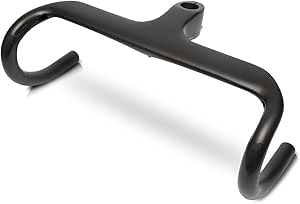 | Best Integrated Cockpit Value | Material: T800 carbon fiber | Handlebar width: 400, 420, or 440 mm | Stem length: 90, 100, 110, or 120 mm | VIEW LATEST PRICE | See Our Full Breakdown |
| Profile Design Neosonic Ergo+ 52A Aero Bar, 340 mm |  | Best Adjustable Clip-On Fit | Material: Aluminum alloy | Extension length: 340 mm, cut-to-size | Weight: 700 g | VIEW LATEST PRICE | See Our Full Breakdown |
| Yccyctrek Integrated Carbon Fiber Road Bike Handlebar, 400 mm Width, 100 mm Stem |  | Best Integrated Carbon Cockpit | Material: T700 carbon fiber | Handlebar width options: 400, 420, or 440 mm | Stem length options: 90, 100, 110, or 120 mm | VIEW LATEST PRICE | See Our Full Breakdown |
| Alfa Pasca T800 Carbon Fiber Aero Road Bike Drop Handlebars, 31.8 mm |  | Best Lightweight Aero Drop Bar | Material: T800 carbon fiber | Available widths: 400, 420, or 440 mm | Clamp diameter: 31.8 mm | VIEW LATEST PRICE | See Our Full Breakdown |
| RUTVEING Aluminum Alloy Clip-On Aero Bars for Road and Mountain Bikes |  | Best Basic Multi-Bike Clip-On | Material: Aluminum alloy | Weight: 620 g | Handlebar diameter compatibility: 1.05–1.26 in | VIEW LATEST PRICE | See Our Full Breakdown |
| Easton EC70 Aero Road Handlebar, 40 cm, 31.8 mm, Black |  | Best Narrow 40 cm Road Bar | Material: Listed as aluminum; listing also mentions carbon | Width: 40 cm | Clamp diameter: 31.8 mm | VIEW LATEST PRICE | See Our Full Breakdown |
| Profile Design Sonic/Ergo/52A Clip-On Aerobar |  | Best for Adjustable Clip-On Fit | Material: Aluminum | Weight: 564 g | Width adjustment: 124–290 mm in 18.5 mm steps | VIEW LATEST PRICE | See Our Full Breakdown |
| RXL SL Carbon Aero Bullhorn Handlebar, 31.8 mm Clamp, 440 mm Width |  | Best Lightweight Bullhorn | Material: Carbon fiber | Finish: 3K matte | Clamp diameter: 31.8 mm | VIEW LATEST PRICE | See Our Full Breakdown |
| PRO Vibe Aero Handlebar, Black, 40 cm |  | Best Aero Alloy Drop Bar | Material: 6066 alloy | Width: 40 cm; also listed in 38 cm and 42 cm | Clamp diameter: 31.8 mm | VIEW LATEST PRICE | See Our Full Breakdown |
| DRCKHROS Aluminum Bicycle Aero Bars with Armrests |  | Best Budget-Style Adjustable Add-On | Material: Aluminum alloy | Clamp diameter: 0.9–1.04 in | Total length: 14.4 in | VIEW LATEST PRICE | See Our Full Breakdown |
| aero handlebar | Material | Weight |
|---|---|---|
| Zipp SL 80 Race A1 Carbon Drop | Carbon fiber | — |
| REDSHIFT Quick-Release Clip-On | Aluminum | — |
| Profile Design Legacy II Alumi | Forged 6061-T6 aluminum | 450 g |
| RXL SL Carbon Aero Road Bike H | Carbon fiber | 220 g |
| RXL SL Integrated Carbon Road | T800 carbon fiber | — |
| Profile Design Neosonic Ergo+ | Aluminum alloy | 700 g |
| Yccyctrek Integrated Carbon Fi | T700 carbon fiber | About 360 g for the 420 × 100 mm configuration |
| Alfa Pasca T800 Carbon Fiber A | T800 carbon fiber | Approximately 190 g at 420 mm; listing also states 0.5 kg item weight |
| RUTVEING Aluminum Alloy Clip-O | Aluminum alloy | 620 g |
| Easton EC70 Aero Road Handleba | Listed as aluminum; listing also mentions carbon | 0.24 kg |
| Profile Design Sonic/Ergo/52A | Aluminum | 564 g |
| RXL SL Carbon Aero Bullhorn Ha | Carbon fiber | About 160 g |
| PRO Vibe Aero Handlebar | 6066 alloy | 15.2 ounces |
| DRCKHROS Aluminum Bicycle Aero | Aluminum alloy | — |
More Details on Our Top Picks
Zipp SL 80 Race A1 Carbon Drop Handlebar, 380 mm
The Zipp SL 80 Race A1 is my premium pick for riders replacing a complete drop bar, rather than adding clip-on extensions. Its aero-shaped top and 80 mm reach pair a streamlined hand position with road-bike geometry, while hidden external hydraulic hose routing can keep the front end tidy without requiring fully internal routing. At a listed 100 g, it is exceptionally light on paper, though buyers should confirm that figure and fit with the seller before choosing a carbon cockpit component. Compared with the RXL SL Integrated Carbon Road Bike Handlebars, Zipp’s 380 mm width and shorter reach may suit riders seeking a narrower, more compact position; the RXL offers integrated bar-and-stem sizing options. The tradeoff is a road-specific design with no stated width choices here, so it is less adaptable across bikes and rider positions.
Pros:- Carbon-fiber construction with an aero-shaped top section
- 80 mm reach and 125 mm drop provide defined road geometry
- Locators support SRAM AXS Wireless Blips
- Hidden external hydraulic hose routing can reduce visible cockpit clutter
Cons:- Road-bike-specific fit limits its appeal for mixed-use builds
- Only the 380 mm width is specified, which may not suit every rider
- The product data does not explain the unusually low listed weight
Best for: Road cyclists building a lightweight, narrow cockpit who want an aero top section and compatibility with SRAM AXS Wireless Blips.
Not ideal for: Gravel riders or anyone who needs several width and stem-length options; this model is listed specifically for road bikes and in a single 380 mm width.
- Material:Carbon fiber
- Handlebar diameter:31.8 mm
- Width:380 mm
- Reach:80 mm
- Drop:125 mm
- Listed weight:100 g
- Cable routing:Hidden external hydraulic hose routing into the stem
- Bike type:Road bike
Our verdict“Choose the Zipp for a narrow, lightweight road cockpit with aero tops, but pick the RXL SL Integrated if you need more width and stem-length combinations.”
REDSHIFT Quick-Release Clip-On Aluminum Aerobars
The REDSHIFT Quick-Release Clip-On Aerobars suit riders who want an aero position for some rides without giving up their existing drop bar setup. Their quick-release clamps attach or detach without tools, and the adjustable extension length and arm-pad position and width give more fit flexibility than a fixed clip-on setup. That removable design also makes them a practical choice for shared bikes or changing ride plans. Compared with the Profile Design Legacy II, REDSHIFT emphasizes fast removal and on-bike position changes; the Legacy II instead provides adjustable armrest width and rotation in a more conventional triathlon/time-trial format. The costs of this flexibility are weight and extra fit details: the set weighs 2 pounds, 26.0 mm bars need separately sold shims, and height adjustment requires a separately sold riser. I’d skip them if a light, permanently fitted cockpit is the priority.
Pros:- Quick-release mechanism allows tool-free attachment and removal
- Can switch between road and aero positions while riding
- Extension length and arm-pad position and width are adjustable
- Fits 31.8 mm bars and can adapt to 26.0 mm bars with separate shims
Cons:- Listed 2-pound weight is substantial for a cockpit add-on
- Height adjustment requires a separately sold riser
- 26.0 mm handlebar compatibility requires separately sold shims
Best for: Road riders who alternate between group rides and solo endurance or triathlon training and want clip-ons that can be removed quickly.
Not ideal for: Weight-focused riders or owners of 26.0 mm bars who want a ready-to-fit system; shims are separate, and height adjustment needs a separate riser.
- Material:Aluminum
- Handlebar compatibility:31.8 mm; 26.0 mm with separately sold shims
- Adjustments:Extension length, arm-pad fore-aft position and width; height with separately sold riser
- Item weight:2 pounds
- Dimensions:15.8 x 3.9 inches
- Bike types:Road bike, triathlon bike
- Color:Black
- Model:RS-10-02
Our verdict“Choose REDSHIFT if quick removal and flexible positioning matter more than low weight or a simple one-time fit.”
Profile Design Legacy II Aluminum Aerobars for Triathlon and Time Trial
The Profile Design Legacy II earns its place for riders who want a dedicated aero position with armrest fit they can tune. Its Venturi-style armrests adjust in width and rotation, while multiple hand positions offer ways to vary contact on long efforts. Forged 6061-T6 aluminum makes this a straightforward alternative to carbon drop bars such as the Zipp SL 80 Race A1: Legacy II adds forearm support for time trials, whereas Zipp replaces the main road bar and keeps a conventional drop-bar layout. At 450 g, this is not the pick for minimizing cockpit weight, and its fit depends on clamp compatibility. The included fit range covers 31.8 mm bars; 26.0 mm bars need separate shim kits. It also cannot be used with Aerobar Bracket Riser kits, narrowing options for riders who need to raise the pads.
Pros:- Forged 6061-T6 aluminum construction
- Armrests adjust in width and rotation for fit tuning
- Venturi-style pads offer multiple hand positions
- Designed for triathlon and time-trial aero riding
Cons:- Listed weight of 450 g is higher than a minimalist cockpit option
- 26.0 mm handlebar compatibility requires separately sold shim kits
- Not compatible with Aerobar Bracket Riser kits
Best for: Triathlon and time-trial riders who want adjustable armrest width and rotation for a sustained aero position.
Not ideal for: Riders seeking a lightweight carbon drop bar, or anyone whose fit plan depends on Aerobar Bracket Riser kits.
- Material:Forged 6061-T6 aluminum
- Weight:450 g
- Handlebar compatibility:31.8 mm; adapts to 26.0 mm with separately sold shim kits
- Armrest adjustment:Width and rotation adjustable
- Armrest style:Venturi-style
- Item width:12 inches
- Color:Black
- Model number:320150001
Our verdict“Choose Legacy II for adjustable forearm support on long triathlon efforts, not for a lightweight replacement road handlebar.”
RXL SL Carbon Aero Road Bike Handlebars, 31.8 mm, 420 mm
The RXL SL Carbon Aero Road Bike Handlebars are the more versatile drop-bar choice here for riders who split time between paved roads and rougher routes. Their 3K matte carbon construction is designed to dampen vibration, which may make longer rides and imperfect surfaces more comfortable than a narrowly road-focused bar like the Zipp SL 80 Race A1. The 420 mm width and standard 31.8 mm clamp also give buyers a clear fit starting point, while the stated compatibility spans road, gravel, hybrid, track, and fixed-gear bikes. That breadth is useful, but it does not mean every frame or rider position will fit: reach and drop measurements are not provided in the supplied specifications. Unlike the integrated RXL SL cockpit, this is a handlebar only, so it leaves stem selection separate. The limited durability and safety detail also makes careful compatibility checks especially important.
Pros:- Carbon-fiber construction with a 3K matte finish
- Designed to dampen vibration on long rides and rough roads
- 420 mm width and 31.8 mm clamp are clearly specified
- Listed for road, gravel, hybrid, track, and fixed-gear use
Cons:- Reach and drop dimensions are not provided in the product data
- No detailed durability or safety testing information is supplied
- Broad bike compatibility still requires checking fit with the specific bike
Best for: Road and gravel riders seeking a 420 mm carbon drop bar intended to soften vibration without committing to an integrated bar-and-stem unit.
Not ideal for: Buyers who need detailed reach and drop measurements or documented durability information before choosing a carbon handlebar.
- Material:Carbon fiber
- Finish:3K matte
- Clamp diameter:31.8 mm
- Width:420 mm
- Weight:220 g
- Handlebar type:Drop bar
- Listed bike styles:Road, gravel, hybrid, track, and fixed gear
- Warranty:1 year
Our verdict“Choose this RXL SL bar for a standalone carbon cockpit upgrade across road and gravel bikes, provided its unspecified geometry suits your fit.”
RXL SL Integrated Carbon Road Bike Handlebars
The RXL SL Integrated Carbon Road Bike Handlebars are for riders who want the bar and stem combined into one aero-oriented cockpit, with internal routing to keep cables out of view. Its width and stem-length choices—400, 420, or 440 mm bars paired with 90 to 120 mm stems—offer more sizing combinations than the single-width Zipp SL 80 Race A1 listed here. The 95 mm reach and 125 mm drop provide useful geometry details, and the 4 Nm tightening guidance gives installers a specified torque for the carbon components. This integrated format can create a tidy front end, but it reduces the freedom to swap bar and stem independently. At approximately 360 g, it is also heavier than the standalone RXL SL 420 mm bar’s listed 220 g. I’d choose it for a coordinated cockpit, not for easy component changes; installation calls for careful torque control.
Pros:- Integrated bar-and-stem design with internal cable routing
- Multiple handlebar widths and stem lengths are offered
- 95 mm reach and 125 mm drop are specified
- Product data gives a recommended 4 Nm tightening torque
Cons:- Integrated design makes independent bar or stem changes less straightforward
- Approximately 360 g is heavier than the standalone RXL SL carbon bar listed here
- Carbon components require careful installation at the specified torque
Best for: Road or gravel riders replacing both bar and stem who want internal routing and a choice of cockpit widths and stem lengths.
Not ideal for: Riders who prefer to adjust bar and stem independently, or who cannot install carbon components to the specified torque.
- Material:T800 carbon fiber
- Handlebar width:400, 420, or 440 mm
- Stem length:90, 100, 110, or 120 mm
- Fork diameter:1-1/8 in (28.6 mm)
- Reach:95 mm
- Drop:125 mm
- Approximate weight:360 g
- Cable routing and installation:Internal routing; recommended tightening torque is 4 Nm
- Warranty:One year
Our verdict“Choose the integrated RXL SL if you want a routed, coordinated cockpit in several size combinations; choose the standalone RXL SL bar for more modularity and lower listed weight.”
Profile Design Neosonic Ergo+ 52A Aero Bar, 340 mm
The Neosonic Ergo+ 52A is the fit-focused choice here: its clip-on format adds an aero position to an existing road, gravel, or bikepacking cockpit without replacing the main handlebar. Adjustable armrest width, offset, and tilt give more scope to tune support than the simpler RUTVEING R23, while the cut-to-size extensions let riders tailor their hand position. Rear-exit cable routing and an accessory mounting bridge are useful for a tidy setup on longer rides. The tradeoff is a 700 g aluminum build, which is heavier than a conventional one-piece carbon road bar such as the Alfa Pasca T800. It also needs a separately sold shim for 26.0 mm clamps, and adding stack requires separately purchased risers.
Pros:- Armrest width, offset, and tilt adjustments allow a more individualized fit.
- 340 mm extensions can be cut to suit preferred reach.
- Rear-exit cable routing helps keep the cockpit orderly.
- Accessory mounting bridge supports add-on equipment.
Cons:- At 700 g, it adds substantial weight compared with lightweight road handlebars.
- A 26.0 mm clamp requires a separately sold shim.
- Riser kits for changing stack height are sold separately.
Best for: Road, gravel, and bikepacking riders who want a highly adjustable clip-on aero position and can confirm their clamp size before buying.
Not ideal for: Weight-conscious riders seeking a light, integrated carbon cockpit, or cyclists with a 26.0 mm handlebar clamp who do not want to source a separate shim.
- Material:Aluminum alloy
- Extension length:340 mm, cut-to-size
- Weight:700 g
- Handlebar clamp diameter:31.8 mm; 26.0 mm with separately sold shim
- Armrest width:124–290 mm
- Armrest offset:-95 mm to -42.5 mm, in 7.5 mm steps
- Minimum stack height:42.5 mm
- Cable routing:Rear-exit
Our verdict“Choose the Neosonic Ergo+ 52A if fit adjustability matters more than low weight and you want clip-on aerobars for varied road and gravel riding.”
Yccyctrek Integrated Carbon Fiber Road Bike Handlebar, 400 mm Width, 100 mm Stem
Unlike clip-on choices such as the RUTVEING R23, this Yccyctrek is a one-piece handlebar and stem assembly, aimed at riders replacing the whole front cockpit rather than adding forearm supports. Its T700 carbon construction and full internal cable routing make a clean, low-clutter road-bike setup possible, and width and stem options let buyers match the assembly to their fit needs. The listing gives a roughly 360 g weight for the 420 × 100 mm configuration, but that figure does not describe every size combination. This is not a complete aero-bar substitute: it has no extensions or armrests. Buyers also need to confirm fit carefully and respect the 4 Nm torque limit; the compatible speedometer bracket is not included.
Pros:- One-piece bar-and-stem design creates an integrated cockpit.
- T700 carbon construction keeps the listed 420 × 100 mm configuration around 360 g.
- Full internal cable routing gives the front end a cleaner appearance.
- Width and stem-length options provide several fit combinations.
Cons:- It does not include aero extensions or armrests, unlike the clip-on options in this roundup.
- The speedometer bracket is not included.
- Installation calls for careful adherence to the specified 4 Nm torque.
Best for: Road cyclists replacing a handlebar and stem together who want internal cable routing, a carbon construction, and a choice of widths and stem lengths.
Not ideal for: Riders who want clip-on extensions and forearm rests, or anyone who needs a cockpit that can be installed without careful torque control.
- Material:T700 carbon fiber
- Handlebar width options:400, 420, or 440 mm
- Stem length options:90, 100, 110, or 120 mm
- Weight:About 360 g for the 420 × 100 mm configuration
- Fork diameter:28.6 mm (1-1/8 in)
- Reach:104 mm
- Cable routing:Full internal routing
- Recommended tightening torque:4 Nm
Our verdict“Pick the Yccyctrek for an integrated carbon road cockpit, not if your priority is adding a separate aero position to your existing bars.”
Alfa Pasca T800 Carbon Fiber Aero Road Bike Drop Handlebars, 31.8 mm
The Alfa Pasca T800 is the clearest fit for riders who want an aero-shaped drop bar rather than clip-on extensions. Its expanded upper grip adds palm support, while internal cable routing keeps cables tucked away; the textured brake-grip area also gives hands a more secure surface. At approximately 190 g in the 420 mm width, it is a lighter listed choice than the 240 g Easton EC70, though the Easton listing describes its material inconsistently. Compared with the Yccyctrek, the Alfa Pasca is a handlebar rather than an integrated bar-and-stem assembly, so it can pair with a compatible stem. That flexibility still depends on a 31.8 mm clamp, and its road-only use and 4 Nm torque guidance make compatibility and installation details important.
Pros:- Approximately 190 g in the 420 mm width, according to the listing.
- Aero upper profile and internal cable routing suit a tidy road cockpit.
- Expanded upper grip gives the palms more support.
- Textured brake-grip area helps provide a secure handhold.
Cons:- Requires a compatible 31.8 mm stem.
- Listed for road use rather than mountain riding.
- Installation requires following the specified 4 Nm torque.
Best for: Road riders replacing a drop bar who want a lightweight aero profile, internal routing, and added support across the upper grip.
Not ideal for: Mountain-bike riders, cyclists seeking clip-on armrests, or buyers whose stem is not compatible with a 31.8 mm clamp.
- Material:T800 carbon fiber
- Available widths:400, 420, or 440 mm
- Clamp diameter:31.8 mm
- Weight:Approximately 190 g at 420 mm; listing also states 0.5 kg item weight
- Drop:123 mm
- Reach:77 mm
- Cable routing:Internal
- Recommended torque:4 Nm
Our verdict“Choose the Alfa Pasca if you want a light, aero-shaped road drop bar with internal routing, rather than clip-on bars like the Neosonic Ergo+ 52A.”
RUTVEING Aluminum Alloy Clip-On Aero Bars for Road and Mountain Bikes
The RUTVEING R23 is a straightforward way to add an arm-supported position to compatible road or mountain-bike handlebars. Its aluminum construction and included armrest pads, end grips, tools, and instructions make it a more ready-to-install basic kit than the more fit-adjustable Profile Design Neosonic Ergo+ 52A. The RUTVEING’s removable pads are handy for cleaning, and the end grips offer another hand position. Its listed clamp range is broad, but buyers should measure their bar carefully because compatibility is specified in inches. Compared with the Neosonic, it gives fewer documented fit adjustments and lacks a stated accessory bridge or rear-exit cable routing. The 620 g weight is also a meaningful addition to the bike, and the listing provides no warranty.
Pros:- Includes armrest pads, end grips, installation tools, and instructions.
- Removable pads can be taken off for cleaning.
- Listed for both road and mountain bikes.
- Clamp compatibility spans 1.05–1.26 inches.
Cons:- At 620 g, it adds noticeable weight.
- The listing states no product warranty.
- Its fit-adjustment details are less extensive than those given for the Neosonic Ergo+ 52A.
Best for: Riders with compatible road or mountain-bike bars who want a basic clip-on aero position and value included installation tools and removable pads.
Not ideal for: Cyclists who need extensive armrest-position adjustments, a documented warranty, or a lightweight addition to the cockpit.
- Material:Aluminum alloy
- Weight:620 g
- Handlebar diameter compatibility:1.05–1.26 in
- Dimensions:7.6 × 2.8 in
- Bike compatibility:Mountain bike and road bike
- Included components:Armrest pads, end grips, installation tools, and instructions
- Color:Black
- Warranty:None listed
Our verdict“The RUTVEING R23 suits riders after a basic, supplied-with-tools clip-on setup, while fit-focused buyers should compare it with the more adjustable Neosonic.”
Easton EC70 Aero Road Handlebar, 40 cm, 31.8 mm, Black
The Easton EC70 Aero is a compact 40 cm road handlebar for riders replacing their main bar, not a clip-on kit like the RUTVEING R23. Its 31.8 mm clamp and listed 240 g weight give buyers two practical details for checking fit and cockpit mass. At 40 cm, it is a narrower fixed-width option than the Alfa Pasca T800, which is offered in 400, 420, and 440 mm widths. The key drawback is the listing’s conflicting material information: it identifies the bar as aluminum but also mentions carbon. That makes material-based comparisons unreliable until the exact construction is confirmed. The listing also supplies limited geometry and routing details, so riders seeking a clearly specified aero shape or internal cable path may prefer the better-documented Alfa Pasca.
Pros:- 40 cm width suits riders looking for a narrower road handlebar.
- 31.8 mm clamp diameter is clearly specified.
- Listed weight is 0.24 kg.
- Designed for road-bike use.
Cons:- The listing conflicts on whether the material is aluminum or carbon.
- Reach, drop, and cable-routing details are not provided.
- It is a replacement handlebar, not a clip-on aero bar with armrests.
Best for: Road cyclists seeking a 40 cm, 31.8 mm replacement handlebar who can verify the material and cockpit compatibility before purchase.
Not ideal for: Buyers who need confirmed carbon construction, detailed reach and drop figures, or a clip-on forearm-supported aero position.
- Material:Listed as aluminum; listing also mentions carbon
- Width:40 cm
- Clamp diameter:31.8 mm
- Weight:0.24 kg
- Color:Black
- Bike type:Road bike
- Included components:Handlebar
- Warranty:Limited warranty
Our verdict“Consider the Easton EC70 if its 40 cm width suits your fit, but confirm the material before choosing it over the more fully specified Alfa Pasca T800.”
Profile Design Sonic/Ergo/52A Clip-On Aerobar
The Sonic/Ergo/52A is a strong choice for riders who want to add a dedicated aero position without replacing their existing handlebar. Its width adjusts from 124 to 290 mm in defined steps, giving more scope to tune arm spacing than a fixed-width setup. The 52-degree grip angle and 10 mm Ergo pads pair a forward position with basic cushioning, while the 400 mm extensions offer room to set reach. Compared with the Profile Design Legacy II, this model specifies Ergo armrests and pads, making the contact-point setup easier to understand from the product details. The tradeoff is compatibility: it clamps to 31.8 mm bars, or 26.0 mm bars with shims, and its 564 g aluminum build is not a featherweight option. I’d pick it for adjustability, not minimum mass.
Pros:- Width adjusts from 124 to 290 mm in 18.5 mm steps
- 10 mm Ergo pads add cushioning at the armrests
- 400 mm extensions and 52-degree grip angle support position tuning
- Includes brackets, extensions, armrests, pads, and mounting hardware
Cons:- At 564 g, it is relatively weighty compared with lightweight carbon cockpit options
- Requires a 31.8 mm handlebar or 26.0 mm handlebar with shims
Best for: Road and triathlon riders with compatible handlebars who want adjustable extension width and padded armrests for setting up an aero position.
Not ideal for: Riders seeking an integrated cockpit, minimum weight, or a clamp fit for bars outside 31.8 mm and 26.0 mm with shims.
- Material:Aluminum
- Weight:564 g
- Width adjustment:124–290 mm in 18.5 mm steps
- Extension length:400 mm
- Grip angle:52 degrees
- Handlebar compatibility:31.8 mm; 26.0 mm with shims
- Armrest pads:10 mm Ergo
- Warranty:2 years
Our verdict“Choose this Profile Design clip-on if adjustable fit and included padded armrests matter more than saving weight.”
RXL SL Carbon Aero Bullhorn Handlebar, 31.8 mm Clamp, 440 mm Width
For a rider building a road-bike cockpit around bullhorns, the RXL SL Carbon Aero offers a notably light listed weight of about 160 g and a flat, aerodynamic profile. Internal routing holes let brake lines run inside the bar, creating a tidier cockpit than the semi-internal layout on the PRO Vibe Aero. That comparison also marks the key difference: this is a 440 mm bullhorn, not a conventional drop bar or a clip-on extension system, so it suits a more specific build. Carbon construction keeps the stated weight down, but installation calls for a 4 Nm tightening torque; careful setup and suitable tools matter. The one-year warranty is also shorter than the two-year coverage listed for the Profile Design Sonic/Ergo/52A. I’d shortlist it for a compatible build where low weight and internal brake routing take priority.
Pros:- About 160 g listed weight for a carbon bullhorn
- Internal routing helps keep brake lines protected and tidy
- Flat ergonomic profile is designed with aerodynamic positioning in mind
- 31.8 mm clamp fits a common road cockpit standard
Cons:- Specified 4 Nm tightening torque calls for careful installation
- Bullhorn shape limits hand positions compared with drop bars
- One-year warranty is shorter than the Profile Design Sonic/Ergo/52A warranty
Best for: Road-bike builders looking for a lightweight 440 mm carbon bullhorn with internal brake-line routing and a 31.8 mm clamp.
Not ideal for: Riders who need drop-bar hand positions, clip-on aero extensions, or a less torque-sensitive alloy cockpit.
- Material:Carbon fiber
- Finish:3K matte
- Clamp diameter:31.8 mm
- Width:440 mm
- Weight:About 160 g
- Torque:4 Nm
- Routing:Internal brake-line routing
- Warranty:1 year
Our verdict“Pick this bar for a lightweight, internally routed bullhorn cockpit, but skip it if you need drop-bar versatility or clip-on extensions.”
PRO Vibe Aero Handlebar, Black, 40 cm
The PRO Vibe Aero suits riders who want an aerodynamic drop bar without moving to carbon. Its 6066 alloy construction and sleek top section offer a different compromise from the carbon RXL SL bullhorn: this is a conventional 40 cm road drop bar with a 130 mm drop and 78 mm reach, rather than a specialist bullhorn cockpit. Semi-internal cable routing keeps the front end cleaner, and Di2 integration is a useful fit for riders building around electronic shifting. The tradeoff is that the listed weight is 15.2 ounces, and riders set on a carbon bar may prefer one of the carbon options elsewhere in this roundup. I’d rank it for riders who value an aero-shaped alloy drop bar and integration details over the lowest possible weight.
Pros:- 6066 alloy construction offers an aero-shaped alternative to carbon bars
- Semi-internal routing keeps cables less exposed
- Di2 integration supports compatible electronic-shifting setups
- 40 cm width, 78 mm reach, and 130 mm drop provide defined fit dimensions
Cons:- Listed weight of 15.2 ounces may deter riders focused on minimizing cockpit weight
- Alloy construction will not suit riders specifically seeking carbon
- No clip-on extensions or armrests are specified
Best for: Road cyclists who want a 40 cm aerodynamic alloy drop bar with semi-internal routing and Di2 integration.
Not ideal for: Riders prioritizing a carbon cockpit or seeking clip-on extensions and armrests for a dedicated time-trial position.
- Material:6066 alloy
- Width:40 cm; also listed in 38 cm and 42 cm
- Clamp diameter:31.8 mm
- Drop:130 mm
- Reach:78 mm
- Cable routing:Semi-internal
- Di2 integration:Yes
- Weight:15.2 ounces
Our verdict“Choose the PRO Vibe Aero if you want an aero-profiled alloy drop bar with Di2 support rather than a carbon or clip-on setup.”
DRCKHROS Aluminum Bicycle Aero Bars with Armrests
The DRCKHROS Aluminum Bicycle Aero Bars are aimed at riders who want adjustable extensions and armrests in one add-on set, including riders building around a mountain-bike or road-bike cockpit. Bar length, angle, width, and armrest position are adjustable, so there is more scope to shape the setup than with a fixed bullhorn such as the RXL SL Carbon Aero. Removable sponge pads can be taken off for cleaning, and the included tools help with installation. The product details, however, do not give a step-by-step adjustment range or a standardized clamp size in millimeters; compatibility is listed only as 0.9–1.04 inches. At 0.45 kg, it is also heavier than a lightweight carbon bar. I’d consider it for fit flexibility, but verify clamp diameter before buying.
Pros:- Bar length, angle, width, and armrest position are adjustable
- Removable sponge pads can be taken off for cleaning
- Includes two installation tools
- Listed for both mountain bikes and road bikes
Cons:- Clamp compatibility is limited to 0.9–1.04 inches
- At 0.45 kg, it is heavier than lightweight carbon cockpit options
- No specific adjustment increments or range are provided
Best for: Road or mountain-bike riders seeking adjustable clip-on-style aero bars with armrests, removable pads, and included installation tools.
Not ideal for: Riders who need a precise millimeter fit specification, want a lightweight carbon setup, or have handlebars outside the stated clamp range.
- Material:Aluminum alloy
- Clamp diameter:0.9–1.04 in
- Total length:14.4 in
- Item weight:0.45 kg
- Bike types:Mountain bike, road bike
- Armrest pads:Removable sponge pads
- Included tools:2 installation tools
- Color:Gloss black
Our verdict“Choose the DRCKHROS set if broad position adjustment and removable pads matter more than low weight or detailed fit measurements.”

How We Picked
I ranked these 14 handlebars by how well each design serves its intended aero use, rather than treating drop bars and clip-on extensions as interchangeable. My comparison prioritizes fit range, riding-position comfort, mounting and bike compatibility, construction, and the practical cost of changing or maintaining the cockpit. A product ranks higher when its format gives a clear benefit without asking the buyer to accept unnecessary limitations.
The top positions go to options with a distinct, useful role: the Zipp SL 80 Race A1 leads among road drop bars, while the Profile Design Sonic/Ergo/52A is a stronger choice for riders building an adjustable clip-on position. REDSHIFT earns a place for removable extensions, and the other choices rank according to their more specialized formats, including integrated cockpits, bullhorns, and simpler clip-ons. Product details supplied here do not establish fit dimensions beyond those stated in the names, so I treat exact compatibility and sizing as checks for buyers rather than assumed advantages.
Factors to Consider When Choosing Best Aero Handlebars
Before choosing an aero handlebar, start with the position you want to ride and the bike you plan to keep. These broader checks can prevent a fast-looking cockpit from becoming uncomfortable, incompatible, or difficult to adjust.
Choose Between a Road Bar and Clip-On Extensions
Aero road drop bars and clip-on aerobars solve different problems. A drop bar replaces the handlebar and shapes your everyday hand positions, while clip-ons add forearm-supported extensions to an existing cockpit. If you want an aero position only for training or events, clip-ons can preserve your current controls and standard riding position. If you want a different road cockpit every day, a drop bar may make more sense, but it will not automatically provide the same supported forearm position as extensions. A common mistake is buying by the “aero” label without checking whether the product actually matches the riding posture you intend to use.
Check Clamp Diameter, Space, and Stem Fit
Handlebar clamp diameter must match the stem, and clip-on clamps need a compatible section of bar with enough usable space. Shaped, oversized, or flattened aero tops may not accept every clip-on, even when the nominal diameter appears right. Measure the intended clamp area and consult the manufacturer’s compatibility guidance before ordering. For an integrated bar-and-stem, verify the steerer interface, stem length, bar width, and control mounting requirements as a complete set. A product that technically fits the bike but leaves no room for brakes, shifters, or accessories can create a cockpit you cannot set up safely.
Prioritize Fit Adjustability Before Aerodynamic Claims
Your aero position only helps if you can hold it comfortably and control the bike. Extension length, pad width, pad reach, and armrest height affect whether your shoulders and wrists settle naturally, so adjustment range can matter more than a dramatic-looking profile. Riders new to aerobars should make small fit changes and build time in the position gradually rather than copying another rider’s setup. A fixed or limited-range cockpit may suit someone whose fit is already established, but it can be a frustrating first purchase. If you need a wide range of adjustment, favor a design that lets you tune the contact points rather than focusing only on material.
Weigh Integrated Cockpit Simplicity Against Serviceability
An integrated bar and stem can reduce separate cockpit pieces and create a tidy front end, but one component now determines several fit dimensions at once. If the stem length or bar width is wrong, changing position may mean replacing more than a single part. Cable routing can also affect installation time and future brake or shift service, especially when the bike’s controls run through the cockpit. Before choosing an integrated design, confirm that the stated dimensions match your fit and that your mechanic can work with its routing and hardware. Separate bars and stems are less seamless, yet they can be easier to fine-tune or replace independently.
Match Material to Your Priorities, Not Assumptions
Carbon and aluminum each appear in this roundup, but neither label alone tells you whether a bar is right for your riding. Carbon may appeal to buyers seeking a lightweight or integrated cockpit, while aluminum clip-ons can keep an add-on setup straightforward and adjustable. Weight should be weighed against durability needs, intended use, and the exact manufacturer limits for installation and maintenance. Avoid guessing at clamp torque or using unapproved accessories, particularly with carbon components. If you often change setups or want a less complex replacement path, a conventional bar or clip-on arrangement may be a more practical fit than an integrated cockpit.
Think Through Removal, Storage, and Everyday Use
Some riders want extensions on the bike all season; others need a clean road cockpit for group rides, travel, or shared use. Quick-release hardware can make removal more convenient, but it adds another mechanism and still needs correct installation and periodic checks. Fixed clip-ons may be a better match if you rarely remove them and have confirmed bar compatibility. Also think about where the bike will be stored and whether extensions affect transport or access to controls. Choosing around your actual riding routine can matter more than selecting the most elaborate-looking design.
Frequently Asked Questions
Can I install clip-on aerobars on any road handlebar?
No. The handlebar needs a compatible clamp diameter and enough suitable space where the extensions attach. Flattened or specially shaped aero tops may not be approved for clip-on clamps, and an incorrect clamp can damage the bar or create an unsafe setup. Check the handlebar and aerobar makers’ compatibility instructions, including any limits on clamp placement. If the guidance is unclear, ask a qualified mechanic before mounting them.
Should I buy clip-ons or replace my road handlebar?
Choose clip-ons if you want a supported aero position while keeping your current road controls and bar for ordinary riding. Replace the handlebar if your goal is a different drop-bar shape or a more integrated cockpit, not simply forearm support. Clip-ons are often easier to remove or adjust, though they add clamps and extensions to the front end. A replacement bar changes the feel of your main hand positions and may require control, tape, or cable work. Decide which position you want to improve before comparing materials.
Are integrated carbon handlebars a good choice for a first aero cockpit?
They can work for a first cockpit if the bar width, stem length, and control layout already match your fit. The challenge is that integrated designs combine dimensions that might otherwise be changed separately, so a poor fit can be costly or awkward to correct. New riders often benefit from learning their preferred reach and hand position before committing to a fixed cockpit layout. Check cable routing and service requirements as well as frame compatibility. If you are still experimenting with fit, an adjustable or separate-component setup may leave more room to refine the position.
What should I check before choosing an aerobar for a triathlon or time trial?
Check that the model fits your base bar and offers the pad and extension adjustments needed for your position. Armrest width, reach, height, and extension shape affect comfort and control over sustained efforts, so do not choose by extension appearance alone. Confirm that the setup follows the rules for your event and that you can reach the brakes and shift controls safely. Allow time to practice in the new position before race day. A fit session can help identify adjustment needs before you settle on a particular model.
Can I use aero handlebars on a mountain bike or a bike used for group rides?
Some clip-on products are marketed for road and mountain bikes, but compatibility with the particular handlebar remains the deciding factor. Extensions also change hand position and can affect how quickly you reach the brakes, which may be unsuitable for technical trails or crowded group riding. For a bike used across different conditions, removable extensions can be more practical than leaving a fixed aero setup installed. Follow the product’s use instructions and avoid riding in an unsupported position where quick braking or steering control is needed. Match the setup to the terrain and traffic, not just the bike category.
Conclusion
For a road-bike drop bar, my best overall pick is the Zipp SL 80 Race A1; it is the clearest choice here for riders seeking a carbon road cockpit rather than clip-on extensions. My best value-style choice is the Profile Design Legacy II for riders who want a straightforward aluminum triathlon or time-trial aerobar, while the best premium-oriented option is the PRO Vibe Aero for buyers focused on a dedicated road bar. For beginners, I would start with a fit-friendly clip-on setup such as the Profile Design Sonic/Ergo/52A and confirm compatibility before purchase. If you need extensions you can remove between rides, choose the REDSHIFT Quick-Release; if you want an integrated cockpit, compare the RXL SL and Yccyctrek dimensions carefully before committing. The right pick is the one that matches your bike, fit, and intended riding position—not simply the one with the most aerodynamic appearance.
Halloween Picks
halloween
As an affiliate, we earn on qualifying purchases.