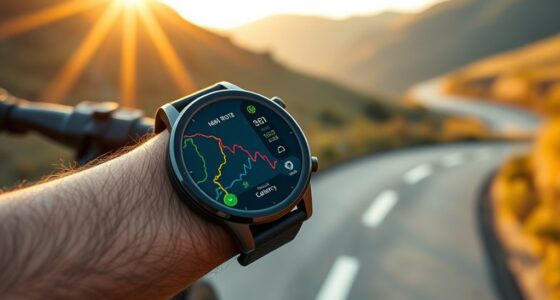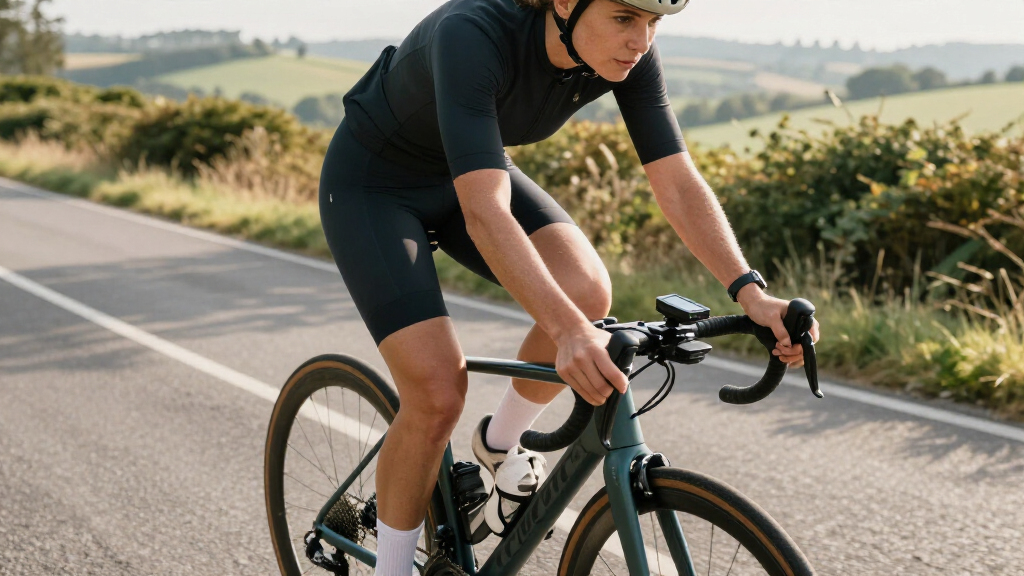

The best cycling power meters balance dependable power data with a setup that fits your bike, pedals, and training goals. I rank the Favero Assioma PRO RS-2 as the best overall pick for road riders who want dual-sided pedal measurement, while the Magene P715 stands out for long battery life and broad connectivity, and the Magene TEO P515 offers a lightweight carbon crankset format. The main tradeoffs are pedal convenience versus crank or spider fit, single-sided simplicity versus dual-sided data, and premium features versus compatibility and service needs. I compared all 14 options on measurement design, installation, connectivity, durability, and versatility. Read on for the full breakdown and a guide to choosing the right system for your riding.

Get sports gear delivered free — and shop member deals
- Fast, free delivery on millions of items
- Access to Prime Big Deal Days deals on October 6–7
- Prime Video, Amazon Music and more included
Complete the kit


Key Takeaways
- Pedal-based meters dominate this lineup, making them easier to move between compatible bikes than crank or spider systems, but pedal-body and cleat compatibility still matter.
- Dual-sided measurement is not the same across models: the PRO RS-2, PRO RL-2, and PRO MX-2 measure both sides, while their single-sensing counterparts prioritize a simpler configuration.
- The Magene P715 claims up to 120 hours of battery life, while the GEOID PM500 lists 300 hours and the Magene TEO P515 lists 380 hours; stated runtimes vary by design and use.
- Road, MTB, and general road-crank formats call for different choices: the Assioma PRO MX options target SPD-style off-road riding, while the RL and RS families are road-pedal choices.
- Fit and system compatibility can outweigh headline accuracy: spindle length, crank length, chainring interface, cleat system, and head-unit support determine whether a meter will work for a specific bike.
| GEOID PM500 Bike Power Meter Crankset, 165mm |  | Best Long-Battery Crankset | Sensor accuracy: ±1.5% | Weight: 680g | Battery life: Up to 300 hours | VIEW LATEST PRICE | See Our Full Breakdown |
| Magene P715 Power Meter Pedals |  | Best for Switching Between Bikes | Accuracy: ±1% | Battery life: Up to 120 hours | Weight: 157g per pedal | VIEW LATEST PRICE | See Our Full Breakdown |
| SRM X-Power MTB Power Meter Pedals |  | Best for Dual-Sided MTB Data | Measurement: Dual-sided | Bike type: Mountain bike | Connectivity: Bluetooth and ANT+ | VIEW LATEST PRICE | See Our Full Breakdown |
| Magene PES P505/P515 Power Meter Crankset |  | Best for Long Training Blocks | Accuracy: ±1% | Weight: 625g | Battery life: Up to 380 hours | VIEW LATEST PRICE | See Our Full Breakdown |
| Magene P715 Dual-Sensing Side Power Meter Cycling Pedals, Silver |  | Best SPD-SL Dual-Sensing Pedals | Accuracy: ±1% | Measurement: Dual-sided | Pedal compatibility: SPD-SL | VIEW LATEST PRICE | See Our Full Breakdown |
| Favero Assioma Uno Power Meter Pedal |  | Best for Easy Road-Bike Upgrades | Power meter type: Pedal | Battery life: Up to 50 hours | Connectivity: Bluetooth and ANT+ | VIEW LATEST PRICE | See Our Full Breakdown |
| Favero Assioma PRO MX-2 Dual-Sensing Pedal-Based Cycling Power Meter |  | Best for Dual-Sensing MTB and Gravel | Compatibility: MTB and gravel; 100% SPD compatible | Sensor type: Dual-sensing power and gyroscope | Accuracy: ±1% | VIEW LATEST PRICE | See Our Full Breakdown |
| Favero Assioma PRO MX-1 Single-Sensing Pedal-Based Cycling Power Meter | 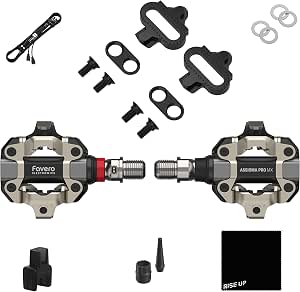 | Best for Long-Distance Single-Sided MTB Training | Compatibility: MTB and gravel; 100% SPD compatible | Sensor placement: Left pedal only | Accuracy: ±1% | VIEW LATEST PRICE | See Our Full Breakdown |
| Favero Assioma PRO RL-2 Dual-Sensing Pedal-Based Road Cycling Power Meter |  | Best for Bilateral Road Training | Compatibility: Look Keo and compatible cleats | Accuracy: ±1% | Battery life: 160+ hours | VIEW LATEST PRICE | See Our Full Breakdown |
| Favero Assioma PRO RL-1 Single-Sensing Pedal-Based Road Cycling Power Meter |  | Best for Single-Sided Road Upgrades | Compatibility: Look Keo | Power sensor location: Left pedal only | Accuracy: ±1% | VIEW LATEST PRICE | See Our Full Breakdown |
| Favero Assioma PRO RS-2 Dual-Sensing Pedal-Based Road Cycling Power Meter |  | Best for Easy Bike Swaps | Power measurement: Dual-sensing | Cleat compatibility: SPD-SL | Accuracy: ±1% | VIEW LATEST PRICE | See Our Full Breakdown |
| Magene TEO P515 Cycling Power Meter Crankset, Carbon 110BCD for Road Bikes, ±1% Accuracy, 425g Lightweight, 380H Rechargeable Battery, Dual ANT+/Bluetooth, IPX7 Waterproof |  | Best for Long Training Blocks | Weight: 425g | Crank length: 160mm | Material: HI-MOD carbon fiber | VIEW LATEST PRICE | See Our Full Breakdown |
| ThinkRider PP5 Spider Power Meter & Crankset, Carbon/Aluminum Options, 110 BCD 4-Bolt, BLE & ANT+, Lightweight, Road-24, 160-172.5mm, Road Bike Use |  | Best for Left-Right Pedaling Analysis | Power measurement: Dual-sided; total and left/right leg data | Compatibility: Easton-spec interfaces | Chainring pattern: 110 BCD, four-bolt | VIEW LATEST PRICE | See Our Full Breakdown |
| Favero Assioma PRO MX-1 Single Sided Power Meter Pedals |  | Best for a Straightforward Single-Sided Upgrade | Power measurement: Single-sided | Compatibility: Standard pedal systems | Device integration: Cycling computers and training apps | VIEW LATEST PRICE | See Our Full Breakdown |
| cycling power meter | Battery life | Connectivity | Accuracy |
|---|---|---|---|
| GEOID PM500 Bike Power Meter C | Up to 300 hours | Bluetooth and ANT+ | — |
| Magene P715 Power Meter Pedals | Up to 120 hours | Bluetooth and ANT+ | ±1% |
| SRM X-Power MTB Power Meter Pe | — | Bluetooth and ANT+ | — |
| Magene PES P505/P515 Power Met | Up to 380 hours | Bluetooth and ANT+ | ±1% |
| Magene P715 Dual-Sensing Side | Up to 120 hours | Bluetooth and ANT+ | ±1% |
| Favero Assioma Uno Power Meter | Up to 50 hours | Bluetooth and ANT+ | — |
| Favero Assioma PRO MX-2 Dual-S | 160 hours per charge | — | ±1% |
| Favero Assioma PRO MX-1 Single | 160+ hours | — | ±1% |
| Favero Assioma PRO RL-2 Dual-S | 160+ hours | Bluetooth and ANT+ | ±1% |
| Favero Assioma PRO RL-1 Single | Over 160 hours per charge | Bluetooth and ANT+ | ±1% |
| Favero Assioma PRO RS-2 Dual-S | Up to 160 hours | — | ±1% |
| Magene TEO P515 Cycling Power | 380 hours | Bluetooth and ANT+ | ±1% |
| ThinkRider PP5 Spider Power Me | Up to 300 hours | BLE and ANT+ | — |
| Favero Assioma PRO MX-1 Single | — | — | — |
More Details on Our Top Picks
GEOID PM500 Bike Power Meter Crankset, 165mm
The GEOID PM500 suits road riders who want a crank-based meter and would rather charge less often. Its stated 300-hour battery life is far longer than the Magene P715 pedals’ 120 hours, though the pedals are easier to move between bikes. At ±1.5% accuracy, the PM500’s stated precision is a little less exact than the ±1% Magene PES P505/P515 crankset, but it still provides a clear training-power reference for structured rides. Bluetooth and ANT+ let it connect with a range of head units and apps; the IPX7 rating adds reassurance for wet-weather road use. The tradeoff is fit: its 110BCD, four-bolt and Shimano 12-speed compatibility needs to match your setup, and crank installation is less convenient than swapping pedals.
Pros:- Stated 300-hour battery life reduces charging interruptions.
- Bluetooth and ANT+ support a range of cycling computers and apps.
- IPX7 waterproof rating supports riding in wet conditions.
- Aluminum crankset weighs 680g.
Cons:- ±1.5% stated accuracy is less precise than the ±1% Magene crankset and P715 pedals.
- 110BCD, four-bolt and Shimano 12-speed requirements limit fit.
- Crankset installation and calibration take more work than moving a pedal-based meter.
Best for: Road cyclists with a compatible 110BCD Shimano 12-speed setup who want long battery life and a permanent crank-based meter.
Not ideal for: Riders who switch a power meter between bikes, need MTB compatibility, or want the tighter stated accuracy of the Magene PES P505/P515.
- Sensor accuracy:±1.5%
- Weight:680g
- Battery life:Up to 300 hours
- Chainring compatibility:110BCD, 4-bolt
- Drivetrain compatibility:Shimano 12-speed
- Connectivity:Bluetooth and ANT+
- Crank length:165mm
Our verdict“Choose the PM500 if your road bike matches its drivetrain requirements and you value long battery life over the tighter stated accuracy of the Magene alternatives.”
Magene P715 Power Meter Pedals
The Magene P715 is the practical pick for riders who want power data without committing a meter to one crankset. Its one-minute installation makes moving it between compatible bikes simpler than fitting the GEOID PM500 or Magene PES P505/P515 cranksets. The P715 also claims ±1% accuracy, tighter than the PM500’s ±1.5%, and supports both Bluetooth and ANT+ for pairing with common cycling devices. Battery life is a stated 120 hours: useful, but well below the crank-based Magene PES P505/P515’s 380 hours. That convenience comes with pedal-system and durability tradeoffs; pedal compatibility must suit your cleats, and the supplied description flags the lightweight build as a concern for rough terrain. Choose it for road training and easy bike changes, not rugged off-road use.
Pros:- One-minute installation makes it easier to move between bikes than either listed crankset.
- ±1% stated accuracy suits riders tracking structured training.
- Bluetooth and ANT+ support a broad range of devices.
- IPX7 waterproof rating.
Cons:- 120-hour battery life is shorter than the 300-hour GEOID PM500 and 380-hour Magene PES P505/P515.
- Lightweight pedal construction may be less suited to rough terrain.
- Pedal and cleat compatibility must match the rider’s setup.
Best for: Road cyclists who share a power meter across compatible bikes and want quick installation with ±1% stated accuracy.
Not ideal for: Riders who need a trail-focused pedal, longer intervals between charges, or a crank-based meter that stays installed on one bike.
- Accuracy:±1%
- Battery life:Up to 120 hours
- Weight:157g per pedal
- Connectivity:Bluetooth and ANT+
- Installation time:About 1 minute
Our verdict“Pick the P715 if easy bike-to-bike swapping matters more to you than the longer battery life of a crankset meter.”
SRM X-Power MTB Power Meter Pedals
For mountain bikers who want separate left- and right-leg readings, the SRM X-Power occupies a different niche from the road-focused Magene P715 and the crankset meters in this group. Its dual-sided measurement can show how power is split between legs, while its metal, trail-oriented design is intended for mountain and gravel riding. Bluetooth and ANT+ provide options for sending data to a compatible computer or app. The supplied product details also list a 30-hour rechargeable battery, a substantial charging tradeoff beside the 120-hour Magene P715 pedals. Check the exact pedal and cleat configuration before buying: although the description says SPD-compatible, the included-components list mentions SPD-SL cleats. This specialized choice makes most sense for off-road riders who prioritize dual-sided data over long run time.
Pros:- Dual-sided measurement provides left/right power data.
- Metal construction is described as trail-ready for mountain biking and gravel.
- Bluetooth and ANT+ support compatible cycling devices.
- Rechargeable design avoids disposable batteries.
Cons:- Stated 30-hour battery life is much shorter than the Magene P715’s 120 hours.
- Cleat details are inconsistent: the description says SPD-compatible, while the included-components list names SPD-SL cleats.
- Its MTB and gravel focus is less suitable for riders seeking a road-specific option.
Best for: Mountain and gravel riders who want dual-sided power readings and a pedal-based meter built for off-road use.
Not ideal for: Road cyclists seeking long battery life, or buyers who need confirmed SPD cleat compatibility without checking the included configuration first.
- Measurement:Dual-sided
- Bike type:Mountain bike
- Connectivity:Bluetooth and ANT+
- Battery:Rechargeable; stated 30-hour life
- Material:Metal
- Weight:250.5g
- Warranty:2 years
- Included cleats:SPD-SL cleats listed; description also states SPD compatibility
Our verdict“Choose the SRM X-Power for dual-sided off-road power data, but verify the cleat fit and accept more frequent charging than with the Magene P715.”
Magene PES P505/P515 Power Meter Crankset
The Magene PES P505/P515 stands out among these cranksets for combining ±1% stated accuracy with a 380-hour battery life. That gives it a precision advantage over the GEOID PM500, while its longer stated run time also exceeds the PM500’s 300 hours and the Magene P715 pedals’ 120 hours. Its 7075 aircraft-grade aluminum construction and 625g listed weight make it a substantial choice for road training without giving up the long service interval. Bluetooth and ANT+ let it pair with compatible devices, and the 110BCD four-bolt interface will feel familiar to riders with a matching chainring setup. The compromise is fit and installation: a 24mm spindle and compatible frame components are required, and crankset setup takes more work than the quick-install P715 pedals.
Pros:- ±1% stated accuracy is tighter than the GEOID PM500’s ±1.5%.
- Stated 380-hour battery life exceeds the other listed meters in this batch.
- 7075 aircraft-grade aluminum construction.
- Bluetooth and ANT+ connectivity.
Cons:- Requires a compatible frame, 24mm spindle setup and 110BCD four-bolt chainrings.
- Crankset installation is less convenient than fitting the Magene P715 pedals.
- Actual battery life may vary with conditions.
Best for: Road cyclists with a compatible 24mm-spindle, 110BCD setup who want precise stated readings and long stretches between charges.
Not ideal for: Riders who want to move a meter between bikes quickly, or whose frames and chainrings do not match the crankset requirements.
- Accuracy:±1%
- Weight:625g
- Battery life:Up to 380 hours
- Crank length:165mm
- Material:7075 aircraft-grade aluminum
- Connectivity:Bluetooth and ANT+
- Chainring compatibility:110BCD, four-bolt
- Spindle diameter:24mm
Our verdict“The PES P505/P515 is the strongest fit here for compatible road bikes when tight stated accuracy and fewer charging stops outweigh easy swapping.”
Magene P715 Dual-Sensing Side Power Meter Cycling Pedals, Silver
This silver Magene P715 is the cleat-specific alternative to the other P715 in this roundup: it explicitly lists SPD-SL compatibility and dual-sided sensing. For road riders already using SPD-SL shoes, that makes the buying decision clearer than the first P715 listing, whose cleat standard is not specified. Its ±1% stated accuracy, Bluetooth and ANT+ support match the practical training needs of riders using a compatible head unit or app. Like the other P715, it installs quickly and offers 120 hours of stated battery life. That is convenient compared with fitting a crankset, but it falls well short of the Magene PES P505/P515’s 380 hours. This pedal-based option also depends on SPD-SL fit, so it is a poor match for riders using other cleat systems.
Pros:- Dual-sided sensing supplies left/right power data.
- Explicit SPD-SL compatibility suits riders with matching road shoes.
- One-minute installation is more convenient than crankset fitting.
- Bluetooth and ANT+ support common cycling devices.
Cons:- SPD-SL compatibility limits use with other cleat systems.
- 120-hour battery life is shorter than the Magene PES P505/P515’s 380 hours.
- A compatible computer or app is needed to use its data.
Best for: Road cyclists already using SPD-SL shoes who want a dual-sided meter that installs quickly and pairs with Bluetooth or ANT+ devices.
Not ideal for: Riders using SPD or other cleat systems, or those who prefer the longer battery interval of the Magene PES P505/P515 crankset.
- Accuracy:±1%
- Measurement:Dual-sided
- Pedal compatibility:SPD-SL
- Battery life:Up to 120 hours
- Connectivity:Bluetooth and ANT+
- Installation time:About 1 minute
Our verdict“Choose this P715 if you use SPD-SL and want quick access to dual-sided power data; choose the PES P505/P515 if battery life matters more than pedal portability.”
Favero Assioma Uno Power Meter Pedal
The Assioma Uno is the straightforward choice for road riders who want pedal-based power without buying a dual-sensing system. Its single-pedal sensor keeps the setup simple, and the pedal format makes it easier to move the meter between compatible bikes than a crank or spider unit. Compared with the newer Assioma PRO RL-2, the Uno has a much shorter stated battery life and does not provide the same dual-sided measurement; its advantage is a less involved entry into pedal-based power. Bluetooth and ANT+ support lets it pair with a range of bike computers and phones. The tradeoff is that it needs recharging about every 50 hours, and one-sided sensing estimates total power from one leg rather than measuring both independently. Choose it for accessible installation, not bilateral analysis.
Pros:- Pedal-based design is described as easy to install
- Bluetooth and ANT+ support works with compatible computers and smartphones
- Available in Uno single-sensing and Duo dual-sensing versions
- Up to 50 hours of battery life per charge
Cons:- Requires periodic recharging, with a stated runtime well below the newer PRO models
- The Uno configuration does not independently measure both legs
- The supplied information does not specify accuracy or cleat compatibility
Best for: Road cyclists adding their first pedal-based power meter who want straightforward installation and compatibility with Bluetooth or ANT+ devices.
Not ideal for: Riders who need independently measured left-right power or want long stretches between charges; the dual-sensing Assioma PRO RL-2 is a better fit for those priorities.
- Power meter type:Pedal
- Battery life:Up to 50 hours
- Connectivity:Bluetooth and ANT+
- Model options:Uno (single) or Duo (dual)
- Power sensing:Single-sided in Uno configuration
- Charging:Rechargeable battery
Our verdict“Choose the Assioma Uno for an easy pedal-based introduction to power data, but pick a dual-sensing model if left-right analysis matters.”
Favero Assioma PRO MX-2 Dual-Sensing Pedal-Based Cycling Power Meter
For riders who want bilateral power data off pavement, the Assioma PRO MX-2 pairs dual-sensing measurement with 100% SPD compatibility for MTB and gravel use. Its stated ±1% accuracy and 160-hour battery life make it a more training-focused option than the single-sided Assioma PRO MX-1: the MX-2 measures both sides rather than relying on one leg to estimate total output. The modular design also gives riders a way to switch between road and off-road setups, while the aluminum construction and stated surface hardness suit demanding terrain. That extra capability comes with more setup decisions, compatible shoe-and-cleat requirements, and a rechargeable system to maintain. Buyers seeking a basic road power meter may find the Uno easier to approach; this model makes more sense when dual-sided data and off-road use are central.
Pros:- Dual-sensing design measures power from both sides
- Stated ±1% accuracy
- Up to 160 hours of battery life with magnetic USB-C charging
- Modular design supports switching between road and MTB setups
Cons:- Requires compatible shoes and SPD cleats
- Setup complexity may be challenging for first-time power-meter buyers
- Dual-sensing features add cost and complexity for riders who only need basic power data
Best for: MTB and gravel riders who train with SPD-compatible shoes and want independently measured left-right power plus a long battery interval.
Not ideal for: Casual road cyclists who do not need dual-sided analysis or off-road compatibility and would prefer a simpler, less involved setup.
- Compatibility:MTB and gravel; 100% SPD compatible
- Sensor type:Dual-sensing power and gyroscope
- Accuracy:±1%
- Battery life:160 hours per charge
- Charging:Rechargeable magnetic USB-C
- Material:Aluminum 6061-T6
- Surface hardness:Up to 800 HV
- Operating temperature:-10°C to 55°C
Our verdict“Pick the MX-2 if you ride MTB or gravel and need bilateral power data; skip it if a simple single-sided road setup is enough.”
Favero Assioma PRO MX-1 Single-Sensing Pedal-Based Cycling Power Meter
The Assioma PRO MX-1 brings the PRO off-road platform to riders who want single-sided measurement rather than the MX-2’s dual-sensing setup. Its left-pedal sensor delivers stated ±1% accuracy, while more than 160 hours of battery life means fewer charging stops than the 50-hour Assioma Uno. The modular design can also suit riders who move between road and MTB setups, and the included SPD cleats and installation tools give the package a practical start. The main compromise is measurement scope: unlike the MX-2, the MX-1 does not independently measure both legs, so it cannot provide the same direct left-right comparison. It is still more feature-rich than a basic single-sided pedal, but setup knowledge and compatible components matter. Choose it for long-running off-road training, not bilateral diagnostics.
Pros:- Stated ±1% accuracy
- More than 160 hours of battery life
- Magnetic USB-C charging
- Modular design and included SPD cleats and setup accessories
Cons:- Left-pedal-only sensing does not provide independently measured bilateral power
- Requires compatible components and some setup familiarity
- Advanced features may be unnecessary for riders seeking only a basic power readout
Best for: MTB and gravel riders who want a durable, long-running SPD power meter and do not need separate left-right power readings.
Not ideal for: Riders working on leg-balance analysis; the dual-sensing MX-2 measures both sides independently.
- Compatibility:MTB and gravel; 100% SPD compatible
- Sensor placement:Left pedal only
- Accuracy:±1%
- Battery life:160+ hours
- Charging:Magnetic USB-C
- Material:Aluminum 6061-T6
- Surface hardness:Up to 800 HV
- Included components:Pedals, SPD cleats, magnetic charger, USB-C cable, washers, greasing tools, cleaning cloth
Our verdict“The MX-1 suits off-road riders who value long battery life and accurate single-sided data more than bilateral analysis.”
Favero Assioma PRO RL-2 Dual-Sensing Pedal-Based Road Cycling Power Meter
The Assioma PRO RL-2 is the road-focused pick for cyclists who want independently measured power from both legs and already ride with Look Keo-compatible cleats. Its stated ±1% accuracy, power and cadence data, and pedal-smoothness metrics give structured-training riders more to work with than the single-sided PRO RL-1. Battery life exceeds 160 hours, a major step up from the original Assioma Uno’s 50-hour claim, and magnetic USB-C charging limits charging interruptions. The modular design is useful if your riding setup changes between road and MTB, though the supplied description does not detail the conversion parts. This is a more capable training instrument than a basic single-sided option, but its advanced data and setup may be unnecessary for casual riders. Cleat compatibility also narrows its appeal compared with SPD-focused MX models.
Pros:- Dual-sensing measurement for left-right power analysis
- Stated ±1% accuracy
- More than 160 hours of battery life with magnetic USB-C charging
- Bluetooth and ANT+ connectivity with power, cadence, and pedal-smoothness metrics
Cons:- Requires Look Keo-compatible cleats
- More setup and data complexity than the single-sided RL-1
- The supplied product information gives limited detail on software update support
Best for: Road cyclists using Look Keo-compatible cleats who want bilateral power measurement and extra metrics for structured training.
Not ideal for: Riders using SPD shoes, or casual cyclists who do not need left-right analysis and pedal-smoothness data.
- Compatibility:Look Keo and compatible cleats
- Accuracy:±1%
- Battery life:160+ hours
- Charging:Magnetic USB Type-C
- Connectivity:Bluetooth and ANT+
- Features:Modular design, rechargeable, waterproof
- Operating temperature:-10°C to 55°C
- Metrics:Power, cadence, and pedal smoothness
Our verdict“Choose the PRO RL-2 for bilateral road training with Look Keo-compatible cleats; the RL-1 is the simpler choice if one-sided data is sufficient.”
Favero Assioma PRO RL-1 Single-Sensing Pedal-Based Road Cycling Power Meter
The Assioma PRO RL-1 gives road cyclists the PRO platform’s long battery life and modular design without the RL-2’s dual-sensing setup. It measures from the left pedal only, which keeps the choice clear for riders who want a consistent training power figure but do not need separate readings for each leg. Favero states ±1% accuracy and over 160 hours per charge, compared with the original Assioma Uno’s 50-hour runtime. The included 5-degree Look Keo cleats and Bluetooth and ANT+ connectivity simplify pairing and initial use for riders with compatible gear. The tradeoff is that one-sided measurement cannot reveal left-right balance directly. Compared with the PRO RL-2, it gives up bilateral analysis; compared with the Uno, it offers a longer stated runtime and PRO modularity.
Pros:- Stated ±1% accuracy with IAV Power System and gyroscope
- More than 160 hours of battery life per charge
- Bluetooth and ANT+ connectivity
- Includes 5-degree Look Keo cleats and supports modular setup changes
Cons:- Left-pedal-only sensing does not directly measure left-right balance
- Requires compatible Look Keo cleats and a Bluetooth- or ANT+-compatible device to access data
- More advanced than some casual riders need, while the supplied information does not state a lower-cost alternative configuration
Best for: Road cyclists with Look Keo-compatible shoes who want long battery life and accurate single-sided power for regular training.
Not ideal for: Riders who need bilateral power analysis or use MTB-style SPD shoes; the RL-2 offers dual sensing, while the MX models are SPD-oriented.
- Compatibility:Look Keo
- Power sensor location:Left pedal only
- Accuracy:±1%
- Battery life:Over 160 hours per charge
- Battery and charging:Rechargeable
- Connectivity:Bluetooth and ANT+
- Operating temperature:-10°C to 55°C
- Included cleats:5-degree Look Keo
- Sensor technology:IAV Power System with gyroscope
Our verdict“The PRO RL-1 is a strong fit for Look Keo road riders who want accurate single-sided data and long battery life without paying for bilateral sensing.”
Favero Assioma PRO RS-2 Dual-Sensing Pedal-Based Road Cycling Power Meter
The Favero Assioma PRO RS-2 makes the most sense for riders who want dual-sided data without tying the meter to one crankset. Its pedal-based, modular design makes moving it between compatible road bikes more straightforward than swapping a crank-based system such as the Magene TEO P515. Automatic temperature compensation and ±1% accuracy support consistent training data as conditions change, while up to 160 hours of rechargeable battery life means less frequent charging than the ThinkRider PP5’s stated 300 hours. The tradeoff is fit: these pedals use SPD-SL cleats, so riders on other pedal systems will need compatible footwear and cleats. Setup may also take more attention than a basic single-sided meter. Choose it for flexible road-bike use, not for cleat-system versatility.
Pros:- Dual-sensing pedal format can move between compatible bikes without changing cranksets.
- ±1% accuracy with automatic temperature compensation supports consistent training data.
- Rechargeable battery provides up to 160 hours of use.
- Magnetic USB Type-C charging and included cleats and installation accessories.
Cons:- SPD-SL compatibility limits use for riders with different shoes or pedal systems.
- Setup is relatively complex for beginners.
- A compatible cycling computer or smartphone is needed to view power data.
Best for: Road cyclists with SPD-SL shoes who want dual-sided power measurement and plan to move one meter between compatible bikes.
Not ideal for: Riders committed to another cleat system or beginners who want the simplest possible installation and setup.
- Power measurement:Dual-sensing
- Cleat compatibility:SPD-SL
- Accuracy:±1%
- Battery life:Up to 160 hours
- Charging:Rechargeable; magnetic USB Type-C
- Operating temperature range:-10°C to 55°C
- Included components:Pedals, SPD-SL cleats, magnetic chargers, USB cable, washers, greasing tools, cleaning cloth
Our verdict“Choose the RS-2 if you want dual-sided road power that can move between SPD-SL bikes; skip it if you need another cleat format or a simpler first setup.”
Magene TEO P515 Cycling Power Meter Crankset, Carbon 110BCD for Road Bikes, ±1% Accuracy, 425g Lightweight, 380H Rechargeable Battery, Dual ANT+/Bluetooth, IPX7 Waterproof
The Magene TEO P515 suits road riders who prefer a crank-based setup and want to spend less time charging. Its stated 380-hour battery life is the standout practical advantage over the Favero Assioma PRO RS-2’s 160 hours, while ANT+ and Bluetooth support connection to a range of computers and training apps. The 425g carbon crankset keeps the listed weight low, and IPX7 waterproofing is suited to wet-weather riding. At ±1% accuracy, it matches the RS-2’s stated precision, but it is less convenient to move between bikes: a crankset installation is a more involved commitment than transferring pedals. The 160mm crank length and 110 BCD also make fit and drivetrain compatibility checks essential. Pick it for a compatible road build and long intervals between charges, not quick bike-to-bike swaps.
Pros:- Up to 380 hours of rechargeable battery life reduces charging interruptions.
- ±1% stated accuracy for structured training and performance tracking.
- Carbon construction and 425g listed weight suit weight-conscious road builds.
- ANT+ and Bluetooth connectivity with IPX7 waterproofing.
Cons:- Crankset installation and drivetrain compatibility can make setup more demanding than pedal-based options.
- The listed 160mm crank length may not suit every rider or bike.
- Less convenient to transfer between bikes than the Favero Assioma PRO RS-2 pedals.
Best for: Road cyclists with a compatible 110 BCD drivetrain and 160mm crank preference who train often and want long battery life.
Not ideal for: Riders who frequently switch the meter between bikes, need a different crank length, or do not have a compatible 110 BCD setup.
- Weight:425g
- Crank length:160mm
- Material:HI-MOD carbon fiber
- Battery life:380 hours
- Accuracy:±1%
- Connectivity:Bluetooth and ANT+
- BCD:110mm
- Spindle diameter:29mm
Our verdict“Choose the TEO P515 for a compatible road bike and long stretches between charges, but favor pedal-based meters if you need easy transfers.”
ThinkRider PP5 Spider Power Meter & Crankset, Carbon/Aluminum Options, 110 BCD 4-Bolt, BLE & ANT+, Lightweight, Road-24, 160-172.5mm, Road Bike Use
The ThinkRider PP5 is the fit-specific choice here for riders who want dual-sided power and left/right data from a spider-based system. Its up-to-300-hour battery life exceeds the Favero Assioma PRO RS-2’s 160 hours, and BLE plus ANT+ supports pairing with many cycling computers and training setups. Compared with the Magene TEO P515, the PP5 offers stated left/right leg measurement and pedaling analysis, but its compatibility is narrower: the product specifies Easton-spec interfaces, a 110 BCD four-bolt pattern, and Road-24 crankset compatibility. That makes checking the bike’s exact interface more important than it is with transferable pedal meters. It is also road-focused, not a choice for MTB use. Select it when the fit matches and detailed pedaling data matters; skip it if broad compatibility is your priority.
Pros:- Dual-sided measurement reports total power and left/right leg data.
- Up to 300 hours of battery life supports extended training between charges.
- BLE and ANT+ connectivity work with compatible cycling computers and devices.
- IPX7 waterproofing is suited to riding in wet conditions.
Cons:- Easton-spec interface requirement narrows crank compatibility.
- Requires a compatible 110 BCD four-bolt crankset and Road-24 setup.
- Road-bike-only design does not suit riders seeking an MTB power meter.
Best for: Road riders with an Easton-spec, 110 BCD four-bolt and Road-24 setup who want left/right power data and long battery life.
Not ideal for: Cyclists with other crank interfaces, non-matching chainring standards, or a need for one meter across road and mountain bikes.
- Power measurement:Dual-sided; total and left/right leg data
- Compatibility:Easton-spec interfaces
- Chainring pattern:110 BCD, four-bolt
- Crankset compatibility:160–172.5mm, Road-24
- Connectivity:BLE and ANT+
- Battery life:Up to 300 hours
- Materials:Carbon or aluminum options
Our verdict“Choose the PP5 if your road-bike interface matches and left/right analysis is a priority; otherwise, the RS-2’s pedal format offers easier bike-to-bike flexibility.”
Favero Assioma PRO MX-1 Single Sided Power Meter Pedals
The Favero Assioma PRO MX-1 is the entry point in this group for riders who want pedal-based power without paying for measurements from both sides. Its single-sided reading keeps the setup focused on total power estimation, while pedal placement makes it easier to move the meter between compatible bikes than a crank-based option such as the Magene TEO P515. The MX-1 is described as durable and compatible with cycling computers and training apps, but the available product data does not specify battery life, accuracy, cleat standard, or charging details. That leaves more unanswered fit and performance questions than the RS-2, which lists SPD-SL compatibility, ±1% accuracy, and a 160-hour battery. Riders who want left/right analysis should look at the ThinkRider PP5 instead. The MX-1 suits simpler power tracking, not buyers who need detailed specifications or dual-sided data.
Pros:- Single-sided measurement offers a simpler route to power data than a dual-sided system.
- Pedal-based design can be easier to move between compatible bikes than a crankset meter.
- Described as durable for varied riding conditions.
- Integrates with cycling computers and training apps.
Cons:- Single-sided measurement does not provide independent left/right power data.
- Product data does not specify accuracy, battery life, or charging method.
- Cleat and pedal-system compatibility details are not provided.
Best for: Riders seeking a durable, single-sided pedal power meter for basic power tracking with compatible cycling devices and training apps.
Not ideal for: Cyclists who need left/right balance data, clearly specified accuracy and battery life, or confirmed compatibility with a particular cleat system.
- Power measurement:Single-sided
- Compatibility:Standard pedal systems
- Device integration:Cycling computers and training apps
- Performance description:Long-lasting, durable
- Power data:Accurate and consistent power readings
- Installation type:Pedal-based
Our verdict“Choose the MX-1 for straightforward single-sided power tracking if its pedal compatibility suits your bike, but opt for the RS-2 or PP5 for specified dual-sided data.”
How We Picked
I compared these 14 power meters by the factors that change a buyer’s training experience: measurement approach, installation, compatibility, connectivity, battery or charging design, and stated protection against water and riding conditions. I also separated road-pedal, MTB-pedal, crankset, and spider-style options rather than treating power meters as interchangeable. Dual-sided measurement earns a place near the top when it adds useful left-right data without making the product a poor fit for the intended riding style. Battery claims and listed accuracy are considered as product specifications, not guarantees of real-world results.
The order favors products that combine a clear use case with practical versatility and a well-defined measurement setup. The Favero Assioma PRO RS-2 leads for its dual-sided road-pedal format; the Magene P715 and Magene TEO P515 rank strongly for their distinct battery and lightweight-crankset advantages. Single-sided versions sit lower when a dual-sided sibling offers a fuller measurement picture, though they can make sense for riders who value a simpler system. Product details do not establish every bike’s fit, so I treat compatibility checks as a condition of any recommendation rather than assuming every model fits every bicycle.
| cycling power meter | Connectivity |
|---|---|
| GEOID PM500 Bike Power Meter C | Bluetooth and ANT+ |
| Magene P715 Power Meter Pedals | Bluetooth and ANT+ |
| SRM X-Power MTB Power Meter Pe | Bluetooth and ANT+ |
| Magene PES P505/P515 Power Met | Bluetooth and ANT+ |
| Magene P715 Dual-Sensing Side | Bluetooth and ANT+ |
| Favero Assioma Uno Power Meter | Bluetooth and ANT+ |
| Favero Assioma PRO MX-2 Dual-S | — |
| Favero Assioma PRO MX-1 Single | — |
| Favero Assioma PRO RL-2 Dual-S | Bluetooth and ANT+ |
| Favero Assioma PRO RL-1 Single | Bluetooth and ANT+ |
| Favero Assioma PRO RS-2 Dual-S | — |
| Magene TEO P515 Cycling Power | Bluetooth and ANT+ |
| ThinkRider PP5 Spider Power Me | BLE and ANT+ |
| Favero Assioma PRO MX-1 Single | — |
Factors to Consider When Choosing Best Cycling Power Meters
Before choosing a model, I would start with the bike and riding setup, then decide how much measurement detail training actually calls for. Compatibility and measurement placement often have more impact on day-to-day satisfaction than small differences in listed specifications. These factors can help narrow the field before comparing individual models.
Match the Meter to Your Bike and Pedals
Power meters attach at the pedals, crank, or spider, and each position brings different fit checks. Pedal meters are convenient for riders who move one meter between bikes, but the pedal body, cleat system, spindle, and frame clearance still need to match. Crank and spider units may stay with one bike and can depend on crank length, chainring bolt pattern, axle standard, or chainline. A common mistake is checking only the brand or drivetrain family and overlooking the exact interface. Before ordering, compare the manufacturer’s fit specifications with the bike’s current components, including any nonstandard crank or bottom bracket. If one bike has unusual geometry or a proprietary crank, confirm fit directly rather than assuming a nominal size is enough.
Choose Single-Sided or Dual-Sided Data for a Reason
A single-sided meter measures one leg or one side and may estimate total power by scaling that reading. That can be a straightforward way to record training output, but a left-right imbalance can affect the estimate and may vary with fatigue or intensity. Dual-sided systems capture both sides separately, which can give riders more information about balance and changes between legs. Extra data is useful only if it informs training decisions; it does not automatically make every workout more productive. Riders comparing the PRO RS-2 with the PRO RS-1, or the MX-2 with the MX-1, should decide whether side-to-side information is worth prioritizing. Avoid treating single-sided figures and dual-sided totals as perfectly interchangeable when comparing past training files.
Set Realistic Expectations for Accuracy
Listed accuracy figures describe a manufacturer’s stated performance under specified conditions, not a promise that every ride will produce identical readings across devices. Temperature, calibration habits, installation, battery state, and the location of the sensor can all affect comparisons. If consistency matters for structured training, use the same meter and routine for calibration rather than switching between power sources without checking their agreement. A small difference between two meters may be less useful to know than whether the device records reliably and connects to the head unit. Riders who race or compare data across bikes should pay attention to the manufacturer’s setup instructions and consider checking readings across systems. Do not select a model on its accuracy claim alone while overlooking fit, measurement sides, and service support.
Think Through Battery and Charging Habits
Power meters in this roundup use different battery arrangements and list notably different runtimes, from the P715’s stated 120 hours to the TEO P515’s stated 380 hours. Longer claimed runtime can mean fewer charging interruptions, but actual needs depend on ride frequency, recording practices, temperature, and battery condition. Rechargeable systems suit riders who can build charging into their routine; replaceable batteries may appeal to those who prefer carrying a spare. Check how the meter signals a low battery and whether charging requires removing a component or special cable. A frequent mistake is assuming a long runtime removes the need to monitor battery health before events or long trips. Pick the power arrangement that matches your habits, not just the largest number in a specification list.
Check Connectivity and Your Training Setup
ANT+ and Bluetooth support can make a meter work with a wider range of cycling computers, watches, and phone apps, but the exact device and feature support still matter. Confirm that your head unit can pair with the meter and display the data you want, such as total power, cadence, or left-right balance where available. Some training setups pair a power meter to more than one device, while others have limits that affect simultaneous connections. Firmware updates and app-based configuration can also shape the setup experience, so check whether your preferred phone platform and head unit are supported. Test connection and recording before an important ride rather than waiting until the start line. A wireless protocol list is a useful starting point, not proof that every advanced metric will appear on every screen.
Pay for Features You Will Use and Can Maintain
Dual-sided sensing, specialized MTB pedal construction, carbon crank arms, and longer listed battery life can justify a more involved system when they solve a real need. They may add setup requirements, a specific pedal or crank interface, or more components to inspect and maintain. For a rider who wants dependable workout files without left-right analysis, a single-sided option may be a better match than a more elaborate unit. Off-road riders should put pedal durability and the intended shoe interface ahead of road-focused weight claims. Check replacement-part availability, service terms, and manufacturer support before choosing a system that becomes integral to training. The best value is the meter that fits the bike and provides the data you will use, not the one with the longest feature list.
Frequently Asked Questions
Should I choose a pedal power meter or a crank-based power meter?
I would choose based on how many bikes need power measurement and how fixed your setup is. Pedal meters can be easier to move between compatible bikes, but you still need to match the pedal and cleat system and check spindle and frame clearance. Crank-based units can be a tidy fit for a dedicated bike, though crank length and chainring compatibility can narrow the options. A spider meter can suit riders who prefer measurement at the drivetrain, but fit depends on the crank and chainring interface. If you switch bikes often, check the real installation steps and compatibility before assuming a pedal system will transfer without adjustment.
Is a dual-sided power meter worth choosing over a single-sided model?
Dual-sided measurement is most useful if you want separate left-right data or have a specific reason to track balance over time. A single-sided unit can record training power with a simpler setup, but its total may be estimated from one side and can be affected by changing asymmetry. This roundup includes both single- and dual-sensing versions in the Favero PRO RS, RL, and MX families, so the choice is not limited to a different brand or riding category. If you mainly train to overall power targets, single-sided measurement may be sufficient. If you plan to use balance data, confirm that your head unit or app displays it and that you will interpret it consistently.
Can I use an MTB power meter pedal on my road bike?
It depends on the pedal system, shoe and cleat setup, and the way you ride; an MTB-oriented pedal is not automatically a road-pedal substitute. The Assioma PRO MX options are designed around an off-road pedal format, while the PRO RL and RS models are road-oriented choices. Consider whether you want to use the same shoes across bikes, how much mud clearance matters, and whether the pedal body suits your riding. Check the manufacturer’s installation and compatibility details for your crank and frame as well. If you regularly switch between road and trail bikes, the convenience of one meter only helps if both setups can use it safely and comfortably.
Do the listed battery-life figures mean I can compare meters directly?
They offer a rough indication, but I would not treat stated runtimes as a direct measure of which meter will last longest in every rider’s use. This roundup includes claims ranging from 120 hours for the Magene P715 to 380 hours for the Magene TEO P515, with the GEOID PM500 listing 300 hours. Actual runtime can shift with operating conditions, battery age, recording habits, and how the device is maintained. Also compare charging method, low-battery alerts, and whether a spare or replacement battery is practical for your trips. A shorter listed runtime may be acceptable if charging is simple and fits your routine.
What should I check before buying a power meter for a second bike?
Start by confirming that the meter can physically fit the second bike and work with its drivetrain and head unit. For pedals, verify cleat compatibility, spindle fit, and frame clearance; for crank or spider units, check crank length, chainring pattern, axle standard, and chainline. If you plan to move one meter between bikes, account for the time and tools needed to swap it and any calibration or configuration steps afterward. Also check whether the second bike uses the same head unit pairing setup and whether the meter can connect as you expect. When fit information is unclear, get confirmation from the manufacturer or a qualified bike shop before purchasing.
Conclusion
For most road riders seeking one standout recommendation, I would start with the Favero Assioma PRO RS-2: its dual-sided road-pedal format makes it the best overall fit in this comparison. The Magene P715 is my best value-oriented pick for riders drawn to its stated 120-hour battery life and ANT+ and Bluetooth support, while the Magene TEO P515 is the best premium-style choice for buyers prioritizing a lightweight carbon crankset and long listed runtime. Beginners who want a simpler measurement approach can look at a single-sided model such as the Favero Assioma Uno or PRO RS-1, provided the pedal and bike fit checks out. For MTB riding, the Assioma PRO MX-1 or MX-2 is the specific-use choice; for riders who prefer a crankset, compare the TEO P515, GEOID PM500, and Magene PES P505/P515 against the bike’s exact standards. My final recommendation is to confirm compatibility first, then choose the measurement format and data level you will actually use.
Halloween Picks
halloween
As an affiliate, we earn on qualifying purchases.