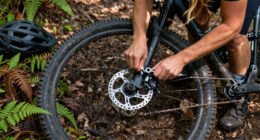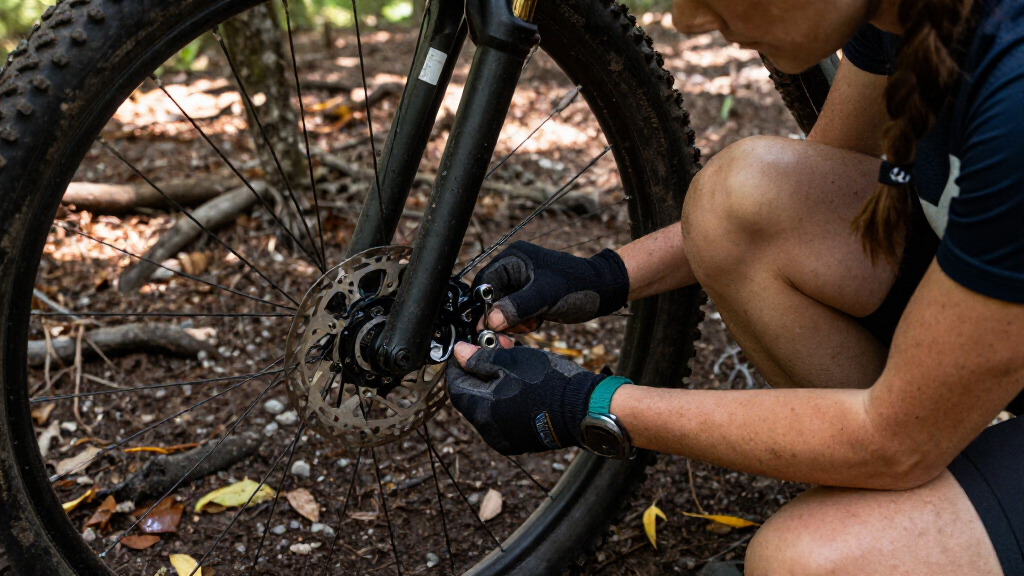

For riders who want a capable all-around upgrade, I’d start with the SRAM HS2 180 mm 6-bolt rotor, while the Shimano SM-RT66 is a practical match for riders who need a familiar 6-bolt option. The Magura MDR-P 203 mm stands out for riders whose compatible setup calls for a larger, heavy-duty rotor, and the two-pack options suit buyers replacing both ends on a tighter budget. The main tradeoffs are mounting compatibility, rotor diameter, heat management, and build quality; a feature-rich rotor cannot make up for a mount or size mismatch. I compare all 15 picks by their intended use, fit, and likely ownership tradeoffs. Read on for the full breakdown and advice on choosing a rotor that works with your bike and brakes.

Get sports gear delivered free — and shop member deals
- Fast, free delivery on millions of items
- Access to Prime Big Deal Days deals on October 6–7
- Prime Video, Amazon Music and more included
Complete the kit


Key Takeaways
The HS2 is my all-around starting point among these picks because its 180 mm, 6-bolt format targets riders seeking a substantial rotor upgrade, provided their frame and fork allow that size.
Mount type narrows the field quickly: several picks use 6-bolt mounting, while the Shimano and SRAM Centerlock models require a compatible hub and lock ring.
Two-pack rotors favor replacement value, but a bundle is useful only when both rotors match the bike’s required diameter, mount, and brake system.
Large rotors serve a specific setup need. The 203 mm Magura MDR-P is for compatible bikes and brakes that support that diameter, not a universal upgrade for every rider.
Premium names and features do not remove fit checks: measure the existing rotor, confirm the hub interface, and follow the brake maker’s pad and rotor guidance before buying.
| SRAM HS2 Disc Brake Rotor, 180 mm, 6-Bolt |  | Best for Heat Management | Brand: SRAM | Model: HS2 | Rotor diameter: 180 mm | VIEW LATEST PRICE | See Our Full Breakdown |
| BUCKLOS Floating Disc Brake Rotor for Bikes |  | Best for Size and Color Choice | Brand: BUCKLOS | Material: Stainless steel and 7075-T6 aluminum alloy | Thickness: 2.0 mm | VIEW LATEST PRICE | See Our Full Breakdown |
| 160 mm Stainless Steel Bike Disc Brake Rotors, 2-Pack |  | Best Value Pair | Quantity: 2 rotors | Rotor diameter: 160 mm | Inner diameter: 44 mm | VIEW LATEST PRICE | See Our Full Breakdown |
| DYISLAND Centerlock Bicycle Disc Brake Rotors, 160 mm, 2-Pack |  | Best Centerlock Pair for Mixed Bike Types | Brand: DYISLAND | Quantity: 2 rotors | Included components: 2 lock rings | VIEW LATEST PRICE | See Our Full Breakdown |
| Teyssor 160 mm Bicycle Disc Brake Rotor with 6 Bolts |  | Best Simple 6-Bolt Replacement | Brand: Teyssor | Rotor diameter: 160 mm | Center distance: 44 mm | VIEW LATEST PRICE | See Our Full Breakdown |
| Shimano SM-RT66 SLX 6-Bolt Disc Brake Rotor, 180 mm |  | Best Straightforward 180 mm Upgrade | Brand: Shimano | Model: SM-RT66 | Manufacturer part number: SMRT66M | VIEW LATEST PRICE | See Our Full Breakdown |
| Shimano SM-RT86 Ice Tech Disc Brake Rotor, 160 mm, 6-Bolt |  | Best for Heat Management | Brand: Shimano | Model: SM-RT86 | Diameter: 160 mm | VIEW LATEST PRICE | See Our Full Breakdown |
| SRAM Centerline X Rounded Two-Piece Disc Brake Rotor |  | Best Lightweight Two-Piece Pick | Brand: SRAM | Rotor sizes: 140 mm, 160 mm, 180 mm | Hub interface: 6-bolt | VIEW LATEST PRICE | See Our Full Breakdown |
| Magura MDR-P 203 mm Disc Brake Rotor |  | Best for E-Bikes and Heavy Loads | Brand: Magura | Model: MDR-P | Diameter: 203 mm | VIEW LATEST PRICE | See Our Full Breakdown |
| IIIPRO AR14 6-Bolt Bike Disc Brake Rotor, Stainless Steel, 180 mm |  | Best Vented Stainless Steel Option | Brand: IIIPRO | Model: AR14 | Rotor diameter: 180 mm | VIEW LATEST PRICE | See Our Full Breakdown |
| Shimano RT-CL900 Bicycle Disc Brake Rotor, 160 mm |  | Best for Quiet, Heat-Managed Descents | Brand and model: Shimano RT-CL900 | Diameter: 160 mm | Mount type: Center Lock | VIEW LATEST PRICE | See Our Full Breakdown |
| SRAM CenterLine XR Centerlock Disc Brake Rotor, 160 mm, Silver |  | Best for Lightweight Road Builds | Brand: SRAM | Rotor size: 160 mm | Mounting interface: Center Lock | VIEW LATEST PRICE | See Our Full Breakdown |
| Meteorolite 6-Bolt Disc Brake Rotor, 160 mm or 180 mm |  | Best for Simple 6-Bolt Replacements | Material: Stainless steel | Model: RT26 / RT56 | Mounting: 6-bolt | VIEW LATEST PRICE | See Our Full Breakdown |
| SRAM Paceline Disc Brake Rotor, 160 mm, Center Lock |  | Best for a Ready-to-Install Center Lock Fit | Brand: SRAM | Diameter: 160 mm | Mount type: Center Lock | VIEW LATEST PRICE | See Our Full Breakdown |
| Shimano RT-CL800 Disc Brake Rotor with Internal Serration Lock Ring, 160 mm |  | Best for Shimano GRX Gravel Setups | Material: Steel and aluminum | Attachment type: Flat Center Lock | Compatibility: Shimano GRX, 11-speed | VIEW LATEST PRICE | See Our Full Breakdown |
| bike disc brake rotor | Brand | Weight | Material |
|---|---|---|---|
| SRAM HS2 Disc Brake Rotor | SRAM | — | — |
| BUCKLOS Floating Disc Brake Ro | BUCKLOS | 0.2 lb | Stainless steel and 7075-T6 aluminum alloy |
| 160 mm Stainless Steel Bike Di | — | 110 g each | Stainless steel |
| DYISLAND Centerlock Bicycle Di | DYISLAND | — | — |
| Teyssor 160 mm Bicycle Disc Br | Teyssor | 122 g | — |
| Shimano SM-RT66 SLX 6-Bolt Dis | Shimano | — | Aluminum |
| Shimano SM-RT86 Ice Tech Disc | Shimano | 7.2 ounces | — |
| SRAM Centerline X Rounded Two- | SRAM | — | — |
| Magura MDR-P 203 mm Disc Brake | Magura | 216 g (10.08 oz) | Alloy steel |
| IIIPRO AR14 6-Bolt Bike Disc B | IIIPRO | 5.92 ounces | Stainless steel |
| Shimano RT-CL900 Bicycle Disc | — | 7.2 ounces | Multi |
| SRAM CenterLine XR Centerlock | SRAM | — | — |
| Meteorolite 6-Bolt Disc Brake | — | 146 g at 160 mm; 167 g at 180 mm | Stainless steel |
| SRAM Paceline Disc Brake Rotor | SRAM | 6.88 ounces | — |
| Shimano RT-CL800 Disc Brake Ro | — | — | Steel and aluminum |
More Details on Our Top Picks
SRAM HS2 Disc Brake Rotor, 180 mm, 6-Bolt
The 2 mm thickness and heat-dissipating coating make the SRAM HS2 a focused choice for mountain bikers who want support for more consistent braking on demanding rides. Its patterned brake track is designed to improve pad traction, while recessed spokes aim to cut noise. Compared with the 160 mm Stainless Steel Bike Disc Brake Rotors 2-Pack, the HS2 gives you a larger single rotor and a more purpose-built heat-management design, but you get only one rotor rather than a pair. It also costs you flexibility if you need a general-purpose replacement: this model is specifically described for mountain biking, and the listing has conflicting references to 160 mm rotors. Check the stated diameter and your brake and frame compatibility before choosing it.
Pros:- 2 mm thickness is designed to improve heat management
- Brake track pattern is intended to support pad traction
- Recessed spokes and heat-dissipating coating are designed to reduce noise
- Compatible with all pad compounds
Cons:- Includes one rotor, so a second must be sourced separately
- Product information also references 160 mm, making size verification necessary
- Mountain-bike-specific intended use limits its appeal as a general replacement
Best for: Mountain bikers replacing a compatible 180 mm 6-bolt rotor who prioritize heat management and pad compatibility.
Not ideal for: Riders who need a matched pair, a 160 mm rotor, or a rotor for a bike outside the listed mountain-bike use.
- Brand:SRAM
- Model:HS2
- Rotor diameter:180 mm
- Mounting:6-bolt
- Thickness:2 mm
- Intended use:Mountain biking
- Pad compatibility:All pad compounds
- Items included:1 rotor
Our verdict“Choose the HS2 if your mountain bike takes a 180 mm 6-bolt rotor and heat management matters more than getting a pair in one package.”
BUCKLOS Floating Disc Brake Rotor for Bikes
The BUCKLOS stands out for offering 160 mm, 180 mm, and 203 mm sizes in a floating design, with black or red color options. Its stainless-steel braking surface and 7075-T6 aluminum alloy construction are intended to balance wear resistance with heat dissipation. That range makes it more adaptable than the SRAM HS2, which is listed here as a single 180 mm mountain-bike rotor, while the HS2 provides clearer information about pad compatibility. BUCKLOS includes six bolts, but only one rotor is supplied, so a rider servicing both wheels needs another. Compatibility details are also limited; buyers should confirm hub mounting, rotor clearance, and brake-system fit before relying on the size choices alone.
Pros:- Available in 160 mm, 180 mm, and 203 mm diameters
- Floating design is intended to reduce heat-related deformation
- Stainless steel and 7075-T6 aluminum alloy construction
- Six mounting bolts are included
Cons:- Only one rotor is included
- Compatibility details are limited
- The listing does not specify pad-compound compatibility
Best for: Bicycle owners who have confirmed their rotor fit and want a floating rotor in one of three listed diameters or two colors.
Not ideal for: Riders who need a pair or clear compatibility and pad specifications before buying.
- Brand:BUCKLOS
- Material:Stainless steel and 7075-T6 aluminum alloy
- Thickness:2.0 mm
- Available sizes:160 mm, 180 mm, 203 mm
- Available colors:Black, red
- Included accessories:6 bolts
- Weight:0.2 lb
- Quantity:1 rotor
Our verdict“Pick BUCKLOS when its size and color options fit your bike and you are comfortable checking the mounting and brake compatibility yourself.”
160 mm Stainless Steel Bike Disc Brake Rotors, 2-Pack
This set is the practical pick for replacing both rotors at once: it includes two 160 mm stainless-steel rotors and six fixing bolts. The hollow, ventilated design is intended to shed heat, and the listed 110 g weight per rotor may appeal to riders keeping an eye on rotating weight. Compared with the single-rotor BUCKLOS Floating Disc Brake Rotor, this package covers two wheels, though BUCKLOS offers more diameter choices and a floating construction. The 160 mm size and listed 44 mm inner diameter still need to match the bike and hub, and the hardware count is six bolts for two rotors. Its stated compatibility covers road, mountain, MTB, and BMX bikes, but buyers should verify their particular brake setup.
Pros:- Includes two rotors for front and rear replacement
- Six fixing bolts are included
- Ventilation holes are designed to aid heat dissipation
- Stainless-steel construction with a listed weight of 110 g per rotor
Cons:- Only available in the listed 160 mm size
- Six bolts may not cover every mounting setup for two rotors
- The 44 mm inner diameter and mounting fit should be checked against the bike
Best for: Road, mountain, or BMX riders replacing two compatible 160 mm rotors and seeking included fixing hardware.
Not ideal for: Riders whose bike needs another rotor diameter, a different mounting interface, or more than the six included bolts.
- Quantity:2 rotors
- Rotor diameter:160 mm
- Inner diameter:44 mm
- Thickness:2 mm
- Weight:110 g each
- Material:Stainless steel
- Included hardware:6 fixing bolts
- Compatible bikes:Road bike, mountain bike, MTB, BMX
Our verdict“Choose this pair if both wheels use compatible 160 mm rotors and replacing them together is your priority.”
DYISLAND Centerlock Bicycle Disc Brake Rotors, 160 mm, 2-Pack
For riders whose hubs use Centerlock, DYISLAND supplies two 160 mm rotors and two lock rings in one package. The 1.8 mm stainless-steel-and-aluminum construction and ventilated circular holes are described as supporting heat dissipation and mud drainage. Its stated bike range is broader than the 160 mm Stainless Steel Bike Disc Brake Rotors 2-Pack, extending to electric, fat, and folding bikes, though the fit still depends on the actual hub and brake system. The thinner 1.8 mm specification differs from that set’s 2 mm thickness, so check the brake maker’s limits and replacement requirements. The listing’s title mentions 180 mm options, but the supplied details identify this package as 160 mm, and its one-month warranty is brief.
Pros:- Includes two rotors and two lock rings
- Centerlock mounting is described as easy to install
- Ventilated holes are intended to help with heat dissipation and mud drainage
- Listed for several bike types, including electric, fat, and folding bikes
Cons:- The supplied listing details specify 160 mm despite references to a 180 mm option
- One-month manufacturer warranty
- 1.8 mm thickness may not suit every brake system
Best for: Owners of Centerlock-equipped road, mountain, BMX, electric, fat, or folding bikes who need two 160 mm rotors and lock rings.
Not ideal for: Riders with 6-bolt hubs, those needing 180 mm rotors, or buyers seeking a longer stated warranty.
- Brand:DYISLAND
- Quantity:2 rotors
- Included components:2 lock rings
- Mounting type:Centerlock
- Diameter:160 mm
- Thickness:1.8 mm
- Materials:Aluminum, stainless steel
- Manufacturer warranty:1 month
Our verdict“This set suits Centerlock bike owners who need two 160 mm rotors and have confirmed the thinner rotor matches their brake specifications.”
Teyssor 160 mm Bicycle Disc Brake Rotor with 6 Bolts
The Teyssor is a straightforward single-rotor replacement for a compatible bike: the package lists a 160 mm rotor and six screws, with a stated weight of 122 g. Its listed compatibility spans road, mountain, BMX, and MTB bikes, which gives it broader stated use than the SRAM HS2, a mountain-bike-focused 180 mm model. The tradeoff is a thinner 1.9 mm disc and less detail about heat-management features or pad compatibility than the HS2 provides. Although the title refers to several sizes, the package details identify the included rotor as 160 mm; buyers should treat that as the size to verify before ordering. This is a basic replacement choice, not the pair-focused option offered by the 160 mm Stainless Steel Bike Disc Brake Rotors 2-Pack.
Pros:- Six screws are included
- Listed for road, mountain, BMX, and MTB use
- Single-rotor replacement suits a one-wheel repair
- Listed weight is 122 g
Cons:- Includes only one rotor
- Package details specify 160 mm despite title references to multiple sizes
- At 1.9 mm thick, it is thinner than the 2 mm options in this lineup
Best for: Road, mountain, or BMX riders who need one compatible 160 mm rotor and six mounting screws.
Not ideal for: Riders replacing both wheels, needing a different rotor diameter or mounting system, or prioritizing specified heat-management features.
- Brand:Teyssor
- Rotor diameter:160 mm
- Center distance:44 mm
- Thickness:1.9 mm
- Weight:122 g
- Included:1 rotor and 6 screws
- Compatible bike types:Road bike, mountain bike, BMX, MTB
Our verdict“Choose the Teyssor for a single-wheel replacement when your bike uses a compatible 160 mm 6-bolt rotor.”
Shimano SM-RT66 SLX 6-Bolt Disc Brake Rotor, 180 mm
The Shimano SM-RT66 is a practical choice for riders who need a 180 mm rotor with familiar six-bolt mounting and supplied rotor bolts. Its appeal is simplicity: it gives compatible setups a larger braking surface without adding a specialized heat-management design. Compared with the Shimano SM-RT86 Ice Tech, it is the more basic option; the RT86 is aimed at riders managing heat on long descents, while the RT66 suits everyday trail or general riding where that feature is less central. The tradeoff is that the product data lists an aluminum material but does not describe an advanced cooling construction, so I would not choose it specifically for repeated, demanding descents. Check hub fit and rotor-size compatibility before buying.
Pros:- 180 mm diameter for compatible braking setups
- Six-bolt mounting interface
- Rotor bolts are included
- Bicycle-hub application is specified
Cons:- No specialized heat-management construction is described
- Limited product data on material construction and riding conditions
- Requires a compatible six-bolt hub and rotor setup
Best for: Riders with a compatible six-bolt hub who want a 180 mm Shimano rotor and included mounting bolts for general trail or everyday riding.
Not ideal for: Riders prioritizing documented heat management for long, steep descents, or anyone whose hub requires a Center Lock rotor.
- Brand:Shimano
- Model:SM-RT66
- Manufacturer part number:SMRT66M
- Diameter:180 mm
- Mounting:IS six-bolt
- Material:Aluminum
- Exterior finish:Stainless steel
- Included components:Rotor bolts
- Item weight:8 ounces
Our verdict“Choose the SM-RT66 for a straightforward 180 mm Shimano replacement with bolts included, but look to the SM-RT86 if heat management on long descents is your priority.”
Shimano SM-RT86 Ice Tech Disc Brake Rotor, 160 mm, 6-Bolt
The Shimano SM-RT86 Ice Tech is the heat-management pick for riders using a 160 mm rotor on routes with sustained descents. Its aluminum core is designed to move heat away from the caliper, which can help limit fade and support more consistent braking when the system gets hot. That gives it a clearer purpose than the basic Shimano SM-RT66, which offers a larger 180 mm format but no comparable cooling construction in the supplied details. The tradeoff is that the RT86 remains a 160 mm rotor, so it is not a direct choice for a bike set up for 180 mm rotors. Its benefits matter most when heat is a real concern; casual riders may prefer a simpler compatible rotor.
Pros:- Aluminum core is designed to transfer heat away from the caliper
- Cooling construction targets heat-related brake fade
- Designed to support consistent braking on long descents
- May help extend brake pad life
Cons:- 160 mm size may not suit bikes set up for a larger rotor
- Requires a compatible six-bolt hub
- Its heat-management features may be unnecessary for casual, short rides
Best for: Trail and all-mountain riders with a compatible six-bolt 160 mm setup who regularly ride long descents and want added heat control.
Not ideal for: Riders who need a 180 mm rotor, have a Center Lock hub, or mostly ride short routes where heat buildup is unlikely to drive rotor choice.
- Brand:Shimano
- Model:SM-RT86
- Diameter:160 mm
- Mounting:6-bolt
- Material construction:Aluminum core
- Compatible vehicle type:Bicycle
- Weight:7.2 ounces
- Intended feature:Heat transfer away from the brake caliper
Our verdict“Pick the RT86 for a compatible 160 mm bike that sees sustained descents; choose the SM-RT66 when you need a simpler 180 mm rotor instead.”
SRAM Centerline X Rounded Two-Piece Disc Brake Rotor
The SRAM Centerline X pairs a steel braking surface with an aluminum hub body, aiming to reduce rotating mass while retaining a durable braking track. Its rounded edges also make wheel installation easier and meet the stated UCI compliance, a useful detail for riders who remove wheels often or race under those rules. Compared with the heavier-duty Magura MDR-P, the Centerline X is the lighter-feeling choice on paper, while the Magura is designed around heavy loads and heat resistance. That focus brings tradeoffs: the Centerline X is limited to 140, 160, and 180 mm sizes, and its six-bolt pattern rules out Center Lock hubs. Titanium bolts are included in the feature description, but their premium hardware may be unnecessary for riders seeking a basic replacement.
Pros:- Two-piece aluminum hub body and steel braking surface
- Rounded edges simplify wheel installation
- Stated UCI compliance for road and mountain bike use
- Titanium mounting bolts
Cons:- Only listed in 140 mm, 160 mm, and 180 mm sizes
- Six-bolt interface is incompatible with Center Lock hubs
- Lightweight construction is less specifically targeted at heavy-load use than the Magura MDR-P
Best for: Road or mountain riders with a six-bolt hub who value lower rotor weight, rounded edges, and UCI-compliant design.
Not ideal for: E-bike or downhill riders prioritizing a rotor explicitly designed for heavy loads, or buyers needing sizes beyond 140, 160, and 180 mm.
- Brand:SRAM
- Rotor sizes:140 mm, 160 mm, 180 mm
- Hub interface:6-bolt
- Rotor type:Centerline two-piece
- Braking surface:Steel
- Hub body:Aluminum
- Bolt material:Titanium
- Item weight:4 ounces
- Model number:2031040805
Our verdict“Choose the Centerline X for a lightweight, rounded-edge six-bolt rotor, while heavy-load riders should compare it with the Magura MDR-P.”
Magura MDR-P 203 mm Disc Brake Rotor
The Magura MDR-P is the lineup’s heavy-load specialist: its 203 mm alloy-steel rotor and interlocking inner and outer rings are designed for stability and heat resistance on e-bikes and downhill bikes. Its larger diameter sets it apart from the 160 mm Shimano SM-RT86, which focuses on heat transfer through an aluminum core rather than a large rotor format for demanding use. The MDR-P includes six steel mounting screws, so the listed package covers the rotor hardware. Compatibility is narrower, though: it uses a six-hole mount, is specified for the complete Magura MT family, and cannot be used with a Center Lock adapter. Magura also recommends original pads and accessories, which may limit flexibility when replacing parts.
Pros:- 203 mm diameter for compatible setups
- Interlocking rings are designed to support braking stability
- Construction is aimed at heat resistance and heavy-load riding
- Six steel mounting screws are included
Cons:- Cannot be used with a Center Lock adapter
- Compatibility is specified for the complete Magura MT family
- Manufacturer recommends original Magura pads and accessories
Best for: E-bike, downhill, and heavy-load riders with a compatible six-hole setup and Magura MT brakes who need a 203 mm rotor.
Not ideal for: Riders with Center Lock hubs, non-Magura brake systems outside the stated compatibility, or bikes limited to smaller rotor sizes.
- Brand:Magura
- Model:MDR-P
- Diameter:203 mm
- Weight:216 g (10.08 oz)
- Mounting pattern:6-hole
- Compatible brakes:Complete MT family
- Material:Alloy steel
- Finish:Silver
- Included components:Rotor and 6 steel mounting screws
Our verdict“The MDR-P suits compatible Magura e-bike and downhill builds that need a 203 mm heavy-load rotor, but its fit and parts guidance narrow its audience.”
IIIPRO AR14 6-Bolt Bike Disc Brake Rotor, Stainless Steel, 180 mm
The IIIPRO AR14 is a straightforward 180 mm stainless steel rotor with a vented cutout design and six mounting bolts in the box. Those cutouts are intended to help dissipate heat, giving it a basic cooling angle compared with the standard Shimano SM-RT66; the Shimano includes bolts too, but the supplied details do not describe a vented design. The AR14 is also listed for MTB, road, gravel, and e-bike setups, though that broad use still depends on hub, caliper, and frame clearance. Its one-year warranty is a useful ownership detail, but the product data does not establish compatibility with every brake system. I would verify rotor diameter requirements and clearance before choosing it, especially when changing from the current rotor size.
Pros:- Stainless steel braking surface
- Vented cutouts are intended to aid heat dissipation
- Six mounting bolts are included
- One-year warranty is listed
Cons:- Requires a compatible six-bolt hub
- Rotor clearance and brake adapter requirements must be checked
- Product details provide limited brake-system-specific fit information
Best for: Riders with a compatible 180 mm six-bolt setup who want a stainless steel rotor, included bolts, and a vented design for mixed riding.
Not ideal for: Buyers who cannot verify six-bolt hub fit, frame and caliper clearance, or adapter needs before installation.
- Brand:IIIPRO
- Model:AR14
- Rotor diameter:180 mm
- Material:Stainless steel
- Mount type:6-bolt
- Weight:5.92 ounces
- Included components:1 rotor and 6 mounting bolts
- Warranty:1 year
Our verdict“Choose the AR14 if your bike is confirmed to fit a 180 mm six-bolt rotor and you want stainless steel with mounting bolts included.”
Shimano RT-CL900 Bicycle Disc Brake Rotor, 160 mm
The RT-CL900 is the clearest fit here for riders who want a quieter ride on long descents. Shimano’s revised arm shape and heat-dissipating paint are intended to manage heat and reduce noise, which may help keep braking more consistent when the rotor works hard. Compared with the RT-CL800, it is listed for a broader range of bike types rather than a specific GRX 11-speed setup. Both use Center Lock, and the RT-CL800 explicitly includes Ice Technologies Freeza construction, so I would compare compatibility and the stated heat-management design before choosing between them. The tradeoff is mounting specificity: this rotor requires a Center Lock hub, and the product details do not describe pad or caliper compatibility. It suits a compatible build where noise control on descents is the priority.
Pros:- Designed to reduce braking noise
- Heat-dissipating paint is intended to support consistent braking on descents
- External serration lock ring is included
- Available in 140 mm, 160 mm, 180 mm, and 203 mm diameters
Cons:- Fits Center Lock hubs only
- Product details do not specify caliper or pad compatibility
Best for: Road, gravel, or mountain-bike riders with a Center Lock hub who prioritize quieter braking on sustained descents
Not ideal for: Riders with 6-bolt hubs or anyone who needs confirmed caliper and pad compatibility from the listing
- Brand and model:Shimano RT-CL900
- Diameter:160 mm
- Mount type:Center Lock
- Lock ring:External serration, included
- Weight:7.2 ounces
- Material:Multi
- Finish:Silver
- Available diameters:140 mm, 160 mm, 180 mm, 203 mm
- Warranty:2 years against defects
Our verdict“Choose the RT-CL900 if your Center Lock build needs a 160 mm rotor designed for quieter braking and heat management on long descents.”
SRAM CenterLine XR Centerlock Disc Brake Rotor, 160 mm, Silver
For a road build where rotational weight is a stated priority, the CenterLine XR’s two-piece construction gives it a distinct role in this group. SRAM describes it as road-specific, with a CenterLine braking track intended for smooth, quiet operation and compatibility with eTap AXS road systems. That makes it a more targeted choice than the Shimano RT-CL900, whose listing emphasizes heat management and multiple bike categories. The XR’s Center Lock interface narrows fit to compatible hubs, and the available details do not state its weight, rotor thickness, lock ring inclusion, or performance under extended descents. Compared with the SRAM Paceline, the XR has a clearer performance focus in its description, while the Paceline listing confirms an internal tooled lockring. I would favor the XR for a compatible road setup when its two-piece design matters most.
Pros:- Two-piece construction is designed to reduce rotational weight
- CenterLine track is designed for smooth, quiet braking
- Compatible with Center Lock hubs
- Listed as compatible with eTap AXS road systems
Cons:- Center Lock mounting limits use to compatible hubs
- Listing does not provide rotor weight or thickness
- Lock ring inclusion is not stated
Best for: Road cyclists building a compatible Center Lock and eTap AXS setup who prioritize a two-piece rotor design
Not ideal for: Riders using 6-bolt hubs or buyers who need listed rotor weight, thickness, or included lockring details
- Brand:SRAM
- Rotor size:160 mm
- Mounting interface:Center Lock
- Design:Two-piece
- Color:Silver
- Compatibility:eTap AXS road systems
Our verdict“Pick the CenterLine XR for a compatible road build when its two-piece construction and stated eTap AXS compatibility outweigh the missing fit and weight details.”
Meteorolite 6-Bolt Disc Brake Rotor, 160 mm or 180 mm
The Meteorolite stands out for riders who need a straightforward 6-bolt rotor and want a choice between 160 mm and 180 mm. Its stainless steel construction, reinforced edge, and dirt-removal and drainage design give it practical all-weather and trail-use aims, though the listing does not provide performance claims comparable to Shimano’s heat-management focus on the RT-CL900. The stated 1.8 mm thickness and weights—146 g at 160 mm and 167 g at 180 mm—give buyers useful sizing information. Compared with the Center Lock SRAM Paceline, this rotor uses a different hub interface, so the hub standard is the first compatibility check. The single-rotor package also means it is not a pair replacement; confirm the rotor size and brake-system compatibility before ordering.
Pros:- Available in 160 mm and 180 mm sizes
- Stainless steel construction is corrosion resistant
- Reinforced edge is designed for added durability
- Dirt-removal and drainage design is suited to wet or dirty riding
Cons:- Only one rotor is included
- Listing does not state compatibility with specific calipers or pads
- No stated heat-management or noise-reduction performance
Best for: Mountain and utility-bike owners with 6-bolt hubs who need one stainless steel rotor in 160 mm or 180 mm
Not ideal for: Riders with Center Lock hubs or those replacing both wheel rotors from one purchase
- Material:Stainless steel
- Model:RT26 / RT56
- Mounting:6-bolt
- Available sizes:160 mm, 180 mm
- Thickness:1.8 mm
- Center distance:44 mm
- Weight:146 g at 160 mm; 167 g at 180 mm
- Color:Silver
Our verdict“Choose the Meteorolite for a single 6-bolt replacement when you want a choice of two common rotor diameters and stainless steel construction.”
SRAM Paceline Disc Brake Rotor, 160 mm, Center Lock
The Paceline’s strongest case is practical: it comes as a 160 mm Center Lock rotor with an internal tooled lockring, so the listing spells out key installation details more clearly than the CenterLine XR listing. Its 1.85 mm thickness and 6.88 ounce weight are also specified, giving buyers more concrete fit information than the XR’s description provides. The tradeoff is that SRAM offers little detail here about braking feel, heat handling, or intended riding conditions. Compared with the Shimano RT-CL900, the Paceline has a documented lockring type and weight, while Shimano makes a clearer case around reducing noise on descents. I would choose the Paceline when those supplied specifications match the bike and a simple component match matters more than a stated performance feature.
Pros:- Internal tooled lockring is included
- 160 mm diameter is clearly stated
- Rotor thickness and weight are listed
- Designed for bicycle use
Cons:- Center Lock mount excludes 6-bolt hubs
- Product details provide few performance claims
- Material is listed only as multi
Best for: Riders replacing a 160 mm rotor on a Center Lock hub who need an internal tooled lockring included
Not ideal for: Buyers seeking stated heat-management or noise-reduction features, or owners of 6-bolt hubs
- Brand:SRAM
- Diameter:160 mm
- Mount type:Center Lock
- Thickness:1.85 mm
- Included component:Internal tooled lockring
- Weight:6.88 ounces
- Model number:00.5018.248.001
- Finish:Natural
Our verdict“Choose the Paceline when you need a specified 160 mm Center Lock rotor with an internal tooled lockring and value clear installation details.”
Shimano RT-CL800 Disc Brake Rotor with Internal Serration Lock Ring, 160 mm
The RT-CL800 is the most specifically positioned option here for Shimano GRX 11-speed gravel builds. Its Ice Technologies Freeza construction is designed to dissipate heat, supporting quieter, more consistent braking when a ride includes sustained braking or wet conditions. That gives it a more explicit heat-management story than the SRAM Paceline, whose listing focuses on dimensions and an included lockring. Compared with the RT-CL900, the CL800 has narrower stated compatibility but specifies its steel and aluminum construction and GRX fit. It uses Flat Center Lock mounting and includes one rotor and one lock ring, so buyers should check the hub and brake-system fit rather than assuming broad compatibility. This specialization is useful for a matching GRX setup, but less reassuring for builds outside the listed compatibility.
Pros:- Ice Technologies Freeza construction is designed to dissipate heat
- Designed for quiet, consistent braking, including in wet conditions
- Includes a rotor and lock ring for Center Lock installation
- Steel and aluminum construction is specified
Cons:- Compatibility is listed for Shimano GRX 11-speed setups
- Center Lock mount is not compatible with 6-bolt hubs
- Available diameters are limited to 140 mm and 160 mm
Best for: Gravel riders with a Shimano GRX 11-speed setup and a compatible Flat Center Lock hub seeking heat-dissipating construction
Not ideal for: Riders with 6-bolt hubs or bike builds outside the stated GRX 11-speed compatibility who cannot confirm fit
- Material:Steel and aluminum
- Attachment type:Flat Center Lock
- Compatibility:Shimano GRX, 11-speed
- Diameter:140 mm or 160 mm
- Included components:1 rotor and 1 lock ring
- Item weight:7.2 ounces
- Manufacturer part number:IRTCL800SI
Our verdict“Choose the RT-CL800 for a compatible GRX gravel bike when its stated heat-dissipating construction and included lockring suit your setup.”
How We Picked
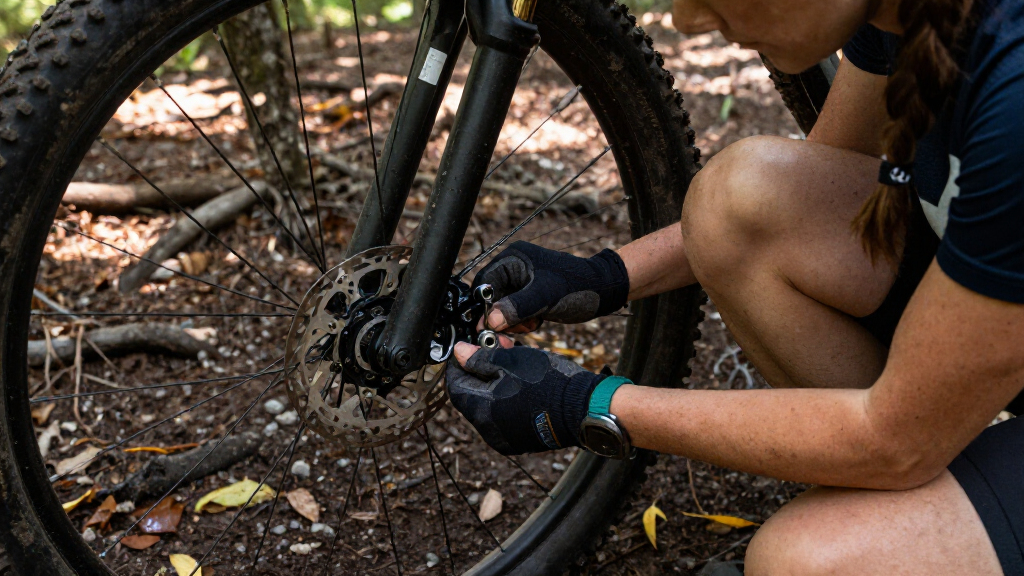
I ranked these rotors by the buyer decisions that matter most: whether the mount and diameter suit a real bike setup, how clearly the design serves a riding need, and whether the build and features justify choosing that model over a simpler alternative. I gave the strongest positions to options with a clear role and a recognizable compatibility format, while accounting for the added checks that come with larger diameters, two-piece construction, or less familiar replacement options.
The order reflects use case rather than a claim that one rotor works for every bike. The HS2 leads as a balanced 180 mm 6-bolt pick; Shimano’s established 6-bolt and Centerlock options give riders recognizable alternatives; and Magura’s 203 mm rotor ranks for a narrower heavy-duty setup. The budget two-packs can make sense for routine replacement, but their lower position reflects the need to verify fit and the limits of evaluating them by bundle contents alone. I do not treat a product name or a feature label as proof of better braking for every rider.
| bike disc brake rotor | Material |
|---|---|
| SRAM HS2 Disc Brake Rotor | — |
| BUCKLOS Floating Disc Brake Ro | Stainless steel and 7075-T6 aluminum alloy |
| 160 mm Stainless Steel Bike Di | Stainless steel |
| DYISLAND Centerlock Bicycle Di | — |
| Teyssor 160 mm Bicycle Disc Br | — |
| Shimano SM-RT66 SLX 6-Bolt Dis | Aluminum |
| Shimano SM-RT86 Ice Tech Disc | — |
| SRAM Centerline X Rounded Two- | — |
| Magura MDR-P 203 mm Disc Brake | Alloy steel |
| IIIPRO AR14 6-Bolt Bike Disc B | Stainless steel |
| Shimano RT-CL900 Bicycle Disc | Multi |
| SRAM CenterLine XR Centerlock | — |
| Meteorolite 6-Bolt Disc Brake | Stainless steel |
| SRAM Paceline Disc Brake Rotor | — |
| Shimano RT-CL800 Disc Brake Ro | Steel and aluminum |
Factors to Consider When Choosing Best Bike Disc Brake Rotors
Before choosing among these models, I’d work through fit first, then decide which design features matter for my riding. A rotor is part of a brake system: the hub, caliper, pads, frame, and fork all shape which replacements are suitable. These checks can prevent a purchase that looks right on a product page but does not fit or serve the intended use.
Match the Mount to Your Hub
Start by identifying whether the wheel uses a 6-bolt interface or Centerlock, since these are different attachment systems. Count the rotor bolts or check the hub documentation rather than relying on the bike’s model name alone. Centerlock rotors may use different lock-ring styles, and the tool access or lock-ring type can matter with some axle setups. A rotor with the right diameter but the wrong mount will not install on the hub. If you are replacing a rotor, matching its interface is usually the simplest path. For a wheel or hub change, check compatibility before choosing a new rotor.
Choose Diameter Within Your Bike’s Limits
Rotor diameter affects braking leverage and heat capacity, but your frame, fork, and brake system set the permitted sizes. A larger rotor can suit heavier loads or sustained descents, yet may require a different caliper adapter and can exceed the bike maker’s limit. Do not assume that moving from 160 mm to 180 mm is a straightforward swap. Check the maximum rotor size for both the front and rear, because their limits may differ. Also confirm the caliper adapter is intended for the new diameter. If the bike’s documentation is unclear, use the current setup as your reference and ask the brake or bike maker before sizing up.
Keep Rotor and Brake Pads Compatible
Brake pads and rotors work as a pair, so check the brake maker’s guidance for the specific pad compound and rotor surface. Some systems call for particular pad materials, and mixing unsuitable parts can affect braking feel, noise, or wear. When replacing a rotor, inspect the pads too; contaminated or unevenly worn pads can undermine the new part. Follow the manufacturer’s bedding-in procedure after installation so the pad and rotor surfaces mate as intended. A rotor upgrade alone cannot fix a caliper, pad, or setup problem. If you are changing brands or rotor construction, verify the pairing before purchase.
Decide Whether Heat Management Is a Priority
Riders on long descents, carrying extra weight, or braking repeatedly may have more reason to focus on heat management than riders on short, flat routes. A rotor marketed with cooling features or a larger diameter may suit some demanding setups, but the benefit depends on the whole brake system and the bike’s compatibility limits. Pay attention to the manufacturer’s intended use, not just a feature name. For ordinary riding, choosing the correct size and keeping pads and rotors in good condition may matter more than paying for specialized construction. If overheating or fade is already a concern, check the brake maker’s recommendations for rotor size, pads, and setup as a group.
Compare Single Rotors and Two-Packs Carefully
A two-pack can simplify replacing both ends, but only if the bike uses the same diameter and mount at each wheel. Many bikes use different front and rear rotor sizes, so a matched pair may leave one rotor unsuitable. Check the listing for what the pack includes and whether it comes with bolts or a lock ring; do not assume accessories are included. Lower-cost replacement options can be reasonable for straightforward use, but verify the material, dimensions, and compatibility details against your existing parts. If you only need one rotor, a bundle may create an extra part you cannot use. Value comes from a correct fit and useful contents, not from quantity alone.
Pay for Features That Match Your Riding
Premium construction, floating designs, or specialized rotor profiles can make sense when they address a real need in your setup. They are less compelling if the bike sees light use and a simpler compatible rotor already meets the brake maker’s requirements. Consider your riding conditions, maintenance habits, and replacement availability before paying for added complexity. A familiar rotor can be easier to match with existing pads and service parts, while a specialized choice may call for closer attention to setup. Compare options within the same mount and diameter class so the tradeoff is meaningful. Choose the simplest rotor that meets your bike’s requirements and the demands of your rides.
Frequently Asked Questions
Can I replace a 160 mm rotor with a 180 mm rotor?
Only if your frame or fork, caliper adapter, and brake system allow a 180 mm rotor. Check the bike maker’s maximum rotor size at the wheel you plan to change, since front and rear limits can differ. You may need a different adapter, and the larger rotor can change braking leverage and heat behavior. Do not use a larger rotor just because it appears to fit the caliper. If the documentation does not list the permitted size, confirm it with the bike or brake maker before buying.
How do I know whether I need a 6-bolt or Centerlock rotor?
Look at the hub where the rotor attaches: a 6-bolt hub has six fasteners around the rotor, while a Centerlock hub uses a splined interface and lock ring. The rotor must match that hub interface. Some Centerlock lock rings also differ by tool type or axle clearance, so check what your hub requires. If the old rotor is still installed, its attachment is a useful clue, but verify the hub itself if parts have been changed. A mount converter should not be assumed compatible without checking the hub and manufacturer guidance.
Is a two-pack the right choice if my bike has different rotor sizes front and rear?
Not if the pack contains two rotors of one diameter and your bike needs different sizes at each end. Check the current front and rear rotor markings or your bike specifications before ordering. Some two-packs may suit bikes with matching sizes, while others may leave you with a rotor that cannot be used. Confirm that both rotors also share the correct mount for their respective hubs. A single matching replacement can be the more practical purchase when the bike uses a mixed-size setup.
Should I choose a larger rotor for steep descents?
A larger rotor may provide more braking leverage and help manage heat, which can be useful on sustained descents. It is only an option when the frame or fork, caliper adapter, and brake maker permit that diameter. Pad condition, brake setup, riding load, and technique also affect how the system performs. If you already experience fade, check the manufacturer’s complete recommendations rather than changing diameter alone. A size increase that exceeds the bike’s limits is not a suitable upgrade.
Do I need to replace the brake pads when I install a new rotor?
Not always, but inspect the pads before fitting the rotor. Worn, contaminated, or unevenly worn pads can compromise braking even with a new rotor, and the brake maker may specify compatible pad materials. If you change rotor type or brand, verify that your existing pads are approved for it. Follow the specified bedding-in steps after installation, especially when fitting new pads and a rotor together. When in doubt, replacing pads is a sensible way to start with a clean, compatible braking surface.
Conclusion
For the best overall starting point, I’d choose the SRAM HS2 180 mm 6-bolt when that size and mount suit the bike. The best value may be one of the 160 mm two-packs for a compatible bike that needs a matching pair, while the Shimano SM-RT66 is a straightforward choice for riders seeking a familiar 6-bolt option. For a premium or demanding compatible setup, compare the Magura MDR-P 203 mm with the higher-end Shimano and SRAM designs against the brake maker’s guidance. Beginners should prioritize matching the current rotor’s mount and diameter before weighing specialized features. For a Centerlock setup, shortlist the Shimano RT-CL900, RT-CL800, SRAM CenterLine XR, or Paceline only after confirming the required lock ring and size. The right pick is the one that fits the bike’s limits and addresses the way you ride.
NFL season / tailgating Picks
team gear
As an affiliate, we earn on qualifying purchases.