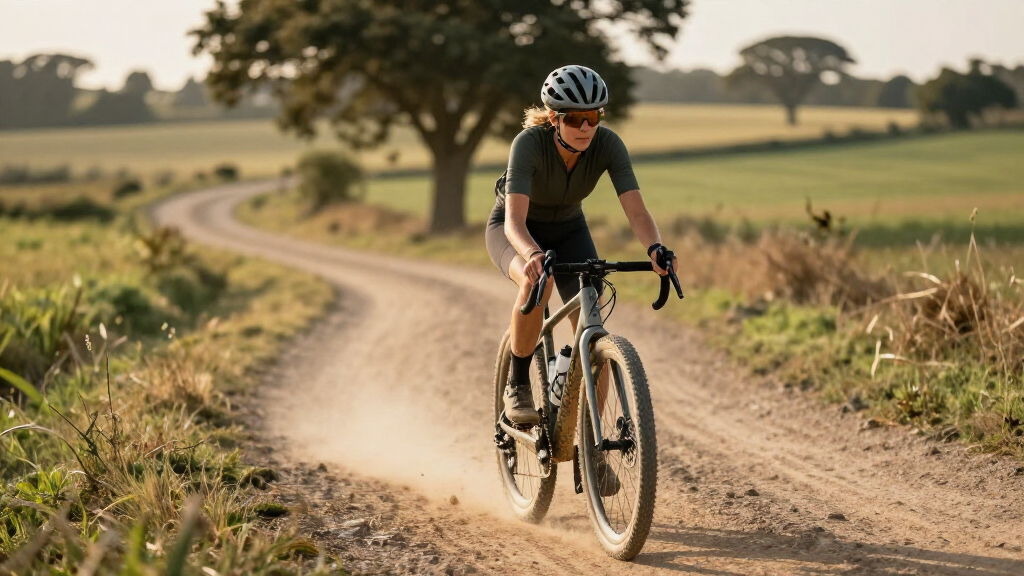

The best gravel bikes balance rough-road control, efficient riding, and a fit you can live with for long distances. My best overall pick is the SAVADECK Gelaro S8, whose GRX820 12-speed drivetrain gives it the strongest performance focus in this lineup; the Canyon Grail:ON CF 7 AXS stands apart for riders who want electric assistance, while the Tommaso Sterrata is a more approachable aluminum-and-carbon-fork option. The main tradeoffs are carbon versus aluminum, conventional pedaling versus e-assist, and simpler components versus a wider range of gears or hydraulic braking. The right choice depends on your terrain, riding distance, fit, and willingness to maintain more specialized equipment. Read on for the full comparison, buying advice, and picks by rider type.

Get sports gear delivered free with Prime
- Fast, free delivery on millions of items
- Prime Video, Amazon Music and more included
- Member-only deals all year
Complete the kit


Key Takeaways
- The Gelaro S8 ranks first for its performance-oriented GRX820 12-speed setup, while riders who do not need that level of componentry may prefer a simpler bike.
- The Canyon Grail:ON CF 7 AXS is the clear specialist: electric assistance changes the effort required on climbs and long rides, but adds a motor-and-battery system that conventional gravel bikes do not have.
- Several SAVADECK models use T800 carbon frames, so choosing among them comes down more to drivetrain and braking configuration than frame label alone.
- The Tommaso Sterrata stands apart from the carbon-heavy field with an aluminum frame and carbon fork, a useful contrast for beginners weighing ride feel, upkeep, and component priorities.
- The KABON 18-speed and SAVADECK GRX400 options show why gear count alone is a poor shortcut: buyers should compare the full gearing range and braking setup against their terrain.
| SAVADECK SCRB0035 Carbon Gravel Bike with Shimano U6000 22-Speed Drivetrain |  | Best for Broad-Gear-Range Carbon | Frame and fork: T800 R21 carbon fiber | Weight: 10.4 kg (22.92 lb) | Drivetrain: Shimano U6000, 22 speeds | VIEW LATEST PRICE | See Our Full Breakdown |
| Tommaso Sterrata Aluminum Gravel Bike with Carbon Fork |  | Best Aluminum-and-Carbon Mix | Frame: Aluminum | Fork: Carbon | Drivetrain: Shimano; gearing unspecified | VIEW LATEST PRICE | See Our Full Breakdown |
| SAVADECK Gelaro S8 Carbon Gravel Bike, Shimano GRX820 12-Speed |  | Best Premium Drivetrain | Frame and fork: T800 carbon fiber | Weight: 9.8 kg (21.6 lb) | Drivetrain: Shimano GRX820 shifters, RX822 rear derailleur, M6100 12-speed cassette | VIEW LATEST PRICE | See Our Full Breakdown |
| SAVADECK Carbon Gravel Bike with T800 Carbon Frame, Shimano 11-Speed Groupset, and Hydraulic Disc Brakes |  | Best for a Simpler Carbon Setup | Frame and fork: T800 carbon fiber | Weight: 10.4 kg (22.92 lb) | Drivetrain: Shimano U6000, 11-speed | VIEW LATEST PRICE | See Our Full Breakdown |
| KABON Carbon Gravel Road Bike, 700C, 18-Speed |  | Best Lightweight Mechanical-Brake Pick | Frame, fork, handlebar, and seatpost: T800 carbon fiber | Weight: 8.7 kg (19.2 lb) | Drivetrain: 18-speed, 2×9 Shimano Sora R3000 | VIEW LATEST PRICE | See Our Full Breakdown |
| Canyon Grail:ON CF 7 AXS Electric Gravel Bike |  | Best for Powered Gravel Distance | Frame: Carbon | Motor: Bosch Performance Line CX mid-drive | Motor torque: 85 Nm | VIEW LATEST PRICE | See Our Full Breakdown |
| SAVADECK T800 Carbon Gravel Bike with Shimano GRX610 12-Speed Drivetrain |  | Best for Lightweight 12-Speed Versatility | Frame and fork: T800 carbon fiber | Weight: 10.4 kg (22.92 lbs) | Drivetrain: Shimano GRX610 shifters with RX822 rear derailleur | VIEW LATEST PRICE | See Our Full Breakdown |
| SAVADECK Carbon Gravel Bike with T800 Carbon Frame, Shimano GRX400 20-Speed Groupset, and Hydraulic Disc Brakes |  | Best for Traditional 20-Speed Gearing | Frame and fork: T800 R21 carbon fiber | Weight: 10.4 kg (22.92 lbs) | Groupset: Shimano GRX400 | VIEW LATEST PRICE | See Our Full Breakdown |
| SAVADECK Carbon Gravel Bike with Shimano GRX400 20-Speed Groupset |  | Best for Riders Needing a 55 cm Frame | Frame and fork: T800 R21 carbon fiber | Weight: 10.4 kg (22.92 lbs) | Groupset: Shimano GRX400 | VIEW LATEST PRICE | See Our Full Breakdown |
| gravel bike | Brakes | Weight | Drivetrain | Tires |
|---|---|---|---|---|
| SAVADECK SCRB0035 Carbon Grave | Hydraulic disc | 10.4 kg (22.92 lb) | Shimano U6000, 22 speeds | 700x40c |
| Tommaso Sterrata Aluminum Grav | Avid BB5 disc brakes | — | Shimano; gearing unspecified | 700x40c |
| SAVADECK Gelaro S8 Carbon Grav | Hydraulic disc | 9.8 kg (21.6 lb) | Shimano GRX820 shifters, RX822 rear derailleur, M6100 12-speed cassette | 700x40c |
| SAVADECK Carbon Gravel Bike wi | Hydraulic disc | 10.4 kg (22.92 lb) | Shimano U6000, 11-speed | 700x40c |
| KABON Carbon Gravel Road Bike | Mechanical disc | 8.7 kg (19.2 lb) | 18-speed, 2×9 Shimano Sora R3000 | 700x40c |
| Canyon Grail:ON CF 7 AXS Elect | Disc | — | 12-speed SRAM Force AXS wireless | — |
| SAVADECK T800 Carbon Gravel Bi | Shimano GRX410 hydraulic disc | 10.4 kg (22.92 lbs) | Shimano GRX610 shifters with RX822 rear derailleur | 700x40c |
| SAVADECK Carbon Gravel Bike wi | Shimano RX400 hydraulic disc | 10.4 kg (22.92 lbs) | — | 700x40c |
| SAVADECK Carbon Gravel Bike wi | Shimano RX400 hydraulic disc | 10.4 kg (22.92 lbs) | — | — |
More Details on Our Top Picks
SAVADECK SCRB0035 Carbon Gravel Bike with Shimano U6000 22-Speed Drivetrain
The SCRB0035 pairs a T800 carbon frame and fork with a 22-speed Shimano U6000 drivetrain, giving riders more gearing steps than the 12-speed Gelaro S8. That can help when switching between fast paved stretches and changing trail gradients. Its hydraulic disc brakes and 700x40c tires suit mixed surfaces, while the listed 10.4 kg weight keeps it lighter than many aluminum alternatives such as the Tommaso Sterrata. The tradeoff is that the rigid setup cannot soften repeated impacts on rougher trails, and the listed 51 cm frame is aimed at a limited rider-height range. It arrives 90% assembled, but buyers still need to complete the final setup. I’d shortlist it for a rider seeking carbon construction and a wide gear spread, not a bike for demanding, highly technical terrain.
Pros:- T800 carbon frame and fork keep the listed weight to 10.4 kg.
- 22-speed Shimano U6000 drivetrain offers a broad set of gear choices.
- Hydraulic disc brakes and 700x40c tires suit varied paved and unpaved routes.
- Includes a tool kit and a 2-year limited warranty.
Cons:- Rigid frame and fork provide no suspension for repeated rough-trail impacts.
- Only a 51 cm frame size is specified, limiting fit options.
- Requires final assembly despite arriving mostly assembled.
Best for: Riders around 5′7″–5′11″ who want a carbon gravel bike with many gearing steps for paved routes and moderate unpaved trails.
Not ideal for: Riders outside the listed 51 cm fit range or those tackling rough, technical trails who want suspension or more cushioning.
- Frame and fork:T800 R21 carbon fiber
- Weight:10.4 kg (22.92 lb)
- Drivetrain:Shimano U6000, 22 speeds
- Brakes:Hydraulic disc
- Tires:700x40c
- Frame size:51 cm; listed for riders 5′7″–5′11″
- Assembly:90% pre-assembled; tool kit included
- Warranty:2 years
Our verdict“Choose the SCRB0035 if you want carbon construction and a 22-speed drivetrain for mixed routes and fit its 51 cm frame.”
Tommaso Sterrata Aluminum Gravel Bike with Carbon Fork
The Sterrata takes a more conventional materials approach than the carbon-frame SAVADECK models: an aluminum frame is paired with a carbon fork. That combination may appeal to riders who want a carbon front end without choosing a full-carbon bike, while its 700x40c tires suit pavement and moderate dirt. The Shimano drivetrain and Avid BB5 disc brakes cover the basics, but the supplied details do not identify drivetrain gearing or brake actuation, so I can’t compare its shifting range or braking setup as precisely as the SCRB0035 or Gelaro S8. Its professional assembly requirement also makes setup less convenient than the SAVADECK bikes that arrive mostly assembled. This is the practical materials alternative in the group, but conflicting model and component details call for extra verification before buying.
Pros:- Aluminum frame paired with a carbon fork.
- 700x40c tires are suited to road and off-road use.
- Shimano drivetrain is specified, though gearing details are not provided.
- Avid BB5 disc brakes are included.
Cons:- Professional assembly is required, adding setup work before the first ride.
- Conflicting model and component details make the exact specification less clear.
- Drivetrain gearing and brake actuation are not specified in the provided details.
Best for: Riders who prefer an aluminum gravel frame with a carbon fork and can arrange professional assembly before riding.
Not ideal for: Buyers seeking clearly specified gearing, a mostly assembled delivery, or the lighter listed weights of the full-carbon SAVADECK options.
- Frame:Aluminum
- Fork:Carbon
- Drivetrain:Shimano; gearing unspecified
- Tires:700x40c
- Rims:TC-20D, 28 spokes
- Brakes:Avid BB5 disc brakes
- Assembly:Professional assembly required
Our verdict“Pick the Sterrata if you want an aluminum frame with a carbon fork and are comfortable confirming its details and arranging professional assembly.”
SAVADECK Gelaro S8 Carbon Gravel Bike, Shimano GRX820 12-Speed
The Gelaro S8 is the strongest choice here for riders who prioritize a named gravel-focused drivetrain: its Shimano GRX820 shifters pair with an RX822 rear derailleur and a 12-speed cassette. Compared with the SCRB0035’s 22-speed U6000 setup, the Gelaro has fewer listed speeds, but its GRX components give this build a more specifically gravel-oriented identity. It is also the lightest listed full-carbon option in this batch at 9.8 kg, with hydraulic brakes and 700x40c tires for mixed routes. Internal cable routing and rider-focused geometry are presented as comfort and stability features, though no measurements are supplied to quantify their effect. The main constraint is fit: only a 53 cm size is listed. Like the other rigid carbon bikes here, it offers no suspension to take the sting out of rough trails.
Pros:- Listed weight of 9.8 kg is lower than the other carbon-bike weights specified in this batch.
- Shimano GRX820 shifters and RX822 rear derailleur provide a gravel-focused component setup.
- Hydraulic disc brakes and 700x40c tires suit mixed surfaces.
- Internal cable routing and rider-focused geometry are specified as comfort and stability features.
Cons:- Only a 53 cm frame size is listed.
- Rigid construction provides no suspension on rough trails.
- Its 12-speed setup has fewer listed speeds than the SCRB0035’s 22-speed drivetrain.
Best for: Riders who fit a 53 cm frame and want a lightweight carbon gravel bike with Shimano GRX components for road and trail use.
Not ideal for: Riders needing other frame sizes or suspension for rough, high-impact trails.
- Frame and fork:T800 carbon fiber
- Weight:9.8 kg (21.6 lb)
- Drivetrain:Shimano GRX820 shifters, RX822 rear derailleur, M6100 12-speed cassette
- Speeds:12
- Brakes:Hydraulic disc
- Tires:700x40c
- Frame size:53 cm
- Warranty:2 years
Our verdict“Choose the Gelaro S8 if you fit its 53 cm frame and value a light carbon build with Shimano GRX components over a larger listed gear count.”
SAVADECK Carbon Gravel Bike with T800 Carbon Frame, Shimano 11-Speed Groupset, and Hydraulic Disc Brakes
This SAVADECK keeps the familiar T800 carbon frame and fork, hydraulic brakes, and 700x40c tires, but its listed drivetrain is an 11-speed Shimano U6000 setup. Against the SCRB0035, the central difference is the lower listed gear count; the bikes otherwise share a 10.4 kg weight, 51 cm frame, and mostly assembled delivery. The Gelaro S8 is lighter and uses a named GRX component mix, so riders chasing lower weight or gravel-specific groupset details may prefer it. This model makes more sense for someone who wants a straightforward carbon build for paved roads and moderate trails. Its rigid design limits comfort on rough surfaces, while the single listed size narrows fit choices. The tool kit and 2-year warranty add practical support, but neither changes those core tradeoffs.
Pros:- T800 carbon frame and fork with a listed weight of 10.4 kg.
- Hydraulic disc brakes paired with 700x40c tires for mixed terrain.
- Arrives 90% pre-assembled and includes a tool kit.
- Includes a 2-year warranty.
Cons:- The 11-speed drivetrain offers fewer listed speeds than the SCRB0035’s 22-speed setup.
- Only a 51 cm frame size is specified.
- Rigid construction provides no suspension for rough trails.
Best for: Riders around 5′7″–5′11″ seeking a carbon gravel bike with hydraulic brakes and a simpler 11-speed drivetrain for mixed recreational routes.
Not ideal for: Riders who want more gearing choices, a lighter listed build, multiple frame sizes, or cushioning for rough trails.
- Frame and fork:T800 carbon fiber
- Weight:10.4 kg (22.92 lb)
- Drivetrain:Shimano U6000, 11-speed
- Brakes:Hydraulic disc
- Tires:700x40c
- Frame size:51 cm; listed for riders 5′7″–5′11″
- Assembly:90% pre-assembled; tool kit included
- Warranty:2 years
Our verdict“Choose this SAVADECK if you want carbon, hydraulic brakes, and an 11-speed setup in a mostly assembled bike and fit its 51 cm frame.”
KABON Carbon Gravel Road Bike, 700C, 18-Speed
At a listed 8.7 kg, the KABON is the lightest bike in this batch by its stated weight, and its carbon construction extends beyond the frame and fork to the handlebar and seatpost. That gives it a distinct weight-focused pitch compared with the 9.8 kg Gelaro S8 and 10.4 kg SAVADECK builds. Its 18-speed Shimano Sora drivetrain and 700x40c tires make it a road-and-trail option, but the mechanical disc brakes are a clear step away from the hydraulic systems on the SAVADECK models and Gelaro S8. Riders may need to accept a different braking feel and less hydraulic assistance. The 53 cm listing also limits fit choices. Mostly pre-assembled delivery, included pedals, and a tool kit make setup more convenient, but this remains a rigid bike rather than a rough-trail comfort specialist.
Pros:- Lowest listed weight in this batch at 8.7 kg.
- T800 carbon frame, fork, handlebar, and seatpost.
- 18-speed, 2×9 Shimano Sora R3000 drivetrain.
- Includes pedals and a tool kit, and arrives mostly pre-assembled.
Cons:- Mechanical disc brakes lack the hydraulic setup specified on the SAVADECK and Gelaro models.
- Only a 53 cm size is listed.
- Rigid design offers no suspension for rough trails.
Best for: Riders who prioritize a low listed weight, carbon components, and an 18-speed Shimano Sora drivetrain for paved roads and moderate trails.
Not ideal for: Riders who want hydraulic disc brakes, multiple frame sizes, or added suspension for rough terrain.
- Frame, fork, handlebar, and seatpost:T800 carbon fiber
- Weight:8.7 kg (19.2 lb)
- Drivetrain:18-speed, 2×9 Shimano Sora R3000
- Brakes:Mechanical disc
- Tires:700x40c
- Frame size:53 cm
- Included components:Bike pedals and tool kit
- Warranty:Frame: 3 years; accessories: 6 months
Our verdict“Choose the KABON if low listed weight and carbon components matter more to you than hydraulic braking or broader frame-size availability.”
Canyon Grail:ON CF 7 AXS Electric Gravel Bike
The Canyon Grail:ON CF 7 AXS is the clear pick here for riders who want motor support on long gravel routes, steep climbs, or commutes that include unpaved sections. Its Bosch mid-drive motor with 85 Nm of torque and 500 Wh battery add assistance the three SAVADECK bikes in this group do not offer, making sustained climbs and loaded rides more manageable. The carbon frame, wireless 12-speed SRAM Force AXS shifting, and four-position Double Decker handlebar give it a more feature-rich setup than the simpler, unassisted alternatives. The tradeoff is that this is a heavier, motor-dependent style of gravel riding, not the choice for someone seeking a conventional lightweight bike. Its rigid setup also leaves rough-trail comfort to the tires and rider, and assembly is still required despite arriving mostly assembled.
Pros:- Bosch mid-drive motor delivers 85 Nm of torque for demanding climbs.
- 500 Wh battery supports assisted riding over longer routes.
- Carbon frame and wireless 12-speed SRAM Force AXS drivetrain.
- Four handlebar hand positions offer more options on extended rides.
Cons:- Rigid suspension provides no added cushioning on rough, rocky surfaces.
- Requires some assembly before riding.
- Motor and battery make it a different, more complex proposition than the unassisted SAVADECK bikes.
Best for: Gravel riders who want motor assistance for long distances, steep climbs, or mixed-surface commutes and value multiple hand positions.
Not ideal for: Riders who want a conventional, unassisted bike, prefer a simple lightweight setup, or need suspension for rough trails.
- Frame:Carbon
- Motor:Bosch Performance Line CX mid-drive
- Motor torque:85 Nm
- Battery:500 Wh
- Drivetrain:12-speed SRAM Force AXS wireless
- Brakes:Disc
- Wheel size:29 inches
- Maximum weight recommendation:260 pounds
- Warranty:6 years
Our verdict“Choose the Grail:ON if powered assistance matters more than the simplicity and traditional riding feel of an unassisted gravel bike.”
SAVADECK T800 Carbon Gravel Bike with Shimano GRX610 12-Speed Drivetrain
For riders who want an unassisted carbon gravel bike with a modern 12-speed setup, the SAVADECK T800 GRX610 offers a useful middle ground in this group. Its 10.4 kg carbon frame and fork keep the build relatively light, while 700x40c tires and hydraulic disc brakes suit a mix of pavement and ordinary gravel. Compared with the SAVADECK GRX400 models, this bike has a 12-speed drivetrain rather than 20 listed speeds, so buyers should choose it for its newer 12-speed configuration, not assume that more gears automatically mean a wider range. The Canyon Grail:ON adds motor assistance and more hand positions, but it is a much different kind of bike; this SAVADECK favors a traditional ride. The main limitation is fit: the supplied specification identifies only a 51 cm frame, and the rigid setup won’t soften rough trails.
Pros:- T800 carbon frame and fork with a listed weight of 10.4 kg.
- 12-speed Shimano GRX610 shifters with RX822 rear derailleur.
- GRX410 hydraulic disc brakes provide controlled stopping.
- 700x40c tires are suited to pavement and moderate gravel.
Cons:- Only a 51 cm frame size is specified, limiting fit choices.
- Rigid frame and fork provide no suspension support on rough terrain.
- Unlike the Canyon Grail:ON, it has no motor assistance for long climbs or rides.
Best for: Riders seeking a comparatively light, unassisted carbon gravel bike with hydraulic brakes and a 12-speed Shimano drivetrain for mixed paved and gravel routes.
Not ideal for: Buyers who need motor assistance, a frame size other than the listed 51 cm, or extra cushioning for rough, technical trails.
- Frame and fork:T800 carbon fiber
- Weight:10.4 kg (22.92 lbs)
- Drivetrain:Shimano GRX610 shifters with RX822 rear derailleur
- Speeds:12
- Brakes:Shimano GRX410 hydraulic disc
- Tires:700x40c
- Frame size:51 cm
- Suspension:Rigid
Our verdict“Pick this SAVADECK if you want a light, unassisted carbon build and a 12-speed drivetrain, and the listed 51 cm frame fits you.”
SAVADECK Carbon Gravel Bike with T800 Carbon Frame, Shimano GRX400 20-Speed Groupset, and Hydraulic Disc Brakes
This GRX400 SAVADECK suits riders who want a traditional 20-speed gravel setup in a carbon-frame package. Its 10.4 kg listed weight, T800 carbon frame and fork, and 700x40c tires give it a straightforward mix for paved roads and unpaved paths, while Shimano hydraulic disc brakes provide controlled braking. Compared with the SAVADECK T800 GRX610, this model lists 20 speeds instead of 12; that may appeal to riders who prefer the older-style gearing configuration, though gear count alone does not tell you the range or which ratios will suit your routes. It shares the GRX400 setup with the gray 55 cm SAVADECK in this roundup, so the key distinction is the listed 51 cm frame. That narrow sizing information and rigid construction make fit and rough-trail comfort the main compromises.
Pros:- T800 R21 carbon frame and fork with a listed weight of 10.4 kg.
- Shimano GRX400 20-speed drivetrain.
- Shimano RX400 hydraulic disc brakes.
- 700x40c tires support paved and unpaved riding.
Cons:- Only a 51 cm frame size is specified.
- Rigid construction offers no suspension cushioning on rough trails.
- The 20-speed count alone does not clarify gear range compared with the GRX610 12-speed model.
Best for: Riders looking for an unassisted carbon gravel bike with Shimano GRX400 20-speed gearing for paved routes and moderate unpaved trails, particularly if a 51 cm frame suits them.
Not ideal for: Riders who need a different listed frame size, suspension for rough terrain, or the 12-speed GRX610 setup on the other T800 SAVADECK.
- Frame and fork:T800 R21 carbon fiber
- Weight:10.4 kg (22.92 lbs)
- Groupset:Shimano GRX400
- Speeds:20
- Brakes:Shimano RX400 hydraulic disc
- Tires:700x40c
- Frame size:51 cm
- Warranty:2 years
Our verdict“Choose this GRX400 SAVADECK if its 51 cm fit works for you and you prefer its 20-speed gearing to the GRX610 model’s 12-speed setup.”
SAVADECK Carbon Gravel Bike with Shimano GRX400 20-Speed Groupset
The gray SAVADECK GRX400 makes the most sense for a rider whose fit calls for the listed 55 cm frame. Its equipment closely mirrors the 51 cm GRX400 SAVADECK: a T800 carbon frame and fork, 10.4 kg listed weight, 20-speed Shimano GRX400 drivetrain, hydraulic disc brakes, and 700x40c tires. That means the main choice between these two models is frame size and color, not a meaningful change in gravel capability. Compared with the GRX610 SAVADECK, this bike offers a 20-speed GRX400 configuration rather than 12-speed shifting; the listed number of speeds does not, by itself, establish a broader usable range. Its rigid design keeps the setup simple but offers no suspension on rough trails. The 55 cm option is a useful distinction, yet it remains the only specified size for this listing.
Pros:- Listed 55 cm frame distinguishes it from the 51 cm GRX400 SAVADECK.
- T800 R21 carbon frame and fork with a listed weight of 10.4 kg.
- Shimano GRX400 20-speed groupset and RX400 hydraulic disc brakes.
- 700x40c tires are specified for paved and unpaved terrain.
Cons:- Only a 55 cm frame size is specified.
- Rigid suspension offers no extra comfort on rough surfaces.
- Compared with the GRX610 SAVADECK, it uses a different 20-speed drivetrain configuration rather than 12-speed shifting.
Best for: Riders who need a 55 cm frame and want an unassisted carbon gravel bike with GRX400 gearing for paved roads and moderate gravel.
Not ideal for: Riders who need a smaller or larger listed frame, want suspension for rough trails, or prefer the GRX610 12-speed setup.
- Frame and fork:T800 R21 carbon fiber
- Weight:10.4 kg (22.92 lbs)
- Groupset:Shimano GRX400
- Speeds:20
- Brakes:Shimano RX400 hydraulic disc
- Tire size:700x40c
- Frame size:55 cm
- Warranty:2 years
Our verdict“Choose this model over the 51 cm GRX400 SAVADECK only if its specified 55 cm frame better matches your fit.”

How We Picked
I ranked these bikes by how well their listed build is suited to gravel riding and by how clearly each serves a distinct buyer. My main criteria were drivetrain range and component tier, frame and fork materials, braking equipment where specified, and whether the bike brings a meaningful use-case advantage such as electric assistance. I also considered how much each setup asks from its owner: a more specialized build can be attractive, but only if its features match the rider’s terrain and maintenance preferences.
The Gelaro S8 takes the lead as the most performance-focused conventional option in the group. The Canyon earns a separate place for riders seeking e-assist rather than a direct substitute for a standard gravel bike. The remaining models rank by the value of their stated configuration and how well it suits a particular rider; where product details do not specify tire clearance, geometry, or exact component models, I avoid treating those unknowns as advantages. Before buying, verify sizing, current specifications, and the equipment included on the exact version being sold.
| gravel bike | Frame and fork | Brakes |
|---|---|---|
| SAVADECK SCRB0035 Carbon Grave | T800 R21 carbon fiber | Hydraulic disc |
| Tommaso Sterrata Aluminum Grav | — | Avid BB5 disc brakes |
| SAVADECK Gelaro S8 Carbon Grav | T800 carbon fiber | Hydraulic disc |
| SAVADECK Carbon Gravel Bike wi | T800 carbon fiber | Hydraulic disc |
| KABON Carbon Gravel Road Bike | — | Mechanical disc |
| Canyon Grail:ON CF 7 AXS Elect | — | Disc |
| SAVADECK T800 Carbon Gravel Bi | T800 carbon fiber | Shimano GRX410 hydraulic disc |
| SAVADECK Carbon Gravel Bike wi | T800 R21 carbon fiber | Shimano RX400 hydraulic disc |
| SAVADECK Carbon Gravel Bike wi | T800 R21 carbon fiber | Shimano RX400 hydraulic disc |
Factors to Consider When Choosing Best Gravel Bikes
Specifications help narrow the field, but gravel-bike fit and intended terrain often matter more than a small difference in gear count. I would use the points below to check whether a listed build suits the rides you actually plan, rather than choosing by frame material or component name alone.
Match the Bike to Your Gravel and Road Mix
Gravel can mean smooth hardpack, broken pavement, loose climbs, or rough tracks, and one bike will not feel equally composed on all of them. For mostly smooth roads and faster group rides, a more road-like position may suit you, while rougher routes reward stable handling and room for wider tires. Product listings do not always state tire clearance, so check the maker’s specifications before assuming a frame can take the tires you want. A common mistake is buying for occasional extreme terrain and then riding a heavier, less lively setup every day. Think about your usual surface first, then keep a margin for the roughest route you regularly ride.
Choose Gearing for Your Climbs, Not the Speed Count
A 12-speed drivetrain is not automatically easier to climb with than an 18-, 20-, or 22-speed setup; the actual chainring and cassette ranges determine the easiest gear. Riders carrying bags or tackling steep, loose climbs usually benefit from a genuinely low climbing gear, while flatter routes may favor closer steps between gears. Ask for the cassette and chainring specifications if they are absent from the listing. More gears can also mean more choices to keep clean and adjusted, but gear count alone does not predict upkeep. Compare the available range with the steepest climbs and load you expect, rather than treating the largest number as the winner.
Treat Frame Material as One Part of the Ride
Carbon can reduce frame weight and allow designers to tune stiffness, while aluminum often offers a more straightforward frame choice. Neither material guarantees comfort: tire width, pressure, geometry, seatpost, and handlebar setup all affect how a bike feels over rough ground. The Tommaso’s aluminum frame and carbon fork make it a useful alternative to this roundup’s carbon-heavy options, but the fork alone does not settle fit or comfort. Buyers sometimes pay extra for a carbon label while overlooking an unsuitable riding position or narrow tire clearance. Prioritize a correct size and practical tire capacity before placing much weight on material.
Check the Braking Setup Against Your Conditions
Hydraulic disc brakes can provide strong control with less hand effort, which is welcome on long descents or in wet weather. Mechanical systems can be easier to service with basic tools, but performance depends on the exact components and their condition. Some of the SAVADECK listings explicitly name hydraulic brakes, while others do not, so do not assume every bike in the same brand family shares the same setup. A frequent buying error is comparing bikes by drivetrain and frame while skipping brake details. Confirm the brake type and service support before choosing a bike for remote routes or frequent wet riding.
Decide Whether Electric Assistance Fits Your Riding
An e-gravel bike such as the Canyon Grail:ON CF 7 AXS can help riders cover longer routes, manage steep climbs, or keep pace with a stronger group. That assistance comes with a motor, battery, added system weight, and charging needs that do not apply to the conventional bikes here. Check the assist range for your route and remember that terrain, rider weight, and assist level affect battery use. E-assist may also change storage, transport, and service requirements, so confirm that your home and local workshop can support the system. If you do not need help with distance or climbing, a conventional bike may be the simpler match.
Prioritize Fit and Service Before an Upgrade
A well-fitting bike is easier to control on loose surfaces and more comfortable over a long day than a higher-spec bike in the wrong size. Check the brand’s size chart against your measurements and ask about reach, stack, and adjustment options if you are between sizes. Also confirm what assembly is required, which parts may need tuning after delivery, and whether a nearby shop can service the drivetrain and brakes. Buyers can over-focus on component tiers while underestimating the cost and effort of setup. Spend first on correct sizing and reliable local support; upgrade components later only if your riding gives you a clear reason.
Frequently Asked Questions
Is the Canyon Grail:ON CF 7 AXS a better choice than a conventional gravel bike?
It is a better fit if electric assistance will help you ride farther, climb more comfortably, or keep up with a faster group. It is not a like-for-like upgrade over the Gelaro S8 or the other standard bikes, since the motor and battery add weight and bring charging and system-service needs. If you value a simpler setup or prefer to ride without assistance, a conventional model is likely the more suitable choice. Compare the Canyon’s assist range and local service options with your actual routes before deciding.
Should I choose the Gelaro S8’s 12-speed drivetrain over a bike with more speeds?
Not based on speed count alone. The Gelaro S8’s GRX820 12-speed setup is the most performance-focused drivetrain named in this group, but the easiest gear depends on its cassette and chainring range. A 20- or 22-speed bike may offer a useful range for your route, or it may simply have more closely spaced combinations. Check the actual gear ratios and compare them with your steepest climbs and typical load. Choose the setup that gives you a comfortable climbing gear and practical spacing for the terrain you ride.
Are the SAVADECK T800 carbon models interchangeable if they share a frame description?
No. Similar frame descriptions do not mean the complete bikes have the same drivetrain, brakes, or ride setup. In this roundup, T800 builds are paired with different Shimano groupsets, and some listings specify hydraulic disc brakes while others leave braking details less clear. That can affect shifting range, control, service needs, and the final value of the build. Compare the full specification for the exact model and verify any missing details before treating one as a substitute for another.
Is the Tommaso Sterrata a sensible first gravel bike compared with a carbon model?
It can be a sensible starting point if you prefer an aluminum frame and a carbon fork rather than paying for a carbon frame. That combination does not by itself guarantee comfort or easier handling, so fit, tire clearance, and the full component list still matter. Compared with the carbon-focused SAVADECK options, the Sterrata offers a different material balance, not a universal beginner advantage. Check that its gearing suits your local climbs and that the bike’s sizing works for you. A well-fitted first bike is more useful than a more expensive build that feels awkward.
What should I verify before ordering a gravel bike online?
Confirm the correct frame size, the bike’s complete brake and drivetrain specifications, and the tire clearance before placing an order. Ask what assembly is required and whether the bike needs a professional safety check or drivetrain adjustment after delivery. Check that replacement parts and service are available near you, especially for an e-bike or less familiar component setup. Review the seller’s process for resolving shipping damage or a sizing mismatch before the bike arrives. These checks can matter more to ownership than a small difference between component tiers.
Conclusion
For the strongest conventional performance focus, I would start with the SAVADECK Gelaro S8 as my best overall pick. The SAVADECK SCRB0035 is my best value candidate for riders who want a carbon build and a 22-speed drivetrain, provided its exact braking and gearing details suit their needs. For a premium, assistance-led ride, choose the Canyon Grail:ON CF 7 AXS; its motor makes most sense when distance or climbing is the main barrier. Beginners who want an aluminum frame and carbon fork should compare the Tommaso Sterrata with their fit and service options before choosing. For a more specific component preference, the SAVADECK GRX400 hydraulic model is worth checking for named braking equipment, while the T800 GRX610 build suits riders seeking a 12-speed configuration. Verify sizing and full specifications before ordering, since the right fit and complete build can outweigh a model’s headline features.