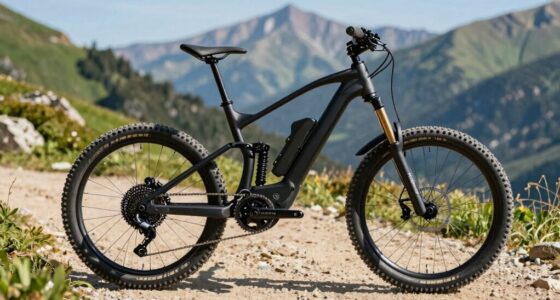
For bone conduction headphones for cycling, my best overall pick is the SHOKZ OpenRun Pro 2, which stands out as the lineup’s premium sport-focused option. The SHOKZ OpenRun is a strong alternative for riders who want a simpler, established sport design, while the Bone Conduction Headphones for Running with Mic and Rear Safety Light adds a visibility feature aimed at low-light rides. The main tradeoffs are awareness versus sound isolation, secure fit versus helmet compatibility, and extra battery or water protection versus bulk and cost. I compare all 15 models by their cycling-relevant features and limitations below. Read on for the full breakdown and help matching a pair to your routes and riding habits.

Get sports gear delivered free with Prime
- Fast, free delivery on millions of items
- Prime Video, Amazon Music and more included
- Member-only deals all year
Complete the kit


Key Takeaways
- SHOKZ leads the range of clearly identified sport-focused options: OpenRun Pro 2, OpenRun Pro, OpenRun, and OpenMove give buyers distinct model tiers rather than one all-purpose choice.
- The rear safety light is the lineup’s most directly cycling-specific feature. It may help with visibility in dim conditions, but it does not replace a proper bike light or reflective gear.
- Several budget-style models advertise 10-hour playtime and water resistance. Those claims can suit regular training, but riders should compare fit, controls, and warranty support instead of choosing on headline specs alone.
- Water ratings point to different use cases. The CXK IPX8 model and Demicea IP68 model are aimed at heavier water exposure, while those protections may matter less than secure fit and helmet comfort for ordinary road riding.
- Bone conduction leaves the ear canal open, but it cannot make cycling risk-free. Wind, traffic, and high volume still compete for attention, so volume discipline and route awareness matter across every pick.


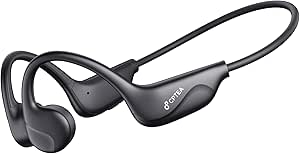
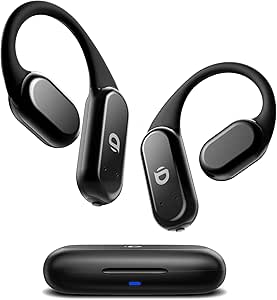


| bone conduction headphones for cycling | Battery life | Water resistance | Model | Connectivity |
|---|---|---|---|---|
| CXK Bone Conduction Headphones | Up to 10 hours | IPX7; not for swimming | — | — |
| PSIER Bone Conduction Headphon | Up to 10 hours | IPX5 | X12 | — |
| SHOKZ OpenMove | 6 hours | Water resistant; no IP rating specified | OpenMove, S661 | Bluetooth |
| Bone Conduction Headphones Blu | 10 hours | IP65 | — | — |
| Bone Conduction Headphones | 10 hours | — | — | — |
| SHOKZ OpenRun Pro 2 Bone Condu | Up to 12 hours | IP55 | SHOKZ S820 | Bluetooth |
| Upgrade Bone Conduction Headph | Up to 10 hours | Described as waterproof; no IP rating specified | K08-New | Bluetooth 5.3 |
| Raycon Bone Conduction Headpho | — | IP68 | — | Bluetooth |
| SHOKZ OpenRun Pro | Up to 10 hours | — | S810 | Bluetooth |
| Bone Conduction Headphones for | Up to 10 hours | IP66 | KLKE-Gray-Z3 | Wireless |
| CXK Bone Conduction Headphones | Up to 12 hours | IPX8 | — | — |
| Bone Conduction Headphones | — | Sweat-resistant | — | — |
| Demicea 60H Playtime Soft Fit | Up to 60 hours | IP68 | — | — |
| PSIER Bone Conduction Headphon | Up to 10 hours | IPX5 | X21 | Bluetooth; version not specified |
| SHOKZ OpenRun Bone Conduction | Up to 8 hours | IP67 | OpenRun (S803) | Bluetooth |
More Details on Our Top Picks
CXK Bone Conduction Headphones, Bluetooth 6.0 Open Ear Headphones with Mic, IPX7 Waterproof, 10H Playtime, Lightweight Sports Headphones for Running, Cycling, Walking
For cyclists who regularly ride through rain or finish with a heavy sweat, the CXK’s IPX7 rating is its clearest advantage over the PSIER X12’s IPX5 protection. Its 10-hour battery also gives it more headroom than the SHOKZ OpenMove’s six hours, which may matter on long rides or when charging gets overlooked. At 28g, though, it is heavier than both of those alternatives, and the listing says it is not suitable for swimming—so the higher water rating is about exposure, not underwater use. Open ears preserve access to traffic sounds, but bone-conduction audio won’t isolate road noise or deliver deep bass. Choose it for wet-weather resilience and longer battery life, not for the lightest fit.
Pros:- IPX7 water-resistance rating offers more protection from wet conditions than the IPX5-rated PSIER X12.
- Up to 10 hours of battery life outlasts the SHOKZ OpenMove’s six-hour listing.
- Open-ear design leaves the ears uncovered for awareness of surrounding traffic.
- Built-in microphone supports calls without removing the headset.
Cons:- At 28g, it is heavier than the 23g PSIER X12 and the 22g model in this lineup.
- Not intended for swimming despite its IPX7 rating.
- Bone-conduction audio may lack the bass and immersion of conventional headphones.
Best for: Cyclists who ride in frequent rain and want an open-ear headset with a 10-hour battery and built-in microphone.
Not ideal for: Riders who prioritize the lightest possible headset, want strong bass, or need headphones for swimming.
- Bluetooth:Version 6.0
- Battery life:Up to 10 hours
- Charge time:2 hours
- Weight:28g
- Connectivity range:33 feet
- Controls:Push button
- Microphone:Built-in
- Water resistance:IPX7; not for swimming
Our verdict“Pick the CXK if wet-weather protection and long battery life matter more than a very light fit or swimming capability.”
PSIER Bone Conduction Headphones, 2026 Upgrade Open Ear Running Headphones
The PSIER X12 weighs 23g, making it a strong fit for cyclists who want a light headset for regular rides without moving up to a heavier frame like the 28g CXK. It also lists Bluetooth 6.0, up to 10 hours of playback, and Type-C fast charging, a useful mix for riders who use their headset often and want to top it up between outings. Its IPX5 rating suits sweat and rain, but offers less water protection than the CXK’s IPX7 rating. The open-ear design keeps the ear canal clear, though the product notes sound leakage at higher volumes; turning it up to compete with traffic can also compromise listening comfort. Compared with the SHOKZ OpenMove, the PSIER offers longer listed battery life, but less established brand positioning in this lineup.
Pros:- 23g weight is lighter than the CXK’s 28g frame.
- Up to 10 hours of battery life exceeds the SHOKZ OpenMove’s six-hour listing.
- Type-C fast charging and 200-hour standby time suit frequent use between rides.
- Open-ear fit leaves the ears uncovered for awareness of traffic.
Cons:- IPX5 protection is lower than the CXK’s IPX7 rating.
- Sound may leak at higher listening volumes.
- Listed as intended for adults, limiting suitability for younger riders.
Best for: Frequent riders seeking a lightweight, open-ear headset with long listed battery life and USB-C charging.
Not ideal for: Cyclists who ride in heavy rain and want stronger water protection, or anyone who needs to keep audio private at higher volume.
- Model:X12
- Weight:23g
- Bluetooth:Version 6.0
- Battery life:Up to 10 hours
- Standby time:200 hours
- Charging:Type-C fast charging
- Driver size:13mm
- Range:33 feet
- Water resistance:IPX5
Our verdict“Choose the PSIER X12 for a lightweight fit and long battery life, but pick the CXK if stronger water protection is your priority.”
SHOKZ OpenMove – Open-Ear Bluetooth Sport Headphones – Bone Conduction Wireless Earphones – Sweatproof for Running and Workouts (Grey)
The SHOKZ OpenMove makes sense for a first bone-conduction headset if you prefer a named model with a stated two-year warranty over the longer battery claims on the CXK and PSIER options. Its open-ear layout suits cycling by leaving the ear canal unobstructed, while sweat resistance covers workouts and ordinary perspiration. The tradeoff is runtime: its six-hour battery is four hours shorter than the 10-hour figures listed for the CXK and PSIER X12, so frequent riders may need to charge more often. The product is described as lightweight but provides no weight figure, making direct fit comparisons harder. Choose the OpenMove for a straightforward branded entry point; skip it if your rides are long or you want a specified high water-resistance rating.
Pros:- Open-ear design keeps the ears uncovered for awareness while riding.
- Two-year warranty is specified in the product data.
- Sweat-resistant construction suits workouts and routine cycling use.
- Includes a USB-C cable.
Cons:- Six hours of battery life is less than the 10 hours listed for the CXK and PSIER X12.
- No specific IP water-resistance rating is provided in the supplied specifications.
- A precise weight is not listed, making fit comparisons less clear.
Best for: New bone-conduction buyers who value a recognizable model name, a stated warranty, and sweat resistance for shorter rides.
Not ideal for: Long-distance cyclists who need more than six hours of listed playback or riders seeking an IP-rated water-resistance specification.
- Model:OpenMove, S661
- Battery life:6 hours
- Charge time:2 hours
- Connectivity:Bluetooth
- Water resistance:Water resistant; no IP rating specified
- Color:Grey
- Warranty:2 years
- Included accessories:USB-C cable and sticker pack
Our verdict“Pick the OpenMove for a branded, warranty-backed introduction to open-ear cycling audio, provided six hours covers your rides.”
Bone Conduction Headphones Bluetooth 6.0, Open Ear Earbuds with Mic, 3 EQ Modes, 10H Playtime, IP65 Waterproof for Sports
The Gavhaio JY-B1 is the most compelling option here for cyclists who move between a phone and another device: its dual-device connection is a listed feature the CXK and PSIER X12 do not specify. It also pairs 10 hours of playback with a one-hour charging time, faster than the two hours listed for the CXK and SHOKZ OpenMove. At 25g, it sits between the lighter 22g headset and the 28g CXK, so it is not the lightest choice but remains a modest-weight option. Its IP65 rating is suitable for sweat and exposure to dust, but the CXK offers a higher stated water rating for very wet rides. Three EQ modes give listening choices, though open-ear bone conduction still won’t provide conventional headphone isolation or deep bass.
Pros:- Dual-device connection can simplify switching between a phone and another device.
- One-hour charging time is shorter than the CXK’s two-hour listing.
- Three EQ modes allow changes to the sound profile.
- IP65 protection and open-ear design suit sweaty, dusty outdoor rides.
Cons:- IP65 is a lower stated water-resistance rating than the CXK’s IPX7.
- At 25g, it is heavier than the 22g headset and 23g PSIER X12.
- No headphone jack is available for wired listening.
Best for: Cyclists who switch between two connected devices and want quick charging, physical buttons, and open-ear awareness.
Not ideal for: Riders who need the strongest water protection, wired listening, or the lightest headset in this selection.
- Brand and model:Gavhaio JY-B1
- Weight:25g
- Battery life:10 hours
- Charging time:1 hour
- Bluetooth:Version 6.0
- Water resistance:IP65
- Controls:Buttons
- Charging port:Type-C
- Bluetooth range:33 feet
Our verdict“Choose the Gavhaio JY-B1 if dual-device pairing and quick charging outweigh the need for the strongest water rating or a wired option.”
Bone Conduction Headphones, Bluetooth 5.4 Open-Ear Sport Headset with Mic, 10H Playtime, IP55 Waterproof, 22g Lightweight Skin-Friendly Headphones for Gym, Cycling & Running
At 22g, this headset is the lightest of the five products in this batch, giving it a clear role for cyclists who want to minimize the weight they wear on longer outings. Its 10-hour battery matches the CXK and PSIER X12, while Bluetooth 5.4 provides wireless connectivity without the newer Bluetooth 6.0 specification found on those alternatives. The IP55 rating covers water and dust exposure, but it does not match the CXK’s higher IPX7 water rating for riders who often face heavy rain. The open-ear design keeps the ears uncovered, though the supplied product details also flag limited noise isolation and less immersive sound. That tradeoff suits awareness-focused rides, but can frustrate anyone expecting music to mask wind or road noise.
Pros:- 22g weight is the lightest among the five products in this batch.
- Up to 10 hours of playback matches the longer-running CXK and PSIER X12.
- IP55 protection is specified for water and dust resistance.
- Built-in microphone supports calls while the ears remain uncovered.
Cons:- IP55 offers less stated water protection than the CXK’s IPX7 rating.
- Bluetooth 5.4 is an older listed version than Bluetooth 6.0 on several alternatives.
- Limited noise isolation and less immersive audio may disappoint riders seeking a fuller listening experience.
Best for: Cyclists who place low headset weight and long battery life ahead of stronger water protection or immersive sound.
Not ideal for: Riders who frequently encounter heavy rain, want deep sound isolation, or prefer the newer Bluetooth 6.0 specification listed on the CXK and PSIER X12.
- Weight:22g
- Battery life:10 hours
- Bluetooth:Version 5.4
- Water and dust resistance:IP55
- Driver type:Bone conduction
- Color:Deep Black
- Microphone:Built-in
Our verdict“Pick this model if keeping headset weight down is your main priority, and choose the CXK instead for a higher water-resistance rating.”
SHOKZ OpenRun Pro 2 Bone Conduction Bluetooth Sport Headphones, Black
For riders who want open-ear awareness without giving up a long ride’s worth of listening, the SHOKZ OpenRun Pro 2 is my strongest all-around pick here. Its stated 12-hour battery life exceeds the 10-hour claims for the SHOKZ OpenRun Pro and KLKE model, leaving more room for extended rides between charges. The dual-driver setup is described as combining clearer highs with deeper bass, a useful balance for music and spoken directions, while the secure fit suits active movement. Its IP55 rating adds protection against sweat and water, though it is not a swimming option. The tradeoff is that the supplied data gives no weight figure, and open-ear bone conduction will not isolate traffic noise or deliver the enveloping sound of conventional over-ear headphones. I’d choose it over the older OpenRun Pro for the extra stated runtime, but not for riders who prioritize isolation.
Pros:- 12-hour stated battery life is the longest among the SHOKZ options in this batch.
- Open-ear fit leaves the ears unobstructed for awareness of surrounding traffic.
- Dual drivers are described as balancing clear highs with deeper bass.
- Dual wind-resistant microphones with AI noise reduction support clearer calls.
Cons:- IP55 protection is not a substitute for a swimming-focused design.
- Product data does not specify weight, making fit comparisons harder.
- Open-ear playback offers less isolation and immersion than conventional over-ear headphones.
Best for: Cyclists who take long day rides and want open-ear listening, a secure sport fit, and more stated battery life than the other SHOKZ models here.
Not ideal for: Riders who want strong noise isolation, a fully immersive soundstage, or a clearly specified weight before choosing.
- Model:SHOKZ S820
- Battery life:Up to 12 hours
- Charge time:1 hour
- Water resistance:IP55
- Connectivity:Bluetooth
- Microphone:Dual wind-resistant microphones with AI noise reduction
- Color:Black
Our verdict“Choose the OpenRun Pro 2 for longer cycling sessions that call for open-ear awareness, secure fit, and the longest stated SHOKZ battery life in this batch.”
Upgrade Bone Conduction Headphones, Wireless Bluetooth Open-Ear Sports Headphones with Mic, Type-C Quick Charging, Long Battery Life, Waterproof for Running and Cycling
The Ogogrs K08-New makes the most sense for cyclists who want a claimed 10-hour runtime and a familiar USB-C charging connection rather than a more specialized charging setup. Its Bluetooth 5.3 connection and lightweight titanium frame are described as practical for active wear, while the open-ear design keeps the fit from sealing off the rider’s ears. Compared with the SHOKZ OpenRun Pro 2, it gives up two hours of stated battery life and the SHOKZ model’s specific IP55 rating; the Ogogrs listing only says “waterproof,” without a protection grade. That vague water claim is a real drawback for riders who need a defined level of weather protection. Its open design also means limited noise isolation and restrained bass, so I’d favor the SHOKZ for clearer documented specs and the Ogogrs for USB-C convenience.
Pros:- USB-C fast charging uses a common charging connection.
- Up to 10 hours of stated battery life suits many day rides.
- Lightweight titanium frame is intended for durable active wear.
- Bluetooth 5.3 connectivity is specified.
Cons:- Water resistance is described only as waterproof, with no IP rating provided.
- Open-ear listening limits noise isolation and deep bass.
- Battery life may vary with usage.
Best for: Cyclists who prefer USB-C charging, want an open-ear sport headset, and do not need a clearly stated IP water-resistance grade.
Not ideal for: Riders who need a specific waterproof rating for wet-weather use or who prioritize deep bass and isolation.
- Brand:Ogogrs
- Model:K08-New
- Battery life:Up to 10 hours
- Charging:USB-C fast charging
- Connectivity:Bluetooth 5.3
- Frame:Lightweight titanium
- Driver type:Bone conduction
- Water resistance:Described as waterproof; no IP rating specified
Our verdict“Pick the Ogogrs K08-New if USB-C convenience matters more than a clearly documented water rating or the longer battery life of the SHOKZ OpenRun Pro 2.”
Raycon Bone Conduction Headphones – Open Ear Running Bluetooth Earbuds, Sweat & Water-Resistant, Gray
The Raycon stands out for riders who put a high listed water-resistance level ahead of a long feature sheet: its IP68 rating is more specific than the Ogogrs K08-New’s ungraded “waterproof” claim. The sliding earbuds are described as adjustable, letting a rider alter the fit and how much environmental sound reaches them. That flexibility can be useful when moving between quieter paths and busier streets, but it does not replace listening for traffic; open-ear headphones do not block surrounding noise. Compared with the SHOKZ OpenRun Pro 2, the Raycon listing does not state battery life, charging time, or microphone details, so I can’t rank it as confidently for long rides or calls. Its strongest case is water protection and fit adjustment, not documented endurance or communication features.
Pros:- IP68 water-resistance rating is clearly specified.
- Open-ear design supports awareness of surrounding sounds.
- Sliding earbuds allow fit and environmental awareness adjustment.
- Lightweight, ergonomic construction is intended for extended wear.
Cons:- Battery life and charge time are not provided in the product data.
- Performance may be limited in high-noise environments.
- Magnetic cable charging is a less widely shared setup than USB-C.
Best for: Cyclists who want an IP68-rated open-ear option and value an adjustable fit for varied outdoor conditions.
Not ideal for: Riders who need a stated battery runtime, specified call-microphone performance, or dependable listening in loud environments.
- Type:Bone conduction headphones
- Design:Open ear
- Connectivity:Bluetooth
- Water resistance:IP68
- Color:Gray
- Adjustability:Sliding earbuds for volume and environmental awareness
- Charging:Magnetic cable
Our verdict“Choose the Raycon if a stated IP68 rating and adjustable fit matter more to your cycling routine than documented battery life or call features.”
SHOKZ OpenRun Pro – Open-Ear Bluetooth Bone Conduction Sport Headphones with Sweat Resistance and Built-in Mic
The SHOKZ OpenRun Pro suits cyclists who want a familiar sport-focused design and a defined 10-hour battery life, but it sits behind the OpenRun Pro 2 for riders who value longer runtime. Its nickel-titanium material and lightweight description support a secure fit for movement, while the built-in mic adds utility for calls between rides. The stated driver range is broad, though bone conduction remains an open-ear listening style: riders should expect less isolation and immersion than with conventional headphones, not a sealed music experience. Compared with the newer OpenRun Pro 2, this model gives up two hours of stated battery life; its water protection is listed only as sweat-resistant rather than with an IP grade. I’d pick it for the sport fit and call capability, but choose the Pro 2 for longer rides and more clearly graded water protection.
Pros:- Open-ear fit leaves the ears unobstructed for surrounding sounds.
- Up to 10 hours of stated playback and a one-hour charge time.
- Nickel-titanium construction is specified for the sport headset.
- Built-in microphone supports calls.
Cons:- Shorter stated battery life than the SHOKZ OpenRun Pro 2.
- Water protection is described as sweat-resistant without an IP grade.
- Open-ear sound is less isolating and immersive than conventional headphones.
Best for: Cyclists who want a sport-oriented, nickel-titanium open-ear fit and built-in call capability for rides within its 10-hour stated runtime.
Not ideal for: Riders planning longer sessions who want more than 10 hours of stated battery life or a specific IP water-resistance rating.
- Model:S810
- Series:8
- Battery life:Up to 10 hours
- Charge time:1 hour
- Connectivity:Bluetooth
- Water protection:Sweat-resistant
- Material:Nickel-titanium
- Driver frequency range:20–20,000 Hz
Our verdict“Choose the OpenRun Pro if you want SHOKZ’s sport-focused fit and a built-in mic, but take the OpenRun Pro 2 for longer rides or a stated IP rating.”
Bone Conduction Headphones for Running with Mic and Rear Safety Light
For cyclists who often ride around dusk or after dark, the KLKE’s built-in rear safety light gives it a distinct purpose that the SHOKZ OpenRun Pro and OpenRun Pro 2 do not list. The open-ear design keeps ambient sound accessible, while the IP66 rating and USB-C charging add practical details for outdoor use. Its adjustable silicone strap may help accommodate different fits, although the product information does not establish that it will suit every head size. Battery life is stated at up to 10 hours, shorter than the OpenRun Pro 2’s 12 hours, and the listing offers no sound specifications beyond the general bone-conduction description. That makes this a visibility-led choice rather than the clearest pick for riders focused on sound or long-distance runtime. I’d choose it for the rear light, and the SHOKZ Pro 2 for longer listening.
Pros:- Built-in rear safety light adds a visibility feature for low-light rides.
- IP66 protection is specified for sweat and water exposure.
- Up to 10 hours of stated playback.
- USB-C charging port is specified.
Cons:- 10-hour stated runtime is shorter than the SHOKZ OpenRun Pro 2.
- Fit may not suit every head size, despite the adjustable strap.
- Product data provides limited detail about audio performance.
Best for: Commuters and recreational cyclists who ride in low light and want a rear safety light integrated with open-ear headphones.
Not ideal for: Riders who prioritize longer battery life, detailed audio specifications, or a fit they can confirm from a stated weight and sizing range.
- Brand:KLKE
- Model:KLKE-Gray-Z3
- Battery life:Up to 10 hours
- Water resistance:IP66
- Connectivity:Wireless
- Controls:Push button
- Microphone:Built-in
- Charging port:USB-C
- Design:Open ear with adjustable silicone strap and rear safety light
Our verdict“Choose the KLKE if a built-in rear light is your priority for low-light cycling; choose the SHOKZ OpenRun Pro 2 if longer stated battery life matters more.”
CXK Bone Conduction Headphones IPX8 Waterproof Bluetooth 6.0 Swim Headphones
I’d choose the CXK when cycling is one part of a routine that also includes swimming: its IPX8 rating and onboard MP3 storage give it a use beyond the road. For a ride, the open-ear fit leaves the ear canals uncovered, while the stated 12-hour battery life is longer than the SHOKZ OpenRun’s 8 hours. The tradeoff is that its product description lists Bluetooth 6.0 while the detailed specs say Bluetooth 5.3, so I wouldn’t rely on the newer version claim. Bluetooth also won’t work underwater; swimming playback depends on stored MP3s. Compared with the cycling-focused PSIER X21, this CXK is more versatile around water but brings app dependence and less certain connectivity details.
Pros:- IPX8 water resistance suits swimming as well as wet-weather activity
- Built-in storage supports MP3 listening without a phone
- Stated 12-hour playback exceeds the SHOKZ OpenRun’s 8-hour claim
- Open-ear design leaves the ear canals uncovered
Cons:- Bluetooth cannot connect underwater, so swimming requires MP3 mode
- Bluetooth version is inconsistent between the description and detailed specs
- Some customization and AI music features require an app
Best for: Cyclists who also swim and want open-ear listening on land plus stored music for pool sessions
Not ideal for: Riders who want a straightforward cycling headset with clearly consistent connectivity specifications or who need live Bluetooth streaming while swimming
- Water resistance:IPX8
- Bluetooth version:5.3 in detailed specs; product description says 6.0
- Bluetooth range:33 feet
- Battery life:Up to 12 hours
- Charging time:2 hours
- Built-in storage:Up to 8,000 songs
- Design:Open-ear, adjustable headband
- Controls:Push button and touch; button and volume control
Our verdict“Pick the CXK if you want one open-ear headset for cycling and swimming, but skip it if you need uncomplicated Bluetooth streaming or consistent spec details.”
Bone Conduction Headphones, Open Ear Sports Wireless Headset
At 27 grams, this headset makes sense for riders who prioritize a light feel over richer features. Its open-ear layout keeps the ear canals clear, and the listed 10-plus hours of playback can cover a long ride or several shorter commutes between charges. Compared with the PSIER X21, it has a stated weight but lacks an app-based sound-profile option; compared with the SHOKZ OpenRun, its battery claim is longer, though the OpenRun specifies IP67 water resistance while this model is only described as sweat-resistant. That distinction matters if rides regularly involve heavy rain. The maker also warns that open-ear sound is less immersive and offers little noise isolation, which is a reasonable trade for riders who want environmental awareness but a poor fit for noisy routes.
Pros:- 27-gram weight keeps the headset light during extended rides
- Open-ear fit leaves the ear canals uncovered
- More than 10 hours of stated playback
- USB-C charging and a listed 33-foot wireless range
Cons:- Water resistance is described only as sweat-resistant
- Open-ear sound provides limited isolation and immersion
- Battery life can vary with volume and use
Best for: Cyclists who want a lightweight headset for everyday rides and value comfort and open-ear awareness over sound isolation
Not ideal for: Riders who regularly ride in heavy rain, need stronger water-resistance documentation, or want immersive audio on noisy roads
- Weight:27 g
- Driver size:16 mm
- Sensitivity:90 dB
- Battery capacity:220 mAh
- Playtime:More than 10 hours
- Charging port:USB Type-C
- Bluetooth range:33 feet
- Water resistance:Sweat-resistant
Our verdict“Choose this model for a light, long-wearing everyday cycling headset, but favor the SHOKZ OpenRun if documented water resistance matters more.”
Demicea 60H Playtime Soft Fit IP68 Bone Conduction Headphones
The Demicea’s defining cycling advantage is its claimed 60-hour battery life, far beyond the SHOKZ OpenRun’s 8-hour claim and the PSIER X21’s 10 hours. That can suit riders who dislike frequent charging or use a headset across several days of commuting. Its IP68 rating also offers a stronger stated water-resistance level than the PSIER’s IPX5, though water resistance alone does not establish suitability for every exposure. The product data gives little detail about fit, controls, or ride-specific stability, so I’d be more cautious about choosing it for rough roads than the lighter, explicitly specified PSIER. Bluetooth 5.3 and AAC/SBC codec support are listed, but there’s no headphone jack and no specific noise-control feature. The unusually long runtime is appealing; the sparse practical detail makes it a less certain all-around cycling choice.
Pros:- Claimed 60-hour battery life greatly exceeds the other listed models
- IP68 water resistance is stronger on paper than the PSIER X21’s IPX5
- Bluetooth 5.3 connectivity
- AAC and SBC audio codec support are specified
Cons:- Product data gives limited detail about fit and stability during cycling
- No headphone jack for wired listening
- Noise-control features are limited
Best for: Cyclists who ride or commute frequently and put long time between charges ahead of detailed fit or control features
Not ideal for: Riders who need a clearly described secure fit, detailed controls, or a cable connection as a backup
- Battery life:Up to 60 hours
- Water resistance:IP68
- Bluetooth version:5.3
- Bluetooth range:10 meters
- Charging time:1.5 hours
- Audio codec:AAC/SBC
- Driver type:Bone conduction
- Weight:0.28 oz
Our verdict“The Demicea suits riders who put exceptional stated battery life first, but I’d favor a more fully specified model when fit and ride stability are priorities.”
PSIER Bone Conduction Headphones, 2026 Upgrade Open-Ear Design, 10-Hour Playtime, IPX5 Waterproof, 23g Ultra-Lightweight for Running, Cycling, Outdoor Sports
For cycling, the PSIER X21 puts the right practical details up front: a 23-gram frame, an open-ear design, and a flexible memory-titanium structure intended to suit active movement. Its IPX5 rating offers protection for sweat and rain exposure, though it is not a swimming headset like the IPX8 CXK. The listed 10-hour battery life is shorter than the Demicea’s ambitious 60-hour claim but should appeal to riders who prefer a lighter, more clearly activity-focused option. App-based sound profiles add a way to tailor audio, while also making setup less direct than the SHOKZ OpenRun. The data does not specify a Bluetooth version, and the listing acknowledges limited sound-quality information. I’d rank it for ride comfort and weather practicality, not for proven audio refinement.
Pros:- 23-gram weight is the lightest specified in this group
- Flexible memory-titanium frame is designed for active wear
- IPX5 protection suits sweat and outdoor rain exposure
- App supports customizable sound profiles
Cons:- Not suitable for underwater use
- 10-hour battery life is shorter than the Demicea’s stated 60 hours
- Bluetooth version and detailed sound-quality information are not provided
Best for: Road and commuter cyclists who want a low-weight, flexible frame, rain protection, and adjustable sound profiles
Not ideal for: Swimmers, riders seeking long-term battery claims, or buyers who want detailed evidence about sound quality and Bluetooth version
- Model:X21
- Weight:23 g
- Battery life:Up to 10 hours
- Water resistance:IPX5
- Charging time:2 hours
- Standby time:200 hours
- Connectivity:Bluetooth; version not specified
- Frame material:Flexible memory titanium
Our verdict“Choose the PSIER X21 for a light, cycling-oriented fit and rain protection, but look elsewhere for swimming or a well-documented audio profile.”
SHOKZ OpenRun Bone Conduction Open-Ear Bluetooth Sport Headphones, Black
The SHOKZ OpenRun is the most clearly documented sports-oriented option here: its IP67 water resistance, bone-conduction design, and included magnetic charging cable make it a straightforward choice for regular outdoor riding. Its 8-hour battery life is shorter than the CXK’s 12 hours and the PSIER X21’s 10, so frequent or all-day riders may prefer those longer-running alternatives. A 10-minute charge is listed, but the product data does not say how much playback that adds. Like every open-ear option in this group, it trades immersive sound and noise isolation for uncovered ears; that helps preserve awareness but cannot make a ride safe on its own. Unlike the CXK, it is not intended for swimming, and its weight is not specified, leaving fit comparisons less precise.
Pros:- IP67 water resistance suits sweat and outdoor conditions
- Quick-charge feature lists a 10-minute charging time
- Open-ear bone-conduction design leaves the ear canals uncovered
- Magnetic induction charging cable is included
Cons:- Eight-hour battery life is shorter than the CXK and PSIER X21 claims
- Not suitable for swimming
- Weight is not specified, limiting fit comparisons
Best for: Regular outdoor cyclists who want a sports-focused open-ear headset with a specified IP67 rating and quick-charge capability
Not ideal for: Swimmers, riders who need more than eight hours per charge, or buyers who require a stated headset weight before choosing
- Brand:SHOKZ
- Model:OpenRun (S803)
- Battery life:Up to 8 hours
- Charging time:10 minutes listed; charge duration details not specified
- Water resistance:IP67
- Connectivity:Bluetooth
- Impedance:8.5 ohm
- Sensitivity:105 dB
- Included accessories:Headband, magnetic induction charging cable, user manual
Our verdict“Pick the OpenRun for a clearly specified sports headset with IP67 protection, but choose the CXK or PSIER X21 if longer stated playback matters more.”

How We Picked
I ranked these headphones for cycling usability, not for the broadest feature list. I gave the most weight to a stable open-ear fit, practical awareness of surrounding traffic, comfort around a helmet, and useful everyday details such as battery life, water resistance, microphone support, and charging. Product names provide different levels of detail, so I treated specific claims—such as the OpenRun models’ sport positioning, the light on the safety-light model, and stated protection ratings—as buying clues, not proof of performance.
The order reflects how clearly each option suits a cyclist and how much useful information its listed features provide. SHOKZ models rank ahead for their distinct sport-focused lineup and recognizable model positioning, with Pro models serving riders who want a more premium option and OpenMove offering a simpler entry point. The safety-light model earns a specific-use role, while higher water ratings and long-playtime claims move swim- or endurance-oriented picks up only for riders who need those traits. Sparse product details lower a model’s placement because cyclists have less information with which to judge fit, durability, and ride controls.
| bone conduction headphones for cycling | Connectivity |
|---|---|
| CXK Bone Conduction Headphones | — |
| PSIER Bone Conduction Headphon | — |
| SHOKZ OpenMove | Bluetooth |
| Bone Conduction Headphones Blu | — |
| Bone Conduction Headphones | — |
| SHOKZ OpenRun Pro 2 Bone Condu | Bluetooth |
| Upgrade Bone Conduction Headph | Bluetooth 5.3 |
| Raycon Bone Conduction Headpho | Bluetooth |
| SHOKZ OpenRun Pro | Bluetooth |
| Bone Conduction Headphones for | Wireless |
| CXK Bone Conduction Headphones | — |
| Bone Conduction Headphones | — |
| Demicea 60H Playtime Soft Fit | — |
| PSIER Bone Conduction Headphon | Bluetooth; version not specified |
| SHOKZ OpenRun Bone Conduction | Bluetooth |
Factors to Consider When Choosing Bone Conduction Headphones For Cycling
Choosing cycling headphones is less about chasing the longest feature list and more about matching the design to your bike, helmet, route, and local rules. I would start with fit and awareness, then check whether the remaining extras solve a real problem for your rides.
Keep awareness ahead of audio quality
Open-ear listening can leave your ear canals uncovered, but that does not guarantee you will hear every car, bell, or warning. Traffic noise and wind can mask quiet sounds, and raising volume to compete with them can undo some of the benefit. For busy roads, choose a conservative volume and leave one ear free if your local rules and preferred setup call for it. Riders on protected paths may have different needs from those commuting beside fast traffic. Do not treat any headphone as a substitute for checking over your shoulder or using a mirror.
Check helmet and eyewear fit together
A frame that feels comfortable on its own can press against helmet straps, glasses arms, or the back of your head once riding. Before buying, check whether the headphones sit where your helmet’s straps and retention system need to rest. A rigid band can also conflict with the rear cradle on some helmets, so a claimed lightweight design does not settle the fit question. If possible, try the combination while wearing your usual helmet and glasses, not just indoors. Riders who cannot return a poor fit should give more weight to a clear fit policy and brand support than to extra sound modes.
Match water protection to actual exposure
Water resistance can help with sweat and rain, but ratings are not interchangeable promises of unlimited water use. A high rating may be useful for heavy rain or multi-sport use, yet it does not automatically make headphones a better cycling choice. Check the manufacturer’s rating guidance and care instructions, especially around charging ports and cleaning after salty sweat. If you ride in dry weather, secure fit and easy controls may serve you better than a swim-oriented rating. Avoid assuming that a water-resistant label covers every kind of immersion or damage.
Treat battery claims as ride-planning information
Advertised playtime helps compare models, but actual runtime can vary with volume, call use, battery age, and temperature. Think about your longest ride plus the time between charges, rather than selecting a pair solely for the biggest number on the box. Quick charging or a common charging connector can be more useful than extra capacity if you often forget to charge before a commute. Check how the headphones indicate low battery, since a warning you can miss is little help on a long route. For multi-day trips, plan a charging method instead of relying on a single claimed runtime.
Prioritize controls you can use safely
Small buttons can be hard to find with gloves, while touch controls may react unpredictably to rain or sweat. Check whether you can pause playback or answer a call without looking down, and avoid making complicated adjustments while moving. A built-in microphone is convenient for calls, but it does not guarantee clear speech beside wind or traffic. If you ride in a group, simple playback controls may matter more than a long feature list. Set up pairing and volume before departure, then keep interaction brief on the road.
Spend for the problem you actually have
A premium model makes the most sense when its design, controls, comfort, or build better fits frequent rides—not simply because it sits higher in a product family. A beginner or occasional cyclist may be better served by a straightforward open-ear model, provided the fit works with their helmet. A rear light or stronger water protection can be worthwhile for riders who need those specific features, but neither replaces dedicated safety equipment. When product details are limited, avoid paying extra for claims you cannot verify or features you will not use. Compare warranty terms, return options, and replacement support before treating similar headline specs as equal value.
Frequently Asked Questions
Are bone conduction headphones a safe choice for riding on public roads?
They can leave the ear canal open, which may help you remain aware of surrounding sounds, but they do not make road listening fully safe. Wind, music, and traffic can still mask warnings, especially at higher volume. Keep playback low, stay attentive, and follow local rules on headphones while cycling. For complicated junctions or heavy traffic, pausing audio may be the better choice. A rear light, mirror, and reflective clothing remain separate safety tools.
Will bone conduction headphones fit under my cycling helmet?
It depends on the shape of the headphone band, the position of your helmet straps, and the helmet’s rear retention cradle. A light frame can still press against a strap or create discomfort after an hour. Check the fit with your own helmet and glasses, and confirm the return policy before buying if you cannot try them on. Do not alter helmet straps or retention parts to accommodate headphones. If the band conflicts with the helmet, choose a different design rather than compromising helmet fit.
Should I choose a swim-rated model for cycling in the rain?
Not automatically. A high water-protection rating may be useful if you ride through heavy rain, sweat heavily, or use the same headphones for swimming, but it does not prove the model is more comfortable or secure on a bike. Read the maker’s guidance for the exact rating and charging-port care. For everyday rides, stable fit, glove-friendly controls, and helmet compatibility may be more important. Do not assume any rating covers every kind of immersion or water damage.
Is a rear safety light built into headphones enough for night riding?
No. The light on the cycling-oriented model can be a helpful extra, but it should not replace a dedicated bicycle light that meets your needs and local requirements. A small wearable light may be less visible from some angles or at longer distances. Use front and rear bike lights, reflective details, and suitable clothing for the conditions. Check that the headphone light remains visible beneath your helmet or jacket before relying on it as a supplement.
Which should I prioritize: longer battery life or a secure fit?
For most cycling, I would prioritize secure, comfortable fit first. A long runtime does little good if the band shifts under your helmet or causes pressure during a ride. Once the fit works, compare battery claims against your longest typical trip and charging routine. Remember that runtime can change with volume, calls, temperature, and battery age. If you ride long distances, carry a charging plan rather than treating a listed playtime as a guarantee.
Conclusion
Best overall: I would start with the SHOKZ OpenRun Pro 2 if you want the lineup’s premium sport-focused option. Best value: the SHOKZ OpenMove is the more straightforward choice for riders who do not need a Pro model’s premium positioning. Best premium alternative: compare the SHOKZ OpenRun Pro with the Pro 2 and choose based on fit, features, and current manufacturer details. Best for beginners: OpenMove offers a simpler starting point than the higher-tier SHOKZ models. For specific needs, the rear safety-light model suits riders seeking an added visibility feature, while the CXK IPX8 or Demicea IP68 models may interest cyclists who also need stronger water protection. Before deciding, check helmet fit, local headphone rules, and the maker’s care and warranty guidance.