

Choosing the right tools and resources for managing Mac environments at scale remains a key challenge for enterprise IT teams. In 2026, the focus is on comprehensive management guides and deployment tools that balance ease of use with advanced capabilities. For those handling large Mac fleets, the top picks include detailed management guides and deployment resources, each with unique strengths and tradeoffs. The main choices include in-depth management books suited for administrators and deployment tools for technical execution. Here, I highlight the best options to help you align your team’s needs with the right resources, whether you’re seeking strategic guidance or technical deployment tools.

Get sports gear delivered free — and shop member deals
- Fast, free delivery on millions of items
- Access to Prime Big Deal Days deals on October 6–7
- Prime Video, Amazon Music and more included
Complete the kit


Key Takeaways
- The most comprehensive management guides offer in-depth strategies but may lack technical step-by-step instructions.
- Deployment tools like Mac OS X v10.6 streamline mass deployment but require technical expertise and are version-specific.
- Choosing between guides and tools depends on whether your priority is strategic management or technical deployment.
- All options have limitations: guides may be outdated or lacking in practical steps, while deployment tools can be complex to operate.
- The best choice depends on your enterprise’s size, technical expertise, and deployment complexity.
| Enterprise Mac Administrators Guide |  | Best for Strategic Management & Policy Development | Edition: Latest (varies by publication) | Focus: Management strategies | Intended Audience: IT management | VIEW ON AMAZON | See Our Full Breakdown |
| Enterprise Mac Administrators Guide | 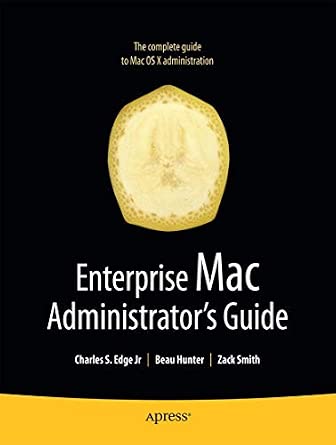 | Best for Practical Admin Strategies & Troubleshooting | Focus: Deployment and troubleshooting | Target Audience: Operational Mac admins | Edition Info: Not specified | VIEW ON AMAZON | See Our Full Breakdown |
| Mac OS X Deployment v10.6 |  | Best for Technical Deployment of Mac OS X 10.6 | Version: Mac OS X 10.6 | Focus: Deployment tools | Technical Level: Advanced | VIEW ON AMAZON | See Our Full Breakdown |
| mac pro for enterprise it deployment | Focus | Format | Update Status |
|---|---|---|---|
| Enterprise Mac Administrators | Management strategies | Print / Digital | — |
| Enterprise Mac Administrators | Deployment and troubleshooting | Print / Digital | Unknown |
| Mac OS X Deployment v10.6 | Deployment tools | Print / Digital | Outdated |
More Details on Our Top Picks
Enterprise Mac Administrators Guide
This guide stands out for its thorough coverage of Mac management best practices in enterprise settings. It provides a broad overview of policies, tools, and strategies, making it ideal for IT professionals overseeing large Mac fleets. Compared with the deployment-focused options, this book offers deep strategic insights but falls short on detailed technical procedures. It’s most useful for senior administrators planning management frameworks rather than executing specific deployments. However, it can become outdated if not the latest edition, and it lacks step-by-step instructions for technical tasks. Tradeoff: You gain strategic depth but may need additional technical resources for implementation.
Pros:- In-depth coverage of enterprise management strategies
- Useful for policy development and high-level planning
- Provides best practices for managing large Mac fleets
Cons:- Lacks detailed technical deployment steps
- May be outdated if not the latest edition
- Not suitable for hands-on technical execution
Best for: IT managers and senior administrators developing Mac management policies at scale
Not ideal for: Technicians needing detailed deployment procedures or step-by-step technical guides
- Edition:Latest (varies by publication)
- Focus:Management strategies
- Intended Audience:IT management
- Coverage:Policies, best practices
- Format:Print / Digital
- Updates:Depends on edition
Our verdict“Best suited for strategic management and policy planning in large Mac environments.”
Enterprise Mac Administrators Guide
Compared with the first guide, this book emphasizes practical tips, troubleshooting, and deployment strategies. It offers valuable insights for IT teams managing daily operations of Mac environments. This resource is more hands-on than purely strategic guides, making it better suited for administrators actively involved in deploying and maintaining Macs. Yet, it lacks specific technical specifications or the latest edition details, and it doesn’t feature user reviews for validation. Tradeoff: You get practical management tips but may need supplementary technical guides for detailed implementation.
Pros:- Practical tips for deployment and troubleshooting
- Useful for daily management tasks
- Covers strategies for managing Macs at scale
Cons:- No detailed technical specifications
- Lacks information on the latest edition or updates
- No user reviews or ratings for validation
Best for: Hands-on Mac administrators and deployment teams
Not ideal for: Strategic planners or those needing high-level policy frameworks
- Focus:Deployment and troubleshooting
- Target Audience:Operational Mac admins
- Edition Info:Not specified
- Practicality:High
- Format:Print / Digital
- Update Status:Unknown
Our verdict“Ideal for administrators seeking actionable deployment and troubleshooting guidance.”
Mac OS X Deployment v10.6
This resource provides focused deployment tools for Mac OS X Snow Leopard (10.6). It is designed for tech-savvy IT professionals who need to streamline large-scale OS deployment. Compared with management guides, this product is highly technical and version-specific, making it less suitable for environments running newer macOS versions. While it excels at deployment automation for Snow Leopard, its limited scope and technical complexity mean it’s not for general management or newer systems. Tradeoff: Highly effective for its specific version but outdated for most modern enterprise environments.
Pros:- Streamlines deployment of Mac OS X 10.6
- Provides specific tools for mass OS installation
- Useful for legacy system management
Cons:- Limited to Snow Leopard (10.6)
- Requires technical expertise to operate
- Outdated for current macOS environments
Best for: IT professionals managing Mac OS X Snow Leopard environments
Not ideal for: Organizations using newer macOS versions or seeking broader management solutions
- Version:Mac OS X 10.6
- Focus:Deployment tools
- Technical Level:Advanced
- Compatibility:Limited to Snow Leopard
- Format:Print / Digital
- Update Status:Outdated
Our verdict“Best for legacy environments still running Mac OS X 10.6, not suitable for modern deployments.”

How We Picked
My selection process focused on identifying resources specifically tailored for enterprise Mac management in 2026. I prioritized products that offer strategic guidance for administrators and practical deployment tools, evaluating their depth, usability, and relevance for large-scale environments. I compared their scope, technical demands, and user feedback, aiming to highlight options that balance comprehensive coverage with practical applicability. Each product was assessed for its role in enterprise settings—whether as a strategic guide or deployment resource—and how well it helps IT teams handle scale, security, and automation challenges.
| mac pro for enterprise it deployment | Focus | Update Status |
|---|---|---|
| Enterprise Mac Administrators | Management strategies | — |
| Enterprise Mac Administrators | Deployment and troubleshooting | Unknown |
| Mac OS X Deployment v10.6 | Deployment tools | Outdated |
Factors to Consider When Choosing Mac Pro For Enterprise It Deployments
Selecting the right resources for enterprise Mac deployments involves balancing strategic guidance with practical deployment tools. Your choice depends on whether you need high-level policies, troubleshooting tips, or technical automation. Understanding the scope and limitations of each option helps ensure your Mac environment remains secure, manageable, and efficient at scale.Management Guides vs. Deployment Tools
Management guides like the Enterprise Mac Administrators Guide provide strategic insights, best practices, and policy frameworks that help shape your overall approach. These are best for high-level planning and policy development but lack technical step-by-step deployment instructions. On the other hand, deployment-focused resources such as Mac OS X Deployment v10.6 are tailored for executing specific OS installations, requiring technical expertise but offering automation and efficiency. Your choice depends on whether your priority is strategic governance or technical execution.
Technical Complexity and Relevance
Resources like Mac OS X Deployment v10.6 are highly technical and version-specific, making them suitable only for legacy systems or environments still running Snow Leopard. For modern environments, the management guides may be more relevant, but you should verify their recency. Outdated guides can lead to misconfigurations, and deployment tools that are not updated may cause compatibility issues with current macOS versions.
Tradeoffs and Limitations
Deep strategic guides provide broad coverage but may lack the practical detail needed for immediate implementation. Conversely, technical deployment tools excel at automation but can be complex and limited to specific versions or environments. Balancing these tradeoffs ensures you select resources that fit your technical skills and organizational needs, avoiding unnecessary complexity or gaps in coverage.
Frequently Asked Questions
What is the main purpose of enterprise Mac management guides?
Enterprise Mac management guides aim to provide high-level strategies, policies, and best practices for managing large Mac deployments. They focus on organizational policies, security, user management, and compliance, helping IT teams develop frameworks that streamline administration at scale. While they are invaluable for strategic planning, they typically do not offer detailed technical procedures for deployment or troubleshooting.
Are deployment tools like Mac OS X Deployment v10.6 still relevant in 2026?
Deployment tools such as Mac OS X Deployment v10.6 are primarily relevant for legacy systems still operating on Snow Leopard. For environments running newer versions of macOS, these tools are outdated and may not support current hardware or security features. However, if your organization maintains older systems, these tools can still facilitate efficient mass deployment, provided you have the technical expertise to operate them effectively.
Should I prioritize strategic guides or technical deployment resources?
The decision depends on your role and organizational needs. Strategic guides are better for senior management and policy development, offering broad frameworks for managing Mac environments. Technical deployment resources are essential for IT teams responsible for executing OS rollouts, updates, and troubleshooting. Many enterprises benefit from combining both types to cover policy and technical implementation comprehensively.
What are the main limitations of these resources?
Management guides can become outdated quickly if not kept current, leading to gaps in best practices. They also often lack detailed technical procedures needed for hands-on deployment. Deployment tools, especially version-specific ones like for Snow Leopard, are limited in scope and may require significant technical skill to operate. They also risk compatibility issues with newer hardware and software, reducing their usefulness over time.
How do I choose the right resource for my enterprise?
Consider your organization’s size, technical expertise, and system versions. If you need high-level policy guidance, a recent management guide will serve you best. For executing large-scale deployments, look for tools that match your OS version and technical capacity. Combining strategic planning with technical execution tools often yields the best results, ensuring your Mac environment is both well-managed and efficiently deployed.
Conclusion
For enterprise IT teams focused on strategic management, the Enterprise Mac Administrators Guide offers valuable frameworks and policies. Organizations handling legacy systems or requiring technical deployment automation should consider the Mac OS X Deployment v10.6 if still managing Snow Leopard environments. For daily operational management, those seeking practical troubleshooting tips will find the second guide useful. Ultimately, the best choice hinges on your organization’s deployment scale, system versions, and technical expertise—balancing strategic oversight with hands-on operational capability.
NFL season / tailgating Picks
team gear
As an affiliate, we earn on qualifying purchases.