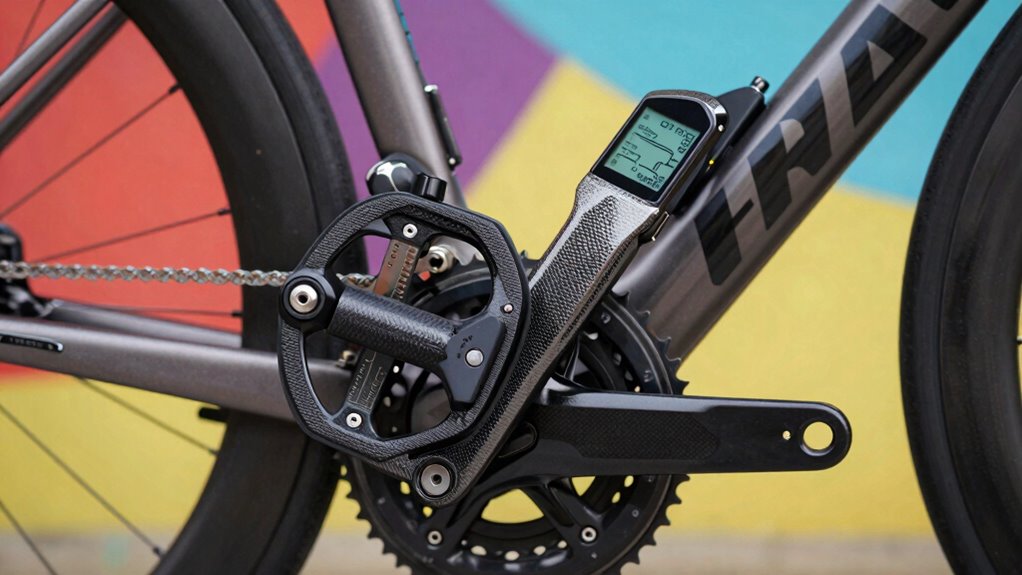

Power meter pedals make it easier to track cycling power across bikes, but the right choice depends on cleat compatibility, single- versus dual-sided measurement, and how much you value portability. My best overall pick is the Favero Assioma PRO RS-2, which pairs dual-sensing measurement with a road-focused design. The Favero Assioma PRO MX-2 stands out for off-road riders, while the Magene P715 models offer a strong feature set for riders comparing battery life and connection options. Single-sided pedals can keep setup simpler, but dual-sided designs measure each leg separately and may better suit riders who want left-right data. Read on for the full breakdown and guidance on matching a pedal to your bike, cleats, and training goals.

Get sports gear delivered free with Prime
- Fast, free delivery on millions of items
- Prime Video, Amazon Music and more included
- Member-only deals all year
Complete the kit


Key Takeaways
- The Favero Assioma PRO RS-2 is the strongest all-around road pick in this lineup because it combines dual-sensing measurement with a road-oriented pedal platform; the RS-1 is the simpler single-sensing alternative.
- Off-road buyers should focus on the PRO MX models or Garmin Rally XC110, since pedal and cleat compatibility matters more than road-pedal versatility for muddy, technical riding.
- Single-sided models reduce complexity, not just the amount of data. The Assioma UNO and PRO RS-1 suit riders who want power tracking without paying for or relying on separate left- and right-leg readings.
- The Magene P715 appears in several distinct configurations. Check whether a listing is single- or dual-sensing and whether it uses KEO or SPD-SL cleats; similar names do not mean identical fit.
- Garmin Rally models offer a recognizable ecosystem route, while Favero and Magene broaden the comparison. Buyers should weigh bike transfers, app and head-unit compatibility, and their existing cleats rather than choosing by brand name alone.
| Favero Assioma PRO MX-1 Single Sided Power Meter Pedals |  | Best for Gravel and Off-Road Training | Brand: Favero Electronics Srl | Model number: 773-10-01 | Measurement: Single-sided | VIEW ON AMAZON | See Our Full Breakdown |
| Favero Assioma PRO MX-2 Dual Sided Power Meter Pedals |  | Best for Off-Road Left-Right Analysis | Brand: FAVERO | Model number: 773-10-02 | Measurement: Dual-sided, independent left and right | VIEW ON AMAZON | See Our Full Breakdown |
| Favero Assioma Uno Power Meter Pedal |  | Best for Road Riders Starting with Power | Brand: FAVERO | Measurement: Single-sided | Accuracy: ±1% | VIEW ON AMAZON | See Our Full Breakdown |
| Magene P715 Power Meter Pedals – ±1% Accuracy, 120h Battery, ANT+ & Bluetooth Compatibility |  | Best for Long Training Blocks | Measurement accuracy: ±1% | Weight: 157 g per pedal | Battery life: Up to 120 hours | VIEW ON AMAZON | See Our Full Breakdown |
| Favero Assioma Duo Power Meter Pedal |  | Best Dual-Sided Road Pick | Measurement: Dual-sided | Accuracy: ±1% | Battery life: Up to 50 hours | VIEW ON AMAZON | See Our Full Breakdown |
| Favero Assioma PRO MX-2 Dual-Sensing Pedal-Based Cycling Power Meter |  | Best for Off-Road Versatility | Compatibility: SPD, MTB, gravel, and road | Measurement accuracy: ±1% | Sensing: Dual-sensing with gyroscope | VIEW ON AMAZON | See Our Full Breakdown |
| Garmin Rally XC110 Single-Sensing Power Meter, Shimano SPD |  | Best for Straightforward SPD Trail Training | Model number: 010-02875-21 | Sensing: Single-sensing | Cleat compatibility: Shimano SPD | VIEW ON AMAZON | See Our Full Breakdown |
| Magene P715 Dual-Sensing Side Power Meter Cycling Pedals, Silver, ±1% Accuracy, KEO Compatible, 120h Battery Life, Bluetooth & ANT+ |  | Best for KEO Road Riders Seeking Dual-Sided Data | Bike type: Road bike | Compatibility: KEO | Measurement: Dual-sided | VIEW ON AMAZON | See Our Full Breakdown |
| Favero Assioma UNO Single-Sensing Pedal-Based Road Cycling Power Meter |  | Best for Simple Road Power Training | Power measurement: Single-sided, left pedal | Accuracy: ±1% | Battery life: 50+ hours | VIEW ON AMAZON | See Our Full Breakdown |
| Magene P715 Power Meter Pedals – ±1% Precision, 120h Battery Life, ANT+ & Bluetooth Compatibility |  | Best for Long Training Blocks Between Charges | Measurement accuracy: ±1% | Weight: 157 g per pedal | Battery life: 120 hours | VIEW ON AMAZON | See Our Full Breakdown |
| Magene P715 Dual-Sensing Side Power Meter Cycling Pedals, Silver, ±1% Accuracy, SPD-SL Compatible, 120h Battery Life, Bluetooth & ANT+ |  | Best Long-Battery-Life Value | Accuracy: ±1% | Compatibility: SPD-SL | Battery life: 120 hours | VIEW ON AMAZON | See Our Full Breakdown |
| Favero Assioma Duo Dual-Sensing Pedal-Based Road Cycling Power Meter |  | Best for Look Keo Riders | Power measurement: Dual-sided | Accuracy: ±1% precision | Cleat compatibility: Look Keo compatible | VIEW ON AMAZON | See Our Full Breakdown |
| Favero Assioma PRO RS-2 Dual-Sensing Pedal-Based Road Cycling Power Meter |  | Best Premium Dual-Sided Pick | Power measurement: Dual-sided | Accuracy: ±1% | Compatibility: SPD-SL; Shimano SM-SH10/11/12 | VIEW ON AMAZON | See Our Full Breakdown |
| Favero Assioma PRO RS-1 Single-Sensing Pedal-Based Road Cycling Power Meter |  | Best Single-Sided Upgrade Path | Power measurement: Single-sided, left pedal | Accuracy: ±1% | Compatibility: SPD-SL; Shimano SM-SH10/11/12 | VIEW ON AMAZON | See Our Full Breakdown |
| Garmin Rally RS210 Dual-Sensing Power Meter for Shimano SPD-SL | | Best for Garmin Cycling Dynamics | Power measurement: Dual sensing | Accuracy: ±1% | Compatibility: Shimano SPD-SL cleats | VIEW ON AMAZON | See Our Full Breakdown |
| power meter pedal | Connectivity | Battery life | Material | Accuracy |
|---|---|---|---|---|
| Favero Assioma PRO MX-1 Single | Bluetooth and ANT+ | — | Aluminum | — |
| Favero Assioma PRO MX-2 Dual S | Bluetooth and ANT+ | — | Aluminum and alloy steel | — |
| Favero Assioma Uno Power Meter | Bluetooth and ANT+ | — | — | ±1% |
| Magene P715 Power Meter Pedals | Bluetooth and ANT+ | Up to 120 hours | Aluminum | — |
| Favero Assioma Duo Power Meter | Bluetooth and ANT+ | Up to 50 hours | Titanium | ±1% |
| Favero Assioma PRO MX-2 Dual-S | Bluetooth and ANT+ | 160+ hours | Aluminum 6061-T6 | — |
| Garmin Rally XC110 Single-Sens | — | Up to 90 hours | — | — |
| Magene P715 Dual-Sensing Side | Bluetooth and ANT+ | 120 hours | Alloy steel and carbon fiber | ±1% |
| Favero Assioma UNO Single-Sens | Bluetooth and ANT+ | 50+ hours | — | ±1% |
| Magene P715 Power Meter Pedals | ANT+ and Bluetooth | 120 hours | Alloy steel, aluminum, and carbon fiber | — |
| Magene P715 Dual-Sensing Side | Bluetooth and ANT+ | 120 hours | Alloy steel, aluminum, and carbon fiber | ±1% |
| Favero Assioma Duo Dual-Sensin | Bluetooth and ANT+ | 50+ hours | — | ±1% precision |
| Favero Assioma PRO RS-2 Dual-S | Bluetooth and ANT+ | 160+ hours | — | ±1% |
| Favero Assioma PRO RS-1 Single | Bluetooth and ANT+ | 160+ hours | — | ±1% |
| Garmin Rally RS210 Dual-Sensin | — | Up to 90 hours | Carbon | ±1% |
More Details on Our Top Picks
Favero Assioma PRO MX-1 Single Sided Power Meter Pedals
The Assioma PRO MX-1 is the off-road option here for riders who want pedal-based power without paying for independent readings from both legs. Its single-sided measurement estimates total power from one side, which can be enough for tracking training trends, but it cannot show left-right balance like the PRO MX-2 or road-focused Assioma DUO. Bluetooth and ANT+ make it compatible with a range of computers and training apps, while its aluminum construction suits regular riding. The central tradeoff is data depth: I’d choose the MX-1 for straightforward power monitoring on gravel or mountain rides, not for diagnosing leg imbalances. The supplied product data lists a road-bike type despite the MX name, so buyers should check cleat and bike compatibility before choosing it for an off-road setup.
Pros:- Bluetooth and ANT+ support connection to compatible computers and training apps.
- Single-sided power measurement provides a simpler route to tracking training output.
- Aluminum construction is intended for durable riding use.
- Pedal-based measurement can be moved between compatible bikes.
Cons:- Single-sided readings do not provide independent left- and right-leg power.
- Full functionality depends on a compatible cycling computer or app.
- Listed bike type is road bike, so off-road compatibility should be verified before purchase.
Best for: Gravel and mountain riders who want basic pedal-based power data and do not need separate left- and right-leg readings.
Not ideal for: Riders who need left-right balance, or buyers who cannot confirm that the pedal and cleat system suits their bike.
- Brand:Favero Electronics Srl
- Model number:773-10-01
- Measurement:Single-sided
- Material:Aluminum
- Connectivity:Bluetooth and ANT+
- Listed bike type:Road bike
- Color:Black
Our verdict“Choose the PRO MX-1 if you want a simpler power setup for off-road training; pick the PRO MX-2 if you need independent readings from both legs.”
Favero Assioma PRO MX-2 Dual Sided Power Meter Pedals
For riders who want to see what each leg contributes on gravel, cyclocross, or mountain rides, the Assioma PRO MX-2 is the most data-focused off-road choice in this group. Its independent left- and right-leg readings give it an advantage over the single-sided PRO MX-1, which estimates total power from one side. Bluetooth and ANT+ support connection to compatible training devices, and the aluminum-and-alloy-steel construction is suited to regular use. That extra detail comes with a higher-cost commitment, and it only helps if your computer or app can display the information you want. Compared with the road-specific Assioma DUO, the MX-2 is the more fitting pick for mixed-surface riders, while road cyclists may prefer a pedal matched to their usual setup.
Pros:- Independent left- and right-leg readings show more than single-sided models.
- Bluetooth and ANT+ support compatible computers and apps.
- Aluminum and alloy-steel construction is built for regular riding.
- Listed for cyclocross, gravel, and mountain bikes.
Cons:- Dual-sided measurement is an unnecessary expense for riders who only track total power.
- A compatible computer or app is needed to access the data.
- The product description identifies a premium-price barrier.
Best for: Gravel, cyclocross, and mountain riders who want separate left- and right-leg power data for training analysis.
Not ideal for: Road-only riders who do not need off-road-oriented pedals, or budget-conscious cyclists who only need total power.
- Brand:FAVERO
- Model number:773-10-02
- Measurement:Dual-sided, independent left and right
- Material:Aluminum and alloy steel
- Connectivity:Bluetooth and ANT+
- Listed bike types:Cyclocross, gravel, and mountain
- Color:Black
Our verdict“Pick the PRO MX-2 for off-road riding when separate leg data matters; choose the PRO MX-1 if total power is enough.”
Favero Assioma Uno Power Meter Pedal
The Assioma UNO is a road-focused entry point for riders who want more than a basic power number but do not need dual-sided hardware. Its built-in cadence sensor and gyroscope support the listed IAV Power Phase and Rider Position metrics, giving compatible devices additional information about pedaling. The product specifies ±1% accuracy and Bluetooth and ANT+ connectivity, while its 9/16-inch thread is a familiar fit for many road-bike setups. Unlike the Assioma DUO, the UNO does not provide independent power readings from both legs, so its appeal is strongest for riders tracking output and technique without left-right analysis. It is also limited to road bikes according to the listing; off-road riders should look at the PRO MX models instead.
Pros:- Specified power accuracy of ±1%.
- Built-in cadence sensor and gyroscope support additional pedaling metrics.
- Bluetooth and ANT+ connectivity support compatible devices.
- 9/16-inch thread fits the listed road-bike application.
Cons:- Single-pedal measurement does not provide independent left- and right-leg power.
- Listed as a road-bike product, limiting its fit for off-road riders.
- Advanced metrics require compatible cycling devices.
Best for: Road cyclists who want cadence and advanced pedaling metrics alongside power, but do not need dual-sided measurement.
Not ideal for: Gravel and mountain riders, or road cyclists who need independent left- and right-leg data.
- Brand:FAVERO
- Measurement:Single-sided
- Accuracy:±1%
- Sensors:Cadence sensor and gyroscope
- Connectivity:Bluetooth and ANT+
- Thread size:9/16 inch
- Weight:0.31 kg
- Bike type:Road bike
Our verdict“Choose the Assioma UNO if you ride on the road and want power plus pedaling metrics without paying for separate readings from both legs.”
Magene P715 Power Meter Pedals – ±1% Accuracy, 120h Battery, ANT+ & Bluetooth Compatibility
The Magene P715 stands out for riders who want less frequent charging: its listed 120-hour battery life exceeds the 50-hour figure given for the Favero Assioma DUO. It also specifies ±1% accuracy, IPX7 waterproofing, and Bluetooth and ANT+ connectivity, making it a practical choice for regular road training in varied weather. At 157 g per pedal, it is a clearly stated weight, though buyers comparing pedal systems should check whether that figure suits their priorities. The listing describes this as a road-bike model and does not say whether measurement is single- or dual-sided, so I would verify that detail before buying if left-right data matters. Compared with the Favero road options, the P715’s clearest differentiator is battery life, not a stated advantage in measurement depth.
Pros:- Listed battery life of up to 120 hours reduces charging frequency.
- Specifies ±1% power accuracy.
- IPX7 waterproof rating is suited to wet-weather riding.
- Bluetooth and ANT+ support compatible cycling devices.
Cons:- Listed for road bikes, so it may not suit gravel or mountain setups.
- The supplied product data does not specify whether measurement is single- or dual-sided.
- Requires initial setup before use.
Best for: Road cyclists who train frequently and value longer intervals between charges, weather protection, and standard wireless connections.
Not ideal for: Off-road riders, or buyers who require confirmed dual-sided measurement and cannot verify the sensing configuration.
- Measurement accuracy:±1%
- Weight:157 g per pedal
- Battery life:Up to 120 hours
- Connectivity:Bluetooth and ANT+
- Material:Aluminum
- Bike type:Road bike
Our verdict“Choose the P715 if long battery life is your priority, but confirm its sensing configuration if you need left-right power data.”
Favero Assioma Duo Power Meter Pedal
The Favero Assioma DUO suits road riders who want independent power readings from both legs rather than an estimate based on one side. The listing specifies ±1% precision, a built-in cadence sensor and gyroscope, and Bluetooth and ANT+ connectivity. Its rechargeable battery runs up to 50 hours, a shorter stated interval than the Magene P715 and its 120-hour claim, but the DUO’s selling point is dual-sided measurement rather than charging endurance. Compared with the road-focused single-sided Assioma UNO, the DUO can reveal left-right balance, which is useful for riders who will act on that information. The tradeoff is a more involved purchase than a basic power setup, and compatible devices are needed to make full use of its data.
Pros:- Dual-sided measurement provides separate left- and right-leg data.
- Specified ±1% power precision.
- Built-in cadence sensor and gyroscope support additional ride metrics.
- Bluetooth and ANT+ connect to compatible devices.
Cons:- Listed battery life of up to 50 hours is shorter than the Magene P715’s stated 120 hours.
- Dual-sided data may be unnecessary for riders tracking only total power.
- Full functionality depends on compatible cycling devices.
Best for: Road cyclists who want dual-sided power and left-right balance, plus cadence and technique-related metrics.
Not ideal for: Riders who only need total power, prioritize long battery intervals, or lack a compatible device for reading the data.
- Measurement:Dual-sided
- Accuracy:±1%
- Battery life:Up to 50 hours
- Connectivity:Bluetooth and ANT+
- Material:Titanium
- Thread size:9/16 inch
- Weight:0.29 kg
- Bike type:Road bike
Our verdict“Choose the Assioma DUO if left-right power analysis matters more to your road training than the P715’s longer stated battery life.”
Favero Assioma PRO MX-2 Dual-Sensing Pedal-Based Cycling Power Meter
I’d pick the Assioma PRO MX-2 for riders who split their training between gravel, mountain biking, and road setups. Its dual-sided sensing gives a fuller picture of left-right power than the single-sided Garmin Rally XC110, while the modular design makes changing pedal setups more practical than committing to one dedicated off-road system. Bluetooth and ANT+ support a wide range of head units and training apps, and the stated 160+ hours of rechargeable battery life means fewer charging interruptions than the Magene P715’s 120-hour claim. The tradeoff is that the initial setup and device pairing take more effort than a simple pedal swap, and the product data does not state its weight. Riders who stay on Shimano SPD-equipped trails may find the Rally XC110 a more straightforward alternative.
Pros:- Dual-sided sensing provides more complete power data than a single-sensing pedal.
- Modular design supports switching between road and MTB setups.
- More than 160 hours of battery life reduces charging frequency.
- Aluminum 6061-T6 construction is designed for durability in off-road use.
Cons:- Initial setup and device pairing may take more work than a basic pedal installation.
- Product data does not specify weight, which may matter to weight-conscious riders.
Best for: Gravel and mountain-bike riders who want dual-sided power data and a modular option for switching between off-road and road riding.
Not ideal for: Riders who want a simple, single-purpose pedal setup or need a published weight before choosing their equipment.
- Compatibility:SPD, MTB, gravel, and road
- Measurement accuracy:±1%
- Sensing:Dual-sensing with gyroscope
- Material:Aluminum 6061-T6
- Battery life:160+ hours
- Rechargeable:Yes
- Connectivity:Bluetooth and ANT+
- Included:Pedals, SPD cleats, magnetic chargers, USB-C cable, washers, greasing tools, and cleaning cloth
Our verdict“Choose the PRO MX-2 if you want dual-sided power and the flexibility to move between gravel, MTB, and road setups.”
Garmin Rally XC110 Single-Sensing Power Meter, Shimano SPD
The Garmin Rally XC110 suits off-road riders who want a single-sensing power meter built around Shimano SPD cleats. Its strain gauge and gyroscope provide power and cadence data, while Garmin’s Pedal IQ smart calibration is intended to simplify calibration during riding. Compared with the dual-sided Favero Assioma PRO MX-2, the XC110 is the simpler choice, but it cannot provide the same left-right measurement detail; the description notes that dual sensing requires an upgrade. Its all-metal pedal bodies are a practical match for trail use, and up to 90 hours of rechargeable ride time exceeds the Favero Assioma UNO’s stated 50+ hours. The main constraints are its SPD-specific fit and single-sensing design, so riders seeking broader pedal compatibility or bilateral data should look elsewhere.
Pros:- Pedal IQ smart calibration is designed to simplify calibration while riding.
- All-metal pedal bodies suit off-road use.
- Up to 90 hours of rechargeable ride time.
- Single-sensing design offers a simpler entry into power-based training than a dual-sided system.
Cons:- Single-sensing configuration does not provide the left-right data of the Favero Assioma PRO MX-2.
- Compatibility is limited to Shimano SPD cleats.
- Dual sensing requires an upgrade, according to the product description.
Best for: Mountain bikers and gravel riders already using Shimano SPD cleats who want power and cadence data with smart calibration.
Not ideal for: Cyclists who need dual-sided measurements, use a different cleat system, or want a pedal they can move between road and off-road standards.
- Model number:010-02875-21
- Sensing:Single-sensing
- Cleat compatibility:Shimano SPD
- Sensor:Strain gauge and gyroscope
- Battery life:Up to 90 hours
- Calibration:Pedal IQ smart calibration
- Rechargeable:Yes
- Pedal body:All-metal
Our verdict“Choose the Rally XC110 if you ride Shimano SPD off-road and prefer a focused single-sensing setup over the PRO MX-2’s dual-sided data.”
Magene P715 Dual-Sensing Side Power Meter Cycling Pedals, Silver, ±1% Accuracy, KEO Compatible, 120h Battery Life, Bluetooth & ANT+
For a road rider already committed to KEO-compatible equipment, this Magene P715 offers dual-sided measurement without the SPD focus of the Favero Assioma PRO MX-2. Its stated ±1% accuracy and Bluetooth and ANT+ connectivity support structured training with compatible devices, while the 120-hour battery claim sits between the PRO MX-2’s 160+ hours and the Favero Assioma UNO’s 50+ hours. The product description also claims one-minute installation, which may appeal to riders who move pedals between bikes. That speed and convenience come with a narrow fit: this version is listed for KEO systems and road bikes, not MTB or gravel SPD use. At 315 g, it is also a concrete choice for riders weighing pedal mass against the broader off-road flexibility of the Favero.
Pros:- Dual-sided power measurement offers more detail than the single-sided Favero Assioma UNO.
- ±1% stated measurement accuracy.
- Bluetooth and ANT+ support broad device connectivity.
- 120-hour battery life and claimed one-minute installation suit regular training.
Cons:- Compatibility is limited to KEO systems and road bikes.
- Listed weight is 315 g, which may not suit riders prioritizing lighter pedals.
- Less suited to off-road use than the SPD-compatible Favero Assioma PRO MX-2.
Best for: Road cyclists using KEO-compatible cleats who want dual-sided power measurement and quick installation.
Not ideal for: Gravel and mountain-bike riders, or cyclists using Shimano SPD or other non-KEO pedal systems.
- Bike type:Road bike
- Compatibility:KEO
- Measurement:Dual-sided
- Accuracy:±1%
- Weight:315 g
- Battery life:120 hours
- Connectivity:Bluetooth and ANT+
- Material:Alloy steel and carbon fiber
- Color:Silver
Our verdict“Choose this P715 if your road bike uses KEO cleats and you want dual-sided data without moving to an SPD-oriented pedal.”
Favero Assioma UNO Single-Sensing Pedal-Based Road Cycling Power Meter
The Favero Assioma UNO is a sensible match for road cyclists who want accurate power data without paying in complexity for dual-sided measurement. It reads power from the left pedal only, so it can support routine training and pacing but provides less left-right detail than the Magene P715 dual-sensing pedals or Favero Assioma PRO MX-2. Favero lists ±1% accuracy, Bluetooth and ANT+ connectivity, and tool-free transfer between bikes, making it appealing for riders who share equipment or switch road bikes. Its 50+ hours of battery life is shorter than the Garmin Rally XC110’s up-to-90-hour claim and the P715’s 120 hours. Waterproofing and shock resistance add reassurance for varied conditions, but buyers should confirm cleat fit before choosing.
Pros:- ±1% stated accuracy supports consistent power-based training.
- Bluetooth and ANT+ connect with compatible cycling devices.
- Tool-free transfer makes moving it between bikes convenient.
- Waterproof and shock-resistant construction supports varied riding conditions.
Cons:- Left-pedal-only measurement provides less detail than dual-sided options such as the Magene P715.
- 50+ hours of battery life is below the stated duration of the Rally XC110 and P715.
- Cleat compatibility should be checked before purchase.
Best for: Road cyclists who want a transferable, single-sided pedal power meter for training and pacing across compatible bikes.
Not ideal for: Riders who need left-right power analysis, longer battery intervals, or compatibility with a specific cleat system that does not fit their setup.
- Power measurement:Single-sided, left pedal
- Accuracy:±1%
- Battery life:50+ hours
- Rechargeable:Yes
- Connectivity:Bluetooth and ANT+
- Temperature range:-10°C to 60°C
- Waterproof:Yes
- Weight:Lightweight and compact; exact weight not specified
Our verdict“Choose the Assioma UNO if you want a straightforward, transferable road power meter and do not need dual-sided analysis.”
Magene P715 Power Meter Pedals – ±1% Precision, 120h Battery Life, ANT+ & Bluetooth Compatibility
This Magene P715 is a road-focused pick for cyclists who value long battery intervals and broad device connectivity. It claims 120 hours per charge, exceeding the Favero Assioma UNO’s 50+ hours, and supports both ANT+ and Bluetooth for pairing with compatible head units and apps. The stated ±1% precision and one-minute installation make it appealing for riders who want to add power data without a lengthy fitting process. Its IPX7 waterproof rating adds protection for wet-weather riding. The listing does not specify whether this model measures one or both legs, so buyers wanting confirmed dual-sided data should compare it carefully with the explicitly dual-sensing P715 version. At 157 g per pedal, it is also heavier than some riders may prefer, and its stated bike type is road.
Pros:- 120-hour stated battery life reduces charging frequency compared with the Favero Assioma UNO.
- ANT+ and Bluetooth support compatible cycling computers and apps.
- IPX7 waterproof rating suits wet-weather riding.
- Claimed one-minute installation simplifies setup.
Cons:- The supplied product data does not specify whether measurement is single- or dual-sided.
- At 157 g per pedal, it may not suit riders focused on reducing pedal weight.
- Listed for road bikes, limiting its fit for off-road-focused riders.
Best for: Road cyclists who prioritize long battery life, quick installation, and ANT+ and Bluetooth connectivity.
Not ideal for: Riders who need confirmed dual-sided measurement, want a lower pedal weight, or plan to use an MTB or gravel-specific setup.
- Measurement accuracy:±1%
- Weight:157 g per pedal
- Battery life:120 hours
- Connectivity:ANT+ and Bluetooth
- Bike type:Road bike
- Installation:Claimed one-minute installation
- Material:Alloy steel, aluminum, and carbon fiber
- Warranty:2 years
Our verdict“Choose this P715 if you ride on the road and prioritize long battery life, but verify sensing configuration if dual-sided data matters to you.”
Magene P715 Dual-Sensing Side Power Meter Cycling Pedals, Silver, ±1% Accuracy, SPD-SL Compatible, 120h Battery Life, Bluetooth & ANT+
The Magene P715 is a practical pick for road riders who want dual-sided power data without charging after every handful of rides. Its stated 120-hour battery life is longer than the 50-plus hours listed for the Favero Assioma Duo, while both offer ±1% accuracy and Bluetooth and ANT+ connectivity. That extra runtime suits riders who train frequently or dislike adding another regular charging task. Installation is described as quick, and the SPD-SL fit keeps the choice straightforward for riders already using that road-cleat system. The tradeoff is compatibility: unlike the modular Favero Assioma PRO RS-2, this model is specified only for SPD-SL, so it is a poor match for riders wanting broader pedal-system flexibility. Its 318 g weight may also put weight-conscious riders off.
Pros:- Dual-sided power measurement provides left/right data.
- Stated 120-hour battery life reduces charging frequency.
- Bluetooth and ANT+ support a range of compatible cycling devices.
- Quick installation is useful for riders fitting pedals themselves.
Cons:- Compatibility is limited to SPD-SL systems.
- At 318 g, the listed weight may be high for weight-conscious riders.
Best for: Road cyclists using SPD-SL cleats who want dual-sided measurements and long intervals between charges.
Not ideal for: Riders using Look Keo or off-road pedal systems, or weight-focused road cyclists who prioritize lighter pedals.
- Accuracy:±1%
- Compatibility:SPD-SL
- Battery life:120 hours
- Connectivity:Bluetooth and ANT+
- Weight:318 g
- Material:Alloy steel, aluminum, and carbon fiber
- Bike type:Road bike
Our verdict“Choose the Magene P715 if you want dual-sided SPD-SL power measurement with longer stated battery life than the Favero Assioma Duo.”
Favero Assioma Duo Dual-Sensing Pedal-Based Road Cycling Power Meter
The Favero Assioma Duo is the cleat-specific alternative for road cyclists who want dual-sided data and use Look Keo-compatible cleats. Its stated ±1% precision, automatic temperature compensation, and Bluetooth and ANT+ connectivity make it a strong fit for structured training across compatible devices. The waterproof, shock-resistant design also speaks to riders who train in varied conditions rather than keeping the bike indoors. Compared with the SPD-SL-only Magene P715, the Assioma Duo serves a different cleat setup, not a universally broader audience. Its main compromise is 50-plus hours of battery life, shorter than the Magene’s stated 120 hours and the PRO RS-2’s 160-plus hours. It also needs periodic charging and is aimed at road use, so it is not the pick for riders seeking a cross-discipline pedal setup.
Pros:- Dual-sided measurement with stated ±1% precision.
- Automatic temperature compensation supports consistent readings as conditions change.
- Waterproof and shock-resistant design suits varied riding conditions.
- Bluetooth and ANT+ connectivity supports compatible head units and phones.
Cons:- Battery life is listed at 50-plus hours, below the Magene P715 and Favero PRO RS-2 figures.
- Requires compatible Look Keo cleats.
- Road-focused design does not serve riders seeking an off-road pedal option.
Best for: Road cyclists using Look Keo-compatible cleats who want dual-sided power and weather-resistant construction.
Not ideal for: SPD-SL riders or cyclists who want the longest charging interval; the listed cleat compatibility and 50-plus-hour runtime may not suit them.
- Power measurement:Dual-sided
- Accuracy:±1% precision
- Cleat compatibility:Look Keo compatible
- Battery life:50+ hours
- Rechargeable:Yes
- Connectivity:Bluetooth and ANT+
- Waterproof:Yes
Our verdict“Pick the Assioma Duo if your road setup uses Look Keo-compatible cleats and you value dual-sided data over longer battery life.”
Favero Assioma PRO RS-2 Dual-Sensing Pedal-Based Road Cycling Power Meter
The Favero Assioma PRO RS-2 earns its premium role through a combination of dual-sided measurement, 160-plus hours of battery life, and a modular design made for swapping between bikes or compatible setups. It gives riders more charging headroom than the Magene P715’s 120 hours and the Garmin Rally RS210’s up-to-90-hour figure, while retaining stated ±1% accuracy. SPD-SL compatibility, including Shimano SM-SH10/11/12, makes the fit clear for riders already invested in that system. The modular format is useful if one power meter needs to serve more than one bike, though buyers should check their intended setup before counting on cross-discipline swaps. Unlike the RS-1, this is a dual-sensing model; that extra measurement capability suits riders tracking left/right contribution. The tradeoff is a higher price point and dependence on a compatible computer or smartphone for full functionality.
Pros:- Dual-sided sensing provides left/right power data.
- Listed battery life exceeds 160 hours.
- Modular design supports transferring the system between compatible setups.
- Bluetooth and ANT+ connectivity and stated ±1% accuracy suit structured training.
Cons:- Higher price point may not make sense for occasional riders.
- Full functionality requires a compatible bike computer or smartphone.
- Riders need to verify compatibility for their intended bike and cleat setup.
Best for: Committed road cyclists who want dual-sided metrics, long battery life, and the option to move the pedals between compatible bikes.
Not ideal for: Casual riders who do not need dual-sided data, or anyone without a compatible cycling computer or smartphone for full use.
- Power measurement:Dual-sided
- Accuracy:±1%
- Compatibility:SPD-SL; Shimano SM-SH10/11/12
- Battery life:160+ hours
- Connectivity:Bluetooth and ANT+
- Design:Modular
- Included components:Pedals, cleats, magnetic chargers, USB-C cable, washers, greasing tools, and cleaning cloth
Our verdict“Choose the PRO RS-2 if you want dual-sided SPD-SL power data, long runtime, and a modular setup for more than one compatible bike.”
Favero Assioma PRO RS-1 Single-Sensing Pedal-Based Road Cycling Power Meter
The Favero Assioma PRO RS-1 is the single-sided choice for riders who want the PRO RS platform without starting with dual-sided sensing. Its left-pedal sensor measures power, cadence, and rider position, while 160-plus hours of battery life keeps charging less frequent than on the Assioma Duo. Bluetooth and ANT+ support connection to compatible devices, and its modular design makes it easier to transfer between compatible bikes. The key tradeoff is that a single-sided reading is less informative about left/right balance than the PRO RS-2 or Garmin Rally RS210, both of which use dual sensing. It also shares the RS-2’s SPD-SL compatibility, so riders using Look Keo cleats should look instead at the Assioma Duo. This makes the RS-1 a focused fit for riders who value runtime and modularity more than bilateral data.
Pros:- Listed battery life exceeds 160 hours.
- Modular design supports transferring the pedals between compatible bikes.
- Bluetooth and ANT+ connectivity.
- Tracks power, cadence, and rider position.
Cons:- Left-pedal-only sensing does not provide the same independent left/right data as the PRO RS-2.
- Requires SPD-SL-compatible cleats.
- Premium positioning may be hard to justify for riders with basic training needs.
Best for: Road cyclists using SPD-SL cleats who want a modular, long-running power meter and do not need independent left/right measurement.
Not ideal for: Riders working to compare left/right balance or using Look Keo-compatible cleats; the RS-2 offers dual sensing, while the Assioma Duo fits Look Keo.
- Power measurement:Single-sided, left pedal
- Accuracy:±1%
- Compatibility:SPD-SL; Shimano SM-SH10/11/12
- Battery life:160+ hours
- Rechargeable:Yes
- Connectivity:Bluetooth and ANT+
- Measurements:Power, cadence, and rider position
Our verdict“The RS-1 suits SPD-SL road riders who want long battery life and a modular system but can do without dual-sided measurement.”
Garmin Rally RS210 Dual-Sensing Power Meter for Shimano SPD-SL
The Garmin Rally RS210 is the dual-sensing pick for Shimano SPD-SL riders who want advanced cycling dynamics alongside power data. Its stated ±1% accuracy and Pedal IQ smart calibration set it apart from the Favero Assioma Duo, while carbon construction is listed as lightweight without a specific weight figure. Garmin also lists a useful quick-charge rate: 15 minutes provides 12 hours of ride time. That is a different convenience than the Magene P715’s longer total 120-hour battery claim; riders should weigh rapid top-ups against longer stretches between charges. The RS210 is limited to Shimano SPD-SL cleats and road riding, much like the SPD-SL options from Favero and Magene. Its advanced features may be unnecessary for casual cyclists, and the listed warranty is one year.
Pros:- Dual sensing supports left/right power data and advanced cycling dynamics.
- Pedal IQ smart calibration adds an automated calibration feature.
- A 15-minute charge is listed to provide 12 hours of ride time.
- Carbon construction is listed as lightweight.
Cons:- Requires Shimano SPD-SL cleats and is limited to road cycling.
- Up-to-90-hour battery life is shorter than the stated figures for the Magene P715 and Favero PRO RS-2.
- Advanced data and features may not justify the choice for casual riders.
Best for: Road cyclists on Shimano SPD-SL who want dual-sided power, cycling dynamics, and quick charging within the Garmin ecosystem.
Not ideal for: Casual riders seeking a basic power reading, cyclists using another cleat system, or riders who need an off-road pedal setup.
- Power measurement:Dual sensing
- Accuracy:±1%
- Compatibility:Shimano SPD-SL cleats
- Battery life:Up to 90 hours
- Charging:15 minutes for 12 hours of ride time
- Calibration:Pedal IQ smart calibration
- Material:Carbon
- Warranty:1-year limited warranty
Our verdict“Choose the Rally RS210 if you ride Shimano SPD-SL and want Garmin’s dual-sensing dynamics and quick-charge feature more than maximum battery life.”

How We Picked
I compared these power meter pedals by the factors that most affect ownership: sensing configuration, cleat and pedal-system fit, stated accuracy and battery details, wireless compatibility, and suitability for road or off-road riding. I also treated portability between bikes and day-to-day maintenance as meaningful buying factors, since pedal-based meters are attractive partly because they can move with the rider.
The ranking favors models with a clear role and a useful balance of measurement capability and compatibility. Dual-sensing options rank highly for riders who want separate leg data, while single-sensing models remain strong choices when straightforward power tracking matters more than left-right analysis. Variants that differ by cleat system or sensing setup are judged as separate choices, not interchangeable listings. Product names alone do not establish how a model fits a bike, so buyers should confirm the exact pedal and cleat configuration before purchasing.
| power meter pedal | Connectivity | Accuracy |
|---|---|---|
| Favero Assioma PRO MX-1 Single | Bluetooth and ANT+ | — |
| Favero Assioma PRO MX-2 Dual S | Bluetooth and ANT+ | — |
| Favero Assioma Uno Power Meter | Bluetooth and ANT+ | ±1% |
| Magene P715 Power Meter Pedals | Bluetooth and ANT+ | — |
| Favero Assioma Duo Power Meter | Bluetooth and ANT+ | ±1% |
| Favero Assioma PRO MX-2 Dual-S | Bluetooth and ANT+ | — |
| Garmin Rally XC110 Single-Sens | — | — |
| Magene P715 Dual-Sensing Side | Bluetooth and ANT+ | ±1% |
| Favero Assioma UNO Single-Sens | Bluetooth and ANT+ | ±1% |
| Magene P715 Power Meter Pedals | ANT+ and Bluetooth | — |
| Magene P715 Dual-Sensing Side | Bluetooth and ANT+ | ±1% |
| Favero Assioma Duo Dual-Sensin | Bluetooth and ANT+ | ±1% precision |
| Favero Assioma PRO RS-2 Dual-S | Bluetooth and ANT+ | ±1% |
| Favero Assioma PRO RS-1 Single | Bluetooth and ANT+ | ±1% |
| Garmin Rally RS210 Dual-Sensin | — | ±1% |
Factors to Consider When Choosing Power Meter Pedals
Choosing between these pedals is less about finding one universally best meter and more about avoiding a mismatch between the meter, your riding setup, and the data you will actually use. I would settle the fit and measurement questions before comparing secondary features.
Match the pedal system to your shoes and riding
Start with the cleats already attached to your shoes, then check the exact pedal variant rather than relying on a family name. Road systems such as KEO and SPD-SL are not interchangeable, and off-road SPD-style pedals serve different needs from road platforms. A mismatch can mean buying new cleats or shoes, adding cost and setup work that a spec comparison will not show. Riders who split time across road and trails may need separate pedal systems, even if one meter can move between bikes. Confirm cleat compatibility and pedal clearance for every bike you plan to use.
Choose single- or dual-sided data for a reason
Single-sided meters capture power from one side and typically estimate total output, which can be enough for training zones and pacing. Dual-sided models measure both legs independently, giving access to left-right balance and a more direct view of each side’s contribution. That extra data is useful only if you plan to review it; it does not automatically make training more effective. A common mistake is paying for separate leg readings while ignoring basic fit, compatibility, or consistent training habits. If your main goal is reliable total-power tracking, a single-sided option may be the more sensible match.
Think through how often you will move the pedals
Pedal-based meters can be convenient when one power meter needs to serve more than one bicycle. That advantage depends on how willing you are to remove and reinstall pedals and whether your bikes use compatible crank threads, shoe cleats, and setup requirements. Frequent swaps make portability more valuable; a meter that stays on one dedicated bike may not need to justify that feature. Check whether your chosen head unit can pair with the pedal and whether your training app reads the data you want. Plan for setup checks after moving pedals rather than assuming every bike will give identical readings without attention.
Interpret accuracy and battery claims in context
Published accuracy figures help compare products, but they do not remove the need for correct installation, calibration procedures, and consistent operating conditions. Battery life matters most when long rides, frequent training, or limited charging access make interruptions inconvenient. A longer stated runtime can be a practical benefit, but confirm how the manufacturer describes charging, battery replacement, and low-power alerts for the exact model. Do not treat a headline specification as a guarantee of identical results in every ride or environment. Prioritize a clear maintenance routine and dependable pairing alongside the numbers.
Pay for features you will use, not just the highest tier
Dual sensing, broader platform compatibility, and extra data options can justify a higher-tier pedal when they solve a real need. They are less persuasive if you only want to pace steady rides or follow power-based intervals. Consider whether you will use left-right analysis, move the pedals among bikes, or need a specific road or off-road platform before paying for additional capability. Also account for cleats and any changes to your current setup when comparing overall ownership effort. A simpler model can be the better training tool if it gets used consistently and supplies the data your plan requires.
Frequently Asked Questions
Will these power meter pedals work with my existing cycling computer?
Many models in this roundup list ANT+ and Bluetooth connectivity, but you should confirm the exact protocol supported by both the pedal and your computer. Check whether your device can display the power fields you want, not merely pair with a power source. Some riders also record to a phone or training app, which makes Bluetooth support useful. If you rely on a particular head unit, look up its power-meter pairing instructions before choosing. Pairing compatibility is a better check than assuming devices from familiar brands will automatically work together.
Is a dual-sided power meter worth choosing over a single-sided one?
Dual-sided pedals are worth considering if you want separate left- and right-leg readings or expect to use that information in training. For pacing, interval targets, and general power tracking, single-sided models may provide the data you need with a simpler feature set. Left-right balance can vary with fatigue, terrain, and riding position, so one reading should not be treated as a diagnosis. Decide in advance how you would act on the extra data. If you have no plan to use it, the single-sided option may be the more practical fit.
Can I move a pedal-based power meter between road and mountain bikes?
Often, pedal-based meters are easier to transfer than crank-based systems, but the move is not automatically plug-and-play. The destination bike must accept the pedal spindle, and your shoes and cleats must suit that pedal platform. Road and mountain-bike pedal systems commonly differ, so a road model may not replace an SPD-style off-road pedal for your usual shoes or terrain. You may also need to repeat setup or calibration steps after a swap. Check each bike and your cleats before treating one pair as a solution for every ride.
Should I choose a road pedal or an off-road pedal for mixed riding?
Choose based on the rides and shoes you use most, not on the assumption that one platform will serve every discipline equally well. Road-focused options in this lineup include the Assioma PRO RS and Garmin Rally RS210, while the PRO MX and Rally XC110 are aimed at off-road pedal systems. A gravel rider who uses SPD-style shoes may value the off-road format even on smoother routes. Riders who alternate between road and mountain bikes may prefer separate pedal setups or need to accept a cleat compromise. Confirm the precise cleat standard for each model before ordering.
What should I verify before buying a Magene P715 listing?
Check three details: whether the listing is single- or dual-sensing, which cleat system it uses, and whether the stated battery and wireless specifications apply to that exact version. This roundup includes P715 variants associated with KEO and SPD-SL compatibility, so the product-family name alone is not enough to identify fit. Similar listing titles can describe different configurations, which may change both your data and your shoe compatibility. Compare the full model description against your current cleats and training setup. If a detail is unclear, confirm it with the seller or manufacturer before buying.
Conclusion
For most road riders who want separate left- and right-leg readings, I would start with the Favero Assioma PRO RS-2 as best overall; the Garmin Rally RS210 is the premium-oriented alternative for riders committed to its SPD-SL setup and ecosystem. For value-minded buyers, the Magene P715 deserves a close look, provided the exact sensing and cleat version matches their needs. Newer power-meter buyers who want a simpler route can choose a single-sided option such as the Favero Assioma UNO or PRO RS-1 rather than paying for data they may not use. For off-road riding, compare the Favero Assioma PRO MX-2 with the Garmin Rally XC110 by cleat fit and sensing configuration; choose the MX-1 when single-sided off-road measurement is enough. My final check would be the pedal system, followed by sensing needs and device compatibility, since those choices matter more than selecting a model with features that do not fit your riding.