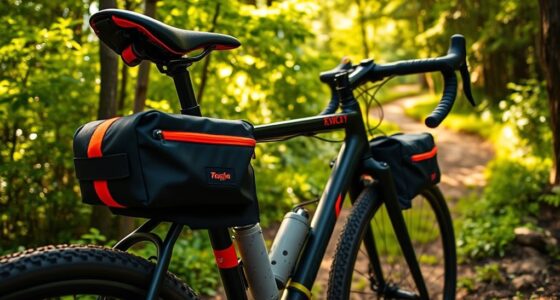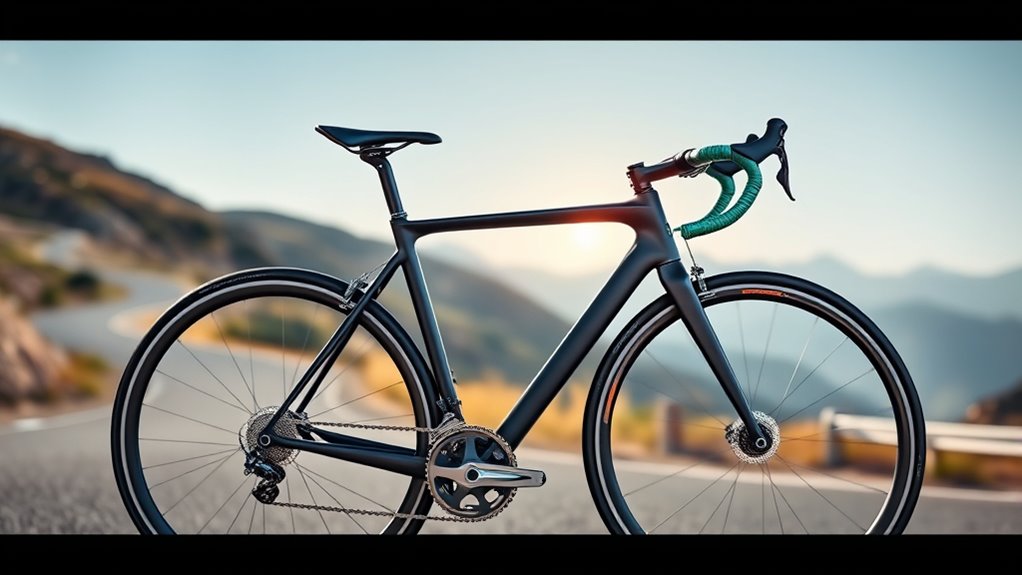

Among these premium road bikes, I’d put the SAVADECK R9 Di2 at the top for riders who want a high-end electronic groupset and a carbon race-bike focus. The Canyon Roadlite CF 8 stands out as a different kind of pick for riders who value an adaptable carbon platform, while the SAVADECK carbon bike with Shimano 105 R7120 pairs hydraulic disc brakes with a more attainable mechanical setup. The main tradeoffs are electronic versus mechanical shifting, race-focused geometry versus everyday comfort, and carbon performance versus easier ownership. A premium label alone does not settle fit, component quality, or riding purpose. Read on for the full comparison and guidance on choosing the right bike for your roads and priorities.

Get sports gear delivered free with Prime
- Fast, free delivery on millions of items
- Prime Video, Amazon Music and more included
- Member-only deals all year
Complete the kit


Key Takeaways
- The SAVADECK R9 Di2 leads on listed groupset specification: its Shimano R9270 Di2 setup gives it a clear electronic-shifting distinction from the many mechanical Shimano 105 options.
- Several SAVADECK models share similar headline specs: compare exact frame, wheel, brake, and groupset details rather than assuming every carbon 105 bike is interchangeable.
- Carbon does not automatically mean race-ready: the Tommaso aluminum bikes offer a different ownership proposition, while the SAVADECK gravel model’s 40 mm tires suit rougher routes better than narrow-tire road racing.
- Hydraulic disc brakes recur across the 105-equipped picks: they are useful for control in wet conditions and on descents, but buyers should also plan for brake servicing and confirm rotor and pad availability.
- There is a meaningful component step between entry-level and higher-spec choices: Shimano Sora and Claris models can make sense for developing riders, while Tiagra, 105, and Di2 target progressively different priorities.


| premium road bike | Frame material | Speeds | Groupset | Brakes |
|---|---|---|---|---|
| SAVADECK R9 Di2 Full Carbon Ro | Carbon fiber | 24 | Shimano R9270 Di2 | Hydraulic disc |
| Tommaso Forcella Sport Bike Al | Aluminum | — | — | — |
| SAVADECK Carbon Road Bike with | T800 carbon fiber | — | Shimano 105 R7120 | Hydraulic disc |
| SAVADECK Falcon SLR7 Full Carb | Carbon fiber | 24 | Shimano 105 Di2 R7170 | Hydraulic disc |
| SAVADECK Full Carbon Racing Bi | T800 carbon fiber | 24 | Shimano R7120 | Hydraulic disc |
| SAVADECK Carbon Road Bike 24-S | T1000 carbon fiber | 24 | Shimano 105 Di2 | Dual disc |
| Canyon Roadlite CF 8 | Carbon fiber | 22 | — | Hydraulic disc |
| SAVADECK Carbon Fiber Road Bik | Carbon fiber | 24 | — | Hydraulic disc |
| SAVADECK Carbon Gravel Bike | T800 carbon fiber | 20 | Shimano GRX400 | Hydraulic disc |
| SAVADECK Hawkeye SLR7S Carbon | Carbon fiber | 24 | Shimano 105 R7120 | Disc |
| Savadeck Carbon Disc Road Bike | Toray T800 carbon fiber | 18 | Shimano SORA R3000 | Bilateral oil disc brakes |
| SAVADECK Carbon Road Bike for | T800 carbon fiber | 18 | Shimano SORA | Conflicting listing details: title says double V-brake; feature data says disc brake |
| Tommaso Monza Sport Bike Alumi | Aluminum | 24 | Shimano Tiagra | — |
| SAVADECK Carbon Road Bike | Carbon fiber, T800 grade | 24 | Shimano 105 Di2 | — |
| SAVADECK A7L Carbon Road Bike | Carbon fiber, T800 | 24 | Shimano 105 R7100 | Hydraulic disc |
More Details on Our Top Picks
SAVADECK R9 Di2 Full Carbon Road Bike with Shimano R9270 Groupset
The R9 is the most race-oriented choice in this group, pairing a claimed 7.32 kg weight and aerodynamic carbon frame with Shimano’s R9270 Di2 electronic shifting. That low weight can make climbs and quick changes of pace feel less taxing, while hydraulic disc brakes offer controlled stopping on paved routes. Compared with the SAVADECK Falcon SLR7, the R9 is described with a higher-tier R9270 groupset, but the Falcon’s supplied details give a clearer account of its carbon components and near-ready setup. The R9’s main tradeoff is its specialized, high-performance focus: casual riders may not benefit much from the electronic drivetrain, and it still arrives needing assembly. I’d shortlist it for a competitive rider who values low weight and premium shifting over a simpler setup.
Pros:- Claimed 7.32 kg weight supports easier climbing and responsive handling.
- Shimano R9270 Di2 electronic shifting offers precise gear changes.
- Hydraulic disc brakes provide controlled stopping.
- Aerodynamic carbon frame is aimed at fast paved-road riding.
Cons:- High-end electronic components may be unnecessary for recreational riders.
- Arrives 90% pre-assembled and still requires assembly.
- The supplied size and fit information is limited to a 50 cm option.
Best for: Competitive road riders seeking a lightweight carbon bike with high-end electronic shifting for paved routes and climbing.
Not ideal for: Casual riders or first-time bike owners who want a lower-maintenance, less specialized setup and do not need electronic shifting.
- Bike type:Road bike
- Frame material:Carbon fiber
- Groupset:Shimano R9270 Di2
- Speeds:24
- Brakes:Hydraulic disc
- Weight:7.32 kg
- Wheel material:Carbon fiber
- Intended terrain:Paved roads
- Listed size:50 cm
Our verdict“Choose the R9 if you want the lineup’s most race-focused electronic-shifting package and are prepared to handle final assembly.”
Tommaso Forcella Sport Bike Aluminum Road Bike with Shimano Claris 24 Speeds
The Forcella is the practical starting point here: its aluminum frame and Shimano Claris 24-speed drivetrain offer a more straightforward road-bike package than the carbon SAVADECK models. A carbon fork adds some compliance at the front, which can help take the edge off rough pavement without moving to a full carbon frame. Compared with the SAVADECK Carbon Road Bike with Shimano 105 R7120, the Forcella gives up the lighter carbon construction and hydraulic brakes, but its simpler component level may suit riders still learning what they want from longer rides. It is described for climbing and distance riding, though no weight, wheel specification, or detailed fit range is provided. Professional assembly is required, so this is not a ready-to-ride purchase. I’d pick it for a new rider who wants familiar mechanical shifting rather than premium race components.
Pros:- Aluminum frame offers a durable alternative to the full-carbon bikes in this roundup.
- Shimano Claris 24-speed drivetrain provides a familiar mechanical setup.
- Carbon fork is intended to improve comfort compared with an all-aluminum front end.
- Designed for hilly routes as well as longer rides.
Cons:- Lacks the full-carbon construction and hydraulic disc brakes found on the SAVADECK 105 models.
- Professional assembly is required before riding.
- Product details do not specify bike weight or a clear fit range.
Best for: New road cyclists who want a durable aluminum bike with a carbon fork and a conventional Shimano drivetrain for paved rides.
Not ideal for: Experienced racers seeking a full-carbon frame, hydraulic disc brakes, or electronic shifting, or buyers unable to arrange professional assembly.
- Bike type:Road bike
- Frame material:Aluminum
- Fork:Carbon
- Drivetrain:Shimano Claris
- Gearing:24 speeds
- Wheels:Standard road bike wheels
- Assembly:Professional assembly required
Our verdict“Choose the Forcella if you are beginning road cycling and prefer a simpler aluminum-and-carbon-fork build over the pricier race-focused SAVADECK options.”
SAVADECK Carbon Road Bike with Shimano 105 R7120 Groupset and Hydraulic Disc Brakes
This SAVADECK is the balanced pick for riders who want a full-carbon road bike without moving up to the R9’s premium R9270 Di2 system. Its T800 carbon frame, Shimano 105 R7120 2×12 drivetrain, and hydraulic disc brakes create a capable package for fast road riding, while the listed Continental tires add a concrete component detail missing from some entries. At 8.8 kg, it is heavier than the R9’s claimed 7.32 kg, so riders prioritizing the lightest climbing setup may prefer that model. Against the aluminum Tommaso Forcella, this bike brings a carbon frame and hydraulic braking, but calls for more careful assembly and costs more according to the supplied description. Internal cable routing keeps the presentation tidy, though setup may demand technical skill. I’d choose it for a rider wanting a performance-oriented carbon platform with a familiar mechanical Shimano 105 group.
Pros:- T800 carbon frame keeps the build focused on performance.
- Shimano 105 R7120 2×12 drivetrain offers a broad range of mechanical gearing.
- Hydraulic disc brakes provide strong, controlled braking.
- Continental tires and internal cable routing are specified.
Cons:- At 8.8 kg, it is heavier than the R9’s stated 7.32 kg.
- Assembly may require technical skill.
- The description does not specify a color or detailed fit range.
Best for: Road cyclists seeking a full-carbon frame, mechanical Shimano 105 gearing, and hydraulic braking for training and fast paved rides.
Not ideal for: Riders who prioritize the lowest listed weight, want electronic shifting, or need a bike that requires little setup.
- Frame material:T800 carbon fiber
- Weight:8.8 kg (19.4 lb)
- Groupset:Shimano 105 R7120
- Drivetrain:2×12 speeds
- Brakes:Hydraulic disc
- Wheel and tire size:700 x 25C
- Tire brand:Continental
- Cable routing:Internal
Our verdict“Pick this model for a well-equipped carbon road bike with mechanical 105 shifting, unless minimizing weight or getting electronic gears is your main priority.”
SAVADECK Falcon SLR7 Full Carbon Fiber Lightweight Road Bike with Shimano 105 R7170 24-Speed Set and Hydraulic Disc Brakes
The Falcon SLR7 makes the strongest case for a lightweight carbon build paired with electronic shifting below the R9’s stated component tier. It is listed at 7.76 kg and uses Shimano 105 Di2 R7170, with carbon specified for the frame, fork, handlebar, rims, and seat post. That broader list of carbon parts helps explain its performance focus, while hydraulic disc brakes suit fast riding on paved roads. Compared with the R9, the Falcon uses the 105 Di2 group rather than R9270, but it is described as nearly assembled, which may make final setup less involved. The tradeoffs are limited: the supplied product details omit a complete size range and wheel dimensions, and some assembly and tuning remain. I’d favor it over the heavier 8.8 kg SAVADECK 105 R7120 when lower weight and electronic shifting matter most.
Pros:- Listed weight of 7.76 kg is below the 8.8 kg SAVADECK R7120 models.
- Shimano 105 Di2 R7170 provides electronic shifting.
- Carbon construction includes frame, fork, handlebar, rims, and seat post.
- Nearly assembled, with only minor setup described.
Cons:- Still requires some assembly and tuning.
- The supplied specifications do not state wheel size or a fit range.
- Electronic shifting and extensive carbon components may be more than casual riders need.
Best for: Performance-minded riders who want a light full-carbon bike with Shimano 105 Di2 and prefer only minor setup before riding.
Not ideal for: Buyers who need detailed fit and wheel specifications before purchase, or riders seeking a budget-oriented bike for casual use.
- Bike type:Road bike
- Frame material:Carbon fiber
- Carbon components:Frame, fork, handlebar, rims, and seat post
- Weight:7.76 kg
- Groupset:Shimano 105 Di2 R7170
- Speeds:24
- Brakes:Hydraulic disc
- Assembly:Nearly assembled; minor setup required
Our verdict“Choose the Falcon SLR7 if you want a particularly light carbon build and 105 Di2 without stepping up to the R9’s R9270 groupset.”
SAVADECK Full Carbon Racing Bike A7L Pro 2026
The A7L Pro is a straightforward full-carbon racing option for riders who want Shimano 105-level mechanical gearing and a setup that starts 90% pre-assembled. Its T800 carbon frame, 8.8 kg listed weight, R7120 24-speed groupset, and hydraulic disc brakes put it in the same broad performance class as the SAVADECK Carbon Road Bike with Shimano 105 R7120. The A7L’s clearest distinction is the emphasis on simpler initial setup, though final assembly still calls for some bike knowledge. Compared with the lighter Falcon SLR7, it gives up weight and Di2 electronic shifting; compared with the aluminum Tommaso Forcella, it offers a full-carbon frame and hydraulic brakes. The supplied description does not identify wheel size or a detailed fit range, limiting pre-purchase comparison. I’d consider it for a rider who wants a carbon race bike without prioritizing electronic shifting.
Pros:- T800 carbon frame keeps the build focused on road performance.
- Shimano R7120 24-speed groupset offers mechanical shifting.
- Hydraulic disc brakes support controlled braking at speed.
- 90% pre-assembly reduces the amount of initial setup.
Cons:- At 8.8 kg, it is heavier than the Falcon SLR7 and R9 as listed.
- Final assembly still requires some mechanical knowledge.
- Wheel size and detailed sizing information are not supplied.
Best for: Riders seeking a full-carbon road bike with mechanical Shimano R7120 gearing and a mostly completed setup for climbing, long rides, or racing.
Not ideal for: Buyers who want electronic shifting, the lowest listed weight, or detailed wheel and sizing information before choosing.
- Bike type:Racing road bike
- Frame material:T800 carbon fiber
- Weight:8.8 kg (19.4 lb)
- Groupset:Shimano R7120
- Speeds:24
- Brakes:Hydraulic disc
- Pre-assembly:90%
Our verdict“Choose the A7L Pro if you want a mostly assembled carbon race bike with mechanical R7120 gearing rather than the lighter Falcon’s electronic setup.”
SAVADECK Carbon Road Bike 24-Speed with Shimano 105 Di2 Groupset, T1000 Carbon Frame, 700C Carbon Wheelset
This SAVADECK pairs a T1000 carbon frame and carbon wheelset with Shimano 105 Di2 electronic shifting, making it a compelling choice for riders who want quick, consistent gear changes on paved routes. Compared with the SAVADECK Hawkeye SLR7S, its clearest distinction is electronic rather than mechanical shifting; that can make gear changes feel especially direct, though the Hawkeye lists a lower weight and a more explicitly described R7120 groupset. Carbon wheels add a performance-focused feel, but they can make this a less practical pick for buyers prioritizing easy, low-cost replacements. The bike is described as mostly pre-assembled, a helpful starting point, not a substitute for a proper safety check and setup. Its road-only intent and limited suspension make rough trails a poor fit.
Pros:- T1000 carbon frame supports a lightweight, responsive ride.
- Shimano 105 Di2 provides electronic shifting.
- Carbon wheelset keeps the build focused on road performance.
- Mostly pre-assembled, reducing initial assembly work.
Cons:- Road-focused design and limited suspension are poorly suited to rough or off-road routes.
- Carbon wheels can be less convenient and costly to replace than aluminum wheels.
- Mostly pre-assembled does not remove the need for careful final setup.
Best for: Road riders who want Di2 shifting and carbon wheels for fast paved rides, training, or endurance cycling.
Not ideal for: Riders who need a bike for gravel or rough roads, or buyers who want simple, inexpensive wheel replacements and minimal setup.
- Bike type:Road bike
- Frame material:T1000 carbon fiber
- Groupset:Shimano 105 Di2
- Speeds:24
- Wheel size:700C
- Wheel material:Carbon
- Brakes:Dual disc
- Intended terrain:Paved roads
- Warranty:1 year
Our verdict“Choose this SAVADECK if electronic shifting and carbon wheels matter more to you than the Hawkeye SLR7S’s stated lower weight and mechanical R7120 setup.”
Canyon Roadlite CF 8
The Roadlite CF 8 is the lineup’s crossover choice: a carbon-frame hybrid with a 22-speed Shimano drivetrain and hydraulic disc brakes, designed for paved roads, urban riding, and unpaved trails. That wider remit separates it from the road-racing-focused SAVADECK Hawkeye SLR7S, which lists carbon wheels and a lower 8.5 kg weight but is specified for paved roads. The Canyon’s aluminum wheels and rigid setup point toward everyday flexibility rather than a full carbon race build. Hydraulic brakes suit variable weather, while the rigid frame offers less comfort on rough surfaces than a bike with suspension. Its 29-inch wheels and adult rider limit also make fit and intended use worth checking. I’d choose it for mixed commutes and training, not for a buyer seeking the most specialized road-racing package.
Pros:- Carbon frame keeps the bike focused on a responsive ride.
- Hydraulic disc brakes support controlled stopping in varied conditions.
- Road, gravel, and urban terrain are all listed as intended uses.
- Six-year warranty on Canyon Engineered Components.
Cons:- Aluminum wheels are less aligned with a premium carbon race-bike build.
- Rigid suspension offers limited comfort over rough surfaces.
- Listed adult weight limit is 260 pounds.
Best for: Adult riders who split their time between paved commuting, road training, and occasional unpaved paths.
Not ideal for: Road racers seeking a purpose-built, lightweight carbon-wheel bike, or riders who need suspension for rough trails.
- Bike type:Commuting bike
- Frame material:Carbon fiber
- Speeds:22
- Drivetrain:Shimano drivetrain; product details also list Shimano 105
- Brakes:Hydraulic disc
- Wheel material:Aluminum
- Wheel size:29 inches
- Intended terrain:Paved roads, unpaved trails, and urban terrain
- Warranty:6 years on Canyon Engineered Components
Our verdict“Pick the Roadlite CF 8 over the Hawkeye SLR7S if mixed-surface utility matters more than a dedicated, lighter road-racing setup.”
SAVADECK Carbon Fiber Road Bike with Hydraulic Disc Brakes and Shimano R7120 24-Speed
This SAVADECK offers a straightforward premium-road combination: a full carbon frame, Shimano R7120 24-speed drivetrain, and hydraulic disc brakes. Its listed 8.8 kg weight and 700×25C tires suit paved riding, with internal cable routing giving the bike a tidy, aerodynamic profile. Compared with the Hawkeye SLR7S, it shares the R7120 and 24-speed specification but is listed at a slightly higher weight; the Hawkeye also specifies carbon wheels, while this model’s wheel material is not provided. That missing detail makes it harder to judge the wheel package, so I would not assume the two builds are equivalent. The 51 cm size is specific, not universal, and the seller notes that professional setup may be needed. It makes more sense for committed road riders than casual cyclists seeking an easy, broadly fitting option.
Pros:- Full carbon frame supports a lightweight road-focused build.
- Shimano R7120 drivetrain is specified with 24 speeds.
- Hydraulic disc brakes provide strong braking control.
- Internal cable routing gives the bike a clean, aerodynamic layout.
Cons:- Listed 51 cm size may not suit riders outside that fit range.
- Professional setup may be needed before riding.
- Wheel material is not specified, limiting direct build comparisons with the Hawkeye SLR7S.
Best for: Paved-road riders looking for a carbon-frame bike with a specified Shimano R7120 drivetrain and hydraulic brakes.
Not ideal for: Casual riders who want a low-maintenance first bike, buyers needing gravel capability, or shoppers who cannot use a 51 cm frame.
- Frame material:Carbon fiber
- Frame size:51 cm
- Wheel size:700 mm
- Tire size:700×25C
- Weight:8.8 kg (19.4 lb)
- Speeds:24
- Shifter:Shimano R7120
- Derailleurs:R7100 front and rear
- Brakes:Hydraulic disc
Our verdict“Choose this model for its clearly specified R7120 drivetrain and hydraulic brakes, after confirming the 51 cm size fits and arranging a proper setup.”
SAVADECK Carbon Gravel Bike – T800 Carbon Frame & Fork, Shimano GRX400 20-Speed Groupset, Hydraulic Disc Brakes, 700C x 40mm Tires
This is the lineup’s clearest pick for riders who want a premium carbon bike beyond smooth pavement. Its T800 carbon frame and fork, Shimano GRX400 20-speed groupset, and 700C×40 mm tires are aimed at both paved roads and unpaved trails. Those wider tires offer a more suitable starting point for loose surfaces than the 700×25C tires on the SAVADECK R7120 road bike, though they also signal a different priority than a narrow-tire race setup. Hydraulic disc brakes add braking control across changing terrain, while the 10.4 kg listed weight is heavier than the Hawkeye SLR7S’s 8.5 kg. The tradeoff is clear: choose this for route flexibility and gravel-oriented equipment, not for the lightest or most pavement-specialized ride. Its fixed 55 cm size also calls for careful fit checking.
Pros:- Carbon frame and fork keep the gravel build lightweight for its intended use.
- 700C×40 mm tires suit unpaved routes better than the road bike’s 700×25C tires.
- Shimano GRX400 groupset is specified for gravel use.
- Hydraulic disc brakes support controlled braking on mixed terrain.
Cons:- At 10.4 kg, it is heavier than the Hawkeye SLR7S road bike.
- Rigid construction offers no suspension for rough trails.
- The listed 55 cm frame size may limit fit options.
Best for: Riders with a confirmed 55 cm fit who want one carbon bike for paved routes, gravel paths, and mixed-surface endurance rides.
Not ideal for: Riders focused on road racing and low weight, or anyone who needs a different frame size or suspension for especially rough terrain.
- Bike type:Gravel bike
- Frame material:T800 carbon fiber
- Groupset:Shimano GRX400
- Speeds:20
- Wheel size:700C
- Tire size:700C×40 mm
- Weight:10.4 kg (22.92 lb)
- Brakes:Hydraulic disc
- Frame size:55 cm
Our verdict“Choose this SAVADECK over the Hawkeye SLR7S if gravel access and 40 mm tires matter more to you than a lower-weight pavement-focused build.”
SAVADECK Hawkeye SLR7S Carbon Road Bike with Shimano 105 R7120 24-Speed Groupset
At a listed 8.5 kg, the Hawkeye SLR7S is the lightest option in this batch with a stated weight, making it a strong match for riders prioritizing a nimble road bike for long rides or racing. Its Shimano 105 R7120 24-speed groupset, hydraulic disc brakes, and carbon wheels create a performance-led package for paved roads. Compared with the SAVADECK R7120 model listed at 8.8 kg, the Hawkeye is lighter on paper and specifies carbon wheels, while the other model lists 700×25C tires and a 51 cm size. Compared with the Di2-equipped T1000 SAVADECK, the Hawkeye uses R7120 rather than electronic shifting. Its 90% pre-assembly helps, but final mechanical setup remains necessary; its racing focus may also feel less welcoming for beginners.
Pros:- Listed 8.5 kg weight makes it the lightest bike in this batch with a stated weight.
- Shimano 105 R7120 groupset provides 24 speeds.
- Carbon wheels and frame support a performance-oriented road build.
- 90% pre-assembled, reducing initial assembly work.
Cons:- Racing-oriented design may be less comfortable or approachable for beginners.
- 90% pre-assembled still calls for final technical setup.
- Paved-road specification does not make it a gravel-focused option.
Best for: Experienced road riders seeking a lightweight carbon bike with mechanical Shimano 105 shifting for paved training, long-distance rides, or racing.
Not ideal for: Beginners wanting a relaxed, easy-to-fit first road bike, or riders who want Di2 shifting or gravel capability.
- Bike type:Road bike
- Frame material:Carbon fiber
- Weight:8.5 kg
- Groupset:Shimano 105 R7120
- Speeds:24
- Wheel material:Carbon
- Brakes:Disc
- Intended terrain:Paved roads
- Assembly:90% pre-assembled
Our verdict“Choose the Hawkeye SLR7S if low listed weight and a carbon road build outrank electronic shifting, beginner-friendly fit, or mixed-terrain flexibility.”
Savadeck Carbon Disc Road Bike, Integrated Design Racing Bicycle with Shimano SORA R3000 18-Speed System
I’d put this Savadeck forward as a first step into carbon road bikes: its T800 carbon frame and 9.6 kg weight offer a lighter platform than the aluminum Tommaso Monza, while the Shimano SORA 18-speed setup keeps the drivetrain straightforward. Continental 700x25C tires and disc brakes suit paved rides and give it a more contemporary equipment mix than a basic starter road bike. The tradeoff is that SORA sits below the Monza’s Tiagra groupset, so riders chasing more refined shifting or a wider performance ceiling may prefer the Tommaso—or one of the 105-equipped SAVADECK models in this roundup. I’d also factor in delivery assembly: the listing says setup is required, so it is less convenient than bikes described as mostly assembled. It makes most sense for a rider who values carbon construction without needing race-level components.
Pros:- T800 carbon frame and fork keep listed weight to 9.6 kg.
- Shimano SORA R3000 18-speed drivetrain offers a practical entry into geared road riding.
- Continental 700x25C tires provide a known road-oriented tire specification.
- Internal cable routing gives the cockpit and frame a cleaner appearance.
Cons:- SORA components are a step below the Shimano Tiagra setup on the Tommaso Monza.
- Assembly is required after delivery.
- 700x25C tires prioritize paved roads over rougher surfaces.
Best for: New road cyclists who want a carbon frame, disc brakes, and a manageable Shimano SORA drivetrain for paved rides.
Not ideal for: Experienced racers seeking a higher-tier groupset or buyers who need a bike ready to ride without assembly.
- Frame material:Toray T800 carbon fiber
- Weight:9.6 kg (21.1 lb)
- Groupset:Shimano SORA R3000
- Speeds:18
- Tire size:700x25C
- Brakes:Bilateral oil disc brakes
- Included accessories:Pedals
Our verdict“Choose this Savadeck if you want a relatively light carbon road bike with disc brakes and can accept entry-level components and setup work.”
SAVADECK Carbon Road Bike for Beginners – Adult Racing Bicycle with Shimano SORA 18-Speed, Lightweight Carbon Fiber Frame & Fork, Double V-Brake
This SAVADECK is the easiest fit here for a beginner prioritizing low weight and a simpler first setup: its 8.9 kg T800 carbon frame is lighter than the other SORA-equipped Savadeck listed here, and the product description says it arrives 90% pre-assembled. That can make the first ride less of a workshop project than the Tommaso Monza, which calls for professional assembly. Shimano SORA 18-speed gearing and Continental Ultra Sport II tires make sense for paved-road learning and regular fitness rides. There is a specification conflict to check before buying: the title says double V-brake, while the supplied feature data describes disc brakes. I would confirm the exact brake version with the seller. Even with its lighter weight, this remains an entry-level drivetrain, not the electronic-shifting alternative offered by the higher-tier SAVADECK 105 Di2 model.
Pros:- Listed weight of 8.9 kg is notably low for this SORA-equipped group.
- T800 carbon frame, fork, and seat tube support a lightweight build.
- Description states the bike arrives 90% pre-assembled.
- Shimano SORA 18-speed drivetrain and Continental Ultra Sport II tires suit introductory road use.
Cons:- Product title and feature details conflict on whether the brakes are V-brakes or disc brakes.
- SORA is a lower-tier drivetrain than the Shimano 105 options in this roundup.
- 700x25C tires and road-focused geometry are not aimed at rough or unpaved routes.
Best for: New road cyclists who want a light carbon bike, SORA gearing, and a mostly assembled delivery for paved-road riding.
Not ideal for: Buyers who need certainty about brake type, want hydraulic braking, or are choosing components for competitive racing.
- Frame material:T800 carbon fiber
- Weight:8.9 kg (19.6 lb)
- Groupset:Shimano SORA
- Speeds:18
- Tire size:700x25C
- Wheel material:Aluminum
- Assembly:90% pre-assembled, according to the description
- Brakes:Conflicting listing details: title says double V-brake; feature data says disc brake
Our verdict“This is a sensible first carbon road bike for beginners who value low weight and easier setup, provided they verify the brake specification before purchase.”
Tommaso Monza Sport Bike Aluminum Road Bike with Shimano Tiagra 24 Speeds
The Monza is the lineup’s strongest case for choosing capable aluminum over entry-level carbon. Its Shimano Tiagra 24-speed groupset, compact 50/34T crankset, and 11x32T cassette give riders a broad set of gears for varied road gradients; compared with the SAVADECK SORA bikes, the Tiagra setup is the more performance-oriented drivetrain. The aluminum frame also makes sense for riders who would rather prioritize a familiar material and component level than chase the lowest listed weight. The tradeoff is clear beside the carbon SAVADECK A7L: the Monza is not presented with a carbon frame, hydraulic disc brakes, or quick home setup. Its geometry is described as comfort-focused, but professional assembly and tuning are recommended. I’d choose it for long paved rides and dependable mechanical simplicity, not for buyers who specifically want carbon construction or modern hydraulic braking.
Pros:- Shimano Tiagra 24-speed drivetrain offers a higher component tier than the SORA-equipped Savadeck models.
- 50/34T compact crankset and 11x32T cassette provide a broad gear range.
- Comfort-oriented geometry is intended to suit longer rides.
- Lifetime frame warranty and two-year Shimano component warranty are specified.
Cons:- Aluminum construction may not appeal to buyers seeking the carbon-frame focus of the SAVADECK A7L.
- Professional assembly and tuning are recommended.
- The supplied information does not specify a brake type or wheelset details.
Best for: Road riders who want a versatile Tiagra-equipped aluminum bike for longer paved rides and varied gradients.
Not ideal for: Buyers set on a carbon frame, hydraulic disc brakes, or a bike that needs little assembly and tuning.
- Frame material:Aluminum
- Groupset:Shimano Tiagra
- Speeds:24
- Crankset:50/34T Tiagra compact
- Cassette:11x32T Tiagra
- Handlebars:Compact
- Frame warranty:Lifetime
- Shimano component warranty:2 years
Our verdict“Pick the Monza if you value Tiagra gearing and an aluminum platform more than carbon construction or a ready-to-ride setup.”
SAVADECK Carbon Road Bike, 24-Speed Shimano 105 Di2 Groupset, Lightweight Carbon Frame, 700C Wheelset, Disc Brakes
This SAVADECK is the most technology-forward pick in this set, pairing a T800 carbon frame with Shimano 105 Di2 electronic shifting and a carbon 700C wheelset. That combination distinguishes it from the A7L, which uses Shimano 105 R7100 and hydraulic disc brakes but does not list electronic shifting. For a rider who wants electronic gear changes and a lightweight build, the listed 8.9 kg weight makes the package especially appealing on paved roads. There are tradeoffs: the bike is listed in a 51 cm size, so fit availability matters more than the headline equipment, and the carbon wheels may not be the right priority for someone who rides rough surfaces or values easy, low-cost replacement. The supplied data also identifies a 24-speed drivetrain but gives no detailed gearing or brake specification. I’d treat it as a focused road-performance choice, not an all-surface bike.
Pros:- Shimano 105 Di2 electronic shifting differentiates it from the mechanical 105 R7100 A7L.
- T800 carbon frame and carbon 700C wheelset make a performance-oriented lightweight package.
- Listed weight is 8.9 kg (19.6 lb).
- Description says it arrives 90% assembled.
Cons:- Only a 51 cm size is specified in the supplied product data.
- Paved-road focus limits its suitability for rough terrain.
- Brake type and gear ratios are not detailed in the supplied specifications.
Best for: Intermediate road cyclists seeking electronic Shimano 105 shifting, carbon construction, and a paved-road-focused build in a 51 cm size.
Not ideal for: Riders needing other listed frame sizes, rough-road versatility, or a clearly specified brake and gearing configuration.
- Frame material:Carbon fiber, T800 grade
- Weight:8.9 kg (19.6 lb)
- Groupset:Shimano 105 Di2
- Speeds:24
- Wheel material:Carbon
- Wheel size:700C
- Size:51 cm
- Intended terrain:Paved roads
Our verdict“Choose this model for electronic shifting and carbon wheels if the listed 51 cm size fits and your riding is mainly on paved roads.”
SAVADECK A7L Carbon Road Bike with Shimano 105 R7100, 24-Speed, Hydraulic Disc Brakes
The A7L is the most balanced performance pick here for riders who want a carbon frame without moving to electronic shifting. Its Shimano 105 R7100 24-speed groupset gives it a higher-tier drivetrain than the SORA-equipped Savadeck models, while hydraulic disc brakes are a clear advantage over the Monza, whose supplied details do not specify its brakes. At 8.9 kg, with a carbon fork and seatpost, it has a lightweight, road-focused specification rather than the added electronic system and carbon wheelset of the 105 Di2 SAVADECK. That simpler equipment mix may suit riders who prefer a more conventional setup, though the product information does not list wheel material or detailed gearing. The 700x25C tires and paved-road emphasis also set a limit: I wouldn’t choose it for gravel or regularly rough routes. Quick assembly is a convenience, but fit and final setup still deserve attention.
Pros:- Shimano 105 R7100 24-speed groupset offers a step up from SORA-equipped options.
- Hydraulic disc brakes provide a more performance-oriented braking setup than the unspecified brakes on the Monza.
- Listed weight is 8.9 kg (19.6 lb), with a carbon frame, fork, and seatpost.
- Description says assembly takes about 15 minutes.
Cons:- Mechanical shifting lacks the electronic operation of the SAVADECK 105 Di2 model.
- 700x25C tires and road-focused design are poorly suited to rough terrain.
- Wheel material and detailed gearing are not specified.
Best for: Road cyclists who want a lightweight carbon bike with Shimano 105 mechanical shifting and hydraulic disc brakes for paved rides.
Not ideal for: Riders looking for electronic shifting, broader tires for rough roads, or a bike specified for gravel use.
- Frame material:Carbon fiber, T800
- Groupset:Shimano 105 R7100
- Speeds:24
- Brakes:Hydraulic disc
- Fork:Carbon fiber
- Seatpost:Carbon fiber
- Wheel size:700C
- Tire size:700x25C
- Weight:8.9 kg (19.6 lb)
Our verdict“The A7L suits riders seeking a light carbon road bike with mechanical Shimano 105 shifting and hydraulic brakes rather than electronic shifting or gravel versatility.”

How We Picked
I compared the bikes by the features that affect ownership and riding: frame material, groupset level, braking system, wheel and tire details where provided, and the intended road surface. I gave more weight to a coherent performance package than to a single premium-sounding feature. A carbon frame paired with a clear groupset and hydraulic brakes is easier to judge as a complete road-bike option than a listing with limited component detail.
The ranking favors bikes with stronger, more clearly specified performance equipment and a distinct use case. That puts the R9 Di2 first for its R9270 electronic groupset, while the mechanical 105 models remain compelling for riders who want capable shifting without going electronic. The gravel bike is placed for its separate terrain niche, not as a direct race-bike rival; aluminum and Sora or Claris options rank lower for premium performance but can suit buyers who value accessibility and simpler entry into road cycling. Because fit, sizing, assembly, and exact build details can vary, I would verify the current specification and get a professional fit before choosing.
| premium road bike | Bike type | Brakes |
|---|---|---|
| SAVADECK R9 Di2 Full Carbon Ro | Road bike | Hydraulic disc |
| Tommaso Forcella Sport Bike Al | Road bike | — |
| SAVADECK Carbon Road Bike with | — | Hydraulic disc |
| SAVADECK Falcon SLR7 Full Carb | Road bike | Hydraulic disc |
| SAVADECK Full Carbon Racing Bi | Racing road bike | Hydraulic disc |
| SAVADECK Carbon Road Bike 24-S | Road bike | Dual disc |
| Canyon Roadlite CF 8 | Commuting bike | Hydraulic disc |
| SAVADECK Carbon Fiber Road Bik | — | Hydraulic disc |
| SAVADECK Carbon Gravel Bike | Gravel bike | Hydraulic disc |
| SAVADECK Hawkeye SLR7S Carbon | Road bike | Disc |
| Savadeck Carbon Disc Road Bike | — | Bilateral oil disc brakes |
| SAVADECK Carbon Road Bike for | — | Conflicting listing details: title says double V-brake; feature data says disc brake |
| Tommaso Monza Sport Bike Alumi | — | — |
| SAVADECK Carbon Road Bike | — | — |
| SAVADECK A7L Carbon Road Bike | — | Hydraulic disc |
Factors to Consider When Choosing Premium Road Bikes
Choosing among premium road bikes is less about finding the longest component list and more about matching the build to your riding, fit, and willingness to maintain it. These factors help separate genuine upgrades from features that may not improve your own rides.
Match the bike’s purpose to your roads
Start with the surfaces and routes you ride most often, not the label on the frame. A narrow-tire race bike can feel quick on smooth pavement, but it may be less comfortable on broken roads than a bike designed around wider tires. Gravel-oriented tires such as the 40 mm setup listed on the SAVADECK gravel model offer more room for rough surfaces, but they are not a direct substitute for a fast road setup. Buyers who split time between pavement and unpaved paths should check tire clearance and whether a second wheelset is practical. A common mistake is buying for an occasional race while ignoring the daily ride. Pick the bike that suits most of your calendar, then judge specialist features by how often you will use them.
Choose the right level of shifting
Electronic shifting can provide consistent, button-operated gear changes, but it adds system complexity and makes charging part of routine ownership. Mechanical groupsets avoid batteries and can be simpler to adjust or service in many local shops. Shimano R9270 Di2 on the R9 is a more premium drivetrain proposition than the listed mechanical 105, Tiagra, Sora, or Claris builds, but the difference matters most to riders who value its operation and are comfortable with its upkeep. Do not choose by speed count alone: gearing range, crank and cassette choices, and the ability to find a comfortable climbing gear matter more on varied terrain. Check the exact groupset generation and component mix, since product titles may describe a set broadly. A well-matched mechanical setup can serve a rider better than an electronic one chosen only for its status.
Treat fit and geometry as performance features
A light frame or high-level groupset cannot compensate for a bike that does not fit. Race-oriented geometry can put more weight on the hands and demand greater flexibility, while a more upright position may suit long training rides or less experienced riders. Use the maker’s size chart as a starting point, then compare reach and stack with a bike that already feels comfortable. If you fall between sizes, do not assume that choosing the smaller frame automatically makes the bike easier to handle; stem length and overall geometry affect the result. A professional fit can help resolve uncertainty before a costly purchase. Fit also influences power and control, so it belongs near the top of the decision, not after frame material.
Look past carbon as a single selling point
Carbon construction can support low weight and carefully shaped frames, but the word carbon does not reveal ride comfort, durability, or the quality of the complete build. Listings that name a carbon grade or integrated design still leave questions about frame layup, warranty support, and repair options. Aluminum models such as the Tommaso Forcella and Monza offer a different balance that some riders may prefer for a first serious bike or frequent everyday use. Ask what the frame warranty covers and how damage inspection works after a crash. Also include wheels, tires, contact points, and assembly in your comparison; those parts influence ride feel and safety every day. Paying more for a frame material makes less sense if the fit or support is uncertain.
Plan for brake service and ownership support
Hydraulic disc brakes offer useful control and modulation, especially in wet weather and on long descents, but they need periodic checks and occasional bleeding. Before buying, confirm that a nearby shop can service the brake system and source compatible pads and rotors. Also check whether the bike arrives assembled, what tools are needed for final setup, and which adjustments the seller expects the buyer to handle. Direct-shipped bikes can offer attractive specifications, yet setup quality and after-sale support are part of the ownership equation. Ask about crash replacement, warranty terms, and who handles claims before relying on a feature list. Buyers who prefer simple maintenance may value a more familiar mechanical setup even when a higher-spec alternative looks more advanced.
Spend on the upgrade you will actually notice
When comparing adjacent builds, identify the exact part that changes and how it affects your riding. Moving from Sora or Claris to 105 can bring a more performance-focused drivetrain and, on some listed models, hydraulic braking, but the value depends on the full component package. Di2 is most compelling for riders who want electronic operation and expect to keep the bike long enough to appreciate it. Wheel quality, tire choice, and fit can alter daily ride character more than a small difference in frame wording. Avoid assuming that a higher component tier guarantees lighter wheels or a better saddle; listings can vary by model year and size. Set aside a practical ownership budget for fit, pedals, clothing, and service rather than spending every available dollar on the frame.
Frequently Asked Questions
Is the SAVADECK R9 Di2 worth choosing over a mechanical Shimano 105 bike?
The R9 Di2 makes the most sense if you want electronic shifting and value the specific Shimano R9270 setup named in its listing. A mechanical 105 bike can be a better fit if you prefer simpler charging-free ownership or want to put more of your budget toward fit, wheels, or riding essentials. Compare the complete build, not just the groupset name, because wheels, brakes, and frame details influence everyday performance. Check battery and service support before committing to electronic shifting. If you have no strong preference for electronic controls, a well-specified mechanical 105 model may be the more practical choice.
Should I choose a carbon bike or an aluminum road bike for my first serious road bike?
Choose based on fit, intended use, and the quality of the whole build rather than treating carbon as an automatic upgrade. The Tommaso Forcella and Monza provide aluminum alternatives with Claris and Tiagra drivetrains, while several SAVADECK options pair carbon frames with higher-level equipment. Carbon may appeal if lower weight or a particular frame design is a priority, but warranty, crash support, and repair access matter. Aluminum can be a sensible choice for riders who want a straightforward platform while developing their preferences. If possible, compare riding positions and confirm the right size before deciding on material.
Can I use the SAVADECK gravel bike as my only road bike?
It can work for a rider whose routes include rough pavement, dirt paths, or mixed surfaces, thanks to its listed 700C by 40 mm tires and gravel-oriented GRX400 groupset. Those wider tires and gravel focus make it less directly suited to a rider prioritizing a narrow-tire road-racing feel. For mostly smooth pavement, a road-specific model may better match that goal. Check tire clearance and whether the bike can take a narrower road wheel-and-tire setup if you expect to change its role. The right call depends on your route mix, not the word “gravel” alone.
What should I verify before ordering a direct-shipped premium road bike?
Confirm the exact model year, frame size, groupset components, brake specification, and wheel details, since broad product titles may not describe every part of the delivered build. Ask what assembly remains and whether a shop should complete the setup before your first ride. Review the warranty, crash replacement terms, and process for addressing shipping damage or missing parts. Check local service access for the brakes and drivetrain, especially if the bike uses electronic shifting. A short pre-purchase checklist can prevent a mismatch between the advertised build and the support you need after delivery.
Do I need hydraulic disc brakes for road riding?
No, but they can be useful if you ride in wet conditions, descend often, or value controlled braking with less hand force. Several listed SAVADECK 105 builds specify hydraulic discs, making them practical options for riders who want that braking setup. The tradeoff is service complexity: hydraulic systems may need bleeding and compatible parts. Check the complete brake specification rather than assuming every bike with “disc” in its name uses hydraulics. Riders on flatter, drier routes may prioritize fit and drivetrain instead of treating hydraulic brakes as a must-have.
Conclusion
For the strongest high-spec road focus, I recommend the SAVADECK R9 Di2 as best overall, especially for riders who want Shimano R9270 electronic shifting. The best value is the SAVADECK carbon road bike with mechanical Shimano 105 R7120 and hydraulic discs: its listed equipment covers key performance needs without making Di2 the central purchase. For a best premium choice, the R9 Di2 is also the clearest match for buyers prioritizing its top-tier electronic groupset. Beginners should compare the Tommaso Forcella for its accessible aluminum and Claris setup, or the SAVADECK beginner model if a carbon frame matters more than hydraulic brakes. For mixed surfaces, choose the SAVADECK gravel bike; for an aluminum road option with a higher drivetrain tier than Claris, look at the Tommaso Monza. Before ordering any pick, confirm sizing, the exact build, and service support.