The best premium smart home hubs combine dependable device support with automations that fit the way you live. Homey Pro (2026) is my best overall pick for its broad mix of protocols, while Hubitat Elevation C-8 Pro suits buyers who want detailed local automation control and Aqara Smart Home Hub M3 is a strong fit for an Aqara-centered setup. The tradeoff is breadth versus simplicity: hubs with more radios and controls can take more work to configure, while focused bridges may support fewer devices but be easier to manage. Compatibility also depends on the exact devices, ecosystems, and network conditions in your home. Continue reading for the full breakdown and help matching a hub to your setup.

Get sports gear delivered free with Prime
- Fast, free delivery on millions of items
- Prime Video, Amazon Music and more included
- Member-only deals all year
Complete the kit


Key Takeaways
- Homey Pro (2026) leads this lineup for protocol breadth, making it the most flexible starting point for a mixed-device home; that breadth may be unnecessary if you only need lighting or a few sensors.
- Hubitat Elevation C-8 Pro stands apart for buyers who want granular automation control, while its hands-on approach is less suited to anyone seeking a mostly guided setup.
- Echo Hub is the clearest choice for a visible Alexa control panel, but it serves a different role from a discreet hub such as the Aeotec Smart Home Hub 2.
- Focused hubs can be the better premium purchase: Lutron Caseta targets lighting control, while Philips Hue Bridge Pro is centered on Hue lighting rather than whole-home protocol coverage.
- The lineup shows that a Matter label does not make every hub interchangeable: buyers still need to check the specific radios, device support, ecosystem links, and automation features their setup requires.
| Aeotec Smart Home Hub 2 – V4, Zigbee & Matter Gateway, Compatible with Alexa, Google Assistant, WiFi |  | Best Overall for SmartThings Homes | Model: V4 – Smart Home Hub 2 | Connectivity: Wi-Fi, Ethernet | Supported standards: Matter, Zigbee | VIEW ON AMAZON | See Our Full Breakdown |
| Linkind Matter Smart Hub 2 |  | Best for Linkind Outdoor Lighting | Model: LKGW20032 | Connectivity: Matter, Bluetooth, 2.4GHz Wi-Fi | Compatible platforms: Alexa, Google Home, Apple Home, SmartThings | VIEW ON AMAZON | See Our Full Breakdown |
| SwitchBot Hub 2 (2nd Gen) – WiFi Thermometer Hygrometer, IR Remote Control, Smart Light Sensor, Compatible with Alexa, Google Home, Apple Home |  | Best for IR Appliances and Room Monitoring | Connectivity: 2.4GHz Wi-Fi, Bluetooth | Matter: Supported | Supported devices: Up to 6 | VIEW ON AMAZON | See Our Full Breakdown |
| Homey Pro (2026) | Smart Home Hub with Z-Wave Plus, Zigbee, Wi-Fi, BLE, Infrared, Matter & Thread |  | Best Premium Multi-Protocol Hub | Connectivity protocols: Bluetooth, infrared, Matter, Wi-Fi, Z-Wave, Zigbee, Thread | Voice assistants: Siri, Alexa, Google Home | Compatible devices: Over 50,000 devices from over 1,000 brands (spec listing) | VIEW ON AMAZON | See Our Full Breakdown |
| Hubitat Elevation C-8 Pro Smart Home Hub – Z-Wave, Zigbee, Matter, Alexa, Google, Apple HomeKit |  | Best for Local Automation Control | Supported protocols: Z-Wave 800 Series with Long Range, Zigbee 3.0, Matter 1.5, Bluetooth | Compatible platforms: Alexa, Google Home, Apple HomeKit, Ring Cameras | Processing: Local | VIEW ON AMAZON | See Our Full Breakdown |
| Amazon Echo Hub (newest model), 8″ Smart Home Control Panel with Alexa+ |  | Best for At-a-Glance Control | Display: 8 inches | Compatibility: Alexa, Ring, Zigbee, Matter, Sidewalk, Thread | Connectivity: Wi-Fi, Bluetooth | VIEW ON AMAZON | See Our Full Breakdown |
| Tapo Smart IR & IoT Hub with Chime, Matter-Certified, H110, Universal Remote |  | Best for Replacing Traditional Remotes | Infrared compatibility: More than 8,000 brands across 18 appliance types | Matter: Matter-certified | Connectivity: 2.4 GHz Wi-Fi, Bluetooth | VIEW ON AMAZON | See Our Full Breakdown |
| Homey Bridge Smart Home Hub – Z‑Wave Plus, Zigbee, Wi‑Fi, BLE & Infrared, Works with Alexa & Google Home |  | Best for Mixing Device Protocols | Supported protocols: Z-Wave Plus, Zigbee, Wi-Fi, Bluetooth Low Energy, infrared | Voice assistant compatibility: Amazon Alexa, Google Assistant, Siri Shortcuts | Dimensions: 5 x 5 x 3 inches | VIEW ON AMAZON | See Our Full Breakdown |
| Aqara Smart Hub M100 for Home Automation, Matter Controller, Wi-Fi |  | Best Compact Hub for Aqara and Thread | Supported protocols: Zigbee, Thread, Wi-Fi 6 | Supported ecosystems: Apple Home, Amazon Alexa, Home Assistant | Power: USB-A; 5V, 0.5A power adapter not included | VIEW ON AMAZON | See Our Full Breakdown |
| Tapo Smart Hub with Built-in Chime, H100, 2.4GHz Wi-Fi Required |  | Best for a Tapo Sensor Network | Maximum connected devices: 64 | Maximum range: 30 meters | Wi-Fi requirement: 2.4 GHz | VIEW ON AMAZON | See Our Full Breakdown |
| Lutron Caseta Smart Hub Compatible with Alexa, Apple, Google Home, & More | 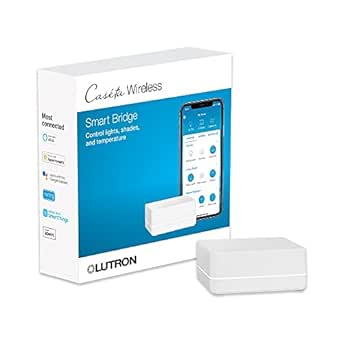 | Best for Reliable Lighting Control | Model: L-BDG2-WH | Device capacity: Up to 75 Caseta devices | Compatible platforms and products: Alexa, Apple HomeKit, Google Assistant, Ring, Serena shades, Sonos, and others | VIEW ON AMAZON | See Our Full Breakdown |
| Philips Hue Bridge Pro Smart Lighting Hub |  | Best Premium Lighting Hub | Model number: 582114 | Connectivity: Zigbee and Ethernet | Supported lights: More than 150 | VIEW ON AMAZON | See Our Full Breakdown |
| Tapo Smart Hub with Built-in Chime, H200, 2.4GHz Wi-Fi Required | 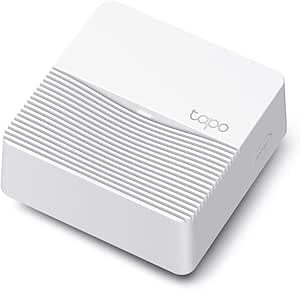 | Best for Tapo Camera and Sensor Setups | Model: H200 | Device capacity: Up to 64 smart devices and four cameras or doorbells | Wi-Fi requirement: 2.4GHz Wi-Fi | VIEW ON AMAZON | See Our Full Breakdown |
| Aqara Smart Home Hub M3 with Matter Controller and IR |  | Best for Multi-Protocol Automation | Protocols: Zigbee, Thread, Wi-Fi, and Bluetooth | Device capacity: Up to 127 Zigbee devices and 127 Thread devices | Matter: Matter controller | VIEW ON AMAZON | See Our Full Breakdown |
| SONOFF Bridge Max Smart Home Hub (Bridge-M) |  | Best for Local Matter Bridging | Model: Bridge-M | Supported device ecosystems: Zigbee, BTHome, and eWeLink | Matter platforms: Apple Home, Alexa, and Google Home | VIEW ON AMAZON | See Our Full Breakdown |
More Details on Our Top Picks
Aeotec Smart Home Hub 2 – V4, Zigbee & Matter Gateway, Compatible with Alexa, Google Assistant, WiFi
I’d put the Aeotec Smart Home Hub 2 near the top for buyers building around SmartThings who want both Zigbee and Matter support without a more involved multi-protocol platform. Its local automation processing can keep routines running during an internet outage, a practical advantage over cloud-dependent control. Wi-Fi or Ethernet gives buyers a choice of placement and connection, while Alexa and Google Assistant compatibility adds familiar voice control.
Its boundaries matter: it does not support Z-Wave, so it covers fewer legacy devices than the Homey Pro (2026) or Hubitat Elevation C-8 Pro. It also makes the most sense within its supported ecosystems rather than as a universal controller. I’d choose it for a SmartThings-centered setup, but skip it if Z-Wave is part of the plan.
Pros:- Supports both Zigbee and Matter devices.
- Local automation can continue during internet outages.
- Offers Wi-Fi and Ethernet connection options.
- Works with SmartThings, Alexa, and Google Assistant.
Cons:- Does not support Z-Wave devices.
- Its ecosystem compatibility is narrower than Homey Pro (2026).
Best for: SmartThings households that want local Zigbee and Matter automations, with Alexa or Google Assistant voice control as an option.
Not ideal for: Buyers with Z-Wave devices or those seeking a hub that unifies a wider range of protocols and ecosystems.
- Model:V4 – Smart Home Hub 2
- Connectivity:Wi-Fi, Ethernet
- Supported standards:Matter, Zigbee
- Compatible platforms:SmartThings, Alexa, Google Assistant
- Color:White
- Automation:Local processing
Our verdict“Choose the Aeotec if your home centers on SmartThings and Zigbee or Matter; pick Homey Pro or Hubitat if Z-Wave support is a requirement.”
Linkind Matter Smart Hub 2
The Linkind Matter Smart Hub 2 earns its place by solving a focused problem: bringing compatible Linkind BLE Mesh outdoor lights into Matter-friendly ecosystems. One-touch pairing for as many as 200 units suits a coordinated lighting setup far better than a general hub aimed at mixed sensors and switches. Its stated 131-foot range can also help when lights are spread across a yard, and the AiDot app reports battery and energy information.
This isn’t a broad-protocol rival to the Homey Pro (2026) or Hubitat Elevation C-8 Pro; it’s a lighting bridge, not a whole-home automation brain. The 2.4GHz Wi-Fi requirement and indoor-only IP20 rating narrow placement choices. I’d pick it for Linkind lighting and shared control across Alexa, Google Home, Apple Home, or SmartThings, but not as the foundation for varied devices.
Pros:- Pairs up to 200 compatible lighting units with one-touch bulk pairing.
- Connects Linkind BLE Mesh lights to Alexa, Google Home, Apple Home, and SmartThings.
- Provides a stated wireless range of up to 131 feet.
- AiDot app offers battery and energy tracking.
Cons:- Requires a 2.4GHz Wi-Fi network.
- IP20 rating means it is not waterproof and needs a protected indoor location.
- Designed as a bridge for compatible Linkind lights, not a broad device hub.
Best for: Homeowners with many compatible Linkind BLE Mesh outdoor lights who want grouped control through Matter-compatible ecosystems.
Not ideal for: Buyers seeking a general-purpose hub for mixed Zigbee, Z-Wave, and other smart home devices, or a weatherproof unit for outdoor installation.
- Model:LKGW20032
- Connectivity:Matter, Bluetooth, 2.4GHz Wi-Fi
- Compatible platforms:Alexa, Google Home, Apple Home, SmartThings
- Maximum devices:200
- Stated range:131 ft (40 m)
- Power:5V 0.25A via USB-C
- Dimensions:2.5 x 2.5 x 0.9 inches
- Weight:3.2 ounces
- Warranty:1 year
Our verdict“Choose the Linkind for a large compatible Linkind lighting system, but choose Homey Pro or Hubitat for whole-home, multi-protocol control.”
SwitchBot Hub 2 (2nd Gen) – WiFi Thermometer Hygrometer, IR Remote Control, Smart Light Sensor, Compatible with Alexa, Google Home, Apple Home
The SwitchBot Hub 2 is a different kind of smart home hub: it combines an IR remote for compatible appliances with temperature, humidity, and light sensing. That makes it a useful fit for rooms where control and environmental readings belong together—for example, adding an automation trigger around a supported IR-controlled appliance. Two smart buttons provide a simple physical way to activate scenes, while Matter support helps it connect with multiple ecosystems.
Compared with the Aeotec Smart Home Hub 2, SwitchBot is less suited to managing a broad Zigbee device network; its listed supported-device limit is six. It also needs 2.4GHz Wi-Fi and external power. I’d favor it when sensors and infrared control are the main needs, not when building a large, protocol-heavy system like those supported by Homey Pro (2026) or Hubitat.
Pros:- Combines temperature, humidity, and light monitoring with infrared appliance control.
- Supports Matter and works with several voice-assistant and automation platforms.
- Includes two smart buttons for direct scene control.
- Provides stated temperature and humidity accuracy of ±0.36°F and ±1.8% RH.
Cons:- Listed support is limited to up to six devices.
- Requires 2.4GHz Wi-Fi and an external power source.
- Does not offer the broad Z-Wave and Zigbee coverage of Homey Pro or Hubitat.
Best for: Apartment residents or room-by-room automation builders who want environmental monitoring, physical scene buttons, and IR control in one compact unit.
Not ideal for: Buyers who need a high-capacity hub for many devices, or who want Z-Wave support and broad protocol coverage.
- Connectivity:2.4GHz Wi-Fi, Bluetooth
- Matter:Supported
- Supported devices:Up to 6
- Maximum range:10 meters
- Temperature accuracy:±0.36°F
- Humidity accuracy:±1.8% RH
- Sensors:Temperature, humidity, light
- Buttons:2 smart buttons
- Weight:36 g
Our verdict“Pick SwitchBot when IR control and room sensing matter more than supporting a large mixed-device network.”
Homey Pro (2026) | Smart Home Hub with Z-Wave Plus, Zigbee, Wi-Fi, BLE, Infrared, Matter & Thread
For a household with devices from many brands and generations, the Homey Pro (2026) has the broadest protocol mix in this group: Z-Wave Plus, Zigbee, Wi-Fi, Bluetooth LE, infrared, Matter, and Thread. That breadth can reduce the need to keep separate bridges for different device types. Its app-based control and voice-assistant compatibility also make it a strong central point for homes combining newer Matter products with older Z-Wave or infrared equipment.
Compared with the Aeotec Smart Home Hub 2, Homey covers Z-Wave and more connection types; compared with Hubitat, it emphasizes cross-brand breadth. That flexibility comes with a steeper setup curve, so it’s less approachable for a first hub. The supplied compatibility figures vary, citing over 70,000 devices in the description and over 50,000 in the specs. I’d choose it for breadth, not simplicity.
Pros:- Supports Z-Wave Plus, Zigbee, Wi-Fi, Bluetooth LE, infrared, Matter, and Thread.
- Designed to centralize devices from a wide range of brands.
- Works with Siri, Alexa, and Google Home.
- Local processing reduces reliance on cloud services.
Cons:- Setup complexity may frustrate beginners.
- Provided device-compatibility figures conflict, listing over 70,000 in the description and over 50,000 in the specs.
- The supplied dimensions are incomplete.
Best for: Experienced smart home owners combining devices across brands and protocols who want one hub for both newer standards and legacy connections.
Not ideal for: First-time buyers who want a guided, simple setup, or shoppers who need clear, complete dimensional information before choosing a location.
- Connectivity protocols:Bluetooth, infrared, Matter, Wi-Fi, Z-Wave, Zigbee, Thread
- Voice assistants:Siri, Alexa, Google Home
- Compatible devices:Over 50,000 devices from over 1,000 brands (spec listing)
- Control method:App, voice
- Color:Black/Grey
- Switch type:Hub
- Mounting type:Wall mount
Our verdict“Choose Homey Pro for maximum protocol and brand breadth; opt for Aeotec for a simpler SmartThings-focused setup or SwitchBot for room sensing and IR control.”
Hubitat Elevation C-8 Pro Smart Home Hub – Z-Wave, Zigbee, Matter, Alexa, Google, Apple HomeKit
The Hubitat Elevation C-8 Pro suits buyers who prioritize local control and fast automation responses over an especially beginner-friendly setup. Its listed support for Z-Wave 800 Series with Long Range, Zigbee 3.0, and Matter 1.5 covers several major device standards, while local processing keeps core automations from depending on a cloud connection. No subscription is required, and compatibility includes Alexa, Google Home, Apple HomeKit, and Ring Cameras.
Against the Aeotec Smart Home Hub 2, Hubitat adds Z-Wave; against the Homey Pro (2026), its stated protocol set is narrower, without listed Thread or infrared support. External antennas and long-range Z-Wave may suit larger homes, but buyers still need compatible devices, and setup can demand more effort than SwitchBot’s focused controls. I’d select Hubitat for hands-on local automation, not for the simplest start.
Pros:- Supports Z-Wave 800 Series with Long Range, Zigbee 3.0, and Matter 1.5.
- Local processing supports fast automations and reduces cloud dependence.
- Works with Alexa, Google Home, Apple HomeKit, and Ring Cameras.
- No subscription is required.
Cons:- Setup may be challenging for beginners.
- Its listed protocol set is narrower than Homey Pro (2026), with no Thread or infrared listed.
- The hub’s features depend on having compatible smart devices.
Best for: Hands-on smart home owners with Z-Wave or Zigbee devices who want local automations, no subscription requirement, and control across major assistant ecosystems.
Not ideal for: Beginners seeking a quick, guided setup, or buyers who need a listed Thread or infrared radio in their hub.
- Supported protocols:Z-Wave 800 Series with Long Range, Zigbee 3.0, Matter 1.5, Bluetooth
- Compatible platforms:Alexa, Google Home, Apple HomeKit, Ring Cameras
- Processing:Local
- Subscription:Not required
- Dimensions:2.95 x 3.23 x 0.67 inches
- Weight:2.56 ounces
- Automation feature:AI-assisted automation
Our verdict“Pick Hubitat if local automation and Z-Wave range are priorities, but choose Homey Pro for a broader listed protocol mix or SwitchBot for simpler room-level controls.”
Amazon Echo Hub (newest model), 8″ Smart Home Control Panel with Alexa+
The Echo Hub is the clearest pick here for households that want a dedicated screen for everyday smart-home control, rather than another small hub tucked beside the router. Its 8-inch customizable dashboard puts routines, cameras, and security controls in view, while Alexa+ and support for Zigbee, Matter, and Thread give it broader reach than the Tapo H100, which is focused on Tapo devices. The tradeoff is that this is a control panel, not just a protocol bridge: you need somewhere to mount or place it, and mounts or stands are sold separately. Some capabilities also depend on compatible devices or subscriptions. I’d rank it above the compact hubs for visible, shared household control, but not for buyers who want a simple, screen-free setup.
Pros:- 8-inch display provides a visible control point for routines, cameras, and security.
- Customizable dashboard can prioritize the controls a household uses most.
- Supports Alexa, Ring, Zigbee, Matter, Sidewalk, and Thread.
- Includes multiple privacy controls and uses recycled materials.
Cons:- Mounts or stands must be purchased separately.
- Power-over-Ethernet adapter is sold separately.
- Some features rely on compatible devices or subscriptions.
Best for: Households that want a wall- or counter-mounted screen for controlling routines, cameras, and compatible smart-home devices.
Not ideal for: Buyers who prefer a discreet, screen-free hub or want a complete mounting and power setup included.
- Display:8 inches
- Compatibility:Alexa, Ring, Zigbee, Matter, Sidewalk, Thread
- Connectivity:Wi-Fi, Bluetooth
- Privacy:Microphone-off button and multiple privacy controls
- Recycled materials:27%
- Mounting:Mounts or stands sold separately
- Power over Ethernet:Adapter sold separately
Our verdict“Choose the Echo Hub if a dedicated Alexa-powered touchscreen matters more than a compact, low-profile bridge.”
Tapo Smart IR & IoT Hub with Chime, Matter-Certified, H110, Universal Remote
The Tapo H110 earns a distinct place by bridging smart-home automation with the infrared appliances many newer hubs do not directly control. Its support for more than 8,000 IR brands can bring TVs, air conditioners, and fans into app or voice routines, while a built-in chime and 93 dB alarm add a notification function. Compared with the Tapo H100, the H110 is the more versatile choice for older, remote-controlled appliances; the H100 is aimed at Tapo sensors, switches, and buttons instead. Local processing can keep supported automations running through an internet outage, but infrared control depends on line of sight and range. I’d skip it if your home has few IR appliances or you want a hub whose main job is coordinating many protocols like the Homey Bridge.
Pros:- Supports infrared appliances across more than 8,000 brands and 18 appliance types.
- Built-in chime and 93 dB alarm can provide audible alerts.
- Matter support enables voice control through Alexa, Google Assistant, and Siri-compatible setups.
- Local processing supports automations during internet outages.
Cons:- Power adapter is required but sold separately.
- Infrared devices must be within range for reliable control.
- Some setup tasks may be less straightforward for users unfamiliar with the app.
Best for: Tapo households that want to automate infrared-controlled TVs, air conditioners, or fans and add audible alerts.
Not ideal for: Buyers with few infrared appliances, or those seeking a broad multi-protocol hub for unrelated device ecosystems.
- Infrared compatibility:More than 8,000 brands across 18 appliance types
- Matter:Matter-certified
- Connectivity:2.4 GHz Wi-Fi, Bluetooth
- Alarm volume:93 dB
- Power:USB-C; 5V, 2A adapter required and sold separately
- Operating temperature:32°F–104°F (0°C–40°C)
- Humidity range:Up to 90% non-condensing
Our verdict“Pick the H110 if infrared appliances are the gap in your smart home and you want them in routines and voice control.”
Homey Bridge Smart Home Hub – Z‑Wave Plus, Zigbee, Wi‑Fi, BLE & Infrared, Works with Alexa & Google Home
The Homey Bridge is the most protocol-diverse option in this group: it brings Z-Wave Plus, Zigbee, Wi-Fi, Bluetooth Low Energy, and infrared under one platform. That makes it a stronger fit for a mixed-brand home than the Aqara M100, which centers on Aqara Zigbee devices and Thread. It also offers more device-protocol variety than the screen-focused Echo Hub, though the Echo is the better match for people who want visible, shared controls. The main catch is access: more than five devices requires a paid Homey Premium subscription, so the broad compatibility can come with an ongoing cost. Voice control also depends on owning a compatible assistant device. I’d choose it for protocol coverage, not for a subscription-free or especially simple setup.
Pros:- Supports Z-Wave Plus, Zigbee, Wi-Fi, Bluetooth Low Energy, and infrared.
- Works with Alexa, Google Assistant, and Siri Shortcuts.
- Designed with a privacy-by-design approach.
- Includes three months of Homey Premium.
Cons:- More than five devices requires a paid Homey Premium subscription.
- Voice control requires separate compatible assistant devices.
- Broader platform flexibility may involve more setup than the focused Tapo H100.
Best for: Smart-home owners combining devices from several brands and protocols who are comfortable managing a platform and subscription.
Not ideal for: Buyers who need more than five connected devices without a recurring subscription, or expect voice control from the hub alone.
- Supported protocols:Z-Wave Plus, Zigbee, Wi-Fi, Bluetooth Low Energy, infrared
- Voice assistant compatibility:Amazon Alexa, Google Assistant, Siri Shortcuts
- Dimensions:5 x 5 x 3 inches
- Weight:1.19 pounds
- Included subscription:Three months of Homey Premium
- Device limit:More than five devices requires paid Homey Premium
Our verdict“Choose Homey Bridge when your priority is unifying mixed protocols and you accept the subscription terms for a larger setup.”
Aqara Smart Hub M100 for Home Automation, Matter Controller, Wi-Fi
The Aqara M100 is a compact, protocol-focused hub for buyers building around Aqara devices, with Zigbee, Thread, and Wi-Fi 6 in a small unit powered through USB-A. Its local automation is a practical advantage when you want supported routines to depend less on an internet connection. Compared with the Homey Bridge, it is less suited to a varied collection of brands and protocols; its Zigbee support is limited to Aqara Zigbee devices. It also lacks the Echo Hub’s screen and the Tapo H110’s infrared remote control. That narrower scope is the tradeoff for a straightforward Aqara-centered setup. The adapter is not included, and placement guidance calls for keeping it 6 to 19 feet from the router, so it is not ideal for buyers who need flexible, long-distance placement.
Pros:- Supports Zigbee, Thread, and Wi-Fi 6.
- Local automation can keep supported routines working without internet access.
- USB-A power allows flexible placement where a suitable port is available.
- Works with Apple Home, Amazon Alexa, and Home Assistant.
Cons:- Zigbee support is limited to Aqara devices rather than third-party Zigbee products.
- Power adapter is not included.
- Recommended router distance is limited to 6–19 feet.
Best for: Aqara users adding a compact Matter controller with local automation and Thread support for compatible devices.
Not ideal for: Households with third-party Zigbee devices or buyers who want one hub to manage many unrelated brands and protocols.
- Supported protocols:Zigbee, Thread, Wi-Fi 6
- Supported ecosystems:Apple Home, Amazon Alexa, Home Assistant
- Power:USB-A; 5V, 0.5A power adapter not included
- Wireless security:WPA3
- Listed range:1,500–2,000 sq ft
- Recommended router distance:6–19 feet
- Data transfer rate:600 Mbps
Our verdict“The M100 makes sense for an Aqara-centered home that values local automation and Thread more than broad third-party support.”
Tapo Smart Hub with Built-in Chime, H100, 2.4GHz Wi-Fi Required
The Tapo H100 is the focused choice for a home built around Tapo sensors, switches, and buttons. It can manage up to 64 compatible devices, and its low-power wireless connection is designed to extend the battery life of connected devices—useful when sensors are spread around a home. The built-in chime also supports alarms and doorbell functions. Unlike the H110, though, the H100 is not an infrared remote hub for TVs or air conditioners, and it is limited to Tapo-compatible devices. The Homey Bridge offers much broader protocol support, but brings a subscription condition for larger setups; the H100 keeps its role narrower and simpler. I’d choose it for Tapo-based sensing and alerts, not as a universal smart-home controller.
Pros:- Connects up to 64 compatible Tapo devices.
- Low-power wireless connection is designed to extend connected device battery life.
- Up to 30-meter range supports placement away from the router.
- Built-in chime supports alarms and doorbell functions.
Cons:- Requires a 2.4 GHz Wi-Fi network.
- Limited to compatible Tapo sensors, switches, and buttons.
- Does not directly connect to Tapo smart plugs or lighting.
Best for: Tapo users adding multiple sensors, switches, or buttons for home alerts and basic automations.
Not ideal for: Buyers who need control of infrared appliances, third-party ecosystems, or Tapo plugs and lighting directly through this hub.
- Maximum connected devices:64
- Maximum range:30 meters
- Wi-Fi requirement:2.4 GHz
- Compatible devices:Tapo sensors, switches, and buttons
- Control methods:App, voice
- Dimensions:2.83 x 2.01 x 2.24 inches
- Weight:0.07 kg
- Battery life extension:Up to 10 times
Our verdict“Choose the H100 if you want a dedicated hub for Tapo sensors and alerts rather than a universal controller like the H110.”
Lutron Caseta Smart Hub Compatible with Alexa, Apple, Google Home, & More
Lutron Caseta’s strength is focused reliability: its Clear Connect radio handles compatible lighting and shade devices separately from the household Wi-Fi traffic, which can help keep control responsive as more wireless gadgets join the network. The hub also connects Caseta devices with platforms and products including Apple HomeKit, Alexa, Google Assistant, Ring, Sonos, and Serena shades. Compared with the Aqara Smart Home Hub M3, it is far less ambitious as a multi-protocol controller; its appeal is a mature lighting-centered system, not a universal bridge for many device types. It supports up to 75 Caseta devices and offers app-based schedules, scenes, and geofencing. The tradeoff is that Caseta dimmers and switches are sold separately, and the hub’s value falls if you do not plan to build around Lutron lighting.
Pros:- Clear Connect communication operates separately from Wi-Fi-connected devices
- Supports up to 75 Caseta devices
- Works with Alexa, Apple HomeKit, Google Assistant, Ring, Sonos, and Serena shades
- Supports schedules, scenes, and geofencing through the Lutron app
Cons:- Limited primarily to the Caseta ecosystem and compatible integrations rather than serving as a broad multi-protocol hub
- Caseta dimmers and switches are sold separately
- Requires a router connection and a Lutron app setup
Best for: Homeowners building a dependable Lutron lighting and Serena shade system who want voice control and connections to major smart-home platforms.
Not ideal for: Buyers seeking a protocol-agnostic hub for mixed Zigbee, Thread, and other devices, or anyone who wants lighting controls included with the hub.
- Model:L-BDG2-WH
- Device capacity:Up to 75 Caseta devices
- Compatible platforms and products:Alexa, Apple HomeKit, Google Assistant, Ring, Serena shades, Sonos, and others
- Communication technology:Lutron Clear Connect
- Setup:Plugs into an outlet and connects to a router
- Dimensions:1.44 x 2.94 x 4.69 inches
- Operating voltage:120 volts
- Material:Plastic
Our verdict“Choose this hub for a stable, expandable Lutron lighting system, but pick the Aqara M3 if broad protocol support matters more.”
Philips Hue Bridge Pro Smart Lighting Hub
The Hue Bridge Pro is built for a large, automation-heavy lighting setup, with capacity for more than 150 lights, over 50 accessories, and as many as 500 stored scenes. That headroom makes it a more natural choice for extensive Hue installations than the Lutron Caseta Smart Hub, which supports up to 75 Caseta devices and focuses on its own lighting ecosystem. The Pro’s stated fast processing and integration with Apple Home, Alexa, and Google suit households that want lighting scenes to respond quickly and connect to familiar assistants. Its Zigbee link also keeps Hue device communication distinct from ordinary Wi-Fi traffic. This is still a lighting specialist rather than a general-purpose smart-home controller, and the wired Ethernet and power requirements limit placement. Buyers with a smaller setup may not need its expanded capacity.
Pros:- Supports more than 150 lights and 50 accessories
- Stores up to 500 scenes for varied lighting routines
- Uses Zigbee and Ethernet connectivity
- Integrates with Apple Home, Alexa, and Google
Cons:- Requires wired Ethernet and a power connection, restricting placement
- Primarily serves Philips Hue lighting rather than acting as a general-purpose hub
- Its expanded capacity may be unnecessary for smaller lighting systems
Best for: Hue households with many lights and accessories that want extensive scene capacity and connections to Apple Home, Alexa, or Google.
Not ideal for: People seeking a hub for mixed brands and device protocols, or those who cannot place a hub near wired Ethernet and power.
- Model number:582114
- Connectivity:Zigbee and Ethernet
- Supported lights:More than 150
- Supported accessories:More than 50
- Scene storage:Up to 500 scenes
- Memory:4 GB DDR4 SDRAM
- Power:Corded electric; 5 watts
- Dimensions:3.68 x 3.68 x 1.06 inches
Our verdict“Pick the Hue Bridge Pro for a large Philips Hue installation with extensive scenes; choose the Lutron Caseta hub for a smaller, Lutron-centered lighting setup.”
Tapo Smart Hub with Built-in Chime, H200, 2.4GHz Wi-Fi Required
The Tapo H200 combines device coordination with useful household alerts: its built-in chime has adjustable volume and selectable ringtones, while the hub can connect up to 64 compatible devices and four cameras or doorbells. Local microSD storage gives Tapo camera owners an option for keeping recordings on a card rather than relying only on cloud storage; the card is not included. Compared with the Philips Hue Bridge Pro, the H200 is not a high-capacity lighting specialist. Its advantage is tying compatible Tapo cameras, doorbells, and other devices to a chime and local storage option in one compact hub. Alexa and Google Home support adds voice control, but compatibility stays centered on Tapo products, and setup depends on a 2.4GHz Wi-Fi network.
Pros:- Connects up to 64 smart devices and four cameras or doorbells
- Built-in chime offers adjustable volume and customizable ringtones
- Supports local microSD storage up to 512 GB
- Works with Alexa and Google Home
Cons:- Compatibility is centered on Tapo devices
- Requires a 2.4GHz Wi-Fi network
- microSD card for local storage is sold separately
Best for: Tapo users combining compatible cameras or a doorbell with sensors who want a dedicated chime and local recording option.
Not ideal for: Buyers with mixed-brand smart-home devices, or anyone without 2.4GHz Wi-Fi who wants a broad protocol hub.
- Model:H200
- Device capacity:Up to 64 smart devices and four cameras or doorbells
- Wi-Fi requirement:2.4GHz Wi-Fi
- Maximum range:30 meters
- Local storage:microSD card up to 512 GB
- Voice assistant support:Alexa and Google Home
- Dimensions:2.81 x 2.81 x 1.23 inches
- Weight:73 g
Our verdict“Choose the H200 to coordinate a Tapo camera-and-sensor setup with a built-in chime, not as a universal smart-home hub.”
Aqara Smart Home Hub M3 with Matter Controller and IR
The Aqara M3 is the most flexible protocol bridge in this group, combining Zigbee, Thread, Wi-Fi, and Bluetooth with Matter controller support. Its capacity for up to 127 Zigbee and 127 Thread devices gives ambitious setups room to grow, while local storage and local automations can keep supported routines running with less dependence on cloud services. A 360-degree IR blaster with learning and feedback also lets it control compatible infrared appliances, a capability the Philips Hue Bridge Pro does not target. The tradeoff is a more involved setup: placement near the router matters, the power adapter is not included, and some cloud notifications still need internet access. Buyers committed to a single lighting system may prefer Hue or Lutron’s more focused approach.
Pros:- Combines Zigbee, Thread, Wi-Fi, and Bluetooth
- Supports up to 127 Zigbee and 127 Thread devices
- Local automations and encrypted local storage support privacy-conscious setups
- 360-degree IR blaster can control compatible appliances
Cons:- Power adapter is not included
- Best connectivity depends on placement 6 to 19 feet from the router
- Some cloud notifications require an internet connection
Best for: Smart-home builders mixing Aqara, Matter, Zigbee, and Thread devices who want local automations and control of IR appliances.
Not ideal for: People who want a simple, single-brand lighting hub, lack a suitable power adapter, or expect every notification to work without internet.
- Protocols:Zigbee, Thread, Wi-Fi, and Bluetooth
- Device capacity:Up to 127 Zigbee devices and 127 Thread devices
- Matter:Matter controller
- Power options:PoE, USB-C, and wireless connectivity
- Local storage:8 GB encrypted storage
- IR control:360-degree IR blaster with feedback and learning
- Platform support:Apple HomeKit, Alexa, SmartThings, and Home Assistant
- Warranty:12 months
Our verdict“Choose the M3 for a mixed-protocol system with local automations and IR control; choose Hue or Lutron for a more focused lighting installation.”
SONOFF Bridge Max Smart Home Hub (Bridge-M)
The SONOFF Bridge Max is aimed at hands-on buyers who want local bridging, rather than a polished hub built around one brand’s app. It connects Zigbee, BTHome, and eWeLink devices to Matter platforms such as Apple Home, Alexa, and Google Home; its local web console works on the LAN without requiring an app or cloud account. Home Assistant support through MQTT adds flexibility for custom setups, while a built-in 90 dB alarm can pair with Zigbee sensors for a local security alert. Compared with the Aqara M3, it offers a more explicitly local web-management approach, but the supplied details do not establish the same broad protocol mix or device capacity. Buyers should be comfortable configuring a bridge and checking device compatibility; this is less suited to plug-and-play households.
Pros:- Local web console can be accessed over the LAN without an app or cloud service
- Bridges compatible Zigbee, BTHome, and eWeLink devices to Matter platforms
- Supports Home Assistant integration through MQTT
- Built-in 90 dB alarm can support sensor-based local alerts
Cons:- Setup and device compatibility may require technical troubleshooting
- The supplied product details do not specify a device-capacity limit
- Its Zigbee and bridge focus is narrower than the Aqara M3’s listed protocol range
Best for: Home Assistant users and technically confident households that want to bridge compatible Zigbee, BTHome, and eWeLink devices locally to Matter platforms.
Not ideal for: Beginners seeking a simple app-led setup, or buyers who need a clearly specified device limit and broad, turnkey compatibility.
- Model:Bridge-M
- Supported device ecosystems:Zigbee, BTHome, and eWeLink
- Matter platforms:Apple Home, Alexa, and Google Home
- Connectivity:Wi-Fi, Ethernet, and Zigbee
- Zigbee protocol:IEEE 802.15.4
- Home Assistant integration:MQTT
- Alarm:Built-in 90 dB alarm
- Power:5 volts
Our verdict“Pick the SONOFF Bridge Max if local Matter bridging and Home Assistant flexibility are priorities and you are comfortable configuring devices yourself.”

How We Picked
I ranked these premium smart home hubs by how well each serves a distinct buyer need, rather than treating the longest feature list as an automatic win. I weighed supported protocols and device types, ecosystem compatibility, automation flexibility, ease of setup and everyday control, and whether the product’s specialization makes practical sense. I also considered the role of each device: a control panel, a lighting bridge, and a multi-protocol automation hub solve different problems.
Homey Pro (2026) ranks first for its unusually broad protocol mix and potential to anchor a varied setup. Hubitat Elevation C-8 Pro follows for buyers who prioritize customization, while the Echo Hub earns a distinct place for screen-based Alexa control. Focused or narrower options rank lower for whole-home versatility, not because they are poor choices: products such as the Hue Bridge Pro, Lutron Caseta Hub, and Tapo hubs can make more sense when their specific ecosystem or task is the priority. I treated advertised compatibility as a starting point; buyers should verify support for their own devices and required features before choosing.
Factors to Consider When Choosing Premium Smart Home Hubs
Before choosing a hub, I would map the devices and routines you actually want it to manage. A premium model can offer more radios and automation tools, but those only help when they match your home and comfort with setup. These factors can prevent paying for capabilities you will not use—or buying a focused bridge when you need a broader controller.
Match Protocols to Devices You Own
Start with the exact model numbers of your sensors, switches, locks, bulbs, and appliances, then confirm their required connection types. Zigbee, Z-Wave, Thread, Wi-Fi, Bluetooth, and infrared are not interchangeable, and a hub that supports one radio may not support another. Matter can help devices work across ecosystems, but it does not replace every radio or guarantee that every feature is exposed through every platform. A common mistake is buying by the protocol logo alone without checking whether the hub acts as a controller, bridge, or both for the intended device. If your home has a mix of older and newer gear, prioritize the hub that covers the actual mix rather than the one with the longest list. Leave room for future devices only if you have a realistic plan to add them.
Choose How Much Automation Control You Want
Some buyers want simple schedules and voice commands; others want detailed conditions, device states, and routines that keep working without constant cloud access. Those needs point toward different kinds of hubs, even when both support many devices. Before paying for advanced automation, sketch a few routines you expect to build and ask whether they involve several brands, sensors, or conditional steps. A common misstep is choosing a highly configurable system and then finding its setup demands more time than expected. On the other hand, a basic bridge may feel restrictive once you want actions to depend on several devices. Match the hub’s control model to the complexity you will maintain, not just the complexity it can support.
Decide Whether You Need a Screen or a Hidden Hub
A wall or desk control panel changes how a household interacts with smart devices, while a compact hub can run quietly out of sight. A screen is useful when people want tap-based access to routines and devices without opening an app or speaking to an assistant. A hidden hub makes more sense when automations run in the background and phone control is enough. These roles should not be confused: a panel can be a convenient interface without being the most capable automation engine in a setup. Think about where controls will live, who will use them, and whether the display will earn its space. If the hub is intended for a central location, check power, mounting, Wi-Fi coverage, and whether the screen will be useful to everyone in the home.
Check Ecosystem Fit Before Expanding
Compatibility with Alexa, Google Home, Apple Home, or another platform can mean different things, from basic voice commands to deeper device control and automation sharing. Confirm which functions pass through the connection you plan to use, especially for sensors, scenes, and device status. If you already rely on one ecosystem, a hub that integrates cleanly may be more valuable than a wider protocol list that adds setup friction. Homes with multiple ecosystems should check which system will own routines and where device settings will be managed. Avoid assuming that Matter support automatically merges every app, feature, or existing account into one control layer. A little planning here can prevent duplicated devices and confusing automations later.
Weigh Local Operation Against Cloud Services
Some smart home functions may depend on internet access, an account, or a manufacturer’s service, while other routines can run locally. That difference affects response, privacy expectations, and what continues to work during an internet outage. Check the product documentation for which automations, voice features, remote controls, and integrations need a cloud connection. Buyers sometimes assume that a hub with local automation also makes every connected device local; the devices and linked services can still rely on outside servers. If outage resilience matters, test the full path of the routines you care about, including the sensors and lights involved. If remote access and voice integration matter more, cloud links may be an acceptable tradeoff.
Pay for Coverage You Will Use
A premium hub earns its place when its added capabilities solve a real problem: consolidating mixed devices, building richer routines, or giving a household a better control interface. A focused bridge can be the smarter choice when one ecosystem already handles most of your needs, as with dedicated lighting or switch control. Compare the cost of adding a second hub with the complexity it introduces, including extra apps, accounts, and device handoffs. Avoid buying several bridges before deciding which platform will manage shared routines. For a small setup, a narrow device range and straightforward controls may matter more than extensive protocol support. For a growing home, broader compatibility can reduce the need to replace the central controller later.
Frequently Asked Questions
Should I choose Homey Pro or Hubitat Elevation C-8 Pro for a mixed-brand home?
I would choose Homey Pro (2026) if broad protocol coverage and flexibility across device types are the main goals. Hubitat Elevation C-8 Pro is a stronger fit if you want detailed control over automation behavior and are comfortable spending time configuring it. The choice is not simply about how many devices each can connect: the way you prefer to build and maintain routines matters just as much. Check support for your specific devices and the features you use, especially if you rely on a particular ecosystem. If you want a more guided experience, neither should be chosen on protocol count alone.
Is a Matter-compatible hub enough for devices that use Zigbee, Z-Wave, or infrared?
No. Matter compatibility does not automatically mean a hub has Zigbee, Z-Wave, or infrared radios, or can bridge every device using them. Check the hub’s listed radios and whether it supports the exact devices and functions you need. Some products use Matter as one part of a broader setup, while others focus on a particular device family or control method. Infrared control also has practical limits, since the hub needs a workable line of sight or placement for the appliances it controls. Verify the connection path before assuming one hub will replace all your existing bridges.
Do I need the Echo Hub if I already have an Alexa-compatible smart home hub?
Not necessarily. The Echo Hub is most useful if you want a dedicated screen for viewing and controlling devices, while an Alexa-compatible hub may already handle voice commands and automations. These are different roles: one emphasizes an at-a-glance interface, and the other may focus on device connections or automation logic. Consider whether household members will use a shared touch display or continue to rely on phones and voice control. Also check which devices and controls appear on the panel, since ecosystem compatibility does not always mean every feature is available there. Skip the extra panel if it would duplicate controls you already use comfortably.
When is a focused lighting hub a better choice than a multi-protocol hub?
A focused hub can be the better fit when one lighting system or switch family covers most of the job and you value predictable, straightforward control. The Philips Hue Bridge Pro and Lutron Caseta Smart Hub serve more specific lighting needs than broad automation hubs such as Homey Pro or Hubitat. A general-purpose hub may provide more room to combine brands, but it can also add setup decisions and management overhead. Before choosing a lighting bridge, check how it connects to the rest of your smart home and whether your preferred scenes and controls carry across. Pick the focused option when its ecosystem is already central to your home, not merely because lighting is one of many planned uses.
Can one hub replace the smaller bridges already in my home?
Sometimes, but you should not assume that a multi-protocol hub can replace every bridge. Device support, manufacturer-specific features, and integrations vary, and a bridge may provide functions that a general controller does not expose. Make a list of the devices each existing bridge manages and confirm which ones the candidate hub can take over, including advanced controls and automations. Keep in mind that consolidating hubs can change which app or ecosystem owns device settings. A gradual migration is safer than removing working bridges before testing key routines. If a focused bridge remains the most reliable way to manage its devices, using it alongside a central hub may be the more practical setup.
Conclusion
For a flexible, mixed-device home, I recommend Homey Pro (2026) as the best overall; choose Homey Bridge as a more focused route into multi-protocol control when its support meets your needs. Best for advanced automation is Hubitat Elevation C-8 Pro, especially for buyers who value customization over a guided setup. For a screen-based Alexa household, the Echo Hub is the best interface-focused pick, while the Aqara M100 or Tapo H100 can suit buyers who need a narrower, device-specific hub rather than a full-home controller. I would call the strongest value the hub that covers your existing devices without adding unused radios or another layer of apps; among focused options, the right choice depends on whether your priority is lighting, sensors, or infrared control. Beginners should favor a hub aligned with the ecosystem and devices they already use, then expand only when a clear need appears. Before buying, confirm device-level support and decide which hub will own your routines—that is the fastest way to turn this shortlist into a confident choice.