For road bike helmets for speed, my best overall pick is the Kask Utopia Y, which puts aerodynamic design ahead of extra features. The Giro Syntax MIPS and Smith Signal with MIPS stand out for riders who want a more balanced mix of road-ready performance and added impact-management features. The main tradeoff is between an aero-focused shape, ventilation, fit, and extras such as lights or visors; no single helmet suits every rider or head shape. A fast helmet still needs to fit securely and meet applicable safety standards. Read on for the full comparison and guidance on choosing by riding style.

Get sports gear delivered free with Prime
- Fast, free delivery on millions of items
- Prime Video, Amazon Music and more included
- Member-only deals all year
Complete the kit


Key Takeaways
- Kask Utopia Y leads for speed-focused riding: Its aerodynamic emphasis gives it the clearest role for riders who value a streamlined road helmet over built-in lights or beginner-friendly extras.
- Giro Syntax MIPS and Smith Signal MIPS serve balanced-performance buyers: They add MIPS to a road-oriented helmet choice, while the Utopia Y is the more specialized aero pick.
- Several helmets prioritize visibility or convenience over a race-first brief: Retrospec Silas, P2R A20, and Lumos Road include rear-light features, which may suit commuters and group riders more than riders seeking a stripped-down setup.
- Fit and intended use separate the entry-level options: Giro Isode MIPS II, Giro Register MIPS II, and Lazer Tempo KinetiCore offer approachable alternatives, but a model that sits securely on your head matters more than its position in the list.
- Feature count does not equal speed: Visors, magnetic goggles, and integrated lights can add everyday utility, but buyers should weigh those extras against their priorities for a simple, road-focused helmet.
| Kask Utopia Y Bike Helmet – Aerodynamic Road Cycling & Triathlon Helmet |  | Best for Race-Day Speed | Brand: Kask | Model: CHE00104-321-058 | Size: Medium | VIEW ON AMAZON | See Our Full Breakdown |
| Retrospec Silas Road Bike Helmet with 24 Air Vents & Built-in LED Safety Light – Adjustable Adult Cycling Protection 54-61cm |  | Best for Visibility on Everyday Rides | Fit range: 54–61 cm | Vent count: 24 | Safety light: Built-in four-LED light with three flash modes | VIEW ON AMAZON | See Our Full Breakdown |
| Giro Isode MIPS II Cycling Helmet |  | Best for Newer Road Riders | Brand: Giro | Model: Isode MIPS II | Model number: 7202227 | VIEW ON AMAZON | See Our Full Breakdown |
| Giro Agilis MIPS Cycling Helmet |  | Best Ventilated All-Round Road Pick | Brand: Giro | Model: Agilis MIPS | Age range: Adult | VIEW ON AMAZON | See Our Full Breakdown |
| Lazer Tempo KinetiCore Bike Helmet |  | Best Entry-Level Speed Pick | Brand: LAZER | Model: Tempo KinetiCore | Age range: Adult | VIEW ON AMAZON | See Our Full Breakdown |
| Schwinn Thrasher Adult Bike Helmet, Size 58-62 cm, Microshell, Adjustable Dial & Straps, Air Vents, Visor |  | Best for Fitness Riders Seeking a Simple Fit | Brand: Schwinn | Model: Thrasher | Size: 58–62 cm | VIEW ON AMAZON | See Our Full Breakdown |
| Bike Helmet with Rear Light & Detachable Magnetic Goggles – Lightweight, Adjustable for Adults |  | Best for Visibility and Eye Protection | Shell and liner: High-density PC shell and EPS foam | Weight: 270 g | Circumference range: 57–62 cm | VIEW ON AMAZON | See Our Full Breakdown |
| Giro Register MIPS II Helmet |  | Best for Recreational Riders Prioritizing MIPS | Shell: In-mold hard shell with polycarbonate lower | Protection system: MIPS Evolve Core rotational energy management | Fit system: Roc Loc Sport MIPS | VIEW ON AMAZON | See Our Full Breakdown |
| Giro Syntax MIPS Helmet |  | Best for Fast, Ventilated Road Riding | Construction: In-mold | Safety system: MIPS | Ventilation: 25 vents with internal channeling | VIEW ON AMAZON | See Our Full Breakdown |
| Schwinn Thrasher Adult Bike Helmet |  | Best for Straightforward Recreational Riding | Size: 58–62 cm | Age range: 14+ | Material: Microshell | VIEW ON AMAZON | See Our Full Breakdown |
| Smith Signal Cycling Helmet with MIPS | 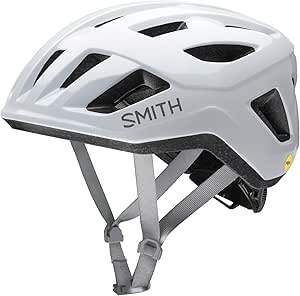 | Best for Ventilation and Impact-Protection Features | Brand and model: Smith Signal MIPS | Weight: 260 g | Ventilation: 21 fixed vents; AirEvac system | VIEW ON AMAZON | See Our Full Breakdown |
| NTGBV Adult Bike Helmet – CPSC Certified, Lightweight & Breathable with Adjustable Fit |  | Best for Practical Ride-Day Extras | Brand: NTGBV | Model number: BH-WX-039-MTBK-L | Weight: Approximately 290–310 g | VIEW ON AMAZON | See Our Full Breakdown |
| P2R A20 MIPS Bike Helmet for Teens and Adults with Rear LED Light |  | Best for Road Riders Who Also Commute | Model number: PBH-109 | Weight: 290 g | Size: Large, 58–61 cm | VIEW ON AMAZON | See Our Full Breakdown |
| Lumos Road Bike Helmet MIPS with Magnetic Light for Adults |  | Best for Magnetic Light-System Buyers | Weight: 0.35 kg | Size: Large, 58–61 cm | Ventilation: 14 ventilation channels | VIEW ON AMAZON | See Our Full Breakdown |
| road bike helmets for speed | Ventilation | Size | Weight |
|---|---|---|---|
| Kask Utopia Y Bike Helmet | — | Medium | — |
| Retrospec Silas Road Bike Helm | — | — | Described as lightweight; exact weight not specified |
| Giro Isode MIPS II Cycling Hel | — | Universal Adult | — |
| Giro Agilis MIPS Cycling Helme | Wind Tunnel ventilation | — | — |
| Lazer Tempo KinetiCore Bike He | — | One Size | — |
| Schwinn Thrasher Adult Bike He | — | 58–62 cm | 0.37 kg |
| Bike Helmet with Rear Light & | 28 vents | — | 270 g |
| Giro Register MIPS II Helmet | Multiple vents with deep internal channeling | — | — |
| Giro Syntax MIPS Helmet | 25 vents with internal channeling | — | — |
| Schwinn Thrasher Adult Bike He | — | 58–62 cm | — |
| Smith Signal Cycling Helmet wi | 21 fixed vents; AirEvac system | — | 260 g |
| NTGBV Adult Bike Helmet | 19 vents with airflow channels | — | Approximately 290–310 g |
| P2R A20 MIPS Bike Helmet for T | 23 vents | Large, 58–61 cm | 290 g |
| Lumos Road Bike Helmet MIPS wi | 14 ventilation channels | Large, 58–61 cm | 0.35 kg |
More Details on Our Top Picks
Kask Utopia Y Bike Helmet – Aerodynamic Road Cycling & Triathlon Helmet
The Kask Utopia Y is the speed-first choice here: its aerodynamic design targets road racing and triathlon riding, while substantial ventilation helps limit the heat buildup that can come with an aero-focused shape. Compared with the more general-purpose Giro Agilis MIPS, this model puts a clearer emphasis on reducing aerodynamic drag rather than adaptable everyday use. A micro-dial fit system and gel pads help riders tune the fit, and reflective inserts add visibility in low light. The tradeoff is its narrower appeal: it is positioned for experienced riders who value speed, and the supplied description lists only a medium size and white matte color. Its listed 0.82 kg weight is also unusually heavy for a helmet, so I would verify the intended unit before weighing it against lighter options.
Pros:- Aerodynamic design aimed at fast road and triathlon riding
- Ventilation features address heat during hard efforts
- Micro-dial adjustment and gel pads support a tailored fit
- Reflective inserts improve visibility in low light
Cons:- The supplied listing specifies only a medium size and white matte color
- Performance-focused positioning may be more than casual riders need
- The listed 0.82 kg weight is unusually high for a cycling helmet and merits verification
Best for: Experienced road racers and triathletes prioritizing an aerodynamic profile, ventilation, and adjustable fit for fast rides.
Not ideal for: Newer cyclists or riders wanting broad size and color choices; the supplied listing focuses on medium and presents the helmet as a performance-oriented option.
- Brand:Kask
- Model:CHE00104-321-058
- Size:Medium
- Listed weight:0.82 kg
- Color:White Matt
- Safety certification:Rotational Impact WG11 approved
- Fit features:Micro-dial adjusters and gel pads
- Visibility feature:Reflective inserts
Our verdict“Choose the Kask Utopia Y if race-oriented aerodynamics matter more to you than broad sizing or an everyday-focused design.”
Retrospec Silas Road Bike Helmet with 24 Air Vents & Built-in LED Safety Light – Adjustable Adult Cycling Protection 54-61cm
The Retrospec Silas suits riders who want a road-oriented helmet with visibility features built in, rather than a stripped-down race setup. Its 24 vents support airflow, and the integrated four-LED light has three flash modes, giving it a practical advantage over the Lazer Tempo KinetiCore, which is compatible with a separate Lazer LED light rather than listing one as built in. The ErgoKnob dial and 54–61 cm fit range also make adjustment straightforward across a broad adult size span. The compromise is that the light adds a battery-dependent feature to maintain, and the description gives no specific weight beyond “lightweight.” Its aerodynamic profile is a useful touch, but the overall package favors visibility and daily comfort over the more explicitly speed-focused approach of the Kask Utopia Y.
Pros:- Built-in four-LED safety light with three flash modes
- 24 vents support airflow on warm or hard rides
- ErgoKnob dial and 54–61 cm range allow fit adjustment
- Removable moisture-wicking padding can be taken out for cleaning
Cons:- Light depends on battery performance, which may vary
- The listing does not provide a specific weight
- Speed-focused riders may prefer the more race-oriented Kask Utopia Y
Best for: Road and commuter cyclists who ride in changing light and want an adjustable helmet with an integrated rear safety light.
Not ideal for: Racers seeking a dedicated aero helmet or riders who prefer not to maintain a battery-powered light.
- Fit range:54–61 cm
- Vent count:24
- Safety light:Built-in four-LED light with three flash modes
- Shell and foam:PVC shell and EPS foam
- Padding:Removable, moisture-wicking padding
- Fit adjustment:ErgoKnob dial system
- Weight:Described as lightweight; exact weight not specified
Our verdict“Pick the Silas if integrated visibility and flexible fit matter more than a purpose-built racing profile.”
Giro Isode MIPS II Cycling Helmet
The Giro Isode MIPS II is the approachable pick for riders who want road-helmet airflow and rotational-impact protection without making race-specific aerodynamics the main goal. Its MIPS Evolve Core system and Roc Loc Sport adjustment give buyers useful fit and protection features, while the ventilated design suits steady training rides. Compared with the Kask Utopia Y, the Isode is less focused on aerodynamic gains; its strength is a more accessible mix of comfort and safety features for beginner-to-intermediate road cycling. The supplied data lists a universal adult size, which may be less reassuring for riders who need a precise size choice, and its listed 1.4-pound weight is heavier than many buyers may expect from a lightweight road helmet. I would choose it for general road training, not for a rider whose first priority is shaving drag.
Pros:- MIPS Evolve Core technology adds rotational-impact protection
- Roc Loc Sport system allows one-handed fit adjustment
- Ventilated design supports comfort during road rides
- Polycarbonate outer shell and foam inner liner construction
Cons:- Less explicitly aero-focused than the Kask Utopia Y
- Universal Adult sizing may not suit riders seeking a defined size range
- Listed weight is 1.4 pounds
Best for: Beginner and intermediate road cyclists who want MIPS protection, ventilation, and a simple adjustable fit for training rides.
Not ideal for: Competitive riders focused on aero performance, or buyers who need a clearly specified range of helmet sizes.
- Brand:Giro
- Model:Isode MIPS II
- Model number:7202227
- Size:Universal Adult
- Listed weight:1.4 pounds
- Color:Matte White
- Construction:Polycarbonate outer shell and foam inner liner
- Protection and fit:MIPS Evolve Core technology and Roc Loc Sport fit system
Our verdict“Choose the Isode MIPS II for approachable road training with MIPS and easy adjustment, rather than for race-day aerodynamics.”
Giro Agilis MIPS Cycling Helmet
The Giro Agilis MIPS balances road-ready airflow, a secure adjustable fit, and rotational-impact protection. Its Wind Tunnel ventilation is intended to move air across the head and release heat, making it a strong choice for riders who spend long stretches climbing or training in warm conditions. The Roc Loc 5 system lets riders adjust fit and tilt one-handed; compared with the Giro Isode MIPS II, the Agilis has a more detailed fit-system specification, while both are more general-purpose than the aerodynamic Kask Utopia Y. Its in-mold Hardbody construction is designed to keep the shell durable without excess weight, but no actual weight or size options are supplied here. That missing sizing information makes fit harder to judge from the listing, and riders seeking a clearly stated race-aero profile may find the Kask a closer match.
Pros:- Integrated MIPS system is designed to address rotational forces
- Wind Tunnel ventilation channels airflow and heat
- Roc Loc 5 allows one-handed tension and tilt adjustment
- In-Mold Hardbody construction aims to combine durability with reduced bulk
Cons:- The supplied product data does not specify weight
- The supplied product data does not list size options
- Its stated strengths emphasize ventilation and fit more than aerodynamic speed
Best for: Road cyclists who value strong ventilation, adjustable fit, and MIPS protection for long training rides.
Not ideal for: Buyers who need a verified weight or specified size before choosing, or racers seeking a clearly aero-focused helmet.
- Brand:Giro
- Model:Agilis MIPS
- Age range:Adult
- Protection system:Integrated MIPS
- Fit system:Roc Loc 5
- Shell construction:In-Mold Hardbody
- Ventilation:Wind Tunnel ventilation
Our verdict“Choose the Agilis MIPS if cooling and fit adjustment lead your road-helmet priorities and you can confirm the right size separately.”
Lazer Tempo KinetiCore Bike Helmet
The Lazer Tempo KinetiCore is the entry-level choice for road riders who want a simple, adjustable helmet with rotational-impact protection rather than a premium aero package. Its KinetiCore technology and TurnSys dial provide the core protection and fit features, while compatibility with Universal Lazer LED lights leaves visibility upgrades available without building a light into the helmet. Compared with the Retrospec Silas, the Tempo keeps the lighting optional; that means fewer built-in electronics to manage, but no integrated rear light out of the box. Its one-size listing may not accommodate every head shape, and the description notes that it may lack the advanced ventilation found on premium models such as the Kask Utopia Y. I’d shortlist it for straightforward road riding, not for riders seeking highly specified sizing or race-focused airflow.
Pros:- KinetiCore technology is designed to help with rotational impacts
- TurnSys dial supports quick fit adjustment
- Compatible with Universal Lazer LED lights
- Polycarbonate outer material and foam inner material
Cons:- One-size fit may not suit every head shape
- No built-in light is listed, unlike the Retrospec Silas
- The entry-level design may not offer the ventilation features sought for hard racing
Best for: Road cyclists seeking a straightforward adult helmet with rotational-impact technology and a quick-adjust fit, who are comfortable checking one-size fit carefully.
Not ideal for: Riders who need multiple listed size options, built-in lighting, or more advanced ventilation for sustained hard efforts.
- Brand:LAZER
- Model:Tempo KinetiCore
- Age range:Adult
- Size:One Size
- Listed weight:475 g
- Color:White
- Materials:Polycarbonate outer material; foam inner material
- Fit and lighting:TurnSys dial; compatible with Universal Lazer LED lights
Our verdict“Choose the Tempo KinetiCore for simple road riding and adjustable protection, provided its one-size fit works for you.”
Schwinn Thrasher Adult Bike Helmet, Size 58-62 cm, Microshell, Adjustable Dial & Straps, Air Vents, Visor
For speed-focused riding, I rank the Schwinn Thrasher as a practical fitness helmet rather than a race-oriented choice. Its 58–62 cm range and dial retention system make it straightforward to tune the fit, while the multiple vents and washable padding support regular training and everyday rides. Compared with the Giro Syntax MIPS, it offers fewer performance-led details: the supplied information does not specify a rotational-impact system, and its recreational focus makes it less compelling for riders chasing a streamlined race setup. The removable visor is useful for sun protection but adds a casual, adaptable feel rather than an explicitly aerodynamic one. At 0.37 kg, it may also feel bulky beside lighter road-focused options. I would choose it for approachable fit and comfort, not for outright speed.
Pros:- Dial retention system and adjustable straps help riders fine-tune fit.
- Multiple vents support airflow during fitness rides.
- Removable, washable padding is practical for frequent use.
- Removable visor offers adaptable sun protection.
Cons:- Recreational design is less suited to riders seeking a race-focused helmet.
- Listed weight of 0.37 kg may feel bulky compared with lighter road options.
- Only white is listed, limiting color choice.
Best for: Fitness and recreational riders with 58–62 cm head sizes who want a dial-adjustable helmet with washable padding and a removable visor.
Not ideal for: Racers prioritizing a lightweight, speed-focused profile or riders who want a specified rotational-impact system.
- Brand:Schwinn
- Model:Thrasher
- Size:58–62 cm
- Material:Expanded polystyrene (EPS)
- Weight:0.37 kg
- Safety standard:U.S. CPSC
- Fit:Adjustable dial retention system and straps
- Visor:Removable
- Padding:Full-coverage and washable
Our verdict“Choose the Thrasher for adjustable everyday fitness riding, but pick a more road-performance-focused option such as the Giro Syntax MIPS if speed is your main priority.”
Bike Helmet with Rear Light & Detachable Magnetic Goggles – Lightweight, Adjustable for Adults
This helmet earns its place for riders who want visibility and eye coverage alongside a road-capable fit, rather than a minimalist speed setup. Its 270 g listed weight, 28 vents, and adjustable retention give it a more performance-minded feel than the bulkier Schwinn Thrasher. The detachable magnetic goggles add UV400 protection and can be removed when conditions change, while the rear light with three modes helps make the rider more visible. That added equipment comes with compromises: the supplied details do not state the light’s battery life, and the goggles may interfere with glasses. Compared with the Giro Syntax MIPS, this pick emphasizes integrated visibility and eye protection rather than specified MIPS protection or a road-focused fit system. It suits mixed road use, but the accessories may be unnecessary weight and complexity for riders focused strictly on speed.
Pros:- 270 g listed weight is relatively light for a helmet with included accessories.
- Twenty-eight vents support airflow during hard rides.
- Three-mode rear LED light adds visibility in low light.
- Detachable magnetic goggles provide UV400 eye protection.
Cons:- Rear-light battery life is not specified.
- Magnetic visor may interfere with prescription glasses.
- The extra light and goggles may not suit riders seeking a simple, streamlined helmet.
Best for: Road and mixed-surface riders who want a rear light and removable UV400 goggles in one adjustable helmet.
Not ideal for: Speed-focused riders who prefer a clean, lightweight setup, or glasses wearers who cannot confirm the magnetic visor fits comfortably.
- Shell and liner:High-density PC shell and EPS foam
- Weight:270 g
- Circumference range:57–62 cm
- Fit adjustment:360° knob, side straps, and up/down adjustment
- Ventilation:28 vents
- Rear light:LED light with 3 modes
- Visor:Detachable magnetic goggles with UV400 protection
- Included components:Helmet, LED rear light, magnetic goggles, spare battery, and backpack
Our verdict“Pick this model if integrated visibility and eye protection matter more than a stripped-down race setup.”
Giro Register MIPS II Helmet
The Register MIPS II is the safety-and-fit pick in this group, not the one I would choose for maximum road speed. Its MIPS Evolve Core system addresses rotational energy management, and the one-handed Roc Loc Sport MIPS fit system makes on-ride adjustment simple. Deep internal channeling and multiple vents help manage heat, while the removable visor lets riders adapt it for casual or fitness use. Compared with the Giro Syntax MIPS, the Register is described more clearly as a recreational helmet and may be slightly heavier than ultra-light alternatives; the Syntax’s 25 wind-tunnel vents and Roc Loc 5 system make it the more road-performance-oriented Giro in this lineup. The Register’s broad fit range and ponytail compatibility support everyday practicality, but riders seeking a lean race profile should look elsewhere.
Pros:- MIPS Evolve Core system is designed to manage rotational energy in certain impacts.
- Roc Loc Sport MIPS allows one-handed fit adjustment.
- Deep internal channeling and multiple vents support cooling.
- Ponytail-compatible design adds fit flexibility.
Cons:- May be heavier than ultra-light helmets.
- Its recreational emphasis makes it less suited to riders seeking a race-focused road profile.
- The available details do not specify a vent count or weight for direct performance comparison.
Best for: Recreational and fitness cyclists who value MIPS protection, easy fit adjustment, and ponytail compatibility over a race-first design.
Not ideal for: Road racers seeking the lightest, most speed-oriented setup or buyers who do not need the extra versatility of a removable visor.
- Shell:In-mold hard shell with polycarbonate lower
- Protection system:MIPS Evolve Core rotational energy management
- Fit system:Roc Loc Sport MIPS
- Adjustment:One-handed adjustment with 7 cm range
- Ventilation:Multiple vents with deep internal channeling
- Visor:Removable
- Ponytail compatibility:Yes
Our verdict“Choose the Register MIPS II for adjustable recreational riding with MIPS, while speed-focused riders should compare it with the more road-oriented Giro Syntax MIPS.”
Giro Syntax MIPS Helmet
Among these five, the Giro Syntax MIPS is my clearest match for riders who want a road-oriented helmet without giving up rotational-impact protection. Its lightweight in-mold construction, 25 wind-tunnel vents, and internal channeling are aimed at keeping weight and heat manageable on sustained rides. The Roc Loc 5 system adds vertical-position and tension adjustment, helping riders tune the fit rather than settling for a one-size feel. Compared with the Giro Register MIPS II, the Syntax has a more explicit road-performance case; the Register offers ponytail compatibility and a one-handed fit system, but is described as more recreational. The tradeoff is that the supplied product details do not list a visor, weight, or specific drawbacks, so buyers have less information for fit and equipment comparisons. I’d shortlist it for fast road rides, while checking sizing and setup carefully.
Pros:- MIPS system is designed to redirect energy during certain impacts.
- Twenty-five wind-tunnel vents and internal channeling support cooling.
- Lightweight in-mold construction suits longer road rides.
- Roc Loc 5 adjusts both vertical position and tension.
Cons:- Product details do not specify helmet weight or head-size range.
- No visor is listed among the supplied features.
- The supplied description does not identify model-specific drawbacks, leaving some buying comparisons unclear.
Best for: Road cyclists who want a ventilated, lightweight in-mold helmet with MIPS and adjustable vertical fit.
Not ideal for: Riders who need a supplied visor, a rear light, or detailed published weight and fit-range specifications before choosing.
- Construction:In-mold
- Safety system:MIPS
- Ventilation:25 vents with internal channeling
- Fit system:Roc Loc 5
- Fit adjustment:Vertical position and tension
- ASIN:B07GXRQHRF
Our verdict“Choose the Syntax MIPS for a ventilated road-riding design with adjustable fit and MIPS, provided its sizing and accessories meet your needs.”
Schwinn Thrasher Adult Bike Helmet
This Thrasher is a basic, adaptable choice for fitness riders, but its strengths are comfort and everyday utility rather than speed-specific design. The dial-adjustable fit, full-coverage washable padding, and 20 air vents make it an uncomplicated option for regular rides, while the removable visor can help in bright conditions. Compared with the other Schwinn Thrasher in this roundup, this listing specifies the 20-vent count and washable padding but does not provide a weight or safety-standard detail. That missing information makes a performance comparison harder. Against the Giro Syntax MIPS, it also lacks listed MIPS protection and the Syntax’s more explicitly road-oriented feature set. The 58–62 cm size range narrows its audience, and the recreational focus means speed-minded riders should treat it as a comfort-first option, not a racing upgrade.
Pros:- Dial retention system allows fit adjustment.
- Twenty air vents support airflow during rides.
- Full-coverage washable padding supports regular use.
- Removable visor provides sun protection when needed.
Cons:- The 58–62 cm size range excludes riders outside that fit window.
- The supplied specifications do not list a helmet weight or safety standard.
- Designed primarily for recreational riding rather than speed-focused racing.
Best for: Recreational and fitness riders with 58–62 cm head sizes who want a dial fit, washable padding, and a removable visor.
Not ideal for: Racers or performance-focused road cyclists who want a listed weight, specified rotational-impact system, or a helmet described for professional-style riding.
- Size:58–62 cm
- Age range:14+
- Material:Microshell
- Adjustable fit:Yes, with dial retention system
- Air vents:20
- Visor:Removable
- Padding:Full-coverage and washable
Our verdict“Choose this Thrasher for a simple, adjustable fitness helmet, but favor the Giro Syntax MIPS for a more performance-oriented road setup.”
Smith Signal Cycling Helmet with MIPS
The Smith Signal suits riders who want a well-ventilated road helmet with more than one named impact-management feature. Its MIPS and zonal Koroyd protection set it apart from the NTGBV, whose supplied details list CPSC and ASTM certification but no comparable technologies. For sustained efforts, 21 vents and the AirEvac system are intended to move heat and help reduce glasses fogging, while the 270-degree VaporFit adjustment lets riders tune the fit around the head. At 260 g, it is also lighter on paper than the P2R A20 and NTGBV. The tradeoff is that its vents are fixed, so airflow cannot be tailored for cold or wet rides; the listing also specifies only a medium size. Choose it for ventilated training rides, but check size availability before committing.
Pros:- Listed weight of 260 g is lower than the P2R A20 and NTGBV figures.
- MIPS and zonal Koroyd provide two distinct impact-management features.
- 21 vents and AirEvac are designed to support cooling and reduce glasses fogging.
- VaporFit offers 270-degree fit adjustment.
Cons:- Fixed vents cannot be adjusted for cold or wet conditions.
- The supplied listing identifies only a medium size, limiting fit options.
- The product information does not specify an aerodynamic shell or dedicated speed-focused testing.
Best for: Road riders who prioritize low weight, airflow, and MIPS plus Koroyd features, and whose head fits the listed medium size.
Not ideal for: Riders needing a large or small fit, or those who want adjustable vents for changing weather.
- Brand and model:Smith Signal MIPS
- Weight:260 g
- Ventilation:21 fixed vents; AirEvac system
- Fit system:VaporFit, 270-degree adjustment
- Safety technology:MIPS and zonal Koroyd
- Safety standards:CPSC, CE EN 1078, AS/NZS 2063
- Size listed:Medium
- Materials:ABS outer shell; EPS inner material
Our verdict“Pick the Smith Signal if you want a comparatively light, highly ventilated helmet with MIPS and Koroyd and the listed medium size fits.”
NTGBV Adult Bike Helmet – CPSC Certified, Lightweight & Breathable with Adjustable Fit
The NTGBV is the practical pick for riders who value easy care and included storage as much as airflow. Its two washable, moisture-wicking liners and waterproof helmet bag make it more convenient for regular commuting than the Smith Signal, which emphasizes MIPS, Koroyd, and AirEvac instead. The NTGBV also has 19 vents and a dial-adjustable fit, giving it the basic ventilation and adjustment a recreational road rider may want. Its listed weight of 290–310 g is heavier than the Smith’s 260 g and does not support a strong case for riders focused on minimizing helmet weight for speed. The supplied details name CPSC and ASTM certification but do not identify MIPS or another rotational-impact system. I’d choose it for everyday rides and straightforward maintenance, not for a feature-led performance setup.
Pros:- Includes two machine-washable, moisture-wicking liners.
- Waterproof storage bag is supplied for carrying or storing the helmet.
- 19 vents and airflow channels support cooling.
- Dial-adjustable fit and listed CPSC and ASTM certifications.
Cons:- At 290–310 g, it is heavier than the Smith Signal’s listed 260 g.
- The supplied product details do not name MIPS or another rotational-impact system.
- The information does not describe an aerodynamic design for speed-focused riding.
Best for: Commuters and recreational road riders who want washable liners, a storage bag, and a dial-adjustable large-size helmet.
Not ideal for: Speed-focused riders seeking the lowest listed weight or specifically wanting MIPS or another named rotational-impact feature.
- Brand:NTGBV
- Model number:BH-WX-039-MTBK-L
- Weight:Approximately 290–310 g
- Ventilation:19 vents with airflow channels
- Safety certification:US CPSC and ASTM
- Size listed:Large
- Included components:Helmet, waterproof storage bag, and helmet liner; description specifies two washable liners
- Warranty:1-year manufacturer warranty
Our verdict“Choose the NTGBV for everyday riding if washable liners and a storage bag matter more to you than lower weight or named rotational-impact technology.”
P2R A20 MIPS Bike Helmet for Teens and Adults with Rear LED Light
The P2R A20 makes the most sense for riders who split time between road training and commuting after dark. Its USB-rechargeable rear LED light is the clearest practical difference from the Smith Signal, which is lighter at 260 g but has no listed light. The P2R also includes MIPS, a BOA fit system, and 23 vents, combining an adjustable fit and ventilation with a visibility feature. At 290 g, it is heavier than the Smith, so riders chasing low helmet weight may prefer that model. Compared with the Lumos, the P2R lists a light as included rather than magnetic-light compatibility; the Lumos instead provides an eyewear dock. The P2R’s supplied size is large, and its listing says it is not for motorized vehicle use. It’s a useful crossover choice, not a dedicated aero helmet.
Pros:- MIPS is included for rotational-impact management.
- USB-rechargeable rear LED light adds a visibility feature for commuting.
- 23 vents provide more listed vents than the Smith Signal or NTGBV.
- BOA fit system allows fit adjustment.
Cons:- At 290 g, it weighs more than the Smith Signal’s listed 260 g.
- Only the large 58–61 cm size is specified in the supplied data.
- The listing does not describe an aerodynamic design or speed-focused performance.
Best for: Road cyclists and commuters who want MIPS protection and an included rechargeable rear light in a large-size helmet.
Not ideal for: Riders who prioritize the lowest listed weight, need a different size, or want a helmet described specifically for aerodynamic speed.
- Model number:PBH-109
- Weight:290 g
- Size:Large, 58–61 cm
- Ventilation:23 vents
- Fit system:BOA fit system
- Safety feature:MIPS technology
- Visibility feature:USB-rechargeable rear LED light
- Materials:Polycarbonate and expanded polystyrene
Our verdict“Choose the P2R A20 if your road rides include commuting and you want an included rear light alongside MIPS and adjustable fit.”
Lumos Road Bike Helmet MIPS with Magnetic Light for Adults
The Lumos is the most specialized option here for riders who want a helmet that works with a magnetic light system. Its magnetic compatibility with Lumos Firefly lights gives it a different approach from the P2R A20, which lists an included USB-rechargeable rear light rather than compatibility with a separate magnetic system. The Lumos also pairs MIPS protection with an OptiGrip eyewear dock, a useful detail for riders who regularly remove glasses during stops. Its 14 ventilation channels are fewer than the 21 on the Smith Signal and 23 on the P2R, while its listed 0.35 kg weight is 350 g—heavier than both. That makes it a less compelling match for buyers who put low weight and maximum vent count first. Consider it for commuting and casual road rides if the light ecosystem and eyewear storage suit your routine.
Pros:- MIPS protection is included.
- Magnetic compatibility supports use with Lumos Firefly lights.
- OptiGrip eyewear dock provides a dedicated place to secure glasses.
- Listed size covers 58–61 cm.
Cons:- Listed weight of 350 g is higher than the Smith Signal and P2R A20.
- 14 ventilation channels are fewer than the other helmets in this batch.
- The supplied description identifies magnetic-light compatibility, not an included light.
Best for: Adult commuters and casual road riders who already use, or plan to use, compatible Lumos Firefly magnetic lights.
Not ideal for: Speed-focused riders prioritizing low weight or abundant ventilation, and buyers who need a size other than the listed large.
- Weight:0.35 kg
- Size:Large, 58–61 cm
- Ventilation:14 ventilation channels
- Safety feature:MIPS protection
- Light compatibility:Magnetic compatibility with Lumos Firefly lights
- Eyewear feature:OptiGrip eyewear dock
- Materials:Polycarbonate and foam
Our verdict“Choose the Lumos if its magnetic light compatibility and eyewear dock fit your commute better than a lighter, more ventilated helmet.”

How We Picked
I ranked these helmets around the specific promise of road speed, while treating fit and safety as prerequisites rather than bonuses. I considered each model’s stated riding focus, aerodynamic intent, ventilation, fit-adjustment approach, protective features, and whether add-ons such as rear lights or visors serve a real use case. I also separated dedicated road and aero designs from general-purpose helmets, since a helmet built for everyday convenience should not automatically outrank one designed around streamlined riding.
The Kask Utopia Y takes the top spot because its aero focus most directly matches this roundup’s purpose. Road-oriented MIPS choices such as the Giro Syntax MIPS and Smith Signal follow for riders balancing speed with other priorities. Models with lights, broad everyday features, or more general-use positioning rank lower for a speed-first buyer, though they may be better fits for commuting, beginners, or riders who value visibility. Product names alone do not establish fit or performance; I recommend checking current specifications, safety certifications, and return options before buying.
Factors to Consider When Choosing Road Bike Helmets For Speed
Choosing a fast road helmet is not just a matter of picking the most aerodynamic-looking shell. I would start with fit, then decide how much speed-focused design matters against ventilation, protection features, and everyday utility. These factors can help narrow the shortlist before you compare specific models.
Match aerodynamic intent to your actual rides
An aero-oriented helmet makes the most sense when you spend long stretches riding at speed, racing, or trying to reduce drag across a consistent position. For mixed-paced rides with frequent stops, a dedicated aero profile may matter less than comfort and airflow. Do not assume a smooth shape alone guarantees a speed advantage; real-world results depend on rider position, head angle, and how the helmet sits on you. A helmet that shifts or forces you to alter your posture can undercut the point of choosing an aero design. Compare the maker’s stated purpose with how you ride, rather than choosing by appearance alone.
Treat fit as a performance requirement
A secure fit helps the helmet stay in place when you look over your shoulder, tuck, or ride over rough pavement. Measure your head according to the manufacturer’s instructions, then check the available size range and adjustment system. Head shape varies, so two helmets with the same listed circumference can feel quite different at the temples or forehead. Avoid compensating for a poor shell shape by over-tightening the dial or straps. If possible, buy from a seller with a practical return policy and wear the helmet indoors long enough to spot pressure points before riding.
Balance airflow against your pace and climate
Ventilation matters most on hot rides, steep climbs, and routes where speed drops often enough that airflow from forward motion is limited. A more closed or streamlined design may suit fast, steady riding, but can feel less comfortable in warm conditions. Vent counts alone do not tell the whole story: vent placement and internal channeling affect how air moves across the head. Consider your local weather and whether you ride in a group, where pace may vary. If you often climb or ride in heat, comfort can be a better choice than a small aerodynamic gain.
Choose protective features without confusing them with fit
MIPS or another named impact-management system can be a useful point of comparison, but it does not make an ill-fitting helmet a good choice. Check that the exact model and version you are buying includes the feature, since similar product names may refer to different configurations. Look for applicable safety certification and follow the maker’s guidance on replacement after a crash. Do not treat a protective system as a guarantee against injury. For speed-focused riding, the best choice is the certified helmet that fits well and suits your use, not simply the one with the longest feature list.
Decide whether lights and accessories help your riding
Integrated rear lights can be handy for commuting, early starts, and rides where visibility to traffic matters. They also add charging or battery checks to your routine, and a light feature does not replace a suitable separate light setup when one is needed. Visors and magnetic goggles may help some riders, but can be unnecessary weight or clutter for a stripped-down road setup. Think through whether you will use these accessories on most rides or only occasionally. If speed and simplicity are your main goals, a helmet without built-in extras may be the more practical fit.
Compare total value, not just the feature list
Paying more can make sense when a helmet’s fit, construction, or aero-focused design aligns with the riding you do often. It is less compelling to spend extra for features you will not use or a shape that does not suit your head. At the other end, a lower-cost general-purpose model can be a reasonable starting point for new riders, but check sizing, certification, and adjustment details rather than assuming every helmet provides the same experience. Replacement availability and accessory compatibility can also affect long-term usefulness. Choose the model that covers your real needs with the fewest compromises, not the one with the most named features.
Frequently Asked Questions
Is the Kask Utopia Y the right choice for every rider who wants a fast helmet?
No. It is the clearest speed-first pick in this roundup because its design is explicitly aero-focused, but that does not make it the best fit for every head or riding style. Riders who spend more time climbing in heat, commuting, or riding at varied speeds may prefer a more versatile option. I would compare the helmet’s fit and ventilation against your usual routes before choosing it. A secure, comfortable helmet is a better purchase than an aero-focused one that does not fit you well.
Should I choose MIPS over an aero-focused helmet?
That depends on your priorities, and these features address different concerns. MIPS is an impact-management feature, while an aero-focused shape is intended to support streamlined riding. The Giro Syntax MIPS and Smith Signal MIPS offer a way to prioritize MIPS within a road-oriented choice, while the Kask Utopia Y leads this roundup for its speed-focused design. Check the exact specifications of the version you plan to buy, then base the decision on fit, intended use, and the protective features you want.
Do built-in rear lights make a road helmet faster or safer?
A rear light is mainly a visibility feature, not a speed feature. It may suit commuters or riders who start in low light, but it adds a power source that needs charging or battery checks. A built-in light also does not guarantee that other road users will see you, so it should not replace sensible riding or any additional lighting your conditions call for. If your main goal is a simple, speed-focused setup, compare the light-equipped helmets with the more streamlined road options. Choose the integrated feature only if it fits your regular riding routine.
Can a beginner choose an aero road helmet, or should they start with a general-use model?
A beginner can choose an aero helmet if it fits properly, meets applicable safety standards, and suits the rides they expect to do. Many new riders, though, gain more from a comfortable fit and easy adjustment than from an aero-first design. General-use options such as the Giro Isode MIPS II, Giro Register MIPS II, or Lazer Tempo KinetiCore may be more approachable starting points, depending on fit and desired features. Try to avoid buying based on a model’s race-oriented look alone. Revisit the choice as your routes and riding goals become clearer.
What should I check before buying a helmet online if I cannot try it on first?
Measure your head and compare the result with the maker’s size chart for the exact model, rather than relying on a general size label. Check return conditions before ordering, since head shape and pressure points are difficult to judge from measurements alone. When the helmet arrives, confirm that it sits level, stays secure, and does not create painful pressure when adjusted according to the instructions. Verify the certification and features listed for that precise version, especially when product names have several variants. Do not ride in a helmet that cannot be adjusted to a stable, comfortable fit.
Conclusion
For a speed-first road rider, I would start with the Kask Utopia Y, provided its fit and ventilation suit your riding. The best balanced picks are the Giro Syntax MIPS and Smith Signal MIPS for buyers who want road-oriented helmets with MIPS. For beginners or value-minded riders, compare the Giro Isode MIPS II, Giro Register MIPS II, and Lazer Tempo KinetiCore by fit and exact specifications rather than assuming one is best for everyone. Riders whose specific need is added visibility can look at the Retrospec Silas, P2R A20, or Lumos Road, while the magnetic-goggle helmet and visor-equipped Schwinn options suit buyers who want accessories more than a stripped-down speed setup. Choose the helmet that fits securely and matches your real routes; that is the decision that closes the gap between a promising feature list and a useful ride.