
Finding the right smart thermostat for heatonly systems can be tricky, as many models are designed for cooling and heating combined. The Google Nest Thermostat stands out for its user-friendly interface and reliable Wi-Fi connectivity, making it a top pick for most homes. The Ecobee Smart Thermostat Essential offers excellent compatibility with voice assistants, ideal for smart home enthusiasts. Meanwhile, the Honeywell Home RTH9585WF provides a feature-rich experience with a color touchscreen, perfect for those wanting more control. The main tradeoffs involve balancing features like compatibility, ease of installation, and cost. Keep reading for a detailed breakdown of these options and what to consider for your heat-only system.
Complete the kit


Key Takeaways
- Many smart thermostats designed for general use are compatible with heat-only systems, but verifying compatibility is essential.
- Ease of installation varies; models with straightforward setups tend to appeal more to DIY homeowners.
- Voice control and smart home integration are common features, but they often come at a higher price point.
- Energy-saving features and scheduling options differ significantly, impacting long-term savings.
- Premium models offer advanced displays and more customization, but more affordable options still deliver reliable performance.
| Google Nest Thermostat – Smart Wi-Fi Programmable Thermostat for Home – Snow |  | Best Overall for Smart Heat Management and Compatibility | Connectivity Protocol: Wi-Fi | Energy Star Certified: Yes | Compatibility: Most systems without a C wire; check online | VIEW ON AMAZON | See Our Full Breakdown |
| Amazon Smart Thermostat |  | Best for Easy DIY Installation and Alexa Integration | Compatibility: Works with Alexa and Ring | C-wire required: Yes | Energy savings: Estimated $90 annually | VIEW ON AMAZON | See Our Full Breakdown |
| Meross Matter Smart Thermostat for Home, Programmable WiFi Thermostat with Voice Control |  | Best for Multi-Platform Compatibility and Customization | Compatibility: Most HVAC systems (excluding electric baseboards, millivolt, two-wire) | Connectivity: WiFi, Matter-certified platforms | C-wire required: Yes (not included) | VIEW ON AMAZON | See Our Full Breakdown |
| WiFi Smart Thermostat for Home – Single-Stage, APP Remote Control, 7-Day Programmable |  | Best for Basic Single-Stage Systems and Precise Scheduling | Connectivity: WiFi | Compatibility: Single-stage heating and cooling | Control: Smartphone app remote control | VIEW ON AMAZON | See Our Full Breakdown |
| Programmable Thermostat for Home HVAC Systems, 2 Heat/2 Cool, White Backlight |  | Best for Versatile Multi-Stage Compatibility and Easy Installation | Compatibility: Single or multi-stage systems, including forced air, electric, hot water, and gas | Stages: 2 Heat / 2 Cool | Display: Backlit LCD | VIEW ON AMAZON | See Our Full Breakdown |
| Sensi Smart Thermostat, Wi-Fi, DIY, Alexa, Energy Star Certified, ST55 |  | Best Overall for Ease and Versatility | Privacy Protection: Won’t sell personal information | Installation: DIY with built-in level and app instructions | Energy Savings: Approximately 23% on HVAC energy | VIEW ON AMAZON | See Our Full Breakdown |
| Sensi Lite Smart Thermostat, WiFi, Alexa, DIY, Energy Star Certified, ST25 | 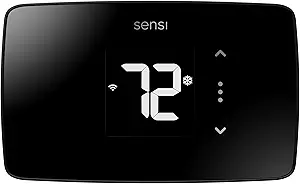 | Best Value for Basic Smart Control | Connectivity: WiFi | Compatibility: Most HVAC systems with C-wire | Certification: Energy Star | VIEW ON AMAZON | See Our Full Breakdown |
| Honeywell Home RTH9585WF Wi-Fi Smart Color Thermostat, 7 Day Programmable, Touch Screen, Energy Star, Alexa Ready |  | Best for Customization and Scheduling | Color: Gray | Programmable: 7 Day | Display: Touch Screen | VIEW ON AMAZON | See Our Full Breakdown |
| ecobee Smart Thermostat Essential – WiFi, Energy Star Certified, Compatible with Siri, Alexa, Google Assistant |  | Best for Ecosystem Integration and Sensor Support | Compatibility: Most 24 VAC HVAC systems | Connectivity: WiFi | Energy Star Certified: Yes | VIEW ON AMAZON | See Our Full Breakdown |
| Honeywell Home X2P Programmable Thermostat, White | RTH20B Single-Stage, 1 Heat/1 Cool Compatibility, 5-2 Day Schedule |  | Best for Simplicity and Reliability | Compatibility: 1 Heat/1 Cool, hot water, forced air | Schedule: 5-2 day programming | Display: Backlit | VIEW ON AMAZON | See Our Full Breakdown |
| Heagstat WiFi Thermostat for Home Conventional System, 1 Heat/1 Cool, APP Remote Control, 7-Day Programmable |  | Best for Simplicity and Remote Control | Compatibility: Single-stage 1 Heat/1 Cool systems (Gas, Oil, Electric) | Wiring: Requires C-wire, compatible with RH, RC, W, Y, G, C terminals | WiFi Frequency: 2.4GHz only | VIEW ON AMAZON | See Our Full Breakdown |
| Honeywell Home RTH9600WF Smart Color Thermostat ENERGY STAR Wi-Fi Programmable Touchscreen Alexa Ready |  | Best for Customization and System Compatibility | Energy Star Certified: Yes | Display: High-definition color touchscreen | Compatibility: Forced air, hot water, steam, heat pumps with electric backup | VIEW ON AMAZON | See Our Full Breakdown |
| ecobee Smart Thermostat Enhanced, Programmable WiFi Thermostat |  | Best for Energy Savings and Learning Preferences | Energy Star Certified: Yes | Compatibility: Supports 90% of HVAC systems | Control: WiFi, Smartphone, Tablet, Apple Watch | VIEW ON AMAZON | See Our Full Breakdown |
| Honeywell Home X2S Smart Wi-Fi Thermostat, Gray |  | Best for Compatibility and Smart Ecosystem Integration | Compatibility: Conventional/Heat Pump | Wi-Fi: Yes | C-Wire Required: Yes | VIEW ON AMAZON | See Our Full Breakdown |
| Google Nest Thermostat – Smart Thermostat for Home – Programmable Wi-Fi Thermostat – Charcoal | 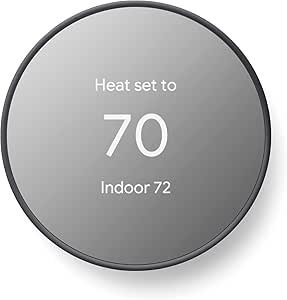 | Best for Ease of Use and Smart Integration | Connectivity: Wi-Fi 2.4 GHz / 5 GHz | Compatibility: Most homes without C-wire, check online | Features: HVAC monitoring, remote control, energy saving | VIEW ON AMAZON | See Our Full Breakdown |
| smart thermostats for heatonly system | Compatibility |
|---|---|
| Google Nest Thermostat | Most systems without a C wire; check online |
| Amazon Smart Thermostat | Works with Alexa and Ring |
| Meross Matter Smart Thermostat | Most HVAC systems (excluding electric baseboards, millivolt, two-wire) |
| WiFi Smart Thermostat for Home | Single-stage heating and cooling |
| Programmable Thermostat for Ho | Single or multi-stage systems, including forced air, electric, hot water, and gas |
| Sensi Smart Thermostat | Most HVAC systems, no common wire required |
| Sensi Lite Smart Thermostat | Most HVAC systems with C-wire |
| Honeywell Home RTH9585WF Wi-Fi | — |
| ecobee Smart Thermostat Essent | Most 24 VAC HVAC systems |
| Honeywell Home X2P Programmabl | 1 Heat/1 Cool, hot water, forced air |
| Heagstat WiFi Thermostat for H | Single-stage 1 Heat/1 Cool systems (Gas, Oil, Electric) |
| Honeywell Home RTH9600WF Smart | Forced air, hot water, steam, heat pumps with electric backup |
| ecobee Smart Thermostat Enhanc | Supports 90% of HVAC systems |
| Honeywell Home X2S Smart Wi-Fi | Conventional/Heat Pump |
| Google Nest Thermostat | Most homes without C-wire, check online |
More Details on Our Top Picks
Google Nest Thermostat – Smart Wi-Fi Programmable Thermostat for Home – Snow
The Google Nest Thermostat stands out for its intuitive interface and seamless integration with Google Assistant and Alexa, making it ideal for those seeking a versatile, voice-controlled solution. Compared to the Meross Matter Thermostat, Nest offers broader HVAC compatibility and HVAC monitoring features, but it may require a C wire for certain systems, which could complicate installation. Its energy-saving schedules and support for Nest Renew help reduce costs and promote sustainable living. However, the lack of a lock feature could pose issues in households with children. This pick is best suited for homeowners who prioritize smart features and voice control, and are comfortable verifying wiring compatibility.
Pros:- Supports HVAC monitoring and energy-saving schedules
- Remote control via app and voice commands
- Integrates with Google Assistant and Alexa for convenience
Cons:- May require a C wire for installation in some systems
- No lock feature for temperature control
Best for: Homeowners seeking a highly compatible, energy-efficient smart thermostat with voice control and HVAC monitoring.
Not ideal for: Renters or those with incompatible wiring who need a straightforward installation without additional wiring checks.
- Connectivity Protocol:Wi-Fi
- Energy Star Certified:Yes
- Compatibility:Most systems without a C wire; check online
- Control:Remote via app, voice control with Google Assistant and Alexa
- Features:HVAC monitoring, energy-saving schedules, Nest Renew support
Our verdict“This thermostat is ideal for users who want comprehensive smart features and flexible voice control, provided their system is compatible.”
Amazon Smart Thermostat
The Amazon Smart Thermostat makes a compelling choice for those who value straightforward installation and deep integration with Alexa and Ring devices. Its DIY-friendly setup with app guidance contrasts with the more advanced installation needs of the Meross or Nest models, though it still requires a C wire. It’s particularly suitable for Amazon ecosystem users who want to reduce energy costs—estimated at around $90 annually—without complex setup steps. However, the dependency on a C wire and compatible Alexa devices limits flexibility for some users. This thermostat is best suited for Alexa-centric households that want an affordable, easy-to-install smart heating solution.
Pros:- Easy DIY installation with app guidance
- Compatible with Alexa and Ring devices
- Helps save energy and reduce costs
Cons:- Requires a C wire for installation
- Full features depend on compatible Alexa devices
Best for: Amazon Alexa users who prefer a simple, cost-effective smart thermostat with DIY installation.
Not ideal for: Homeowners without a C wire or those not using Alexa, as full functionality depends on these factors.
- Compatibility:Works with Alexa and Ring
- C-wire required:Yes
- Energy savings:Estimated $90 annually
- Installation:DIY with app guidance
- Technology:Honeywell Home Thermostat Technology
Our verdict“This thermostat is best for Alexa users seeking an affordable, straightforward smart heating control with minimal setup complexity.”
Meross Matter Smart Thermostat for Home, Programmable WiFi Thermostat with Voice Control
The Meross Matter Smart Thermostat shines for its broad platform compatibility, supporting Apple Home, Alexa, and Google Assistant, making it ideal for diverse smart home setups. Unlike the Nest or Amazon models, it offers customizable scheduling and smart alerts that help optimize energy use and home comfort. Its sleek glass design adds a modern touch, but it requires a C wire that’s not included, which could complicate installation for some. Additionally, it’s incompatible with electric baseboards and certain two-wire systems, limiting its versatility in some homes. This pick is best for tech-savvy users who want a flexible, multi-platform smart thermostat that integrates smoothly with existing systems.
Pros:- Compatible with Apple Home, Alexa, Google, SmartThings
- Customizable scheduling and smart alerts
- Sleek, modern design
Cons:- Requires a C wire, not included
- Not suitable for electric baseboard heaters or two-wire systems
Best for: Smart home enthusiasts who want platform flexibility and customizable energy management.
Not ideal for: Users with electric baseboard heaters or incompatible wiring who need plug-and-play solutions.
- Compatibility:Most HVAC systems (excluding electric baseboards, millivolt, two-wire)
- Connectivity:WiFi, Matter-certified platforms
- C-wire required:Yes (not included)
- Design:Sleek glass panel in black or white
- Installation:Easy with step-by-step app instructions
Our verdict“Ideal for owners who value multi-platform support and detailed customization, provided their wiring matches system requirements.”
WiFi Smart Thermostat for Home – Single-Stage, APP Remote Control, 7-Day Programmable
This WiFi thermostat caters to those with single-stage heating or cooling systems seeking precise temperature control and simple scheduling. Its straightforward app-based remote control and 7-day programmable schedule make it easy to set and forget, but it’s limited to single-stage systems. Compared with the Meross or Nest, it offers less smart integration but excels in ease of use for basic setups. The requirement for a C wire and lack of battery operation could be a hurdle for some, especially in older homes. This model is best for homeowners with simple HVAC systems who prioritize ease of programming over advanced smart features.
Pros:- Remote control via smartphone app
- 7-day programmable schedule
- Ease of use for simple systems
Cons:- Requires C wire for installation
- Not compatible with multi-stage systems
Best for: Owners of single-stage heating/cooling systems seeking reliable remote control and scheduling.
Not ideal for: Homes with multi-stage systems or those wanting advanced smart features like HVAC monitoring or voice control.
- Connectivity:WiFi
- Compatibility:Single-stage heating and cooling
- Control:Smartphone app remote control
- Programming:7-day schedule
- Power:Requires C-wire, no battery
Our verdict“Best suited for users with basic HVAC setups who want straightforward, reliable temperature scheduling and control.”
Programmable Thermostat for Home HVAC Systems, 2 Heat/2 Cool, White Backlight
This thermostat offers broad compatibility with various HVAC systems, including two-stage heating and cooling, making it suitable for more complex setups than the single-stage options. Its large backlit LCD and straightforward installation process make it accessible, even for DIY enthusiasts. Unlike the Nest or Meross, it lacks smart home platform integrations but excels in providing flexible programming options, including a 7-day schedule tailored to diverse household needs. Its major limitation is incompatibility with heat pumps that have auxiliary or emergency heat, so it’s best for traditional systems. This model makes the most sense for users who want a reliable, flexible programmable thermostat without smart home connectivity.
Pros:- Easy installation with large terminal blocks
- Flexible 7-day programming
- Universal compatibility with many HVAC types
- Backlit LCD for easy reading
Cons:- Not compatible with heat pumps with auxiliary/emergency heat
- Limited smart home integration
Best for: Homeowners with multi-stage HVAC systems seeking easy installation and flexible scheduling.
Not ideal for: Users with heat pumps with auxiliary or emergency heat or those seeking advanced smart features.
- Compatibility:Single or multi-stage systems, including forced air, electric, hot water, and gas
- Stages:2 Heat / 2 Cool
- Display:Backlit LCD
- Installation:Within 30 minutes
- Programming:7-day, 5/1/1 schedule
Our verdict“Ideal for users with multi-stage systems needing a reliable, flexible programmable thermostat without smart features.”
Sensi Smart Thermostat, Wi-Fi, DIY, Alexa, Energy Star Certified, ST55
The Sensi ST55 stands out for its straightforward DIY installation, with clear instructions and an integrated level that simplifies setup. Compared to the ecobee Essential, it lacks some advanced sensors but offers excellent compatibility with most HVAC systems without requiring a C-wire, making it ideal for many retrofit projects. Its energy-saving features, which can cut HVAC costs by approximately 23%, combined with remote access and detailed usage reports, provide a comprehensive experience for tech-savvy homeowners. However, full functionality depends on a stable Wi-Fi connection, and some users may find it necessary to upgrade wiring for certain features. This thermostat excels for those seeking a reliable, easy-to-install smart thermostat that balances affordability with core smart features.Pros:- Simple DIY installation with clear instructions and built-in level
- Energy-saving features reduce costs by about 23%
- Remote access and detailed usage reports
Cons:- Requires Wi-Fi connection for full functionality
- Some advanced features may need additional wiring
Best for: Homeowners who want a versatile, easy-to-install smart thermostat with good energy savings and remote monitoring.
Not ideal for: Users with complex HVAC systems requiring advanced wiring or proprietary control, as it may need additional wiring or may not support all system types.
- Privacy Protection:Won’t sell personal information
- Installation:DIY with built-in level and app instructions
- Energy Savings:Approximately 23% on HVAC energy
- Compatibility:Most HVAC systems, no common wire required
- Design:Looks and feels like a traditional thermostat
Our verdict“This thermostat is ideal for homeowners seeking a reliable, easy-to-install smart option with solid energy savings.”
Sensi Lite Smart Thermostat, WiFi, Alexa, DIY, Energy Star Certified, ST25
The Sensi Lite ST25 offers an excellent entry point for those wanting remote control and energy savings without extra bells and whistles. It compares favorably to the Ecobee Essential by providing straightforward scheduling and geofencing, which can help users save around 23% on energy costs, but it’s more limited in features—lacking smart sensors and advanced customization. Its requirement for a C-wire restricts use with some heat pump systems, and it’s less suited for those seeking extensive smart home integration. This pick makes the most sense for budget-conscious homeowners who want reliable, basic smart thermostat features without overcomplicating installation.Pros:- Easy DIY installation with built-in level and instructions
- Energy savings of about 23%
- Remote control via smartphone app
Cons:- Requires a C-wire, limiting compatibility
- Limited feature set compared to higher-end models
Best for: Budget-conscious homeowners with HVAC systems that include a C-wire, seeking simple remote control and energy savings.
Not ideal for: Homeowners with systems lacking a C-wire or those wanting advanced features like sensors or custom schedules, as it offers only basic options.
- Connectivity:WiFi
- Compatibility:Most HVAC systems with C-wire
- Certification:Energy Star
- Control:Mobile app for Android and iOS
- Voice Assistant Compatibility:Alexa
Our verdict“This thermostat is best for users wanting a simple, affordable smart solution that covers basic remote control and energy saving needs.”
Honeywell Home RTH9585WF Wi-Fi Smart Color Thermostat, 7 Day Programmable, Touch Screen, Energy Star, Alexa Ready
The Honeywell RTH9585WF offers a vibrant color touch screen and flexible 7-day programmable schedule, making it appealing for users who prioritize control and customization. Compared to the ecobee Smart Thermostat Essential, it provides a more user-friendly interface but requires a C-wire, which could complicate installation for some. Its support for energy-saving programs and voice control via Alexa and Google Home make it a strong choice for those wanting a versatile, scheduled thermostat with a modern display. However, its installation process can be more complex, especially for non-standard wiring setups. This model suits homeowners who value detailed scheduling, visual customization, and voice control integration.Pros:- Vibrant color touchscreen for easy control
- Supports 7-day programmable scheduling
- Compatible with Alexa and Google Assistant
Cons:- Requires a C-wire for installation
- Potentially complex setup for some wiring configurations
Best for: Homeowners who want a highly customizable, schedule-friendly thermostat with a colorful display and voice control support.
Not ideal for: Users without the necessary C-wire or those preferring a simpler, less feature-rich device, as setup can be more involved.
- Color:Gray
- Programmable:7 Day
- Display:Touch Screen
- Energy Star Certified:Yes
- Works with:Amazon Alexa, Google Home
Our verdict“This thermostat is perfect for users who want detailed scheduling and a colorful interface, willing to handle a more involved installation.”
ecobee Smart Thermostat Essential – WiFi, Energy Star Certified, Compatible with Siri, Alexa, Google Assistant
The ecobee Essential excels for users seeking seamless integration with major smart home platforms like Alexa, Google, and Siri. It offers energy savings up to 23%, aided by optional SmartSensors for room-specific temperature control, which makes it more adaptable than simpler models like the Honeywell X2P. Its DIY installation is straightforward, especially with the Power Extender Kit, eliminating the need for a C-wire in most cases. The tradeoff lies in the additional cost for sensors and accessories, which can raise the overall investment. This thermostat is ideal for tech-savvy users wanting a flexible, sensor-enabled system that adapts to their smart home ecosystem.Pros:- Supports major smart home platforms including Siri, Alexa, and Google
- Optional SmartSensors for room-specific control
- Easy DIY installation with optional Power Extender Kit
Cons:- SmartSensors and Power Extender Kit sold separately
- Requires WiFi for full functionality
- Compatibility should be verified for some HVAC systems
Best for: Homeowners who want ecosystem compatibility, room-level control, and smart features for improved comfort and efficiency.
Not ideal for: Users with basic heating needs or those on a tight budget, as additional sensors and accessories increase overall cost.
- Compatibility:Most 24 VAC HVAC systems
- Connectivity:WiFi
- Energy Star Certified:Yes
- SmartHome Compatibility:Apple HomeKit, Google Assistant, Alexa
- Display:Color touchscreen
- Features:Indoor humidity detection, schedule assistant, eco+ smart features
Our verdict“This pick is best for users looking to integrate their thermostat into a smart home ecosystem with room-level control options.”
Honeywell Home X2P Programmable Thermostat, White | RTH20B Single-Stage, 1 Heat/1 Cool Compatibility, 5-2 Day Schedule
The Honeywell X2P RTH20B offers a straightforward approach with a large backlit display and simple programming options, making it suitable for basic heating setups. Unlike the more advanced Honeywell RTH9585WF, it lacks Wi-Fi connectivity but provides reliable manual scheduling and filter reminders, making it a solid choice for those who prefer simplicity over smart features. Its compatibility with single-stage systems and easy installation with Honeywell’s UWP wall plate make it accessible for many homeowners. However, it doesn’t support electric baseboard heat, and its lack of remote control limits flexibility. This thermostat suits users seeking a dependable, easy-to-use device for standard heating systems without the need for smart features.Pros:- Easy installation with Honeywell UWP wall plate
- Large, clear display for easy reading
- Reminds about air filter changes
Cons:- No Wi-Fi or remote access
- Limited to basic 5-2 day programming
Best for: Homeowners wanting a reliable, no-frills programmable thermostat for basic single-stage systems.
Not ideal for: Those seeking smart control or advanced scheduling, as it lacks Wi-Fi and remote features.
- Compatibility:1 Heat/1 Cool, hot water, forced air
- Schedule:5-2 day programming
- Display:Backlit
- Power:2 AA batteries (not included)
- Warranty:1 year
Our verdict“This thermostat is best for users who prioritize reliability and simplicity over smart features or remote control functionality.”
Heagstat WiFi Thermostat for Home Conventional System, 1 Heat/1 Cool, APP Remote Control, 7-Day Programmable
This thermostat stands out for its straightforward design tailored for single-stage heating and cooling systems, making it ideal for homeowners who want reliable remote control without complicated features. Compared with the ecobee Smart Thermostat Enhanced, it offers less advanced occupancy sensing but keeps things simple with a dedicated app and a clear LCD display. Its main tradeoff is the need for a C-wire, which might limit compatibility in older homes. If you prioritize ease of use over smart features, this model provides accurate temperature regulation and flexible scheduling, but it won’t suit multi-stage or heat pump systems.
Pros:- Remote control via smartphone app for convenient operation
- Supports customizable 7-day scheduling to fit routines
- Backlit LCD screen for easy readability in any light
- Accurate temperature regulation within 2°F
Cons:- Requires a C-wire, limiting compatibility with some systems
- Limited to single-stage systems, not suitable for multi-stage or heat pumps
Best for: Homeowners with single-stage systems seeking a budget-friendly, remotely controllable thermostat.
Not ideal for: Users with multi-stage or heat pump systems, or homes without a C-wire, as this model isn’t compatible with those setups.
- Compatibility:Single-stage 1 Heat/1 Cool systems (Gas, Oil, Electric)
- Wiring:Requires C-wire, compatible with RH, RC, W, Y, G, C terminals
- WiFi Frequency:2.4GHz only
- Programmable:7-day scheduling
- Temperature Accuracy:Within 2°F
- Dimensions:0.98 x 4.72 x 3.86 inches
Our verdict“This pick is best for users with single-stage systems who want a simple, remote-controlled thermostat without extra smart features.”
Honeywell Home RTH9600WF Smart Color Thermostat ENERGY STAR Wi-Fi Programmable Touchscreen Alexa Ready
This thermostat makes a compelling choice for those who want a high-definition touchscreen and extensive compatibility with various systems like forced air, hot water, and steam. Compared with the Honeywell X2S, it offers a more vibrant display and advanced energy tracking, but it requires a C-wire and may need additional accessories for some installations. Its energy-saving features and Alexa readiness make it suitable for tech-savvy homeowners, though its setup can be complex for less experienced users. If you value detailed control and system versatility, this model delivers, but it may be overkill for basic single-stage systems.
Pros:- Energy Star certified for efficiency and rebates
- High-definition color touchscreen for easy navigation
- Compatible with a wide range of systems including forced air and steam
- Supports Alexa and smart home integration
Cons:- Requires a C-wire for installation, which may complicate setup
- Not compatible with electric baseboard heat
Best for: Homeowners with multiple system types seeking a customizable, visually appealing thermostat with smart home integration.
Not ideal for: Users with simpler setups or no C-wire, as installation may be more involved and the features more than they need.
- Energy Star Certified:Yes
- Display:High-definition color touchscreen
- Compatibility:Forced air, hot water, steam, heat pumps with electric backup
- C-Wire Required:Yes
- Includes:Thermostat, Wall Plate, Screws, Anchors, Quick Start Guide, Thermostat ID Card, Wire Labels, User Guide
- Dimensions:Not specified
Our verdict“Ideal for homeowners who want a flexible, visually rich thermostat with smart home compatibility and detailed energy management.”
ecobee Smart Thermostat Enhanced, Programmable WiFi Thermostat
This model excels at reducing heating and cooling costs by up to 26% annually through occupancy sensing and learning algorithms, making it perfect for energy-conscious users. Compared to the Honeywell RTH9600WF, it offers more automation by adjusting temperatures based on occupancy patterns, but it requires WiFi for full functionality and compatibility checks for certain HVAC systems. The included accessories simplify DIY installation, yet some users might find setup challenging if their system isn’t fully supported. If you want a thermostat that adapts to your habits to maximize savings, this is a strong choice, though it may be more complex than basic models.
Pros:- Saves up to 26% on energy costs annually
- Learns user preferences for optimal comfort
- Supports smart home platforms and remote control
- Easy DIY installation with included kits
Cons:- Compatibility depends on HVAC system, requiring verification
- WiFi connection needed for full features
- Setup might be complex for non-technical users
Best for: Homeowners willing to invest in energy savings who prefer a learning thermostat with smart platform support.
Not ideal for: Users with non-compatible HVAC systems or those uncomfortable with tech setup, as this requires compatibility checks and WiFi connection.
- Energy Star Certified:Yes
- Compatibility:Supports 90% of HVAC systems
- Control:WiFi, Smartphone, Tablet, Apple Watch
- Includes:Power Extender Kit, Trim Kit
- Features:Occupancy sensing, learning preferences, humidity adjustment
Our verdict“Best suited for energy-savvy homeowners seeking a smart, adaptive thermostat that learns your habits over time.”
Honeywell Home X2S Smart Wi-Fi Thermostat, Gray
This thermostat offers broad compatibility with conventional and heat pump systems, making it suitable for diverse setups, especially those who want extensive smart home integration. Compared with the Ecobee, it provides a more straightforward scheduling system and customizable display, but still requires a C-wire or power adapter, which could complicate installation. Its compatibility with Alexa, Google Assistant, and Apple Home Kit makes it a versatile choice for integrated smart homes, though installation can be challenging for some users. If you need a reliable, flexible Wi-Fi thermostat that fits into various HVAC configurations, this is a solid pick, but be prepared for potential wiring issues.
Pros:- Compatible with major smart home platforms including Alexa, Google Assistant, and Apple Home Kit
- Customizable scheduling and display settings
- Supports energy-saving features and rebate programs
- Two-year warranty for peace of mind
Cons:- Requires C-wire or a power adapter for installation
- Setup can be complex for less experienced users
Best for: Homeowners with multiple system types seeking a flexible, multi-platform compatible smart thermostat.
Not ideal for: Those without a C-wire or comfortable with complex wiring, as installation may be more involved.
- Compatibility:Conventional/Heat Pump
- Wi-Fi:Yes
- C-Wire Required:Yes
- Display:Customizable
- Scheduling:5-1-1 day, 5-2 day, 7 day, or 1 week
- Warranty:2 years
Our verdict“Ideal for users who want a flexible, multi-platform compatible thermostat that adapts to various HVAC systems and smart home setups.”
Google Nest Thermostat – Smart Thermostat for Home – Programmable Wi-Fi Thermostat – Charcoal
The Nest Thermostat earns its place for its simple, user-friendly design and effective energy management features. It supports many home setups and can work without a C-wire in most cases, making installation easier for many users compared to models like the Honeywell X2S. It offers smart scheduling, HVAC monitoring, and remote control via the Google Home app, but lacks a lock feature, which could be a concern for households with children or shared spaces. Its compatibility with many smart home platforms and voice control options makes it accessible, though some systems may require additional wiring or accessories. If you need a straightforward, reliable smart thermostat that integrates with Google and other platforms, this model is a solid choice.
Pros:- Energy-efficient with smart scheduling and HVAC monitoring
- Remote control via smartphone and voice assistants
- Easy to install in most homes without C-wire
- Compatible with many smart home platforms
Cons:- Lock feature not available, which may be a concern in shared households
- Some systems may require additional wiring or accessories
Best for: Homeowners seeking a simple, intuitive smart thermostat with broad compatibility and easy installation.
Not ideal for: Users who want advanced locking features or have complex wiring needs, as some systems may require extra accessories.
- Connectivity:Wi-Fi 2.4 GHz / 5 GHz
- Compatibility:Most homes without C-wire, check online
- Features:HVAC monitoring, remote control, energy saving
- Color:Charcoal
- Voice Control:Google Assistant, Alexa, Matter
Our verdict“Perfect for users who prioritize ease of installation and seamless smart integration with minimal fuss.”

How We Picked
The products in this roundup were selected based on their compatibility with heat-only systems, ease of installation, user interface, connectivity options, and overall value. We prioritized models that offer reliable Wi-Fi connectivity and voice control support, as these are crucial for a seamless smart home experience. Durability, build quality, and energy-saving features also played a significant role in ranking. By comparing user reviews, technical specifications, and brand reputation, we aimed to highlight options that balance performance with affordability. The top picks represent a mix of advanced features and straightforward usability to serve a variety of buyers.Factors to Consider When Choosing Smart Thermostats For Heatonly Systems
Choosing the right smart thermostat for a heat-only system involves understanding several key factors that influence usability, compatibility, and long-term savings. Not all thermostats are created equal, especially when it comes to systems that only heat. Being aware of these considerations can help you avoid common pitfalls and ensure your investment meets your needs effectively.Compatibility with Heat-Only Systems
The most critical factor is verifying that the thermostat is compatible with your specific heat-only system, whether it’s a boiler, furnace, or radiator-based setup. Some models are designed exclusively for dual systems and may not work with single-heat systems, leading to installation issues or lack of control. Always check the product specifications and consult your HVAC professional if unsure. Misjudging compatibility can mean expensive rewiring or returning a device that simply won’t work for your setup.
Ease of Installation and Setup
Many heat-only systems benefit from thermostats that are straightforward to install, especially if you plan a DIY upgrade. Look for models with detailed instructions, clear wiring diagrams, and minimal setup steps. Some brands offer app-guided installation, which can reduce errors and frustration. Conversely, overly complex models may require professional installation, adding to the total cost. Prioritize options that balance feature set with install simplicity, especially if you’re not comfortable with electrical work.
Smart Features and Connectivity
Features like voice control, remote access via smartphone, and integration with smart home platforms can greatly enhance usability. However, the more advanced the features, the higher the cost may be, and some models might require additional hubs or subscriptions. Consider whether you want integration with Alexa, Google Assistant, or Apple HomeKit, and verify whether these features are fully supported on heat-only systems. Sometimes, a more basic model with reliable Wi-Fi connectivity can meet your needs without added complexity.
Energy Savings and Scheduling
Effective scheduling and energy monitoring help reduce your heating bills over time. Look for thermostats that support customizable schedules, geofencing, and adaptive learning if available. Not all models provide detailed energy reports, which can be useful for optimizing your heating. Be aware that some features may require a paid app subscription or cloud service, so consider ongoing costs when making your choice.
Display and User Interface
A clear, responsive display makes adjusting settings easier, especially if you prefer manual controls. Touchscreens with color displays often provide more intuitive navigation, but they can also be more fragile or expensive. Conversely, simpler models with basic LED indicators may be less attractive but more durable and budget-friendly. Think about your comfort level with digital interfaces and whether you prefer remote control or manual adjustments.
Frequently Asked Questions
Can I replace my old heat-only thermostat with a smart one myself?
In many cases, replacing an old thermostat with a compatible smart thermostat is doable as a DIY project, especially if you have basic electrical skills. Most models come with step-by-step instructions and app-guided setup. However, if your wiring is complex or you’re unsure about the connections, hiring a professional can prevent potential damage or incorrect wiring. Always double-check compatibility with your heat-only system before purchase to avoid installation issues.
Will a smart thermostat for heatonly systems work with my existing heating equipment?
Most smart thermostats are designed for specific types of heating systems, such as boilers or electric heaters, but not all are compatible with every setup. It’s essential to verify that the model supports your particular heat source and wiring configuration. Manufacturers typically list compatible systems in the specifications. Consulting your HVAC technician can also help confirm whether a particular thermostat will integrate smoothly with your existing equipment.
Are there any hidden costs associated with smart thermostats for heat-only systems?
Some smart thermostats require a subscription for premium features like detailed energy reports, advanced scheduling, or remote control. Additionally, professional installation might incur extra charges if you’re not comfortable with wiring. Consider the total cost of ownership, including potential ongoing fees, to ensure the device remains a good value over time. Reading the fine print on each product’s feature list can help you avoid surprises.
Do I need a hub or bridge for these smart thermostats?
Most modern smart thermostats are designed to connect directly to your Wi-Fi network and do not require a separate hub or bridge. This simplifies setup and reduces clutter. However, some advanced or legacy models might need an additional hub for full functionality or integration with other smart home devices. Always check the product specifications to confirm whether a hub is necessary for your preferred features.
What should I prioritize if I want a budget-friendly smart thermostat for heatonly systems?
If budget is your main concern, look for models that offer core features like Wi-Fi connectivity, basic scheduling, and compatibility with your system without unnecessary extras. Simpler interfaces and fewer integrations often translate into lower prices. Keep in mind that cheaper models might lack advanced features like voice control or energy reports, but they can still provide reliable temperature control for heat-only setups. Ensure the model you choose explicitly states compatibility with heat-only systems to avoid compatibility issues.
Conclusion
For most homeowners seeking a reliable, user-friendly option, the Google Nest Thermostat remains the best overall choice, thanks to its seamless app control and compatibility. Those prioritizing smart home integration and voice control might prefer the Ecobee Smart Thermostat Essential for its broad compatibility. Budget-conscious buyers should consider the Amazon Smart Thermostat for straightforward performance without extra costs. Beginners or those installing themselves will find models like the Honeywell Home RTH9585WF easier to set up and use. Ultimately, your choice depends on your specific system, desired features, and budget, but this roundup aims to guide you toward a smart thermostat that fits your heat-only system perfectly.