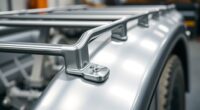
To guarantee your packs and bags stay secure, you should follow mounting standards that include adjustable straps, quick-release buckles, and padded harnesses for comfort. Properly securing your gear prevents bouncing and shifting during activities like cycling or hiking. Use reinforcement and durable materials to improve longevity, especially in rugged conditions. The right mounting techniques also help distribute weight evenly, reducing strain. Keep exploring to discover how to optimize your gear’s stability and performance for any activity.

Get sports gear delivered free with Prime
- Fast, free delivery on millions of items
- Prime Video, Amazon Music and more included
- Member-only deals all year
Key Takeaways
- Mounting standards emphasize secure attachment points, adjustable straps, and quick-release mechanisms for stability during various activities.
- Proper mounting techniques optimize weight distribution, reduce bouncing, and enhance comfort across different terrains and movements.
- Ergonomic principles guide mounting designs to minimize physical strain and improve load-bearing efficiency over prolonged use.
- Durable materials like reinforced nylon and weather-resistant fabrics ensure long-term performance and protection of mounted gear.
- Integration of secure mounting methods with high-quality materials ensures reliability, safety, and durability of packs and bags in diverse conditions.

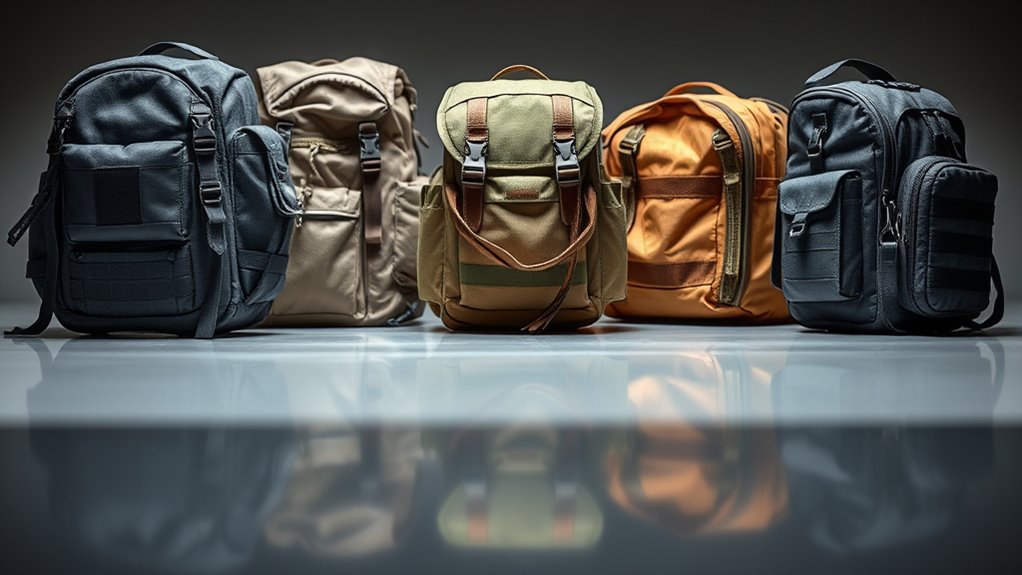
Packs and bags are vital accessories that help you carry your belongings efficiently and in style. Whether you’re heading out for a short trip or commuting daily, how you mount and secure your bag can make a big difference in comfort and safety. One of the most important factors to contemplate is the mounting techniques you use. Proper mounting techniques ensure your bag stays in place and distributes weight evenly, reducing strain on your back or shoulders. Adjustable straps, quick-release buckles, and padded harnesses are common methods that give you flexibility and control. When you choose a bag, look for features that allow you to customize the fit, like multiple attachment points or sternum straps, so you can secure your load tightly without sacrificing comfort. The way you mount your bag also impacts how well it handles different terrains or daily activities. For example, if you’re cycling, you want a secure, snug fit to prevent bouncing, which means using mounting techniques that include compression straps or clips. For everyday use, simple adjustable straps can be enough to keep your bag stable on your back or shoulder. Incorporating mindfulness of ergonomic principles can further enhance comfort and reduce physical strain during prolonged use. Material durability plays a vital role in how well your pack performs over time. When selecting a bag, you should prioritize materials that are tough enough to withstand daily wear and tear. High-quality fabrics like nylon, polyester, or ballistic nylon are popular because they resist abrasions, tears, and water damage. The durability of the material directly affects the longevity of your bag, especially if you’re frequently on the move or exposed to harsh conditions. Reinforced stitching and sturdy zippers also contribute to the overall durability, ensuring that your bag remains functional even after consistent use. It’s worth investing in bags made from weather-resistant materials if you often find yourself caught in the rain or snow. The combination of durable material and effective mounting techniques guarantees that your belongings stay secure and protected, whether you’re commuting through city streets or venturing into more rugged environments. Ultimately, the key to choosing the right packs and bags lies in understanding how your mounting techniques and material durability work together. Secure mounting keeps your gear in place, while durable materials ensure your bag lasts through repeated use and challenging conditions. By paying attention to these standards, you’ll find a bag that not only looks good but also performs reliably, making your daily routines easier and more comfortable.
mounting straps for hiking backpacks
As an affiliate, we earn on qualifying purchases.
As an affiliate, we earn on qualifying purchases.
Frequently Asked Questions
What Are the Most Durable Materials for Mounting Bags?
You should choose materials known for their durability and weather resistance, like heavy-duty nylon, ballistic polyester, or Cordura. These fabrics withstand rough handling, resist tearing, and endure harsh weather conditions like rain and snow. By selecting these high-quality materials, you guarantee your mounting bags stay secure and intact longer, even in tough environments. Their strength and weather resistance make them ideal for demanding outdoor activities and daily use.
How Do I Choose the Right Mounting Standard for My Pack?
Choosing the right mounting standard is like finding the perfect dance partner—compatibility and rhythm matter. You want a system that matches your pack’s mounting compatibility and allows for user customization, so your gear moves with you seamlessly. Consider how easily it attaches and detaches, and whether it suits your activity style. A well-chosen standard guarantees your pack stays secure while giving you the freedom to personalize your setup.
Are There Universal Mounting Standards Across Different Brands?
No, there aren’t universal mounting standards across all brands. You’ll find that most packs are designed with brand-specific standards, meaning compatibility isn’t guaranteed between different brands. To verify your pack fits securely, check if it supports universal compatibility features or if it’s compatible with your brand’s specific mounting standards. Always review manufacturer details or consult customer support to confirm compatibility before purchasing or attaching accessories.
How Do Weather Conditions Affect Mounting System Performance?
Weather conditions considerably impact your mounting system’s performance. Heavy rain or snow can cause moisture to seep in if the system isn’t moisture-resistant, leading to corrosion or slippage. Extreme cold can make materials brittle, while heat can weaken straps or adhesives. To guarantee reliability, choose mounting systems with good weather impact resistance, and regularly check for signs of wear or damage caused by changing weather.
Can I Modify Existing Mounts to Fit New Bags?
Yes, you can modify existing mounts for new bags by implementing mount modification techniques. This allows you to create custom mounting solutions tailored to your specific bag dimensions and attachment points. verify you use compatible materials and secure fastenings to maintain stability and safety. If you’re unsure, consulting a professional or using adjustable mounting accessories can help you achieve a perfect fit and reliable performance.
Conclusion
By understanding mounting standards for packs and bags, you guarantee your gear stays secure and functions perfectly. Following these guidelines not only prolongs the life of your equipment but also keeps you safe and prepared. So, next time you choose a pack or bag, ask yourself: are you prioritizing quality and compatibility? Remember, the right standards make all the difference in your outdoor adventures. Are you ready to elevate your gear game?
Halloween Picks
halloween
As an affiliate, we earn on qualifying purchases.