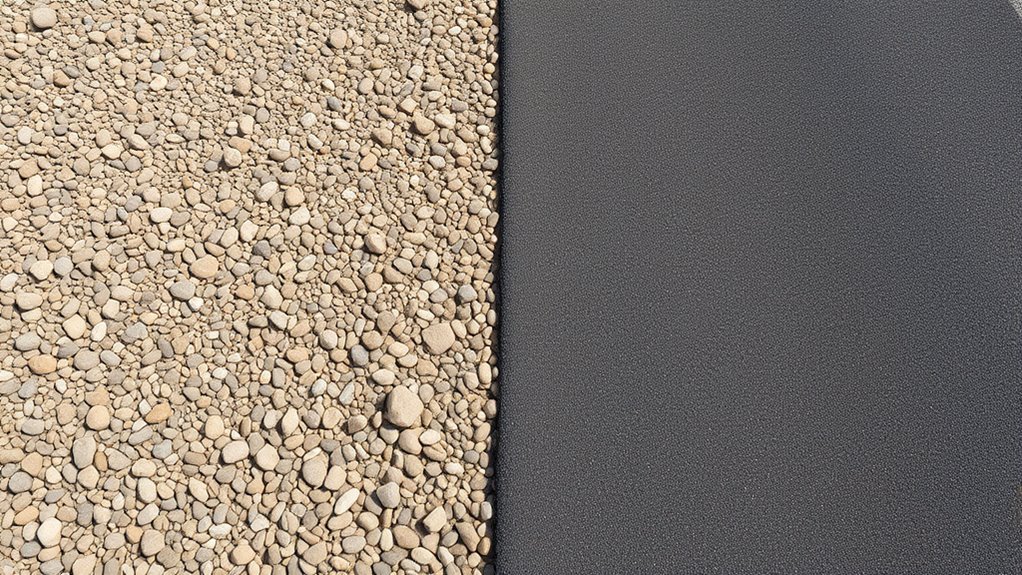

You’ll notice that gravel surfaces are uneven and loose, making tire grip more challenging, especially during sharp turns or acceleration. Paved roads are smoother, with consistent surfaces and predictable curves that allow for safer, higher-speed driving. Road geometry on paved surfaces emphasizes gentle slopes and curves, helping maintain vehicle stability. Understanding these differences can help you adapt your driving style for safety and control—if you want to explore more about how surface and design affect your journey, keep going.
Key Takeaways
- Gravel surfaces are uneven and loose, causing variable traction and challenging vehicle stability, unlike smooth, predictable paved roads.
- Paved roads feature designed curves and slopes for safer, higher-speed navigation, whereas gravel roads have irregular geometry with bumps and loose material.
- Road geometry on paved surfaces emphasizes gentle curves and slopes for safety, while gravel roads have rougher, less predictable layouts.
- Paved roads promote steady driving with predictable curves, reducing skidding risks compared to the variable and bumpy geometry of gravel surfaces.
- Surface type directly influences vehicle control, with paved roads offering consistent geometry that supports higher speeds and better handling.
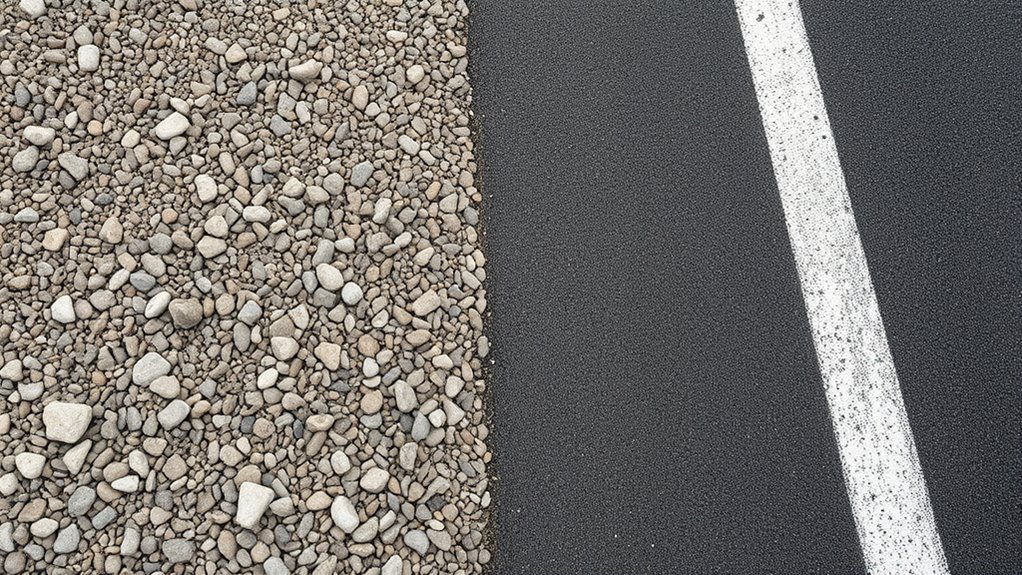
When choosing between gravel and paved roads, understanding how road geometry affects your driving experience is essential. Road geometry encompasses the design and layout of the roadway, including curves, slopes, and surface types. These elements directly influence tire traction and suspension dynamics, which are critical for maintaining control and comfort while driving. On gravel roads, the surface is uneven and loose, which challenges your tires to grip the terrain effectively. The irregular surface reduces tire traction, especially during sharp turns or sudden accelerations, making it easier to slip or lose control. Because of this, you need to adjust your driving style—slowing down and steering smoothly—to compensate for less predictable grip. The suspension system also plays a key role on gravel. Its ability to absorb bumps and vibrations helps maintain contact between your tires and the uneven surface, improving traction and reducing discomfort. A well-tuned suspension prevents excessive bouncing or skidding, allowing you to navigate rough terrain more safely. Additionally, understanding terrain variability helps you better anticipate the vehicle’s behavior on different surfaces.
In contrast, paved roads feature a smoother, more consistent surface, resulting in different considerations related to their geometry. Curves on paved roads tend to be more predictable because the surface offers better tire grip, allowing you to maintain higher speeds through bends without losing traction. The flat, even surface minimizes sudden shifts in suspension dynamics, providing a stable platform that enhances comfort and vehicle control. Because of this stability, your suspension doesn’t need to work as hard to keep the tires in contact with the road, which often translates into less wear and tear over time. Road geometry on paved surfaces is typically designed with safety in mind, with gentle curves and gentle slopes that encourage steady driving. This design helps optimize tire traction, especially when braking or accelerating, and reduces the likelihood of skidding or sliding.
Understanding these differences in road geometry means you can adapt your driving accordingly. On gravel, stay alert to the reduced tire traction and make smooth, deliberate movements to prevent slipping. Your suspension should be managed carefully, avoiding sudden bumps that could destabilize the vehicle. On paved roads, you can generally maintain higher speeds and sharper turns, thanks to improved tire grip and predictable suspension behavior. Recognizing how the geometry of each surface influences these dynamics allows you to choose the right approach for safety and comfort, no matter the terrain. Being aware of these factors ensures you’re prepared for the unique challenges each type of road presents, helping you drive more confidently and efficiently.
EVOC Road Bike Bag with Molded Polycarbonate Bike Block and Skate Wheels (285L, Black)
Practical and versatile: The EVOC BAG is light, stable and offers enough space for all kinds of bike...
As an affiliate, we earn on qualifying purchases.
Frequently Asked Questions
How Does Gravel Road Maintenance Impact Geometry?
Your gravel road maintenance greatly impacts its geometry through regular grading techniques, which help reshape and smooth the surface. Proper grading prevents uneven surfaces and maintains proper drainage, reducing erosion. Erosion control measures, like adding gravel or installing barriers, further protect the road’s structure. By consistently maintaining your gravel road with these techniques, you guarantee a safer, more durable route that retains its proper geometry and minimizes costly repairs.
What Tools Are Best for Measuring Road Geometry?
Think of road geometry as the backbone of your project, and survey tools as your trusted compass. You’ll want to use high-precision measurement techniques like total stations, laser scanners, and GPS-based systems. These tools give you accurate, reliable data to assess and maintain the road’s alignment, slope, and curvature. With the right combination, you can navigate even the trickiest terrains, ensuring your road stays true and functional.
How Does Weather Affect Gravel and Paved Road Geometries?
Weather effects considerably impact gravel and paved road geometries, influencing pavement performance. Heavy rain can cause erosion or washouts on gravel roads, leading to uneven surfaces and shifting alignments. Paved roads may experience expansion, contraction, or cracking due to temperature fluctuations. Snow and ice can make both types slippery and hazardous, reducing grip and increasing wear. You should regularly monitor and maintain roads to address these weather-related changes, ensuring safety and longevity.
Can Road Geometry Influence Vehicle Fuel Efficiency?
You might think road geometry doesn’t affect fuel efficiency, but it actually plays a significant role. Well-designed curves and smooth surfaces improve vehicle aerodynamics, reducing drag. Additionally, proper alignment minimizes tire rolling resistance, conserving fuel. If you optimize these aspects, your vehicle uses less energy, saving you money and reducing emissions. So, yes, thoughtful road geometry can boost your vehicle’s fuel efficiency by enhancing aerodynamics and lowering rolling resistance.
Are There Standard Measurements for Optimal Road Geometry?
Yes, there are standard measurements for ideal road geometry, designed to guarantee safety and efficiency. These include specific lane widths, curve radii, and sight distances that follow established guidelines. By adhering to these standards, you can create a suitable design that enhances vehicle flow, reduces accidents, and improves overall driving comfort. Always consult local or international standards, such as AASHTO or ISO, to determine the best measurements for your project.

KEMIMOTO Bike Travel Bag, Heavy-Duty 900D Water-Resistant with Fixed Buckles & Interior Compartments, Airplane Bicycle Storage Box Cases Fits 26-29 Inch Mountain, Road E-Bikes (55.9" x 12.6" x 33")
Bike Travel Bag Size Details: Unfolded size - 55.91” x 33.07” x 12.60” (142 x 84 x 32...
As an affiliate, we earn on qualifying purchases.
Conclusion
When choosing between gravel and paved roads, understanding their geometry can make all the difference. Did you know that gravel roads typically have a wider turning radius, reducing sharp turns? This means you’ll experience smoother navigation on gravel, especially at higher speeds. So, whether you’re planning a scenic ride or daily commute, knowing these differences helps you prepare better. Ultimately, selecting the right road type enhances safety and comfort—making your journey more enjoyable every time.

CONFUTURY Bike Travel Bag, 900D Heavy Duty Bicycle Transport Case with 3 Fixed Buckles & Separate Compartments, Large Airplane Storage Carrier for 26-29" MTB & Road Bikes
900D Heavy Duty Protection: Crafted from premium 900D high-density Oxford fabric with a reinforced 210D lining, this bicycle...
As an affiliate, we earn on qualifying purchases.

Rhinowalk Folding Bike Bag for 20/26 inch Folding BIkes - Waterproof Bicycle Travel Carrying Case Outdoors Bike Transport Bag for Cars Train Air Travel (Black 26inch)
★ DURABLE & LIGHTWEIGHT -- Made of high intensity nylon, the 26inch bike travel case is lightweight, durable...
As an affiliate, we earn on qualifying purchases.