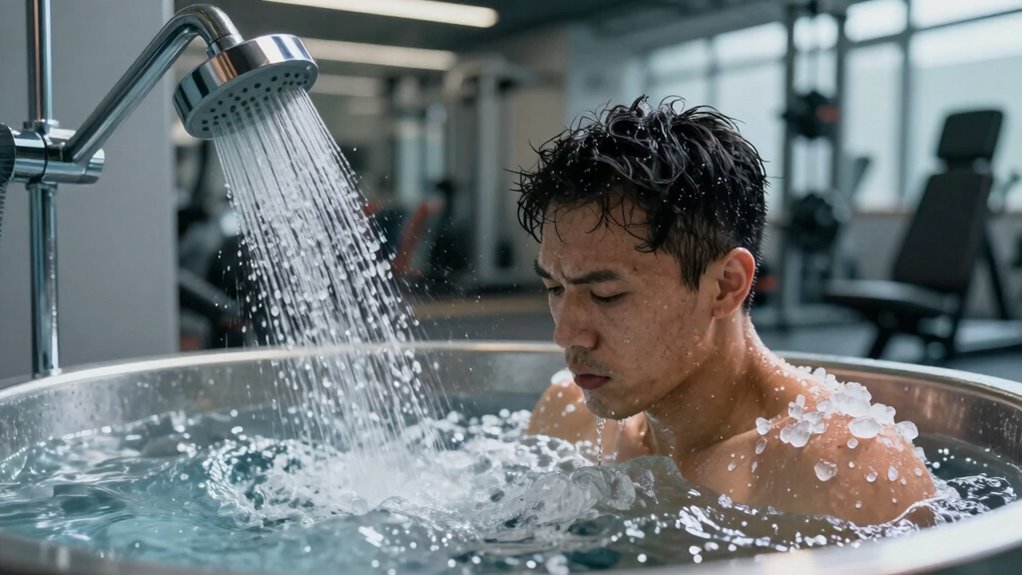

If you’re looking to recover faster and reduce soreness after cycling, ice baths are more effective at decreasing inflammation and supporting muscle repair, but they require more time and equipment. Cold showers provide a convenient, easier option with some similar benefits, including mental toughness and mild inflammation relief. Your choice depends on how intense your recovery needs are and what fits into your routine. Keep exploring to discover which method suits you best.
Key Takeaways
- Ice baths more effectively reduce inflammation and muscle soreness, aiding faster recovery for cyclists.
- Cold showers are more accessible and easier to incorporate into daily routines with less setup.
- Ice baths offer targeted benefits for swelling reduction and waste removal, crucial after intense cycling sessions.
- Cold showers still promote mental resilience and discomfort management, supporting overall mental toughness.
- The choice depends on recovery needs, convenience, and routine preferences, with both methods providing valuable benefits.
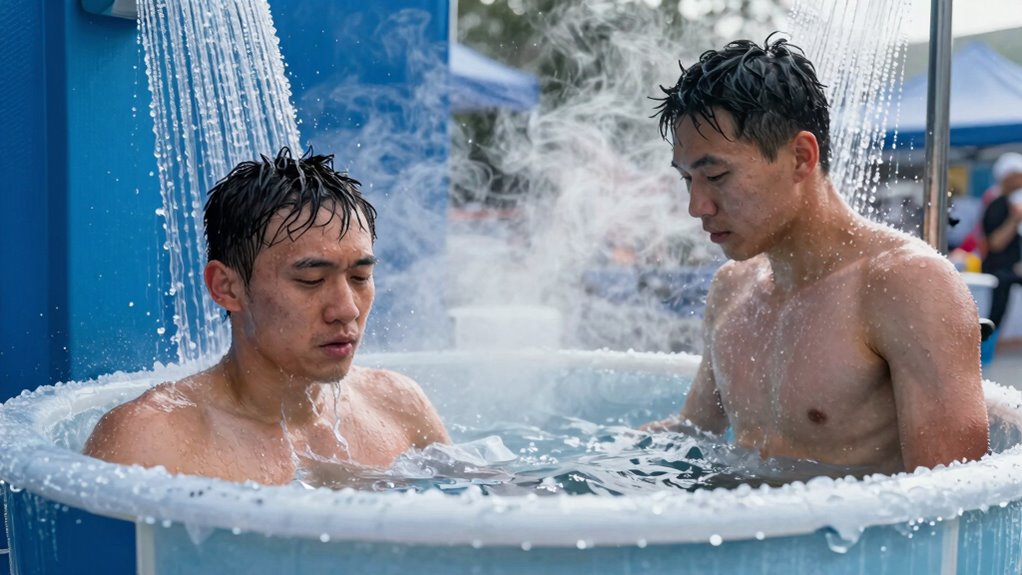
When it comes to recovery and wellness routines, many people wonder whether an ice bath or a cold shower offers better benefits. If you’re a cyclist looking to optimize your performance, understanding how each method impacts muscle recovery and mental resilience can help you make an informed choice. Both practices expose your body to cold temperatures, but they do so in different ways, leading to distinct effects.
An ice bath involves immersing your body in a tub filled with ice-cold water for several minutes. This experience notably reduces inflammation and muscle soreness after intense rides, aiding in muscle recovery. When your muscles are exposed to cold temperatures, blood vessels constrict, which limits swelling and flushes out metabolic waste products. As you exit the bath, blood flow increases again, delivering oxygen and nutrients to your muscles and promoting faster healing. This process not only helps your muscles recover more quickly but also minimizes the risk of injury from overtraining.
Ice baths reduce inflammation and muscle soreness by constricting blood vessels and flushing out waste.
Cold showers, on the other hand, provide a more accessible and less intense form of cold exposure. Standing under a cold stream for a few minutes can still offer benefits for muscle recovery, though typically to a lesser degree than an ice bath. The cold water stimulates circulation and can help reduce muscle inflammation, albeit more gradually. For many cyclists, cold showers are a convenient way to incorporate recovery routines into daily life without needing specialized equipment or time-consuming setups.
Beyond physical benefits, both ice baths and cold showers can boost your mental resilience. Enduring the discomfort of cold exposure trains your mind to stay calm and focused in stressful situations. Regularly subjecting yourself to the cold can improve your ability to manage discomfort and build mental toughness—traits that are vital during challenging climbs or race days. The sense of accomplishment after completing a cold shower or ice bath can also foster confidence and a positive mindset, reinforcing your mental resilience over time.
Frequently Asked Questions
How Long Should I Stay in an Ice Bath or Cold Shower?
You should stay in an ice bath or cold shower for about 10 to 15 minutes to optimize temperature regulation and boost mental resilience. Keep the water around 10-15°C (50-59°F) for effective recovery without risking hypothermia. This duration helps your body adapt to cold stress, enhancing mental toughness. Remember, listen to your body and avoid overexposure, as longer stays can impair recovery and safety.
Can Ice Baths or Cold Showers Prevent Muscle Soreness?
Ice baths and cold showers can help prevent muscle soreness by promoting muscle repair and reducing inflammation. When you immerse yourself in cold water, you slow blood flow, which minimizes inflammation and swelling. This process accelerates recovery and eases soreness after intense cycling. Consistent use may make your muscles less prone to soreness, helping you train harder and recover faster. Just remember to balance cold exposure with proper rest and nutrition for ideal results.
Which Method Is Safer for People With Heart Conditions?
If you have heart conditions, cold showers are generally safer than ice baths because they pose less heart risk. However, always follow safety precautions, such as avoiding sudden temperature changes and limiting exposure time. Cold water can still cause stress on your cardiovascular system, so consult your doctor before trying either method. Prioritize gradual temperature adjustments to reduce strain and ensure your safety during recovery routines.
How Often Should Cyclists Use Ice Baths or Cold Showers?
You should use ice baths or cold showers 1-3 times a week, balancing recovery with safety considerations. Too frequent exposure can lead to skin issues or impaired muscle adaptation, while infrequent use might reduce benefits. Pay attention to your body’s signals, especially if you have heart concerns. Follow established frequency guidelines and always prioritize safety considerations to optimize recovery without risking health.
Do Ice Baths or Cold Showers Improve Recovery Speed?
Ice baths and cold showers can improve your recovery speed by enhancing muscle repair and boosting mental clarity. Cold exposure reduces inflammation and soreness, speeding up muscle recovery after intense rides. Additionally, the cold sharpens your mental focus, helping you feel more refreshed. While ice baths might be more intense, both methods support faster recovery, so choose based on your comfort and schedule to optimize your performance.
Conclusion
In the end, whether you pick an ice bath or a cold shower depends on your goals and preferences. If you’re aiming for rapid recovery like a medieval knight tending to wounds, an ice bath might be your best bet. But if you prefer a quick, invigorating boost to start your day, a cold shower works wonders. Both methods can help you bounce back faster—just like a true hero of the modern age.